The U.S. lost a stunning 22 million jobs in March and April at the beginning of the coronavirus pandemic, with only about half of those numbers returning in the following seven months. With weekly jobless claims remaining high, voters might want to know more about what former Vice President Joe Biden and President Donald Trump intend to do on the issue of labor.
Biden has pledged to do whatever it takes to help jobs recover through direct stimulus payments. His plan includes funding for state and local governments to keep essential workers on their payrolls and federal payouts to supplement state unemployment checks.
Meanwhile, Trump favors tax cuts and deregulation to stimulate the economy but concedes that another infusion of cash stimulus is likely needed. The president also extended federal unemployment benefits for six weeks after they were set to expire in July but at a lower rate of $300 a week, half the amount of the earlier benefit.
Both candidates support tax incentives for manufacturers to keep jobs at home. Biden even proposes tax penalties for those businesses that ship manufacturing jobs overseas with the intention of selling finished products back into the U.S.
Whoever wins the election in November faces a daunting task, with millions still out of work, consumer spending slowing down, and a resurgence in coronavirus cases adding to the economic woes.
Read More on Trump and Biden's Plans:
Trump vs. Biden on Raising the Federal Minimum Wage
Biden vs. Trump on Student Loans and Higher Education
Lenore Hawkins, chief macro strategist for Tamatica Research, told Cheddar that the combination of the COVID-19 outbreak and the oil price war between Saudi Arabia and Russia is an unprecedented set of circumstances for investors.
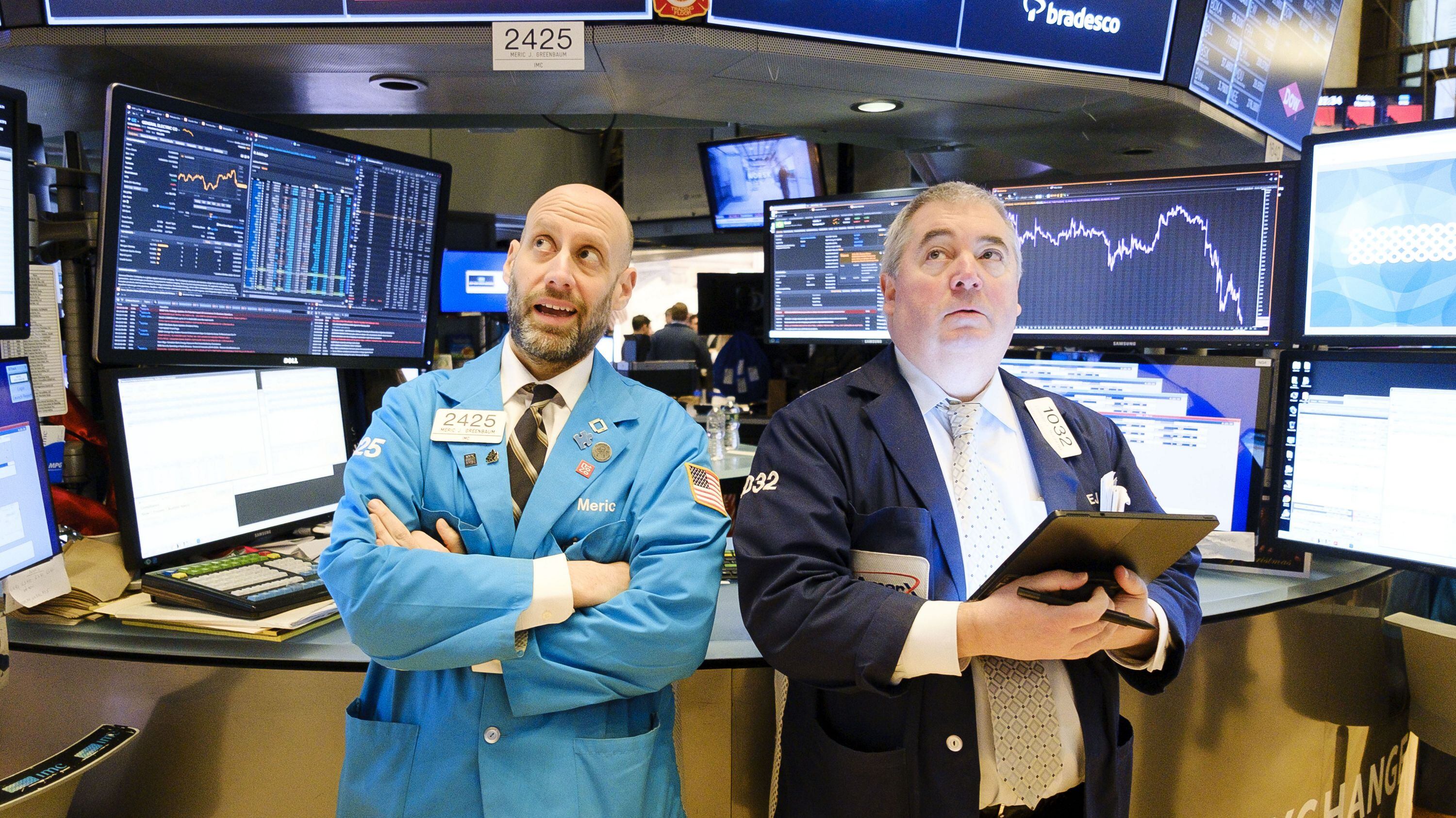
The Dow Jones Industrial Average plummeted 1,500 points, or 6%, following similar drops in Europe after a fight among major crude-producing countries jolted investors already on edge about the widening fallout from the outbreak of the new coronavirus.
From Wall Street to Silicon Valley, these are the top stories that moved markets and had investors, business leaders, and entrepreneurs talking this week on Cheddar.
Bond yields fell to more record lows as investors continue to demand safety and unload stocks. The yield on the 10-year Treasury note sank as low as 0.66% as investors worried that economic damage from the spreading virus outbreak will be worse than previously thought.
Cheddar will be following the biggest political headlines as voters head to the polls in critical Super Tuesday primaries.
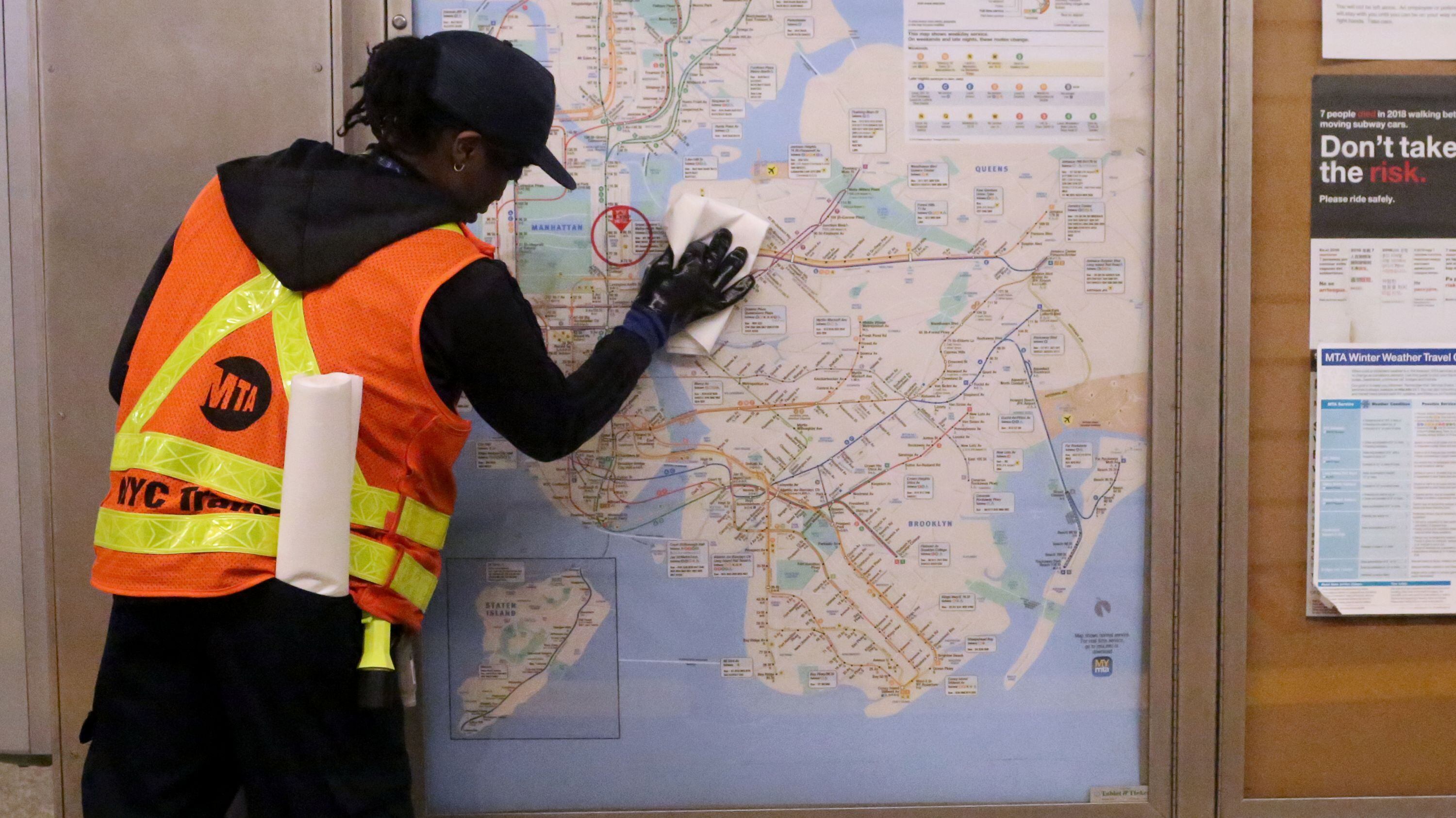
Dr. William Schaffner of Vanderbilt University said taking steps like sanitizing the subway system "may play a small role in mitigating the transmission of this virus, but it signals to people that we ought to be functioning as we can and doing the things we can do."
Stocks are falling sharply again in midday trading on Wall Street, and bond yields are sinking to more record lows on worries about the economic damage coming from the spreading coronavirus outbreak.
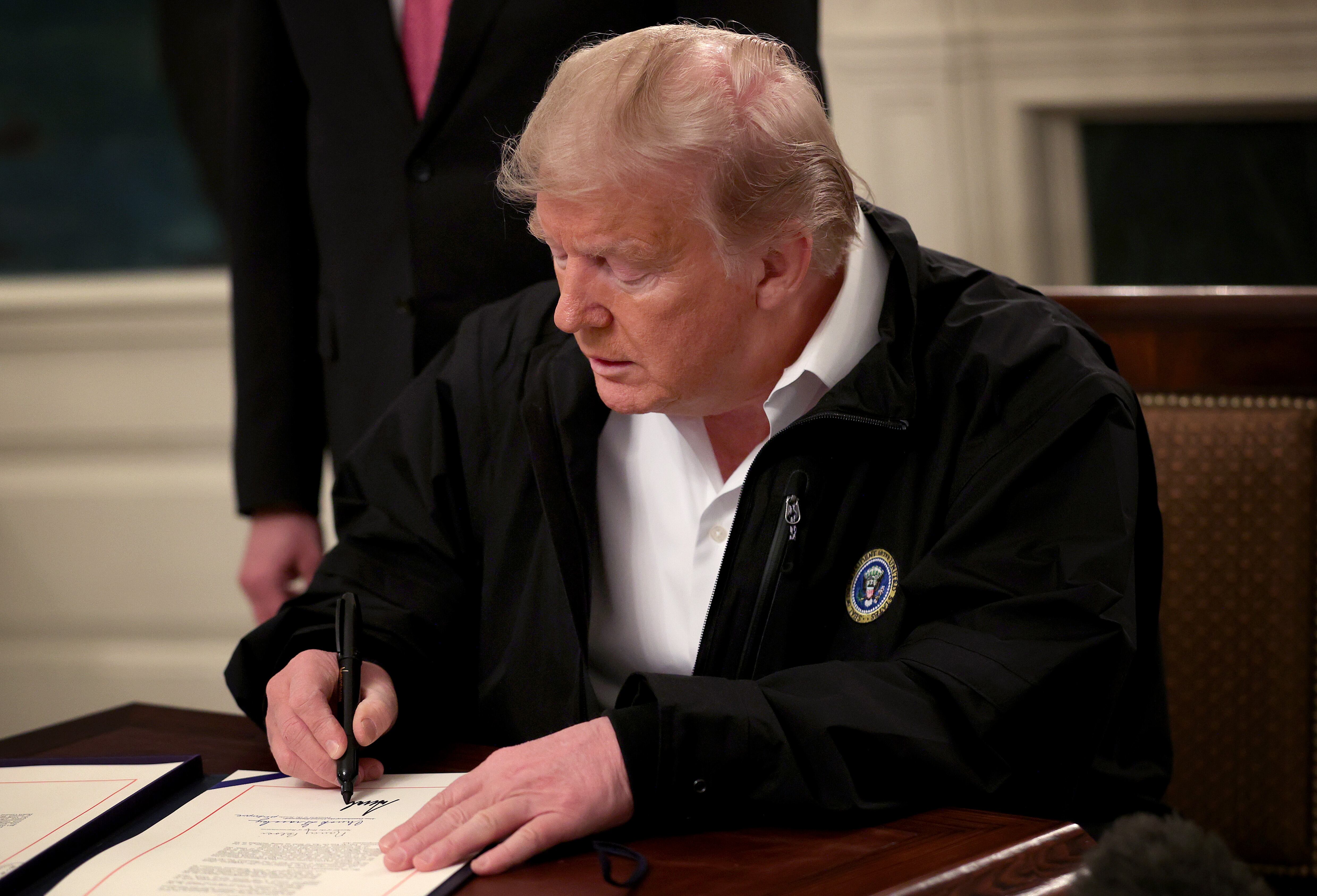
President Donald Trump on Friday signed an $8.3 billion measure to help tackle the coronavirus outbreak that has killed more than a dozen people in the U.S. and infected more than 200.
These are the headlines you Need 2 Know for Friday, March 6, 2020.
U.S. Representative Pete Aguilar of California voted yes on an $8.3 billion coronavirus emergency package bill, a much higher figure than the $2.5 billion requested by the White House.