The U.S. lost a stunning 22 million jobs in March and April at the beginning of the coronavirus pandemic, with only about half of those numbers returning in the following seven months. With weekly jobless claims remaining high, voters might want to know more about what former Vice President Joe Biden and President Donald Trump intend to do on the issue of labor.
Biden has pledged to do whatever it takes to help jobs recover through direct stimulus payments. His plan includes funding for state and local governments to keep essential workers on their payrolls and federal payouts to supplement state unemployment checks.
Meanwhile, Trump favors tax cuts and deregulation to stimulate the economy but concedes that another infusion of cash stimulus is likely needed. The president also extended federal unemployment benefits for six weeks after they were set to expire in July but at a lower rate of $300 a week, half the amount of the earlier benefit.
Both candidates support tax incentives for manufacturers to keep jobs at home. Biden even proposes tax penalties for those businesses that ship manufacturing jobs overseas with the intention of selling finished products back into the U.S.
Whoever wins the election in November faces a daunting task, with millions still out of work, consumer spending slowing down, and a resurgence in coronavirus cases adding to the economic woes.
Read More on Trump and Biden's Plans:
Trump vs. Biden on Raising the Federal Minimum Wage
Biden vs. Trump on Student Loans and Higher Education
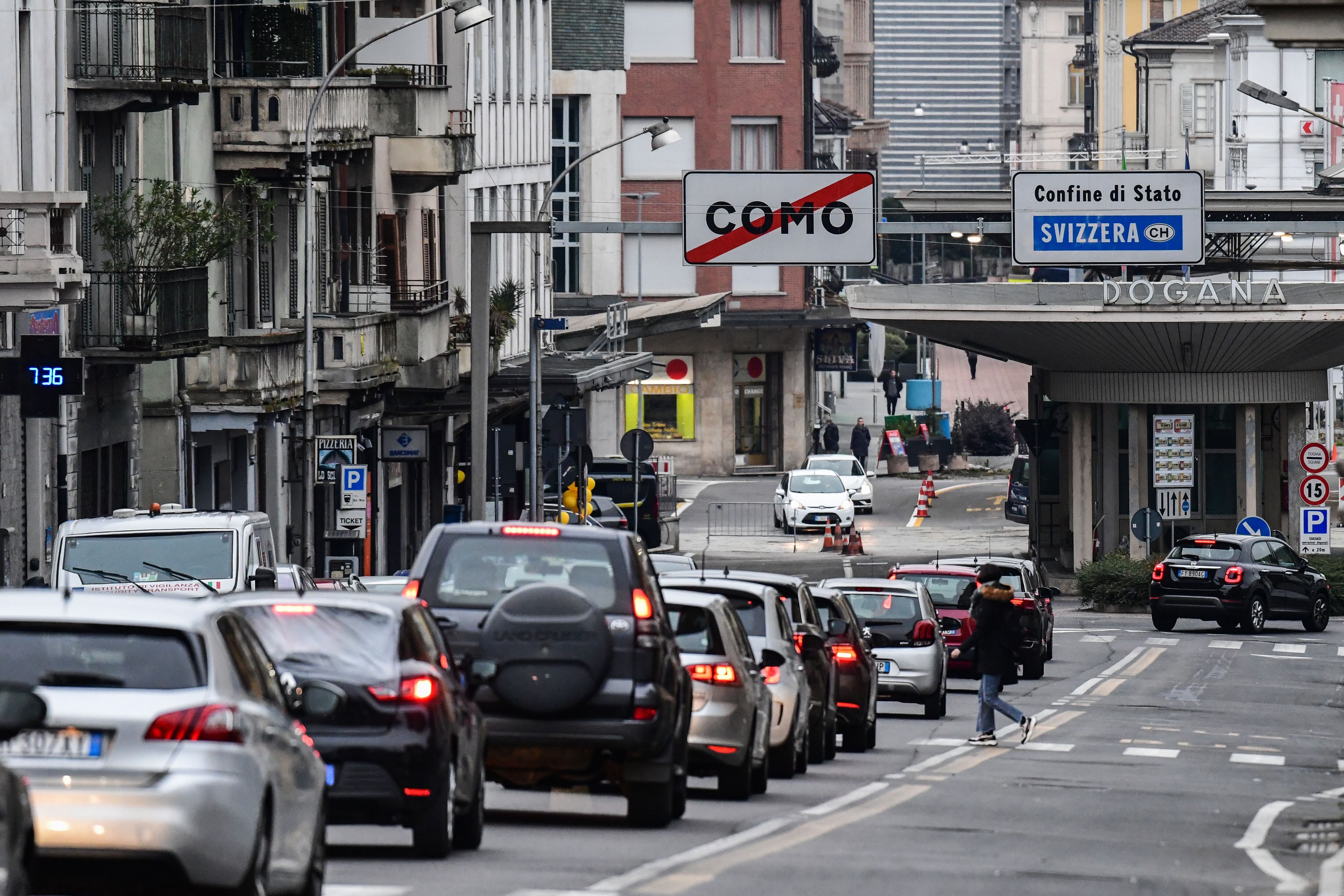
Lenore Hawkins, chief macro strategist at Tematica Research, told Cheddar from Lake Como, Italy, that the local populace seems to be taking the directives to stay indoors seriously.
The Earth's average temperature last year was about 1.1 degrees Celsius higher than pre-industrial levels, second only to the record established in 2016.
Swaths of shale producers, many heavily in debt and still recovering from the price crash of 2015, have posted double-digit drops in stock prices in the past 48 hours, with some companies already announcing rounds of layoffs.
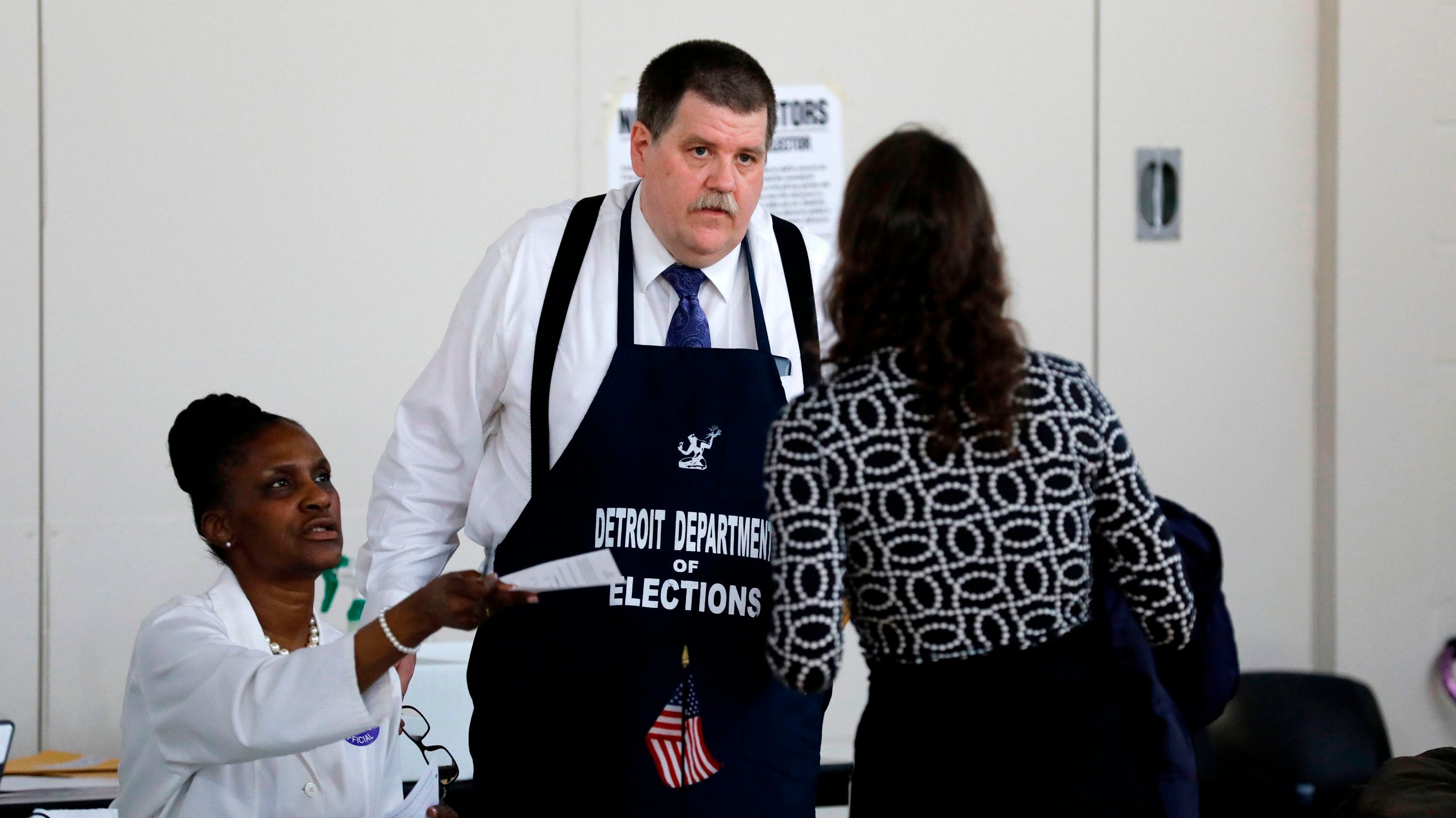
Biden and Vermont Senator Bernie Sanders will go head to head for the 352 delegates promised on what some are calling ‘Super Tuesday 2.0,’ with a focus on the battleground state of Michigan.
These are the headlines you Need 2 Know for Tuesday, March 10, 2020.
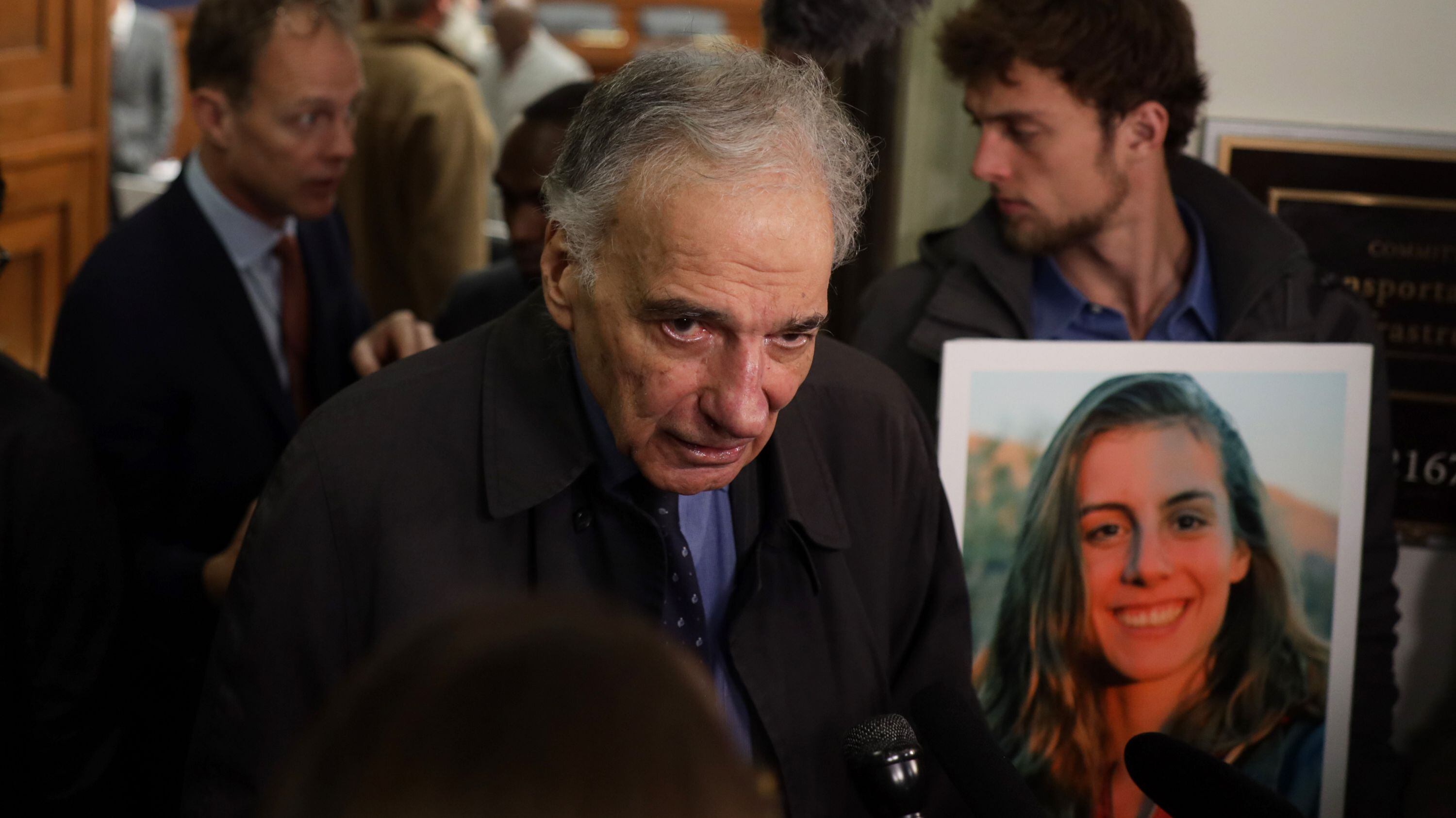
Consumer advocate Ralph Nader, whose grandniece was killed in that disaster, said that even once the plane makes it back to the skies, he won't fly in it.
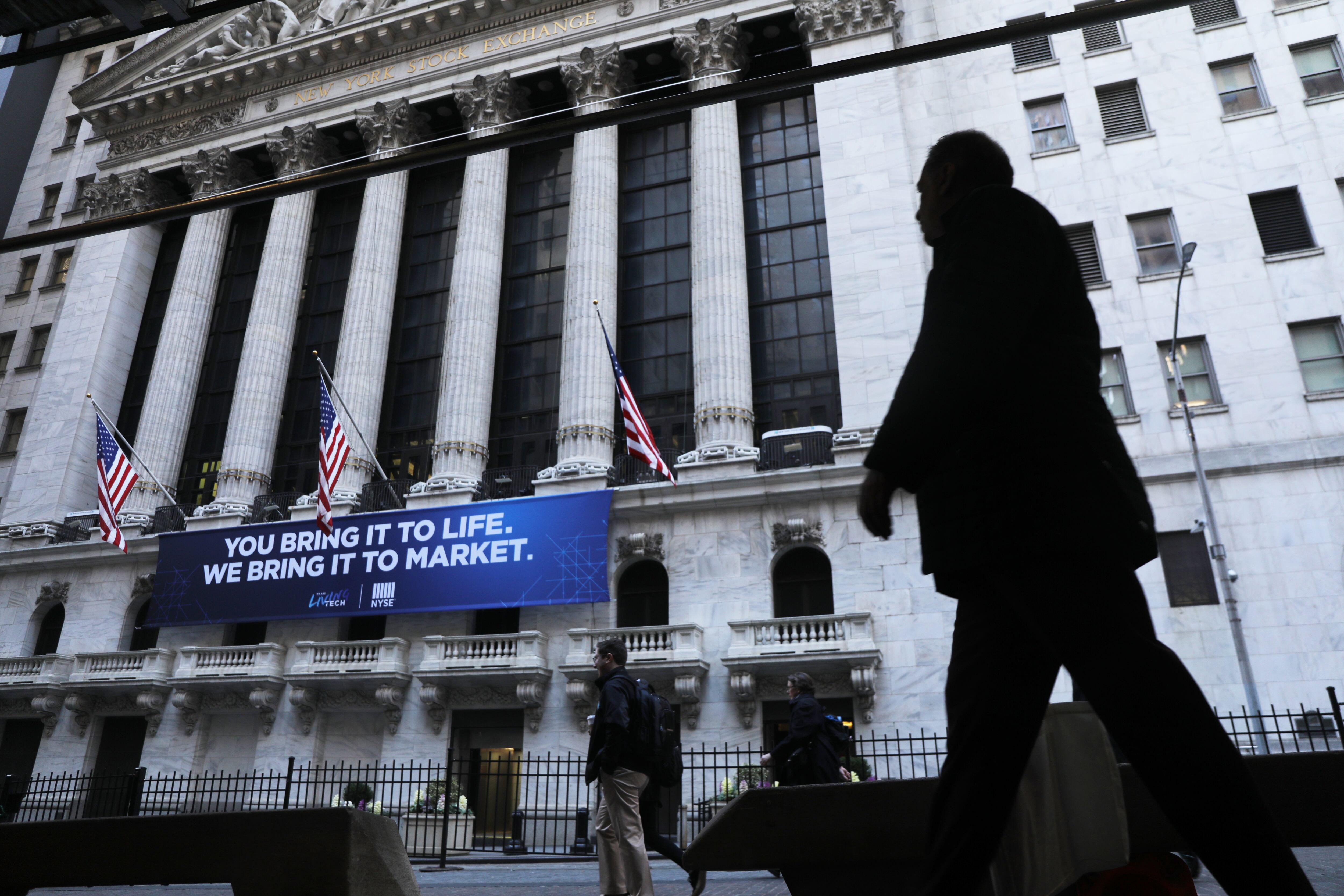
The Dow Jones Industrial Average sank 7.8%, its steepest drop since the financial crisis of 2008, as a free-fall in oil prices and worsening fears of fallout from the spreading coronavirus outbreak seize markets. The sharp drops triggered the first automatic halts in trading in two decades.
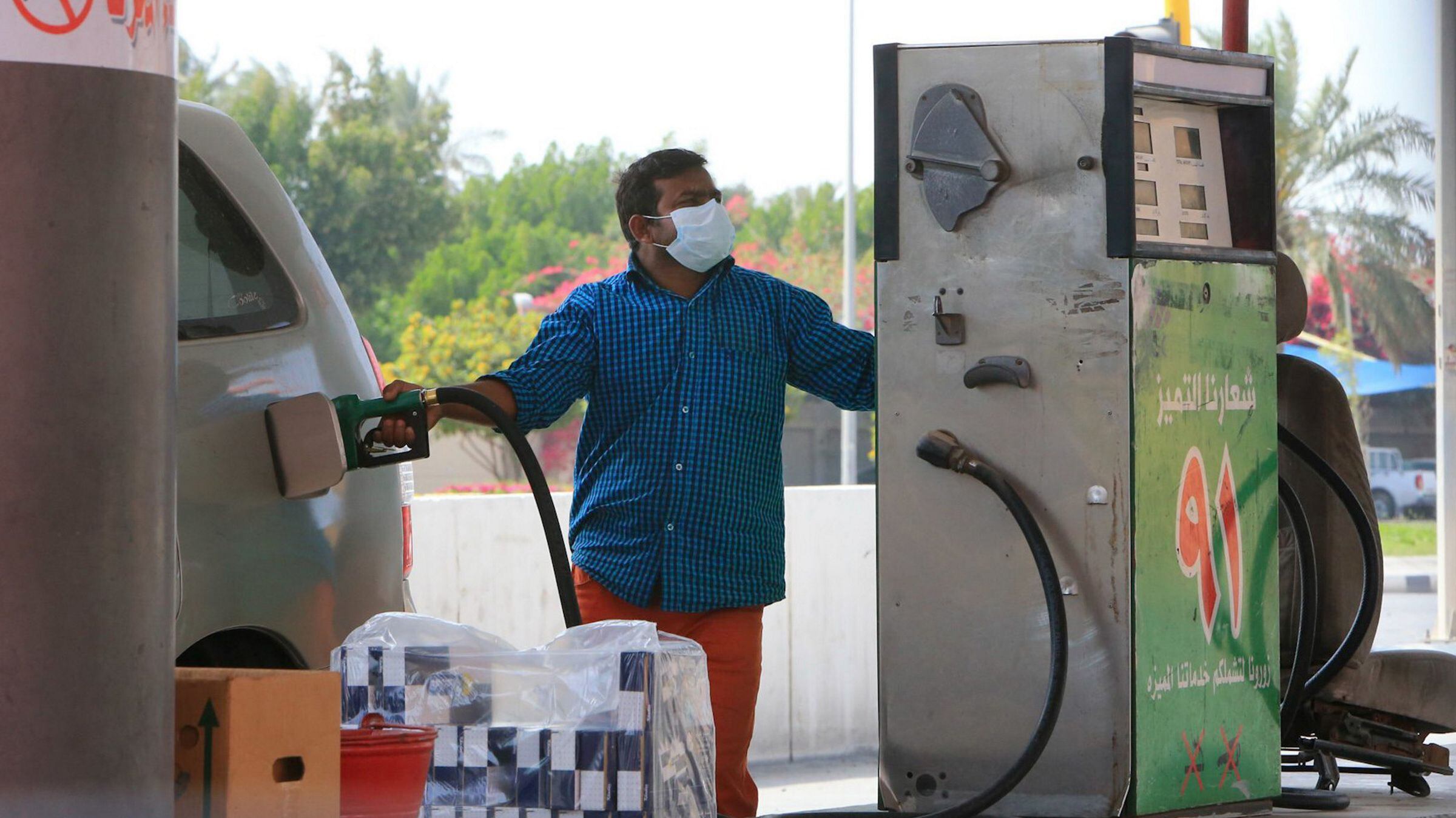
Brent crude, the global benchmark for oil and for U.S. gasoline prices, hovered around $36 a barrel after opening Monday at about $33 -- down from $45 a barrel on Friday and nearly $70 in January.
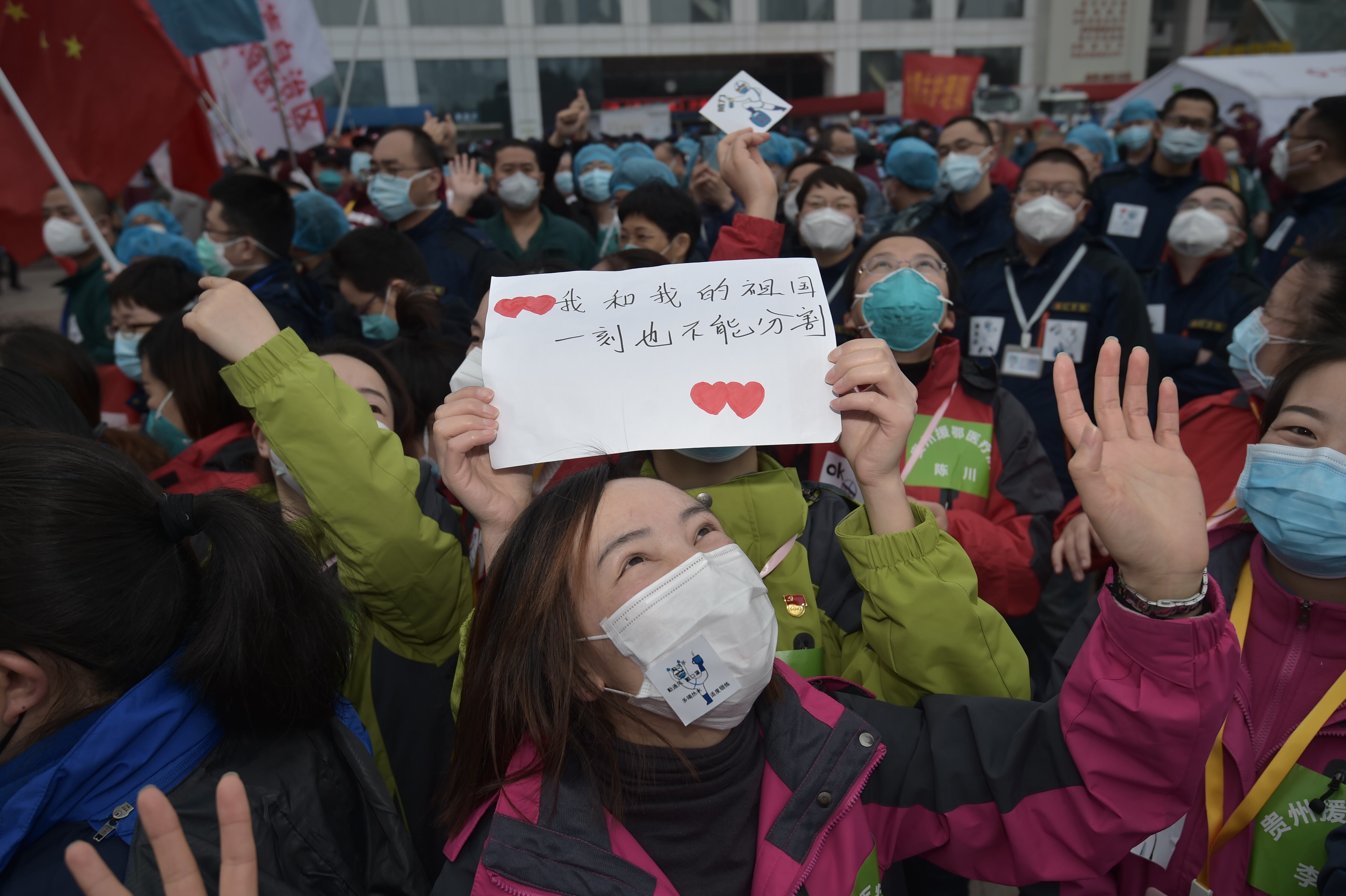
Officials at the World Health Organization said Monday that of about 80,000 people who have been sickened by COVID-19 in China, more than 70 percent have recovered and been discharged from hospitals.
Stocks are falling sharply Monday on Wall Street on a combination of coronavirus fears and plunging oil prices, triggering a brief, automatic halt in trading to let investors catch their breath.