By Michael R. Sisak and Jill Colvin
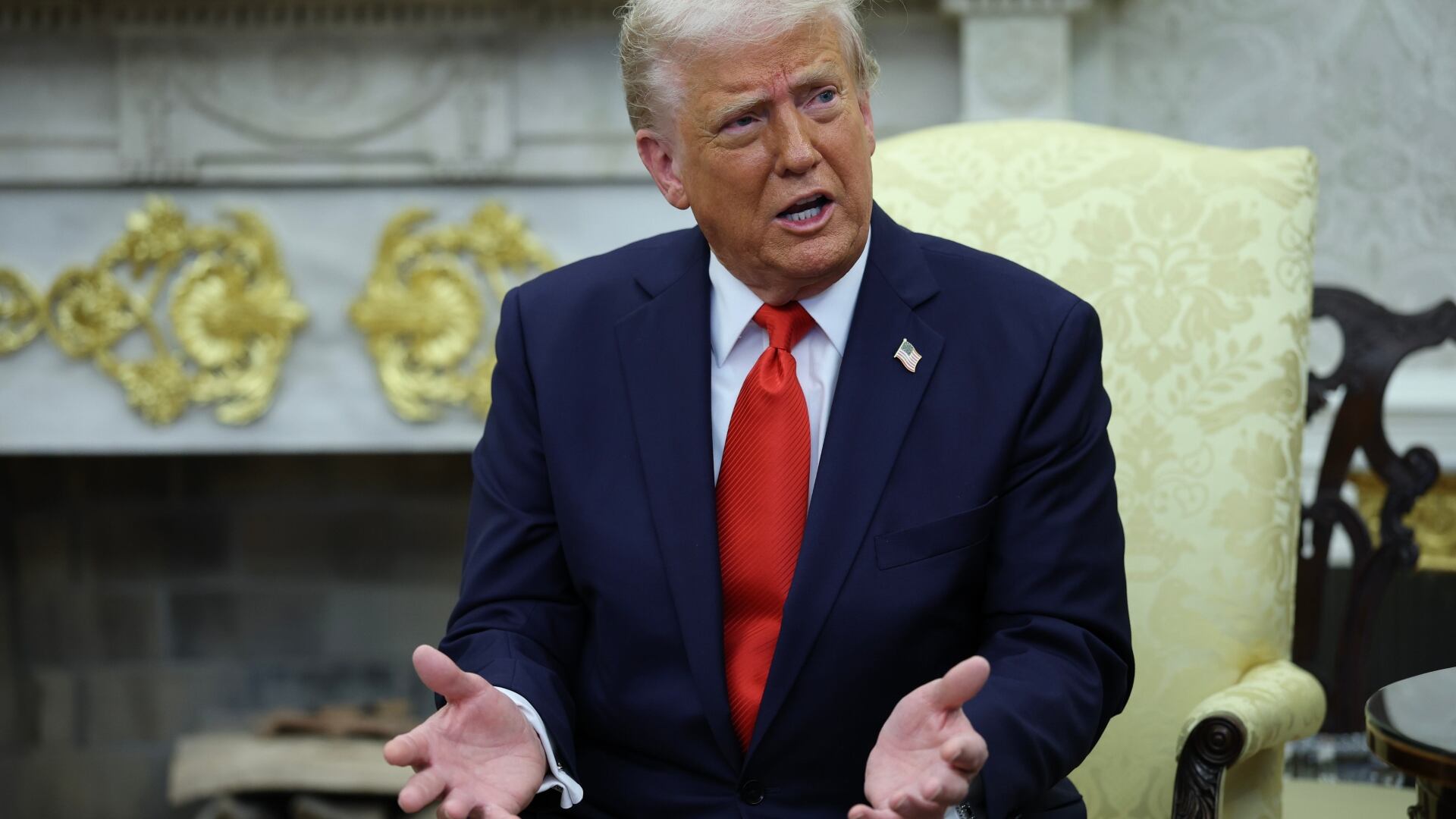
Donald Trump said Sunday he has decided against testifying for a second time at his New York civil fraud trial, posting on social media a day before his scheduled appearance that he “very successfully & conclusively” testified last month and saw no need to do so again.
The former president, the leading contender for the 2024 Republican nomination, had been expected to return to the witness stand Monday as a coda to his defense against New York Attorney General Letitia James ' lawsuit.
James, a Democrat, alleges Trump inflated his wealth on financial statements used in securing loans and making deals. The case threatens Trump’s real estate empire and cuts to the heart of his image as a successful businessman.
“I will not be testifying on Monday," Trump wrote in an all-capital-letters, multipart statement on his Truth Social platform less than 20 hours before he was to take the witness stand.
“I have already testified to everything & have nothing more to say," Trump added, leaving the final word among defense witnesses to an accounting expert hired by his legal team who testified last week that he found “no evidence, whatsoever, for any accounting fraud” in Trump’s financial statements.
A Trump spokesperson did not immediately respond to questions about his decision.
The decision was an abrupt change from Trump’s posture in recent days, when his lawyers said he was insistent on testifying again despite their concerns about a gag order that has cost him $15,000 in fines for disparaging the judge’s law clerk.
“President Trump has already testified. There is really nothing more to say to a judge who has imposed an unconstitutional gag order and thus far appears to have ignored President Trump’s testimony and that of everyone else involved in the complex financial transactions at issue in the case,” Trump lawyer Christopher Kise said Sunday.
Trump’s decision came days after his son, Eric Trump, ditched his return appearance on the witness stand. Trump said on social media that he'd told Eric to cancel.
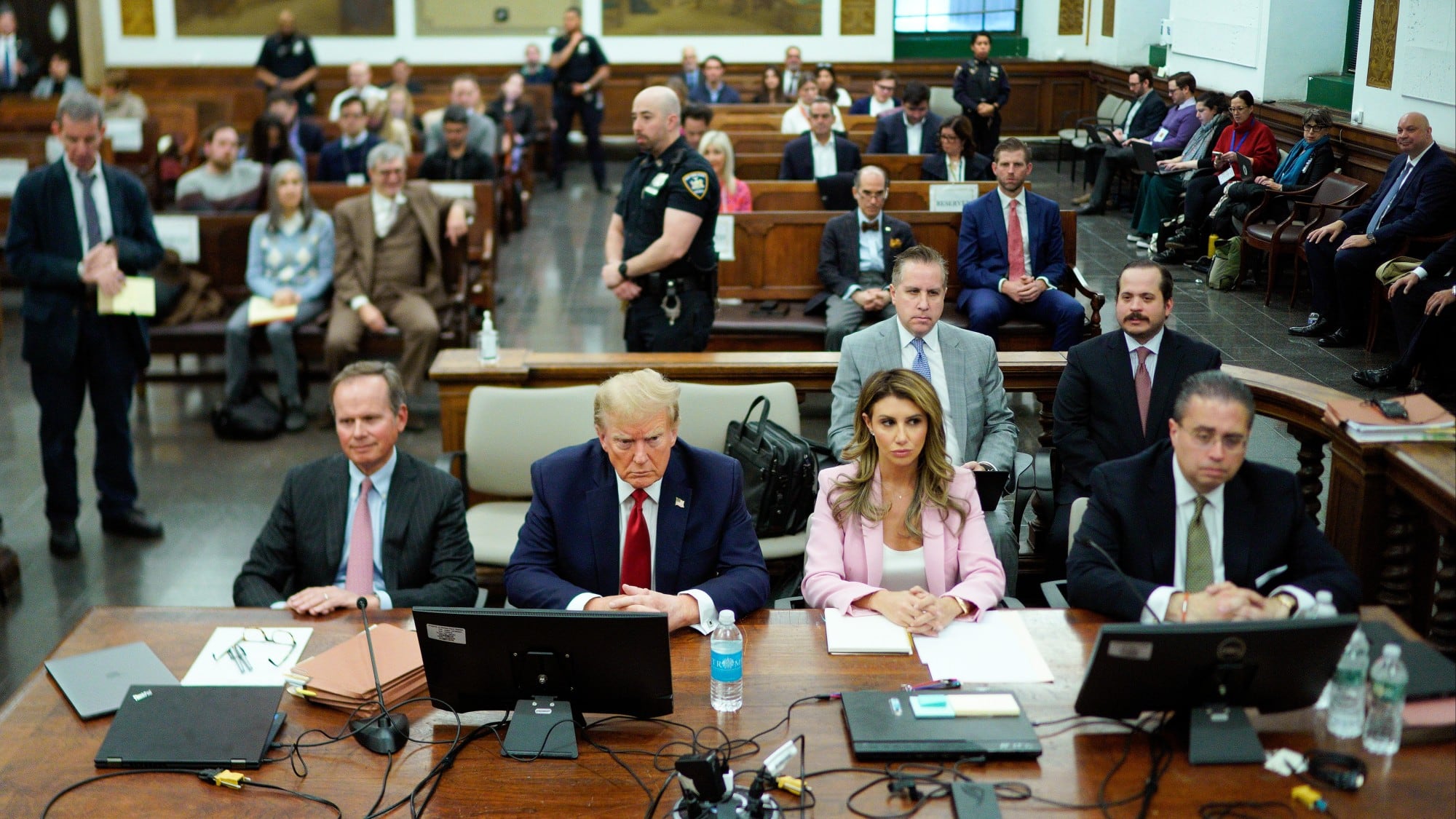
It also follows Trump’s first trip back to court since he testified in the case on Nov. 6. Last Thursday, he watched from the defense table as the accounting professor, New York University professor Eli Bartov, blasted the state’s case and said Trump’s financial statements “were not materially misstated.”
Trump’s cancellation caught court officials by surprise. Without Trump on the witness stand, the trial will be on hold until Tuesday, when Bartov will finish his testimony. State lawyers say they’ll then call at least one rebuttal witness.
In a statement, James said whether Trump testified again or not, "we have already proven that he committed years of financial fraud and unjustly enriched himself and his family. No matter how much he tries to distract from reality, the facts don’t lie.”
Trump was often defiant and combative when he testified Nov. 6. Along with defending his wealth and denying wrongdoing, he repeatedly sparred with the judge, whom he criticized as “extremely hostile," and slammed James as “a political hack.”
Trump answered questions from state lawyers for about 3½ hours, often responding with lengthy diatribes. His verbose answers irked the judge, Arthur Engoron, who admonished, “This is not a political rally."
Had Trump returned to the stand Monday, it would've been his defense lawyers leading the questioning, but lawyers from James' office could have cross-examined him, too.
Engoron ruled before the trial that Trump and other defendants engaged in fraud. He ordered that a receiver take control of some Trump properties, but an appeals court has paused that decision.
Engoron is now considering six other claims, including allegations of conspiracy and insurance fraud. James seeks penalties of more than $300 million and wants Trump banned from doing business in New York. The judge is deciding, rather than a jury, because juries aren’t allowed in this type of case.
Though testimony is nearly over, the trial that started Oct. 2 will bleed into next year. Closing arguments are scheduled for Jan. 11, just four days before the Iowa caucuses start the presidential primary season. Engoron said he hopes to have a decision by the end of January.
Trump has had a prime role in the trial. Along with his testimony, he has voluntarily gone to court eight days to watch witnesses, turning his appearances into de facto campaign stops. During breaks, he has taken full advantage of the cameras parked in the courthouse hallway, spinning what’s happening inside the courtroom, where cameras aren’t allowed, in the most favorable light.
Trump’s frequent presence in court — as a witness, observer and aggrieved defendant — has underscored the unique personal stakes for a billionaire who’s also juggling four criminal cases and a campaign.
Where other politicians have shied from legal peril, Trump has leaned in as his court and political calendars increasingly overlap, with primaries a few weeks away and the first of his criminal trials slated for March.
But Trump’s interest in vindicating his company and his wealth has also run up against the limitations of the gag order, which was reinstated at the end of November by a state appellate court after a two-week interlude. The same gag order was also in effect when he testified in November.
Despite the gag order, Trump was adamant in recent days that he’d testify again — even as one of his lawyers, Alina Habba, said she discouraged him from taking the stand.
“He still wants to take the stand, even though my advice is, at this point, you should never take the stand with a gag order,” Habba told reporters last week, before Trump changed his mind.
Trump spent Saturday evening with Habba at the New York Young Republican Club’s black-tie gala. At the event, about a mile from the courthouse, he went on at length highlighting his objections, saying, “I have proven my innocence literally every single day."