Facing Outrage, Trump Backtracks on Family Separation Policy
*By Alisha Haridasani*
President Trump signed an [executive order](https://www.whitehouse.gov/presidential-actions/affording-congress-opportunity-address-family-separation/) on Wednesday ending the practice of separating children from their parents while still detaining those who have illegally crossed the southern border.
"We're going to keep the families together," Trump said when he signed executive order. "At the same time we are keeping a very powerful border."
After widespread condemnation from elected officials, corporate leaders, former first ladies, and most recently, the Pope, President Trump directed Homeland Security to detain families together while they wait for their case to be processed.
Detaining families together, however, goes against a 1997 consent decree that prohibits the federal government from holding children for more than 20 days. In his executive order, Trump also directed the Attorney General Jeff Sessions to modify the decree in order to "detain alien families together throughout the pendency of criminal proceedings."
Trump's action was an extraordinary reversal for the president, who as recently as Tuesday night was defending his administration's "zero tolerance" police and blaming Congress for the crisis.
His about-face appears to have been driven by the [bipartisan national outrage](https://cheddar.com/videos/republicans-scramble-to-fix-border-crisis-as-trump-digs-in) towards the new policy, which was implemented by Sessions in April and which has so far separated more than 2,000 children from their parents.
“I think he probably expected he would have the support of Republicans to try to corner the Democrats and isolate them on this,” said Jack Crowe, news writer at the National Review.
“But what’s happened is actually a lot of his own party have turned against him on this,” he said. “He doesn’t have a lot of allies left in this.”
Trump's executive order also calls on Congress to draw up a broader package that would address immigration policy and fund his border wall.
In the days leading up to the executive order, the administration also faced condemnation from the private sector, as major companies weighed in on the issue and urged policy changes.
“It is a moral imperative to stop separating families,” said Goldman Sachs CEO Lloyd Blankfein, who rarely speaks out on political issues.
Apple, Microsoft, and Facebook chiefs have all also vehemently condemned Trump while Uber is reportedly exploring how its legal team can help the migrant families.
For the full interview, [click here](https://cheddar.com/videos/why-president-trump-says-hell-end-family-separation-at-the-border).
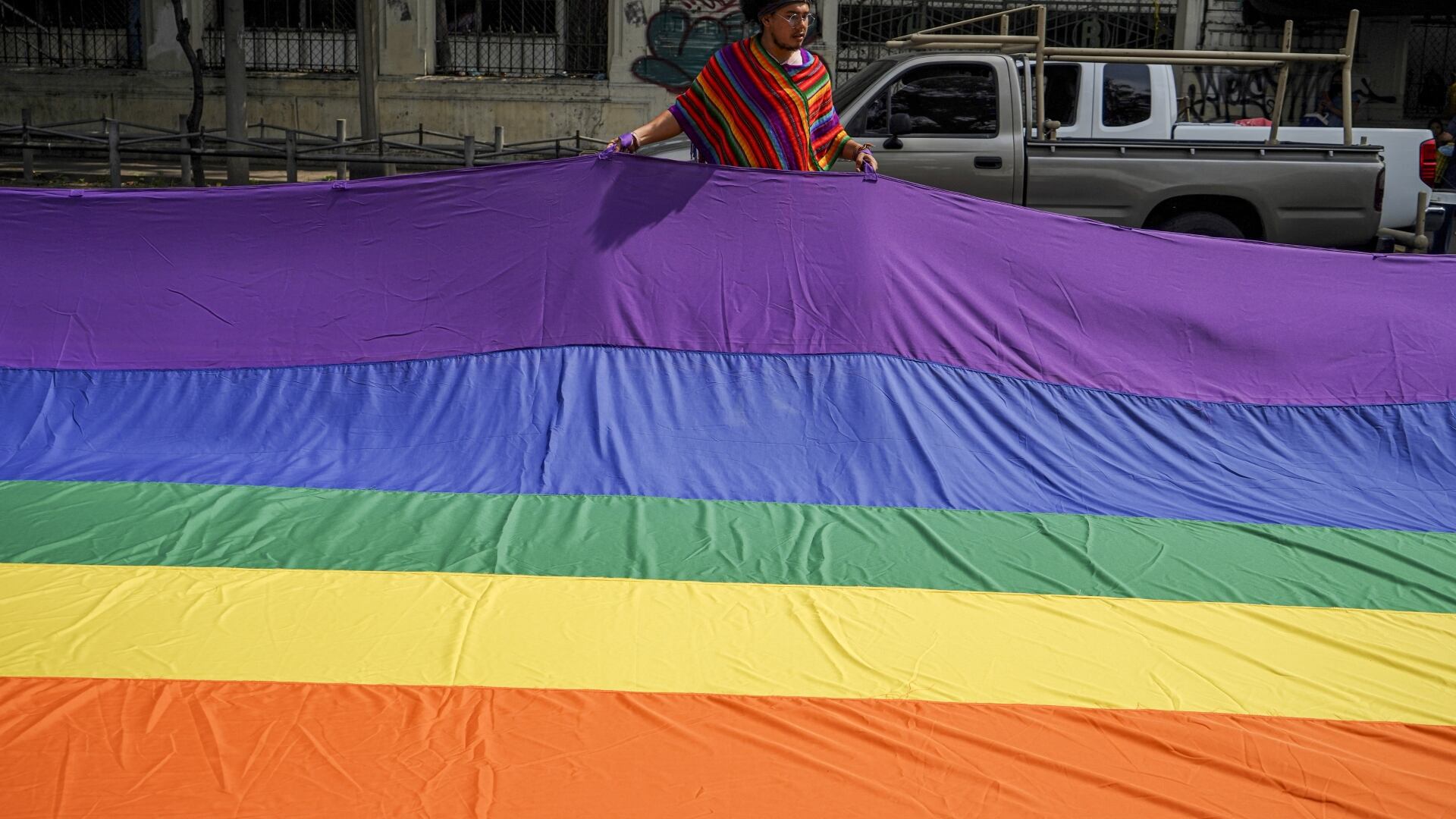
Liana Guzmán, CEO of FOLX Health, joins Cheddar News to discuss the company launching billboards across the country in response to anti-LGBTQ+ legislation.
President Biden has announced an additional $800 million in military assistance to Ukraine, including artillery, armored personnel carriers, and helicopters. It comes as Russian forces appear to be preparing for a new, aggressive offensive in the eastern part of Ukraine. Paul McLeary, defense reporter for Politico, joined Cheddar to discuss this new round of aid and what it means for the U.S. commitment to arming the embattled country.
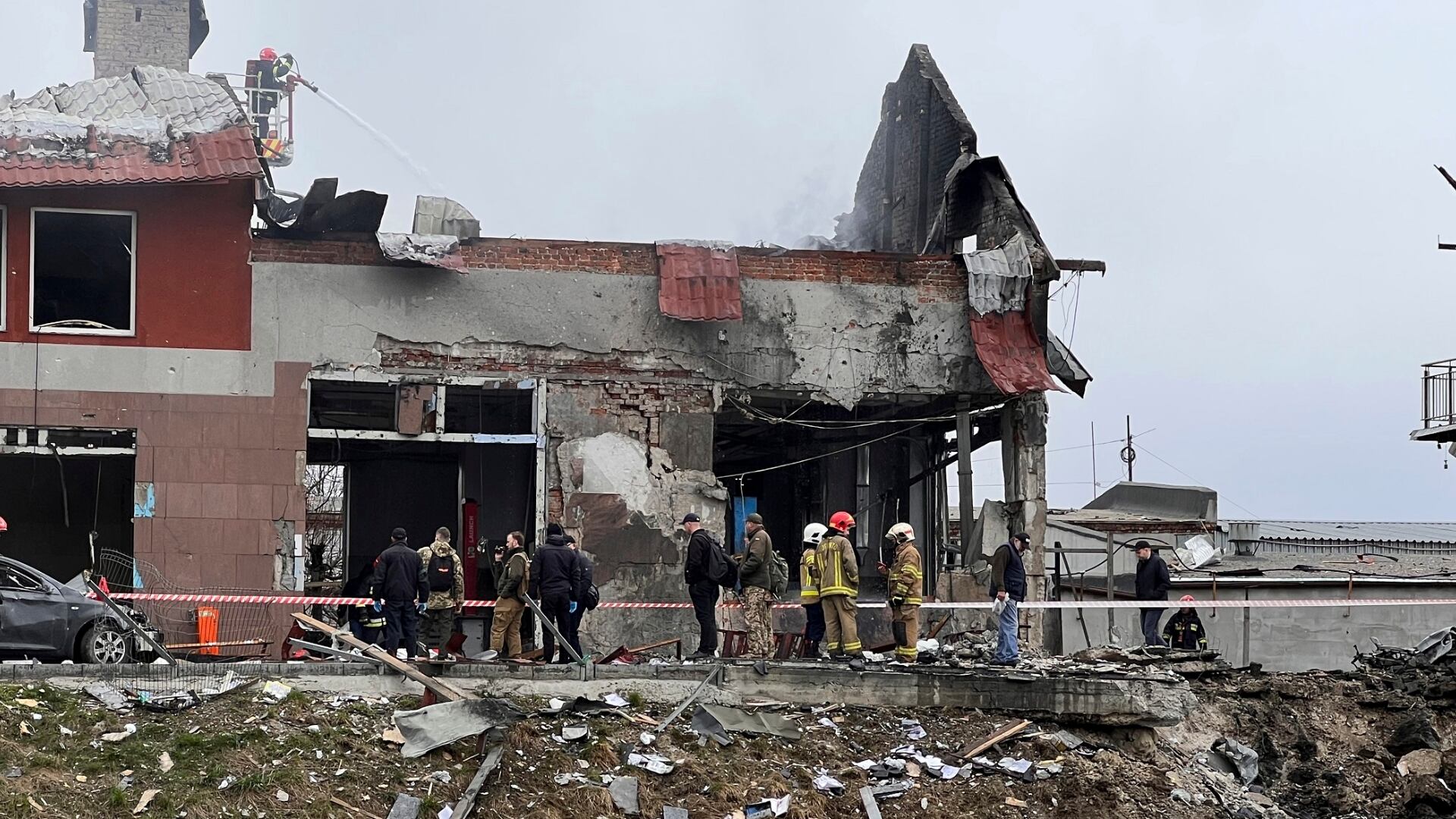
Catching you up on what you need to know on April 18, 2022, with Russian missile attacks on the Ukrainian city of Lviv killing seven, mass shootings in South Carolina and Pittsburgh, Lucky Charms cereal under official investigation by the FDA, and more.
Activism is growing around the country in response to school boards banning books from shelves that focus on sexuality, gender, identity, or race. Jen Cousins, co-founder of The Florida Freedom to Read Project, joins Cheddar News to discuss.
As the Russian invasion of Ukraine intensifies, President Biden has announced a ban on importing Russian oil, gas, and energy. To discuss how this ban will impact the war and Americans, Amir Handjani, non-resident fellow at Quincy Institute, joins Cheddar News.
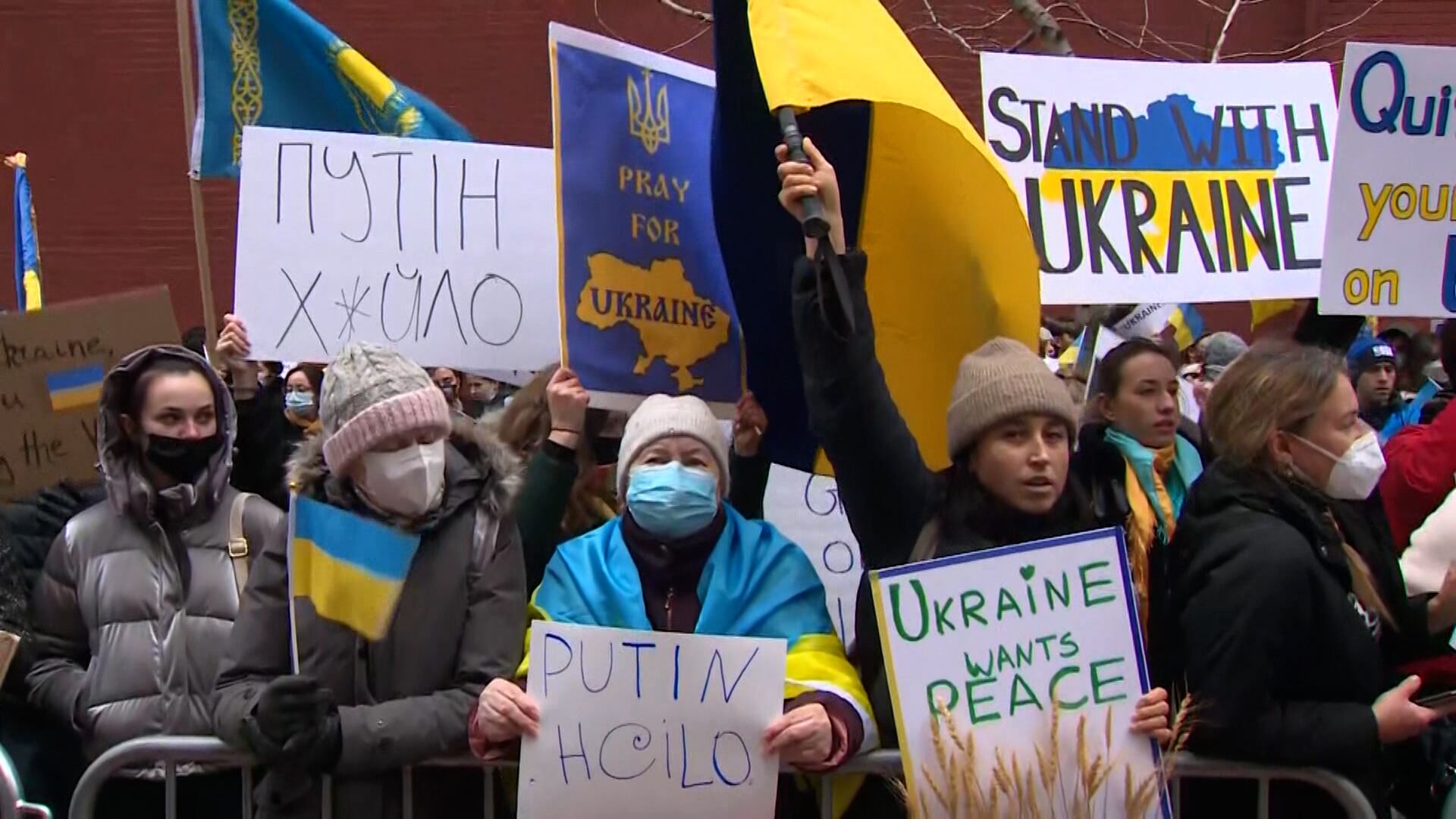
Thousands of protesters around the world are expressing their solidarity with Ukraine against Russia's invasion.
Jason Beardsley, national executive director of the Association of the U.S. Navy and national security expert, joins Cheddar News to discuss.
As gas prices surge amid the Russian invasion of Ukraine, other nations could potentially transition faster to using clean energy than previously expected. Philip K. Verleger, a senior fellow at the Niskanen Center, joined Cheddar News to explain how this could be a possibility in the near future. "Part of the reason I think we have this invasion and the tantrum that's being thrown by Russia, terrible tantrum, is because the Russians were trying to slow down the transition," he said. "Ironically they speeded it up."
Following the invasion of Ukraine, a multitude of Western companies have paused doing business with Russia. PepsiCo, Coca-Cola, McDonald's, and Starbucks are the most recent companies to temporarily cease operations in Russia. Dean of Miami Herbert Business School at the University of Miami, John Quelch, joined Cheddar News to discuss what message this sends to Russia and the Russian consumer. “I would not underestimate the collective strength of all of these multinational companies, essentially coming together to make their collective statement in support of the political statements that have come out of Washington," he said.
The war in Ukraine continues to reveal heartbreaking gut-wrenching stories. The war in itself is not only devastating but also expensive. Experts estimate that Russia is draining nearly $20 million dollars each day to continue occupying and invading Ukraine. All this could force the country to turn to cryptocurrencies. It's a major turn for the country that briefly considered outlined digital assets entirely, but it could also have serious implications for cryptos. Managing Director at Quantum Fintech Group, Harry Yeh, joined Cheddar to discuss more.