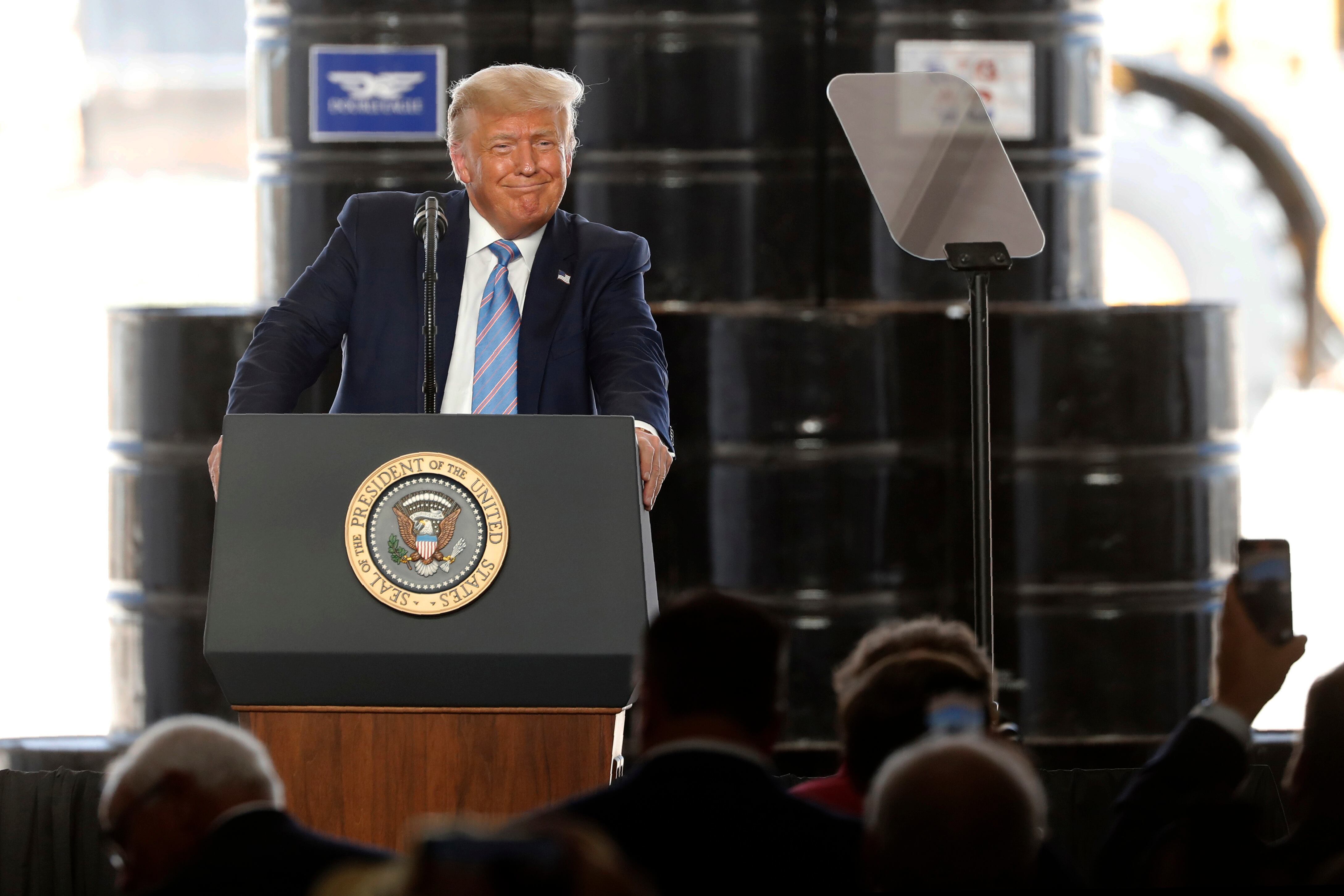
By Zeke Miller, Mark Sherman, and Colleen Long
Updated 10:11 am ET
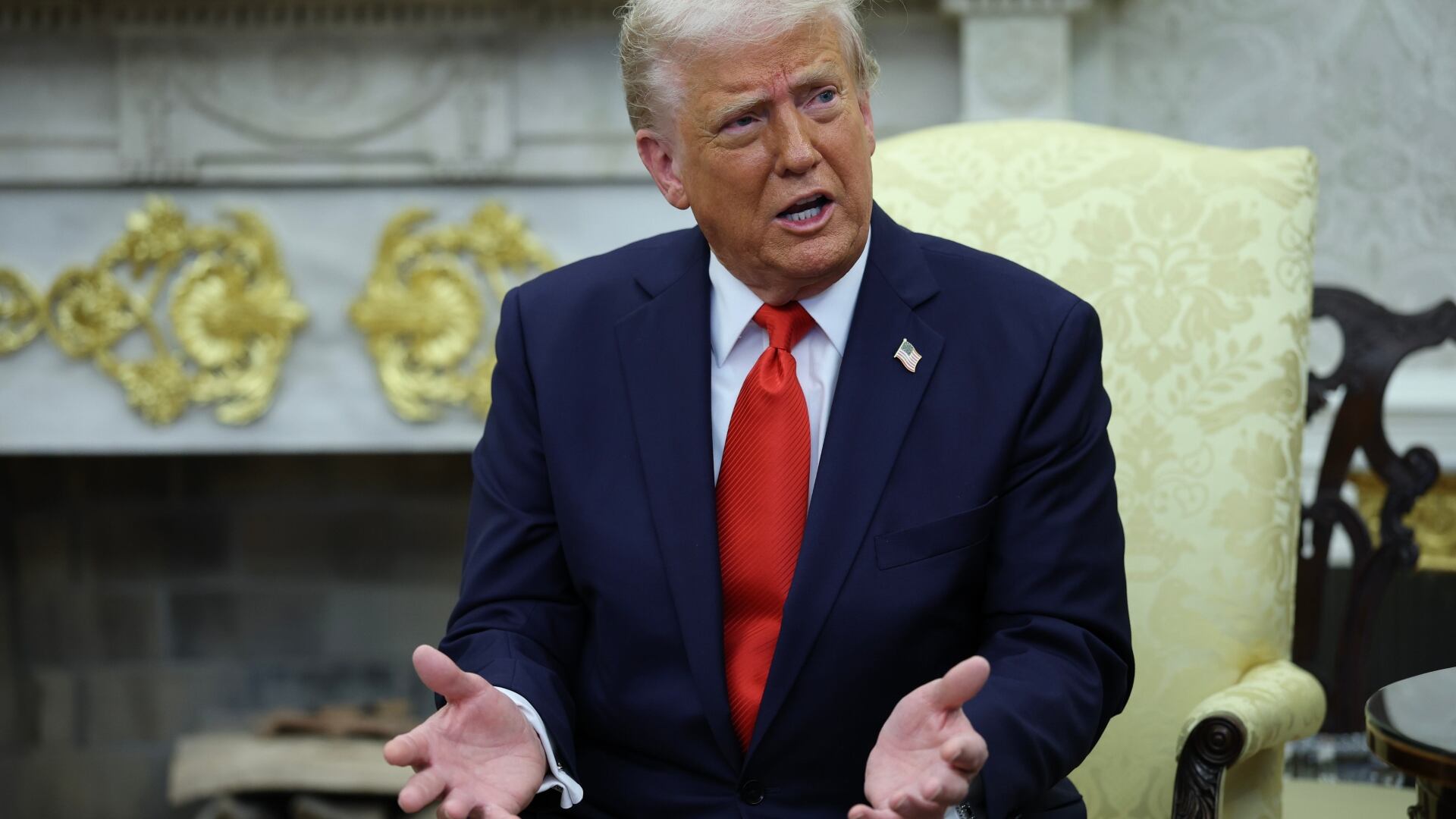
President Donald Trump is for the first time floating a "delay" to the Nov. 3 presidential election, as he makes unsubstantiated allegations that increased mail-in voting will result in fraud.
The dates of presidential elections — the Tuesday after the first Monday in November in every fourth year — are enshrined in federal law and would require an act of Congress to change. The Constitution makes no provisions for a delay to the Jan. 20, 2021 presidential inauguration.
Still, the mere suggestion of the delay was extraordinary in a nation that has held itself up as a beacon to the world for its history of peaceful transfer of power.
Trump tweeted Thursday: "With Universal Mail-In Voting (not Absentee Voting, which is good), 2020 will be the most INACCURATE & FRAUDULENT Election in history. It will be a great embarrassment to the USA. Delay the Election until people can properly, securely and safely vote???"
Trump's tweet came on a day of bad economic news and amid a dark political patch for his reelection effort.
The government reported Thursday that U.S. economy shrank at a dizzying 32.9 percent annual rate in the April-June quarter, by far the worst quarterly plunge ever, as the coronavirus outbreak shut down businesses, threw tens of millions out of work and sent unemployment surging to 14.7 percent.
And Trump trails in the polls, nationally and across battleground states, and some surveys even suggest traditionally Republican-leaning states could be in play. While Trump has come back before after trailing consistently in the polls throughout 2016, it's raised the possibility that he could face a landslide loss if he doesn't turn things around.
There is no evidence of widespread voter fraud through mail-in voting, even in states with all-mail votes. Five states already rely exclusively on mail-in ballots, and they say they have necessary safeguards in place to ensure that a hostile foreign actor doesn't disrupt the vote. Election security experts say that all forms of voter fraud are rare, including absentee balloting.
Trump has increasingly sought to cast doubt on November's election and the expected surge in mail-in and absentee voting as a result of the coronavirus pandemic. And Trump has called remote voting options the "biggest risk" to his reelection. His campaign and the Republican Party have sued to combat the practice, which was once a significant advantage for the GOP.
Trump refused in an interview just weeks ago with Fox News to commit to accept the results of the upcoming White House election, recalling a similar threat he made weeks before the 2016 vote.
"I have to see. Look ... I have to see," Trump told moderator Chris Wallace during a wide-ranging interview on "Fox News Sunday." "No, I'm not going to just say 'yes.' I'm not going to say 'no,' and I didn't last time, either."
Trump and many members of his administration have previously availed themselves of absentee voting, but Trump has sought to differentiate that from a growing push by states to mail all registered voters either ballots or absentee request forms.
Voters and public health officials have expressed concerns about the potential dangers for spreading the virus during in-person voting, and states have reported difficulty filling poll worker positions given the pandemic.
Last month, Trump told supporters in Arizona that "This will be, in my opinion, the most corrupt election in the history of our country."
There appears to be next-to-no appetite in the Capitol for a change to the Nov. 3 election. Democrats have pushed to includes billions of dollars in the next coronavirus relief bill to fund election security and accessibility improvements for this year's vote, but Trump and Republicans have so far resisted those efforts.
Just months ago, in April, Trump had ruled out the prospect of trying to change the election. "I never even thought of changing the date of the election," he said. "Why would I do that? November 3rd. It's a good number. No, I look forward to that election."
"I'm not thinking about it at all," he added. "Not at all."
Attorney General William Barr, speaking to a House committee earlier this week, claimed there was "a high risk" that mail-in voting would lead to "massive" fraud. He said he had no "reason to think" the upcoming election would be rigged. But he said he believed "if you have wholesale mail-in voting, it substantially increases the risk of fraud."
Rep. Cedric Richmond, D.-La., asked Barr at the hearing whether a sitting U.S. president could move the election date. Barr responded: "Actually, I haven't looked into that question under the Constitution."
—-
AP writer Emily Swanson contributed.