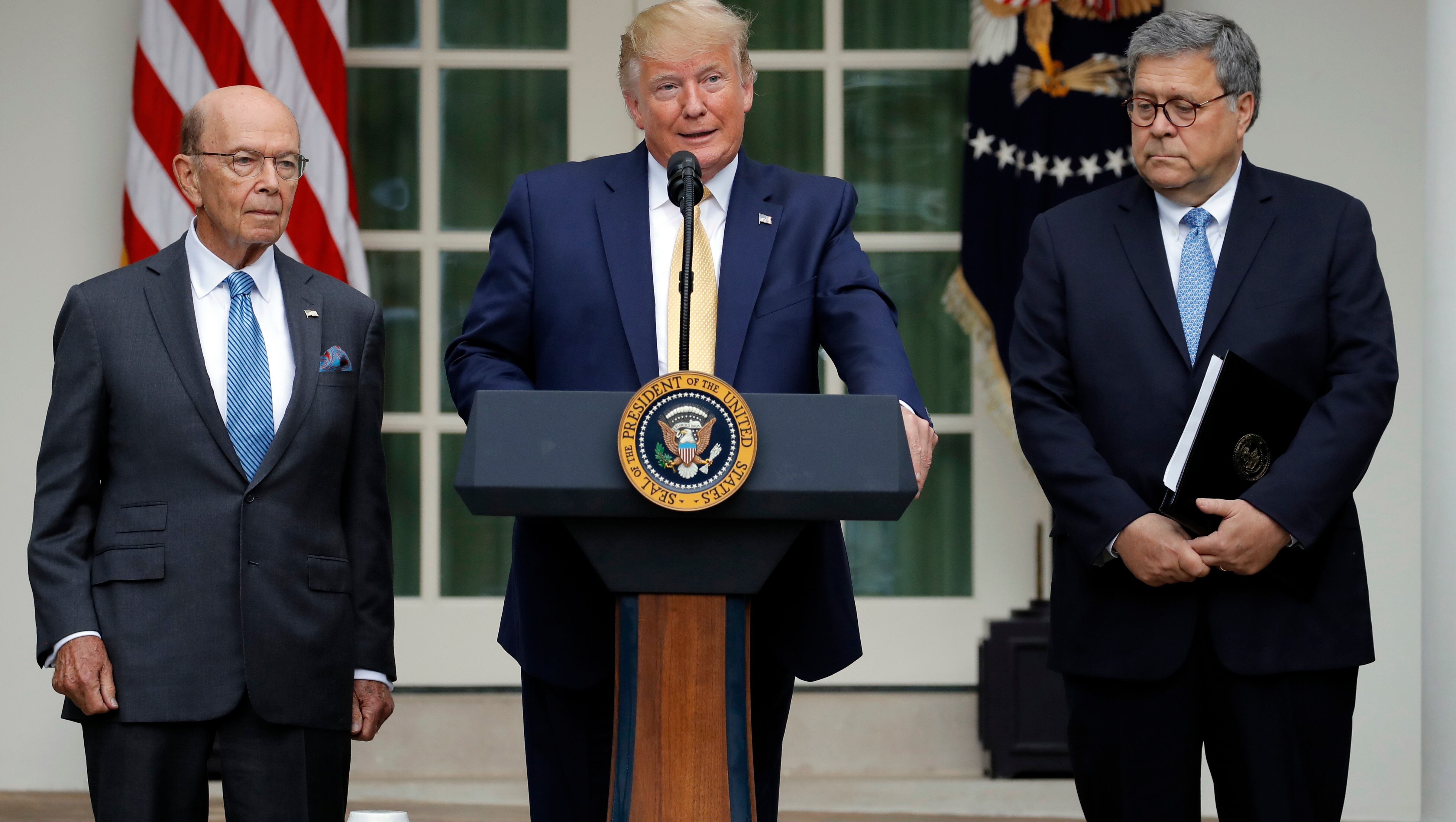
President Donald Trump abandoned his administration's pursuit to add a citizenship question to the 2020 census, but through an executive order demanded that all government agencies compile and disclose existing data on citizenship.
“I am hereby ordering every department and agency in the federal government to provide the Department of Commerce with all requested records regarding the number of citizens and non-citizens in our country,” Trump said on Thursday from the White House Rose Garden. “We will leave no stone unturned.”
The administration changed course just a week after saying it would continue its fight to include the citizenship question on the census, although it had been blocked by the Supreme Court in June.
At first, the White House had appeared to accept the Supreme Court’s decision and ordered the 2020 census to be printed without the controversial question: "Is this person a citizen of the United States?"
Yet in a whiplash-inducing turnaround, which seemed to be prompted by a tweet from Trump, the Justice Department later said it would pursue alternative legal avenues to add the question. The department even attempted to replace its legal team on the census-related cases — a request that was denied in federal court.
The government provided “no reasons, let alone satisfactory reasons” for the team change, U.S. District Judge Jesse Furman wrote in his decision, adding that “urgency — and the need for efficient judicial proceedings — has only grown” regarding the issue.
As recently as Tuesday, Attorney General William Barr told reporters that the administration was still pursuing a legal strategy that would “provide a pathway” for the question’s inclusion on the census.
Yet speaking after Trump on Thursday, Barr said that “as a practical matter, the Supreme Court decision closed all paths to adding the question to the 2020 census.”
He added that although a new rationale for the citizenship question’s inclusion would “ultimately survive legal review,” the government chose to obtain the data through an executive order to ensure the census is completed in a timely manner.
"This is a welcome reprieve of [Trump's] partisan agenda, and a win for all communities," Vanita Gupta, president and CEO of the civil rights group The Leadership Conference Education Fund, said in a statement. "Trump's remarks were pure propaganda and a continuation of his lies. His attempt to save face is just a repackaging of what the government already does through administrative records."
Critics of the citizenship question were quick to respond to the announcement on social media.
New York Attorney General Letitia James, who was the lead plaintiff in the Supreme Court case, said that "reason has finally prevailed" and that the decision will at "long last allow us to put this national nightmare behind us & ensure all people are counted."
"It’s official. There will be NO citizenship question on the 2020 census. It’s over. We won," Dale Ho, the director of the ACLU's Voting Rights Project, said on Twitter.
In 2018, when the administration first announced plans to include a citizenship question, several advocacy groups and a coalition of states filed lawsuits to block it, claiming it would suppress responses from immigrant communities. Opponents also argued that the Republican-led proposal was pursued to primarily stifle minority populations — which are often centered in urban, Democratic districts — to give more influence to rural areas.
“It is a means by which the administration can guarantee white, Republican rule for the next generation or so,” Aderson Francois, a law professor at Georgetown University, told Cheddar.
The concern was borne out after memos from a Republican strategist emerged during court proceedings that said the question should be added to benefit “Republicans and Non-Hispanic Whites.”
Trump said, however, that the data on citizenship is “vital for formulating sound public policy” and claimed that critics of the inquiry “are not proud to be U.S citizens.
Yet advocacy groups, such as the ACLU, have already said they will challenge the executive order in court.
"While Trump backing down is a victory, our fight is far from over," Tom Perez, the chairman of the Democratic National Committee, said on Twitter.
Trump and Barr, who spoke alongside Commerce Secretary Wilbur Ross, did not take questions from the press.
As the U.S. comes up on the first anniversary of the January 6 insurrection.,A.C. Thompson, investigative reporter at ProPublica, joined Cheddar's Baker Machado to discuss updates to American Insurrection by FRONTLINE, ProPublica and Berkeley Journalism’s Investigative Reporting Program. The documentary investigates the attack on the Capitol touched off by the lie that the presidential election was stolen from Donald Trump but with new information gleaned since the event including interviews with lawmakers and law enforcement and the evolution of groups like the Boogaloo Boys and the Proud Boys behind the attack. "In some ways those groups that were kind of the vanguard of January 6 are maybe no longer relevant because their message is everywhere," he said.
A new report from ProPublica and the Washington Post found that Facebook Groups played a major role in the spread of misinformation linked to the January 6 insurrection with more than 650,000 posts claiming that Joe Biden's election victory was illegitimate.
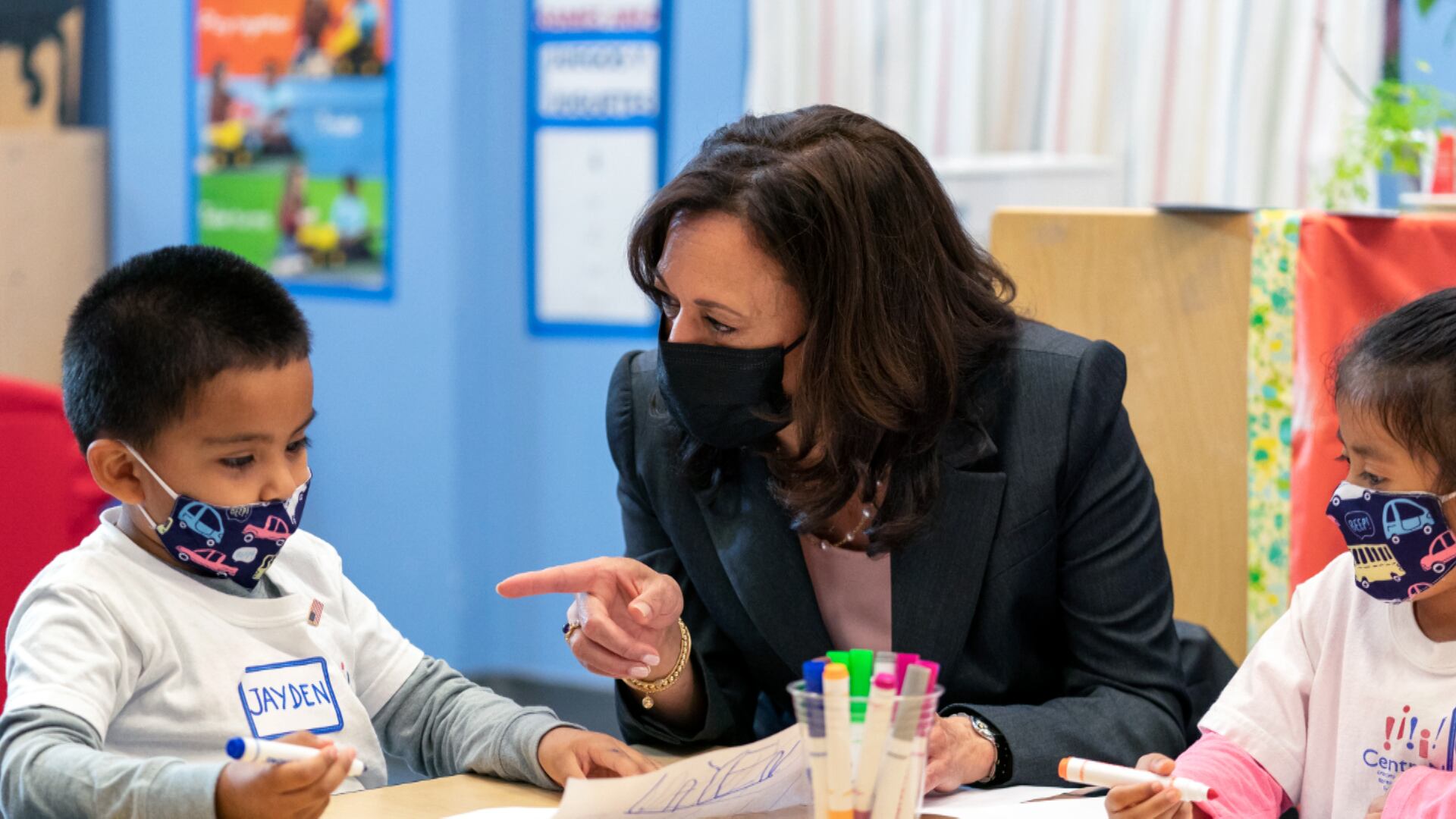
Millions of Americans with young children have relied on the child tax credit since the federal government began issuing checks in July 2021. The last round of payments was sent out just before the Christmas holiday — at the same time as the omicron variant surged. Leah Hamilton, associate professor of social work at Appalachian State University, joined Cheddar to discuss what the end to the tax credit means as the U.S. sees the end of many relief programs and its highest number of COVID cases since the start of the pandemic. "It'll become harder for families to meet their basic needs, increasing national childhood poverty rates and the proportion of families who have difficulty putting food on the table, maintaining stable housing, and paying their bills," Hamilton said. She also pointed to research that the credit as a long-term investment in children offsets claims that it contributes to macroeconomic impacts like inflation.
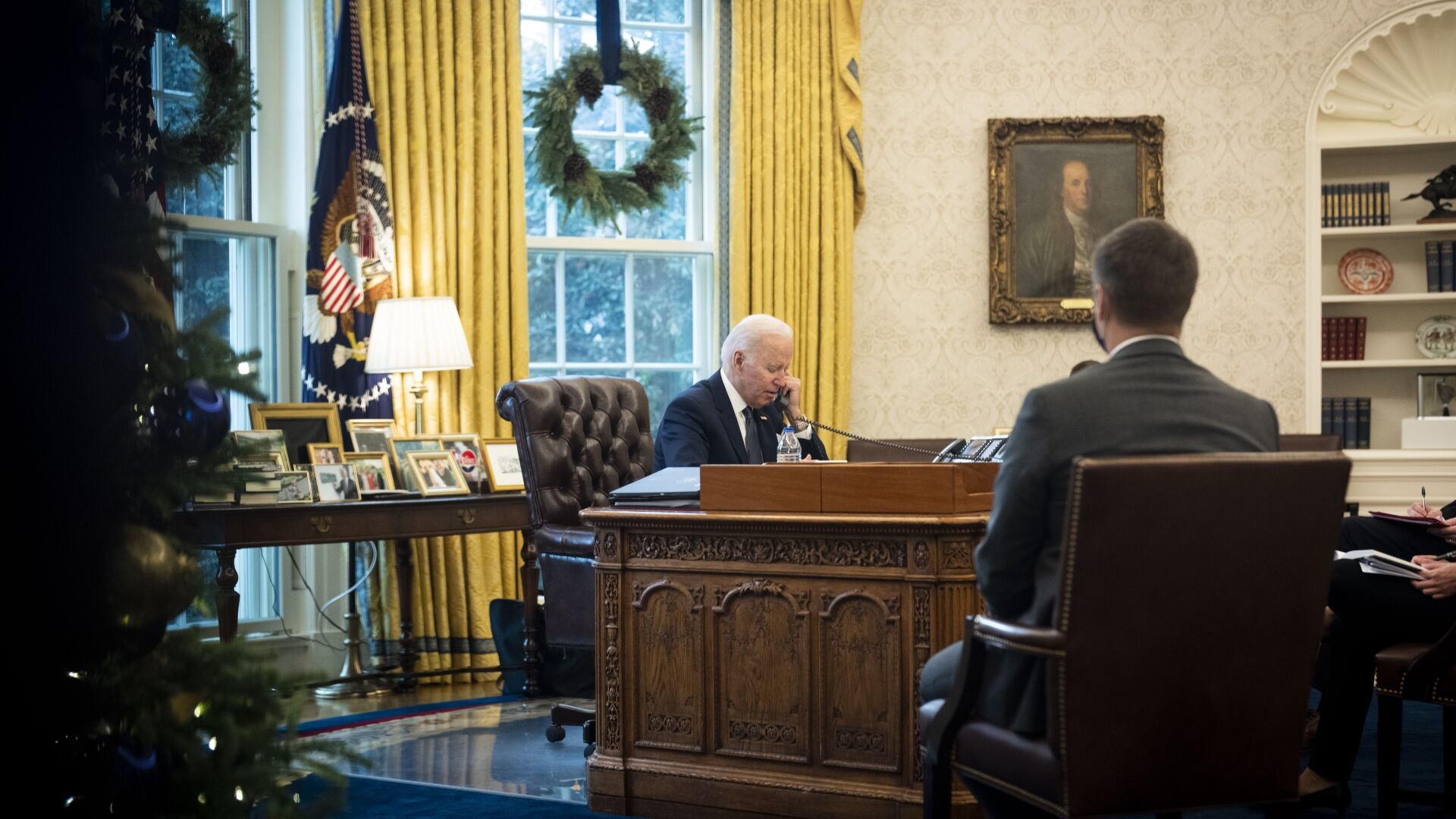
U.S. President Joe Biden spoke with Ukrainian President Volodymyr Zelensky over the week-end, just days after he spoke with Russian President Vladimir Putin. The call comes as Washington prepares to meet with Moscow on January 10, as tensions mount over Russia's military build up near its border with Ukraine. Cheddar News speaks with Mustafa Tameez, a former advisor to the U.S. Department of Homeland Security, about the issue.
Several Silicon Valley insiders are being accused of contorting a 1990s-era tax break to avoid taxes on millions of dollars of investment profits. The tax break is known as the qualified small business stock exemption, and it allows early investors in certain companies to avoid half of the taxes on up to $10 million in capital gains. A piece recently published in the New York Times says venture capital firms like Andreessen Horowitz replicated the tax exemption by giving shares of companies to friends and family, who would otherwise face a 23.8% capital gains bill. The CEO of Roblox is also accused of replicating the tax break for his family members at least 12 times. Although the loophole known as 'stacking' is considered to be legal, the Times piece implies that the exemption has been manipulated for the ultra-wealthy to become more wealthy. Greycroft co-founder and Chairman Emeritus Alan Patricof joins Cheddar News' Closing Bell to discuss.
Chris Sommerfeldt, City Hall reporter for the New York Daily News, joins Cheddar News' Closing Bell, where he discusses both the wins and losses of Bill de Blasio's eight years as New York City Mayor.
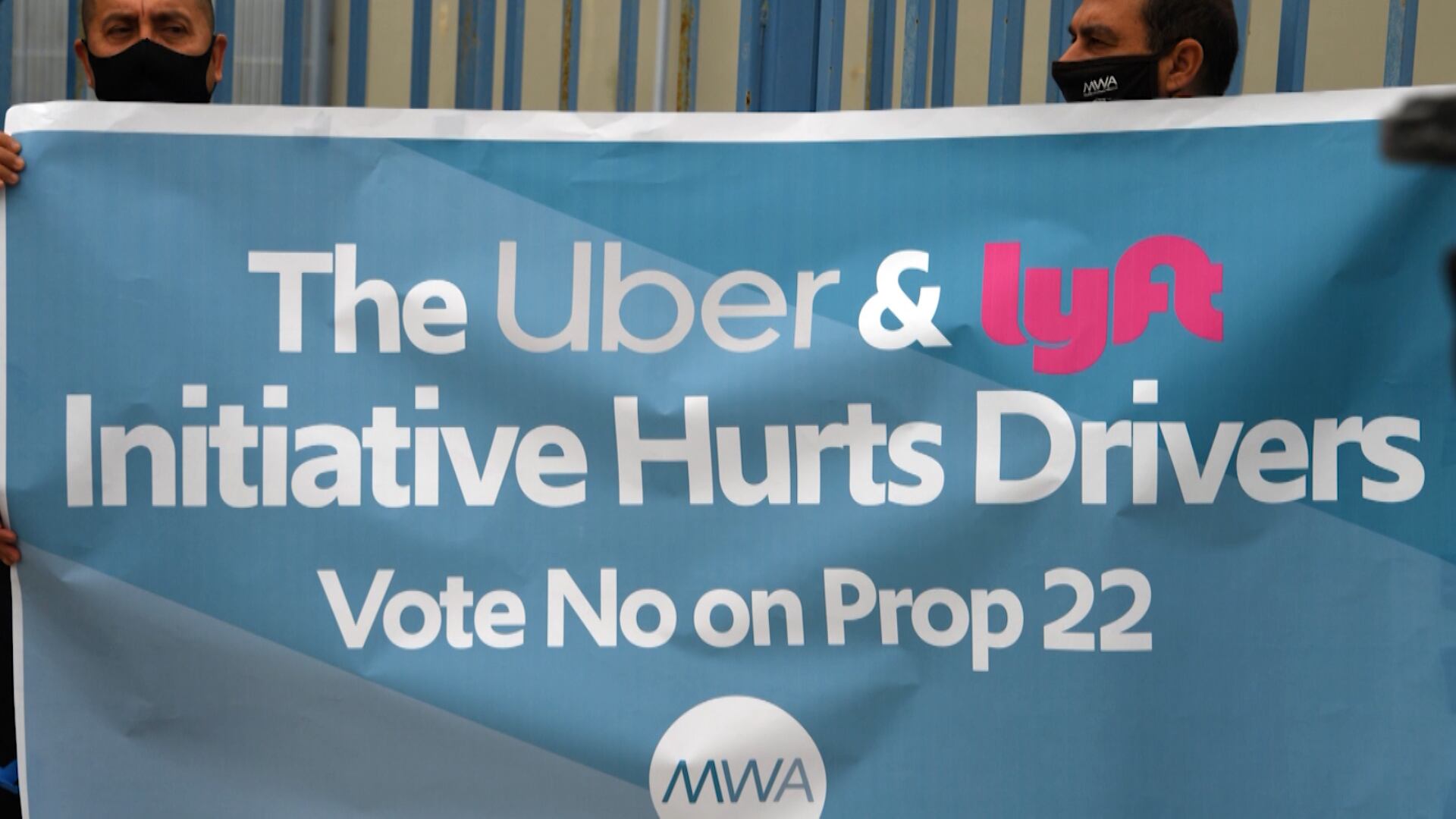
The push to regulate the gig worker economy is gaining steam as the share of workers who participate in freelancing through businesses like Uber and Lyft have also exponentially grown during the pandemic. Employment attorney Mark Kluger, founding partner at Kluger Healey, LLC, joined Cheddar to break down how the battle to reclassify gig workers will continue in the new year, and why the issue continues to generate conflict. "More and more workers are using gig work as their primary source of income and as a result of that they are not like employees in the sense that they don't have benefits like health insurance," Kluger noted.