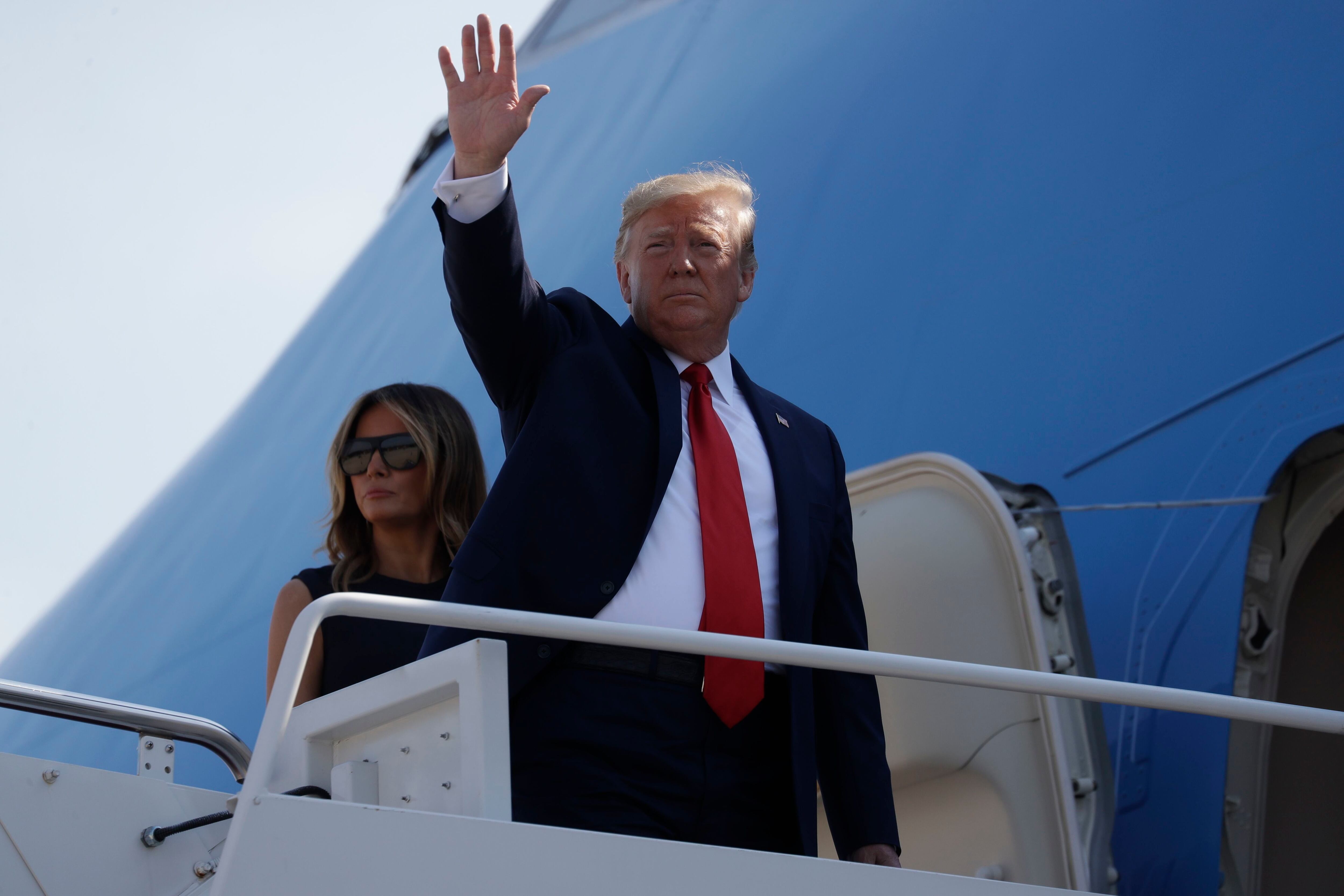
President Trump is scheduled to visit El Paso, Texas and Dayton, Ohio on Wednesday, two cities grieving after separate mass shootings killed at least 31 people over the weekend.
The visits are a “terrific opportunity to congratulate” local police and law enforcement, Trump told reporters as he left the White House.
The president’s visits, however, have created an atmosphere of angst, with some residents and lawmakers in both cities condemning Trump’s refusal to support stricter gun control measures and his divisive leadership.
“His rhetoric has been painful for many in our community and I think the people should stand up and say they’re not happy, if they’re not happy that he is coming,” Mayor Nan Whaley of Dayton, a Democrat, told reporters on Tuesday.
In the early hours of Sunday morning, a gunman killed nine people, including his younger sister, in an entertainment district of the western Ohio city.
The mood is also unnerved in El Paso, where at least 22 people were killed on Saturday by a white supremacist terrorist at a Walmart. In a racist manifesto believed to be from the suspect, which mirrored rhetoric used by Trump when speaking about immigrants, the shooter said he was specifically targeting Hispanics to stop their "invasion of Texas."
“I think my rhetoric brings people together,” Trump said on Wednesday in response to a question about the gunman parroting his language, adding that he is concerned about hate groups, “whether it’s white supremacy or any other kind of supremacy."
The Republican Mayor of El Paso, Dee Margo, said on Tuesday that he did not want Trump's visit to become political, but that he would "challenge any harmful and inaccurate statements" made about the city. Margo publically challenged the president after a February rally in El Paso where Trump said that murders committed by undocumented immigrants plagued the city.
Democratic state Rep. César Blanco, who represents El Paso in Austin, told Cheddar earlier this week that Trump’s “hateful anti-Latino, anti-immigrant” rhetoric created the fraught atmosphere at the border that led to the Walmart shooting.
“Everybody has it in their power to be a force to bring people together, and everybody has it in their power to be a force to bring people apart. That is up to the president of the United States,” Whaley added on Tuesday.
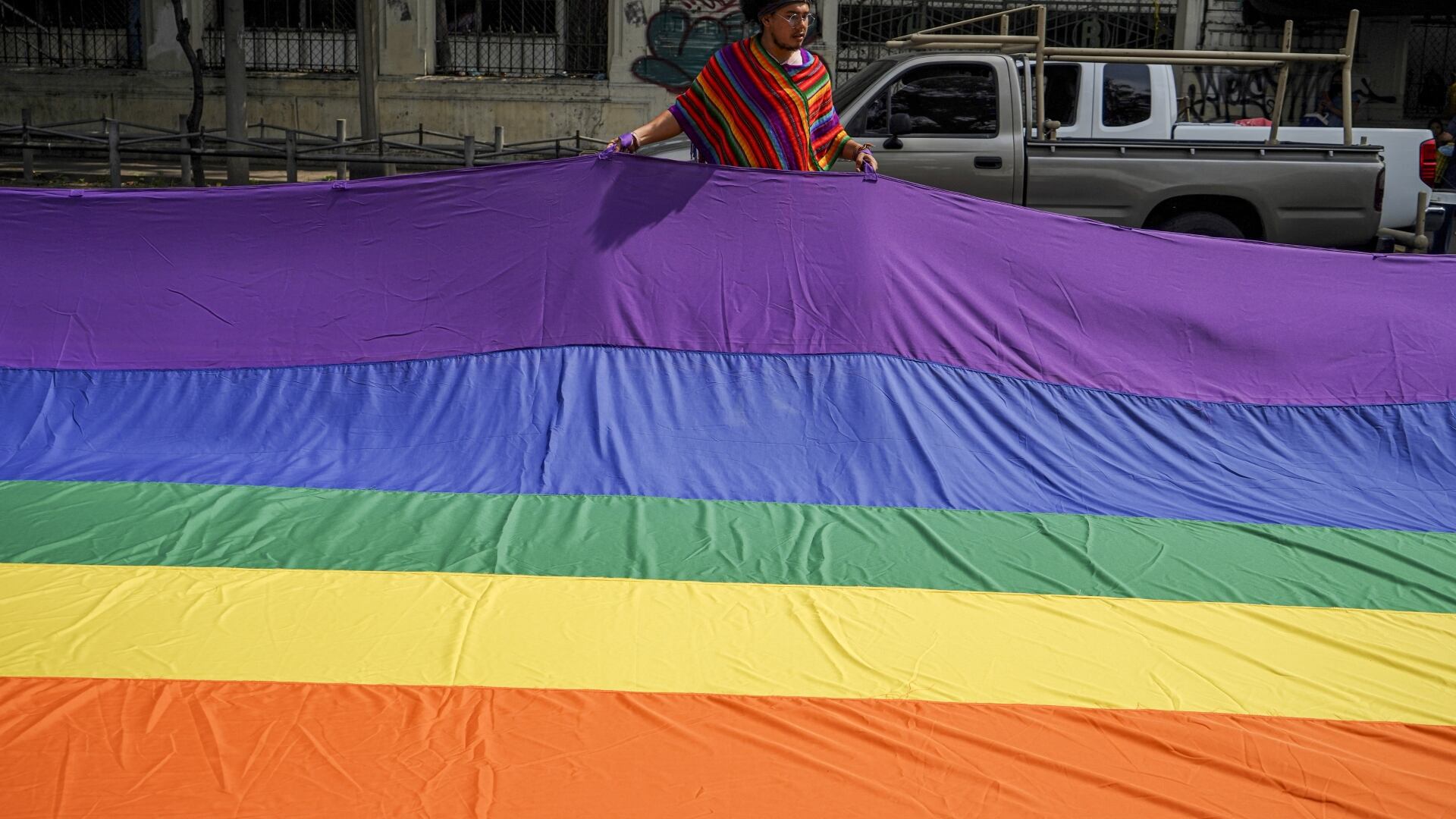
Liana Guzmán, CEO of FOLX Health, joins Cheddar News to discuss the company launching billboards across the country in response to anti-LGBTQ+ legislation.
President Biden has announced an additional $800 million in military assistance to Ukraine, including artillery, armored personnel carriers, and helicopters. It comes as Russian forces appear to be preparing for a new, aggressive offensive in the eastern part of Ukraine. Paul McLeary, defense reporter for Politico, joined Cheddar to discuss this new round of aid and what it means for the U.S. commitment to arming the embattled country.
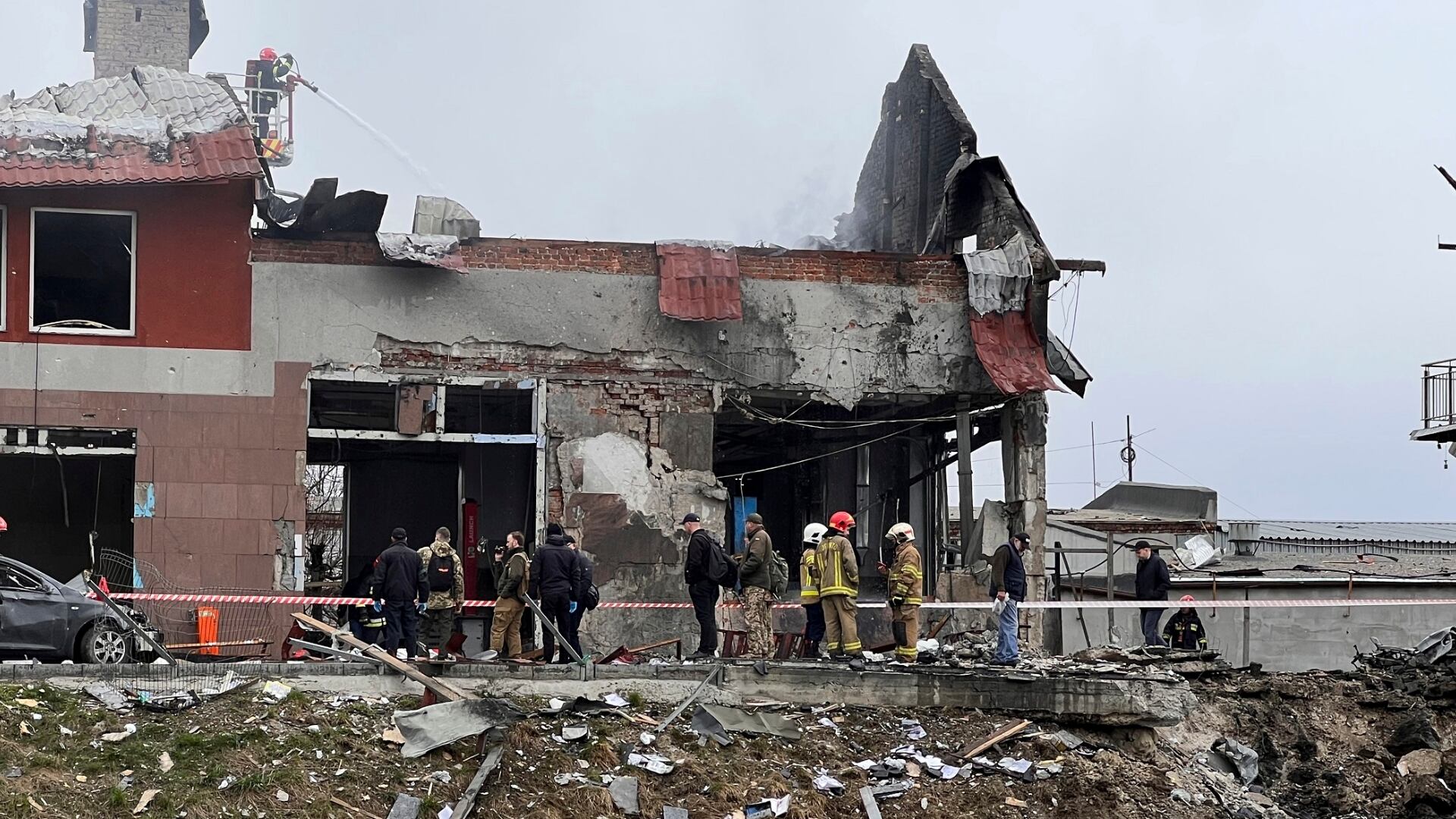
Catching you up on what you need to know on April 18, 2022, with Russian missile attacks on the Ukrainian city of Lviv killing seven, mass shootings in South Carolina and Pittsburgh, Lucky Charms cereal under official investigation by the FDA, and more.
Activism is growing around the country in response to school boards banning books from shelves that focus on sexuality, gender, identity, or race. Jen Cousins, co-founder of The Florida Freedom to Read Project, joins Cheddar News to discuss.
As the Russian invasion of Ukraine intensifies, President Biden has announced a ban on importing Russian oil, gas, and energy. To discuss how this ban will impact the war and Americans, Amir Handjani, non-resident fellow at Quincy Institute, joins Cheddar News.
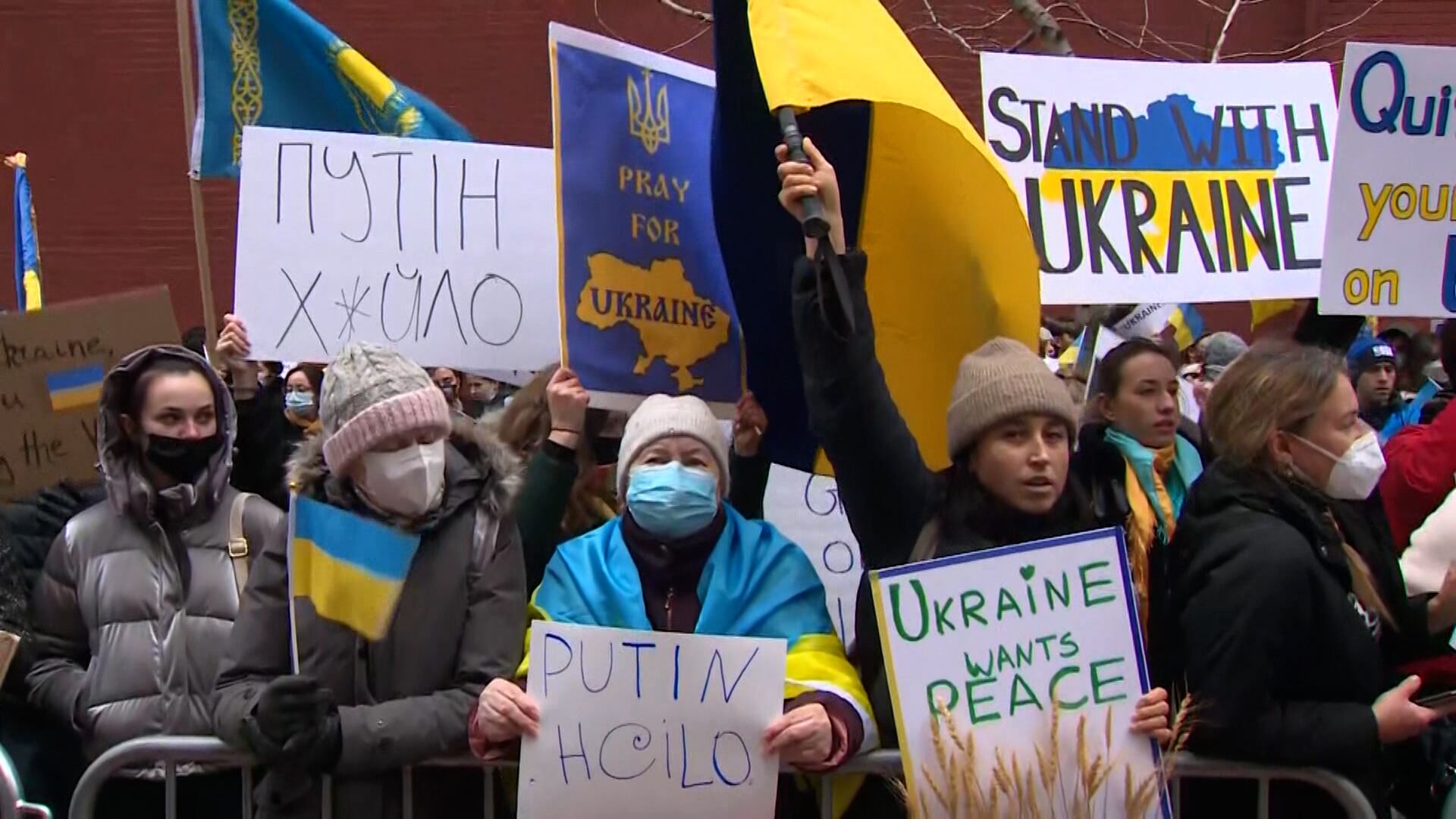
Thousands of protesters around the world are expressing their solidarity with Ukraine against Russia's invasion.
Jason Beardsley, national executive director of the Association of the U.S. Navy and national security expert, joins Cheddar News to discuss.
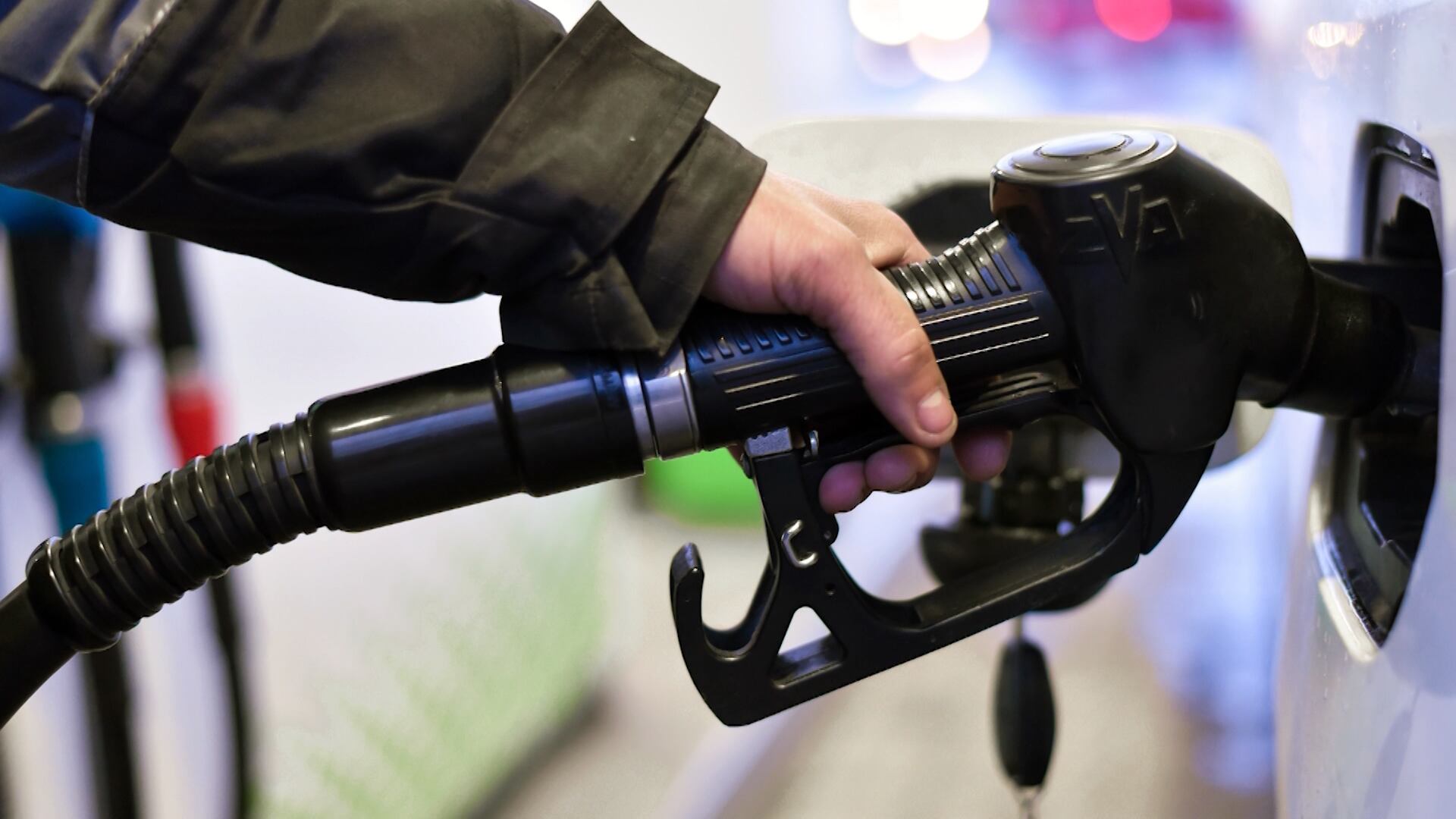
As gas prices surge amid the Russian invasion of Ukraine, other nations could potentially transition faster to using clean energy than previously expected. Philip K. Verleger, a senior fellow at the Niskanen Center, joined Cheddar News to explain how this could be a possibility in the near future. "Part of the reason I think we have this invasion and the tantrum that's being thrown by Russia, terrible tantrum, is because the Russians were trying to slow down the transition," he said. "Ironically they speeded it up."
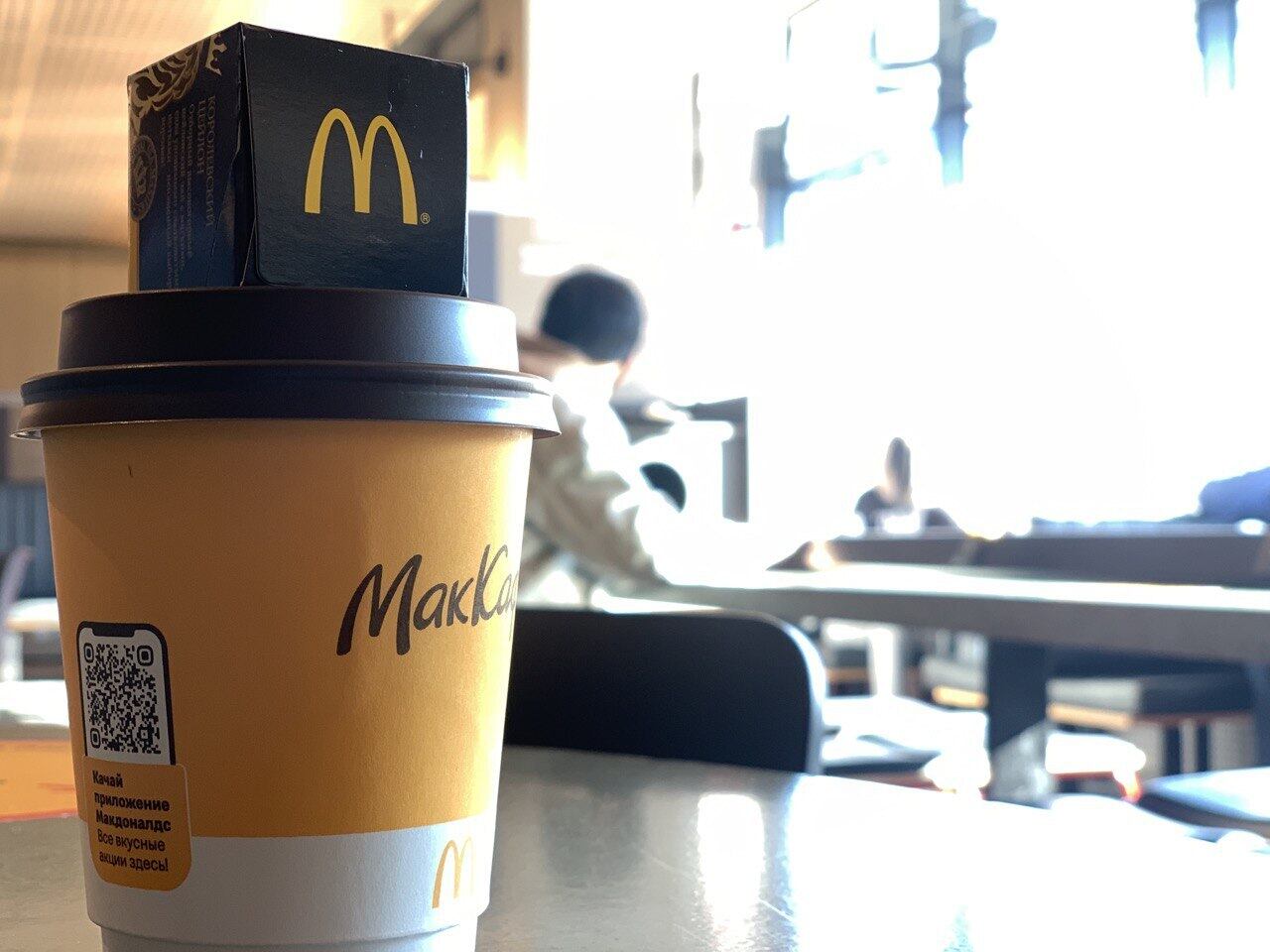
Following the invasion of Ukraine, a multitude of Western companies have paused doing business with Russia. PepsiCo, Coca-Cola, McDonald's, and Starbucks are the most recent companies to temporarily cease operations in Russia. Dean of Miami Herbert Business School at the University of Miami, John Quelch, joined Cheddar News to discuss what message this sends to Russia and the Russian consumer. “I would not underestimate the collective strength of all of these multinational companies, essentially coming together to make their collective statement in support of the political statements that have come out of Washington," he said.
The war in Ukraine continues to reveal heartbreaking gut-wrenching stories. The war in itself is not only devastating but also expensive. Experts estimate that Russia is draining nearly $20 million dollars each day to continue occupying and invading Ukraine. All this could force the country to turn to cryptocurrencies. It's a major turn for the country that briefly considered outlined digital assets entirely, but it could also have serious implications for cryptos. Managing Director at Quantum Fintech Group, Harry Yeh, joined Cheddar to discuss more.