By Zeke Miller and Mike Stobbe
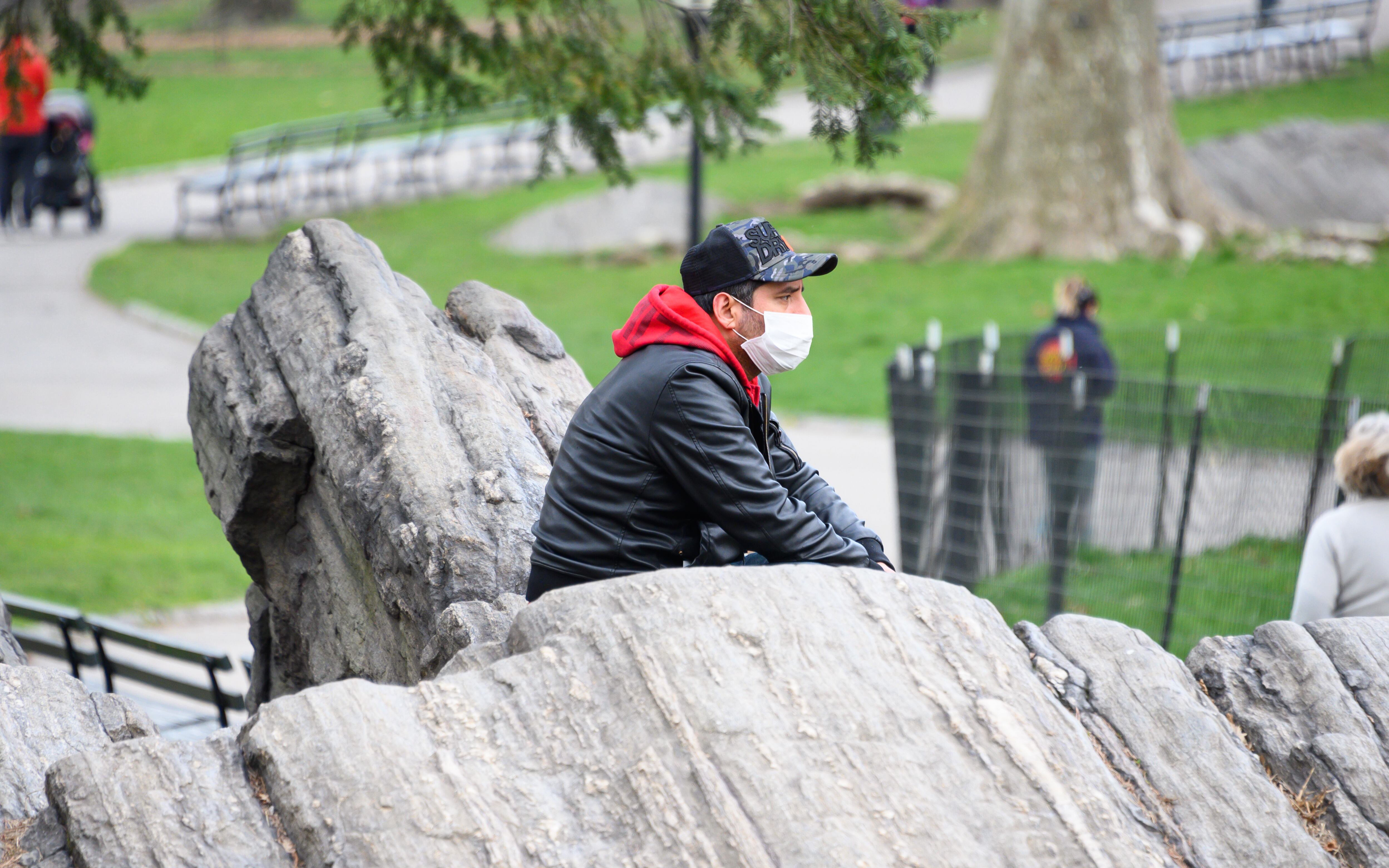
The Trump administration is formalizing new guidance to recommend that many Americans wear face coverings in an effort to slow the spread of the new coronavirus, as the president is aggressively defending his response to the public health crisis.
The recommendations, still being finalized Thursday, were expected to apply to those who live in areas hard-hit by community transmission of the virus that causes COVID-19. A person familiar with the White House coronavirus task force's discussion said officials would suggest that non-medical masks, T-shirts or bandannas be used to cover the nose and mouth when outside the home — for instance, at the grocery store or pharmacy. Medical-grade masks, particularly short-in-supply N95 masks, would be reserved for those dealing directly with the sick.
The person spoke on condition of anonymity to discuss the proposed guidance before its public release.
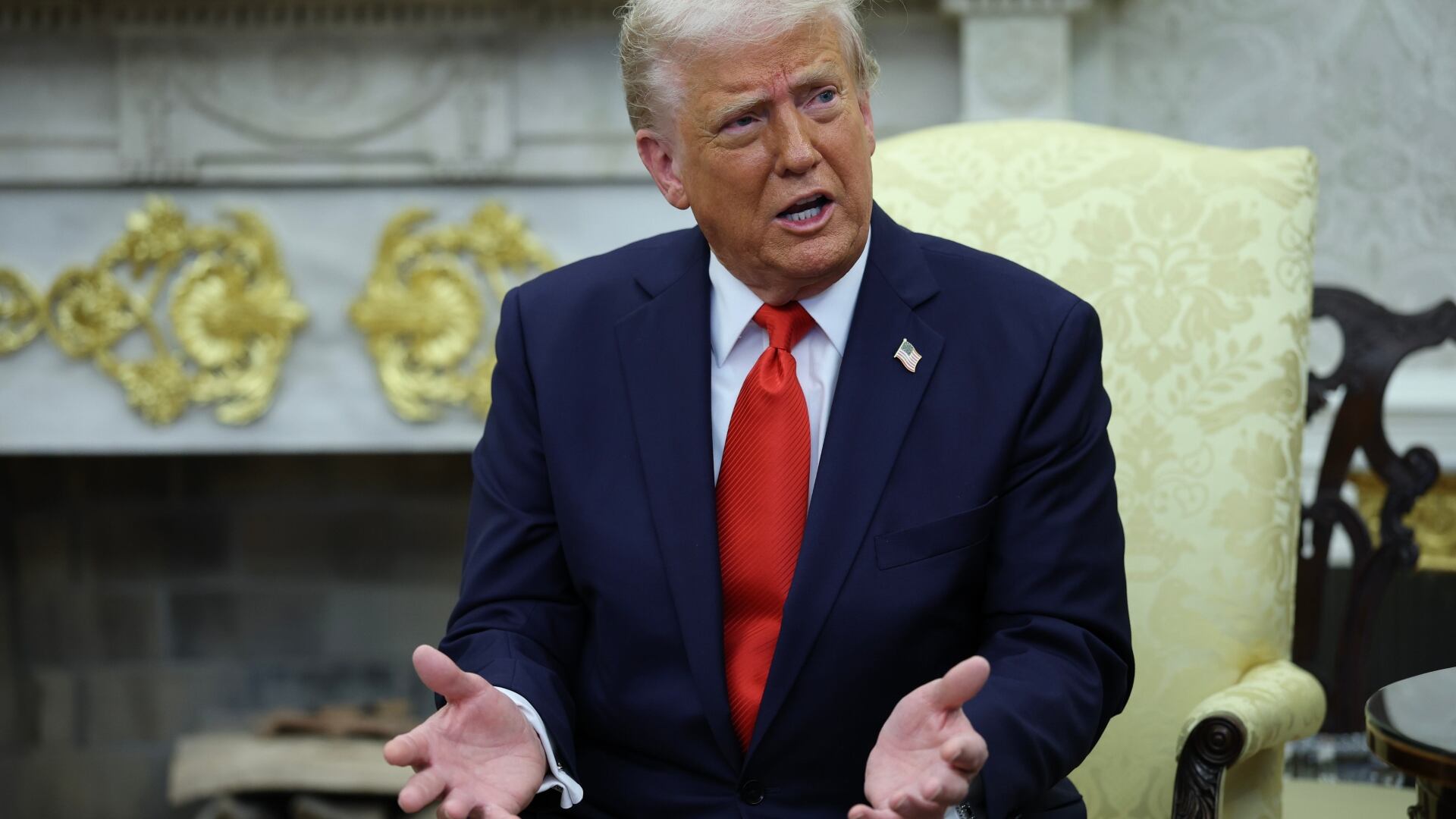
President Donald Trump, who was tested again for coronavirus Thursday using a new rapid test, indicated he would support such a recommendation. “If people wanted to wear them, they can," he said.
“It’s not a bad idea, at least for a period of time,” Trump had said earlier in the week.
The White House said Trump's latest test returned a negative result in 15 minutes, and said Trump was “healthy and without symptoms.”
Dr. Deborah Birx, the task force's coordinator, told reporters the White House was concerned that the mask guidance would lead to a “false sense of security” for Americans. She said new data show that the administration's social-distancing guidelines were not being followed to the extent necessary to keep virus-related deaths to a minimum.
The discussions on face masks came as the White House moved aggressively to defend its handling of the coronavirus pandemic, particularly its efforts to speed the distribution of ventilators and protective equipment needed by medical professionals.
Trump sent a politically tinged letter to Senate Democratic leader Chuck Schumer of New York objecting to his criticism of the administration’s response. “The Federal Government is merely a back-up for state governments,” Trump wrote. “Unfortunately, your state needed far more of a back-up than most others.”
Trump said states should have done more to stockpile medical supplies before the pandemic.
Vice President Mike Pence also announced Thursday that the White House was considering direct payments to hospitals to cover COVID-19 treatment costs for uninsured Americans.
The emerging guidance on masks appeared to be more limited than a Centers for Disease Control and Prevention draft of the guidance, which suggested the recommendation apply to nearly all Americans, all over the country, according to a federal official who has seen the draft but was not authorized to discuss it.
Officials were expected to limit its geographic scope to just those areas where the virus was spreading rapidly, the official said. The formal announcement was expected as soon as Friday.
Under the previous guidance, only the sick or those at high risk of complications from the respiratory illness were advised to wear masks. The new proposal was driven by research showing that some infections are being spread by people who seem to be healthy.
On Wednesday, Eric Garcetti, the mayor of Los Angeles, urged his city's 4 million residents to wear masks when they’re in public. On Thursday, New York City Mayor Bill de Blasio followed suit in his city, the epicenter of the virus' spread in the U.S.
In response to recent studies, the CDC on Wednesday changed how it was defining the risk of infection for Americans. It essentially says anyone may be a considered a carrier, whether they have symptoms or not.
The virus spreads mostly through droplets from coughs or sneezes, though experts stress that the germ is still not fully understood.
U.S. officials have been telling people to stay at home as much as possible, and keep at least 6 feet (2 meters) away from others when they do go out. Other advice includes frequent hand washing and not touching your face.
But until now federal officials have stopped short of telling people to cover their faces out in public.
Scientists can’t rule out that infected people sometimes exhale COVID-19 virus particles, rather than just when coughing or sneezing, but there isn’t enough evidence to show if that can cause infection, according to a committee convened by the National Academies of Sciences, Engineering and Medicine to advise the White House.
The question has to do with whether the new coronavirus spreads mostly by droplets that don’t linger for long in the air, or also by tinier “aerosolized” particles. Certain medical procedures, such as inserting breathing tubes, can create those tiny particles, which is why health care workers wear close-fitting N95 masks during such care.
The committee cited one study that detected airborne viral RNA in and just outside some hospital isolation rooms, but noted that it was unclear if that could infect someone.
U.S. Surgeon General Dr. Jerome Adams has repeatedly admonished Americans not to wear face masks, saying they don’t prevent the people who wear them from catching the virus. He and other officials have stressed that surgical face masks and other protective medical equipment have been in short supply and must be prioritized for people such as health-care workers.
The World Health Organization on Monday reiterated its advice that the general population doesn’t need to wear masks unless they’re sick. Since the epidemic began in China, the WHO has said masks are for the sick and people caring for them.
“There is no specific evidence to suggest that the wearing of masks by the mass population has any particular benefit," WHO’s epidemic chief Dr. Mike Ryan said during a news conference. "In fact, there’s some evidence to suggest the opposite,” he added, noting risks from an improperly fitted mask or improperly putting it on or taking it off.
That’s in addition to the problem that health care workers who do need masks are facing “a massive global shortage,” Ryan said. “The thought of them not having masks is horrific, so we have to be very careful on supply, but that is not the primary reason why WHO has advised against using masks.”
Many people have taken it upon themselves to make their own masks, but one North Carolina health system found that such DIY products vary in how well they work. Wake Forest Baptist Health doctors and scientists tested 13 different designs made by community volunteers. They found that some were better at filtering than off-the-shelf surgical masks but others were barely better than wearing no mask at all.
Separately, a 2013 study tested whether homemade masks might help during a flu pandemic. It found surgical masks were three times more effective in catching droplets from coughing people than masks made from cotton T-shirts, though it’s not clear if the new coronavirus behaves exactly like flu viruses.
___
Stobbe reported from New York. AP writer Lauran Neergaard contributed.