Trailers don’t provide the viral marketing the studios believe they do
By Grant Keller
19 october 2018 - Los Angeles, California. USA: Hollywood Sign between Palm trees from central Los Angeles
It’s December 18th, and I am standing in line at the IMAX at my local AMC waiting to be let in for the first public screening of “Avatar: Fire and Ash.” I’ve waited three years for this movie, and the last hour is killing me.
Once I’m seated the trailers begin. 28 minutes and counting. The Odyssey IMAX preview ends, we go through the slew of Disney trailers, and hit the AMC bumpers. First I’m told how “light is our hero”, then I see a Coca-Cola dance battle get a couple together before Nicole Kidman finally appears.
I sigh in relief. It’s movie time.
Except… it isn’t.
The green banner trailer approval sign appears. What’s going on?
It’s “The Avengers: Doomsday” trailer. Ugh.
My “ugh” has nothing to do with the trailer itself or the film it’s promoting, it has everything to do with the pomp and circumstance I had to view this advertisement with. I just had to endure nearly a half hour of trailers, why wasn’t this included there?
The answer is the same reason the “Supergirl” trailer was screened for the press and introduced by DC Studios co-CEOs James Gunn and Peter Safran, director Craig Gillespie, and star Milly Alcock at an actual event in New York City. This type of viral marketing is a way the studio attempts to drum up excitement for the movie in a way footage from the films can’t. Influencers tell their viewers why they need to be there opening night. But unless you are already deep in the fandom for these things, this type of marketing and behavior pushes viewers away.
If studios want to do viral marketing right, they should look to what A24 and Timothée Chalamet did with “Marty Supreme”. Instead of making the trailer an event, they made the movie the event, making it already one of the studio’s highest grossing films ever thanks to their various stunts from the movie star appearing atop The Sphere in Las Vegas, the launching of a clothing line and blimp, all leading into the mantra “Marty Supreme Christmas Day,” with no film footage required.
James Gallagher, CEO and Co-Founder of GreenLite, discusses the challenges of rebuilding the fire-affected LA area and how permitting complicates the process.
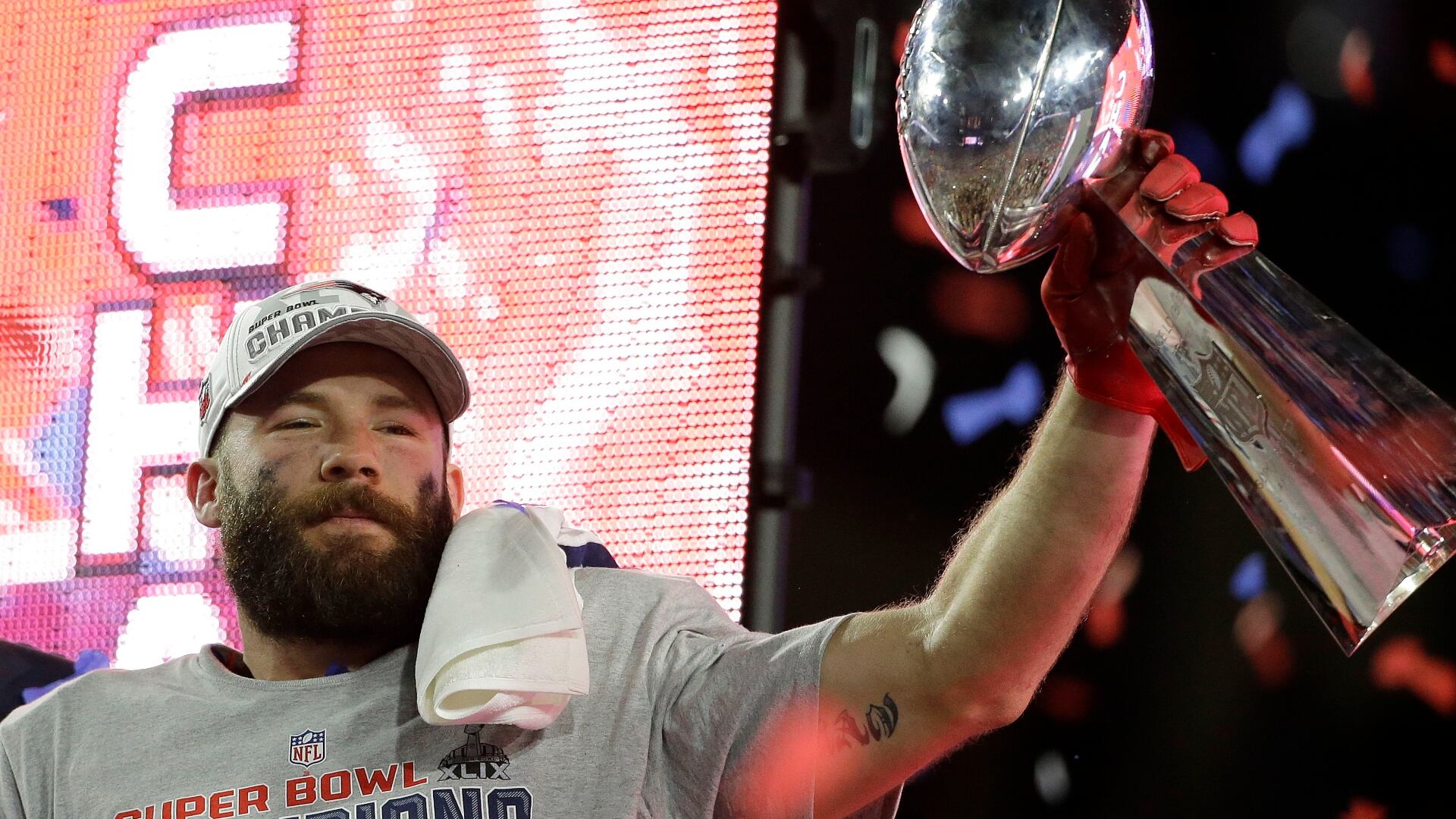
Super Bowl Champion, Julian Edelman, talks Chiefs' conspiracies, his fave TSwift song and his bet for Super Bowl LIX. Plus, the best time for a bathroom break.
Ron Hammond, Sr. Director of Government Relations at the Blockchain Association, breaks down Trump’s plan to strengthen U.S. leadership in financial technology.
BiggerPockets Money podcast is now available on Cheddar Wednesdays at 10am ET! Mindy Jensen shares how her podcast is helping people gain financial freedom.
The social video platform's future remains in doubt, as players scramble to profit from the chaos. Plus: Big oil gets bigger, DOGE downsizes, and tariffs!
Ty Young, CEO of Ty J. Young Wealth Management, joins Cheddar to discuss Trump's moves as he returns to Washington D.C. and how it may affect the U.S. economy.
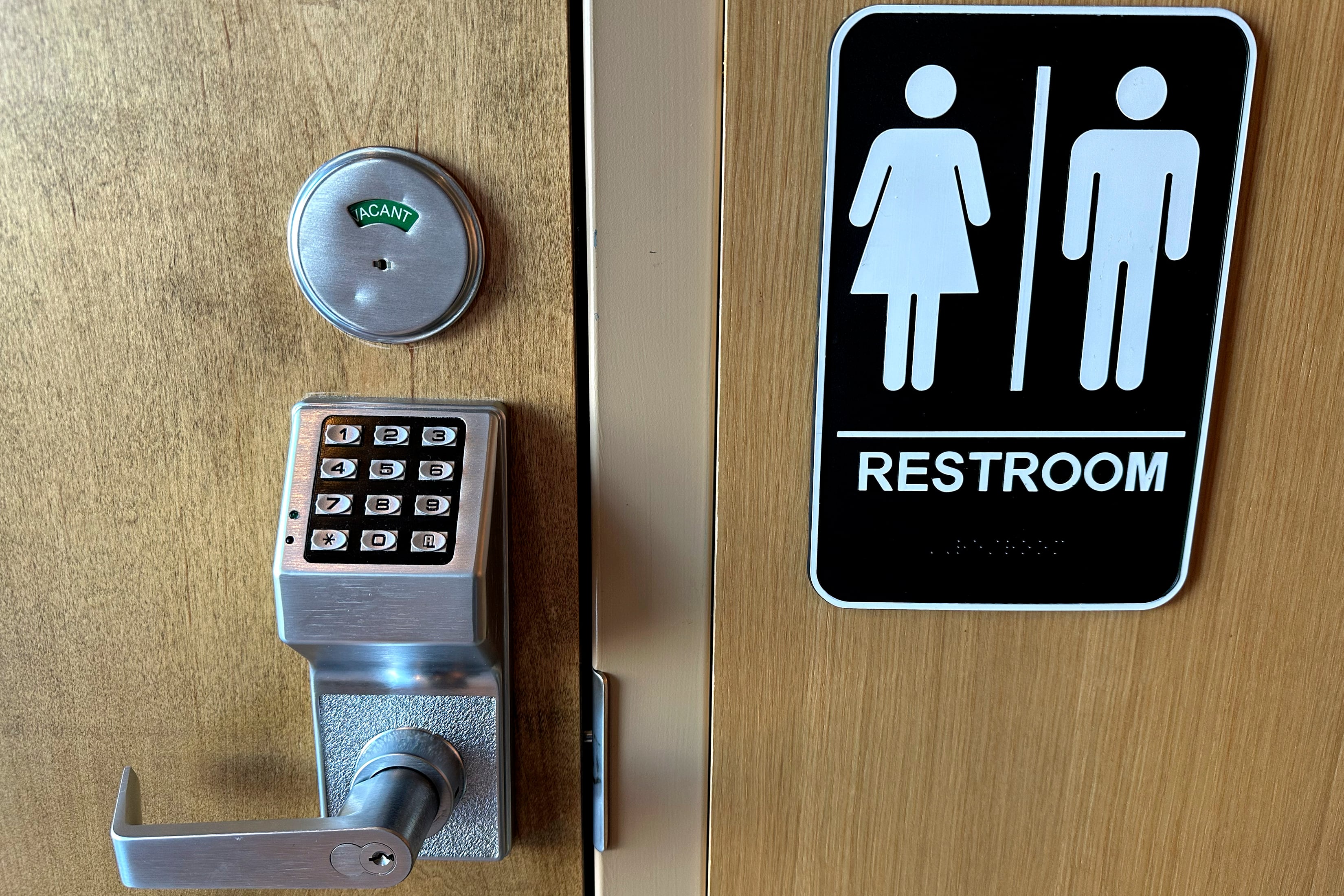
Starbucks’ decision to restrict its restrooms to paying customers has flushed out a wider problem: a patchwork of restroom use policies that varies by state and city. Starbucks announced last week a new code of conduct that says people need to make a purchase if they want to hang out or use the restroom. The coffee chain's policy change for bathroom privileges has left Americans confused and divided over who gets to go and when. The American Restroom Association, a public toilet advocacy group, was among the critics. Rules about restroom access in restaurants vary by state, city and county. The National Retail Federation says private businesses have a right to limit restroom use.
President Donald Trump is talking up a joint venture investing up to $500 billion for infrastructure tied to artificial intelligence by a new partnership formed by OpenAI, Oracle and SoftBank. The new entity, Stargate, will start building out data centers and the electricity generation needed for the further development of the fast-evolving AI in Texas, according to the White House. The initial investment is expected to be $100 billion and could reach five times that sum. While Trump has seized on similar announcements to show that his presidency is boosting the economy, there were already expectations of a massive buildout of data centers and electricity plants needed for the development of AI.