Google's Arts and Culture app is the most-downloaded free app for both iOS and Android, meaning it's surpassed heavy hitters like Messenger and YouTube in just the past few days. . Arts and Culture has been around since 2016. Until last week, though, not many people used it. The recent surge in popularity comes from the addition of a facial recognition feature. The feature allows users to upload a selfie to find museum paintings that look like them.
Net neutrality may live to see another day. Attorneys General from 22 states--including California, Illinois and Mississippi-- are filing a lawsuit to block the FCC's recent vote to repeal Obama-era regulations.
New York State AG Schneiderman calls the rollback a "disaster for New York consumers and businesses, and for everyone who cares about a free and open internet."
YouTube is setting new rules for its content in an effort to regain advertisers' trust. For starters, employees will watch the platform's most popular videos to ensure paid ads are running alongside content that is not offensive or controversial.
Also, in addition to 10,000 views, channels will need one thousand subscribers and 4,000 hours of view time. YouTube hopes to have the review finished by the end of march
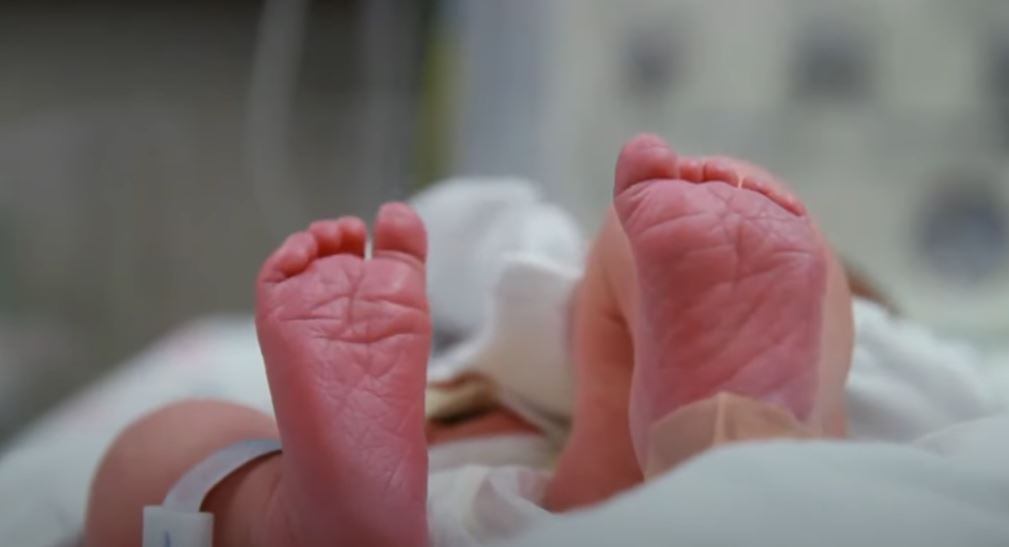
Umbilical cord blood banking platform Anja Health raised $4.5 million dollars in a seed round led by Seven Seven Six, a venture capital firm founded by Reddit co-founder Alexis Ohanian. Anja Health offers a personalized, doctor-backed cord blood bank, which lets new parents freeze stem cells from their child's umbilical cord so they can be used to treat diseases in the future. It's a process Anja has called 'Hollywood's best-kept secret,' as celebrities like Kylie Jenner, Serena Williams, and more have all banked their umbilical cord blood. Kathryn Cross, the founder of Anja Health, joins Cheddar News' Closing Bell to discuss.
Catching you up on what you missed in today's news. Elon Musk has increased his commitment to purchase Twitter to $33.5 billion, Apple is raising its hourly wages for retail stores to compete for talent, and Roblox has announced that it will be partnering with the medically prescribed video game ‘Endeavor’ to help treat patients with ADHD.
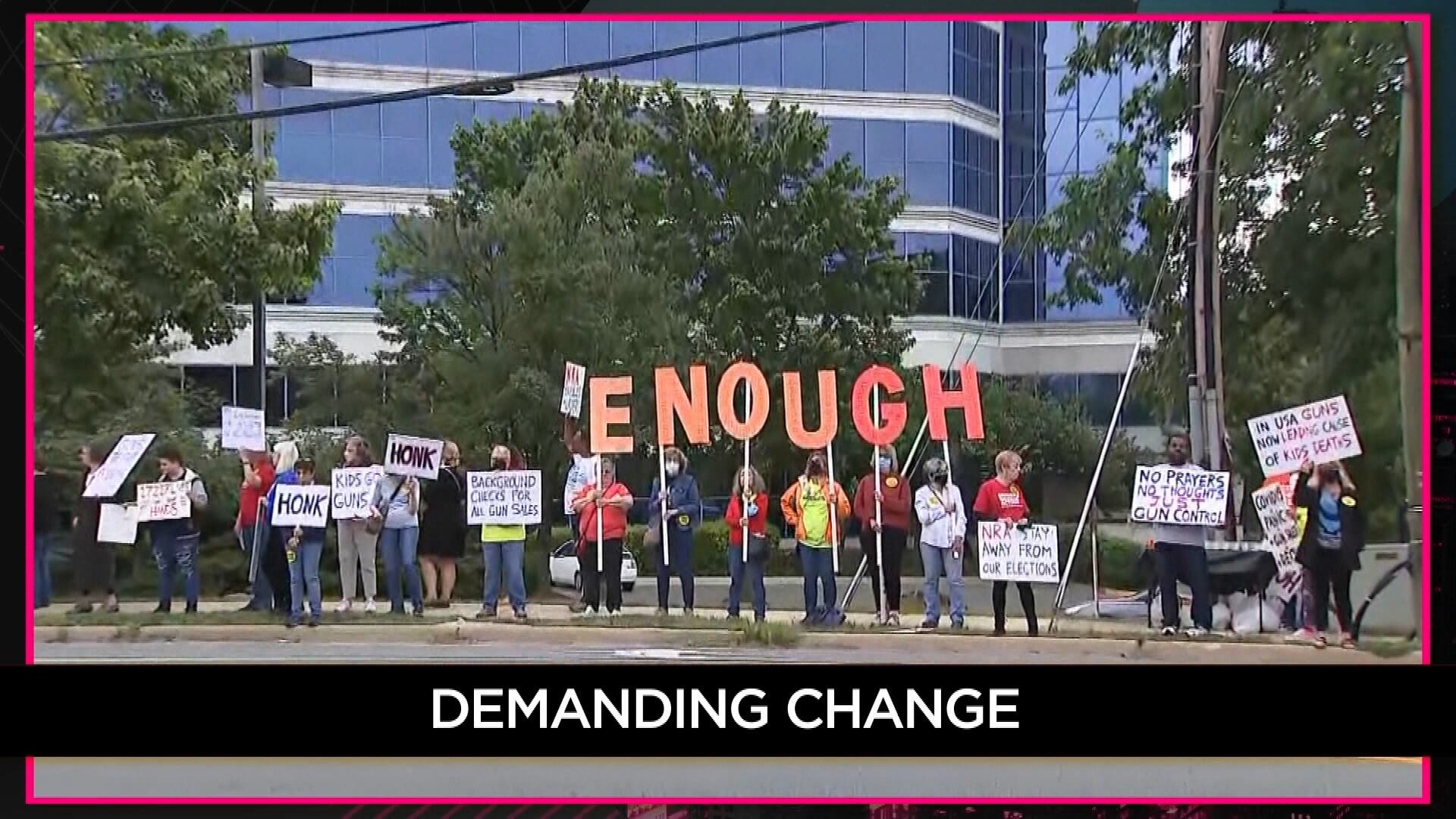
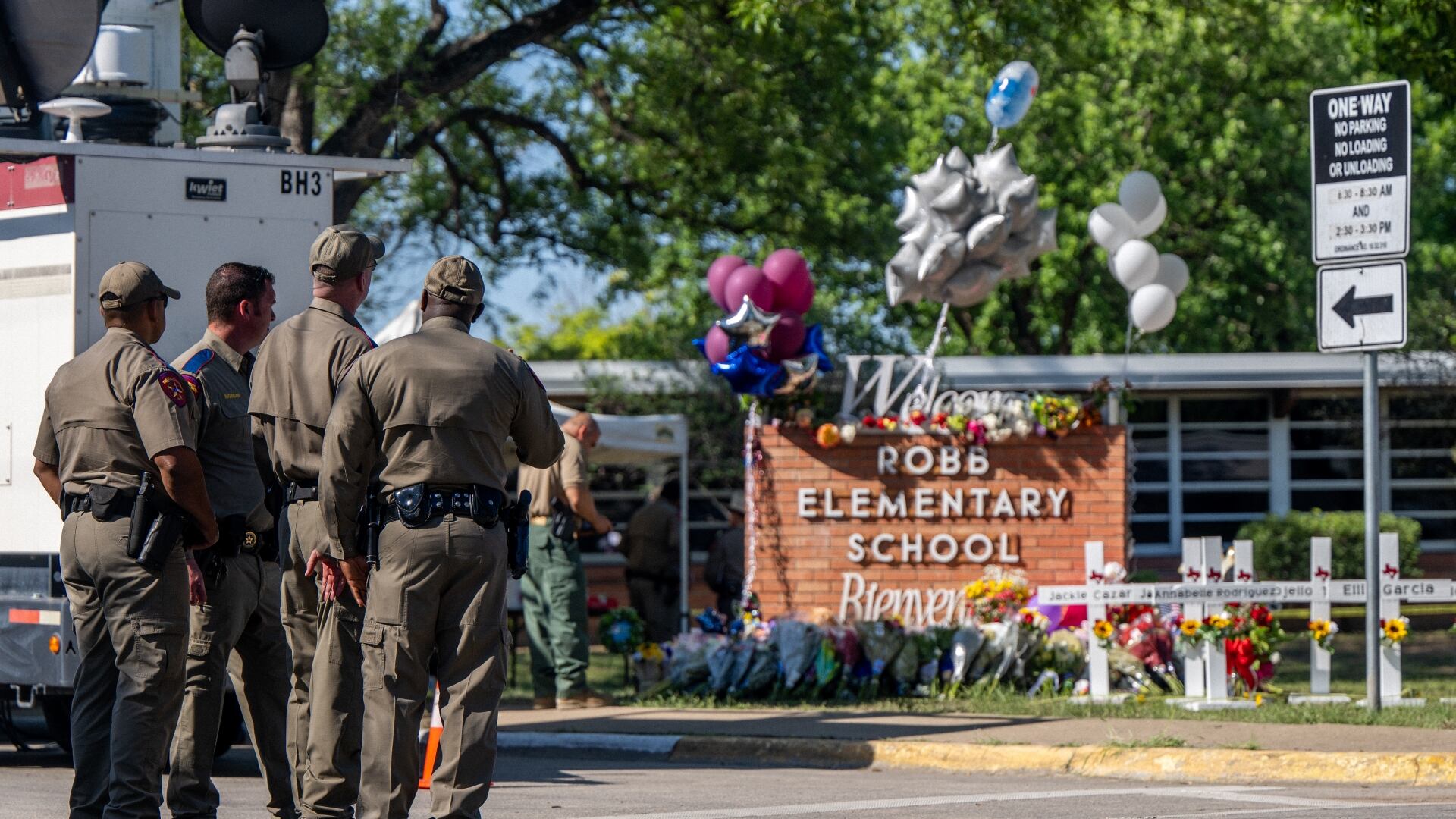
After learning that the suspect in the Uvalde school shooting posted about his intentions on Facebook, activists are urging social networks to make changes. Lena Derhally, a licensed psychotherapist and author of "The Facebook Narcissist," joined Cheddar News to discuss the role social media plays in school shootings. "They're not really invested in taking down hateful content," she said about social platforms."In regards to the shooting, it was 15 minutes before that actual threat. It would be pretty hard for a social media company to trace that threat that quickly. But what they can do better is take down threats and hateful content much faster and more than they're doing now."
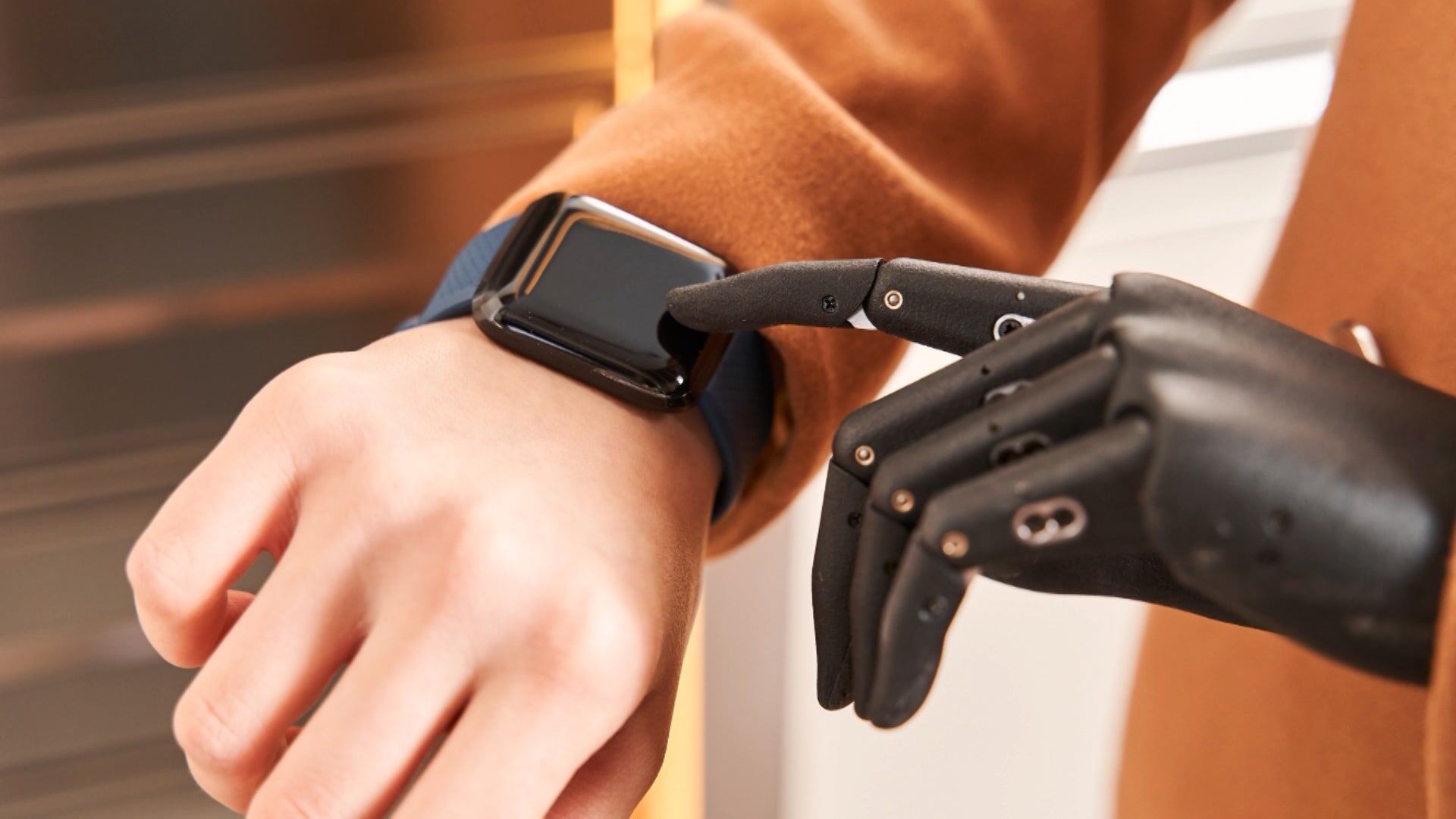
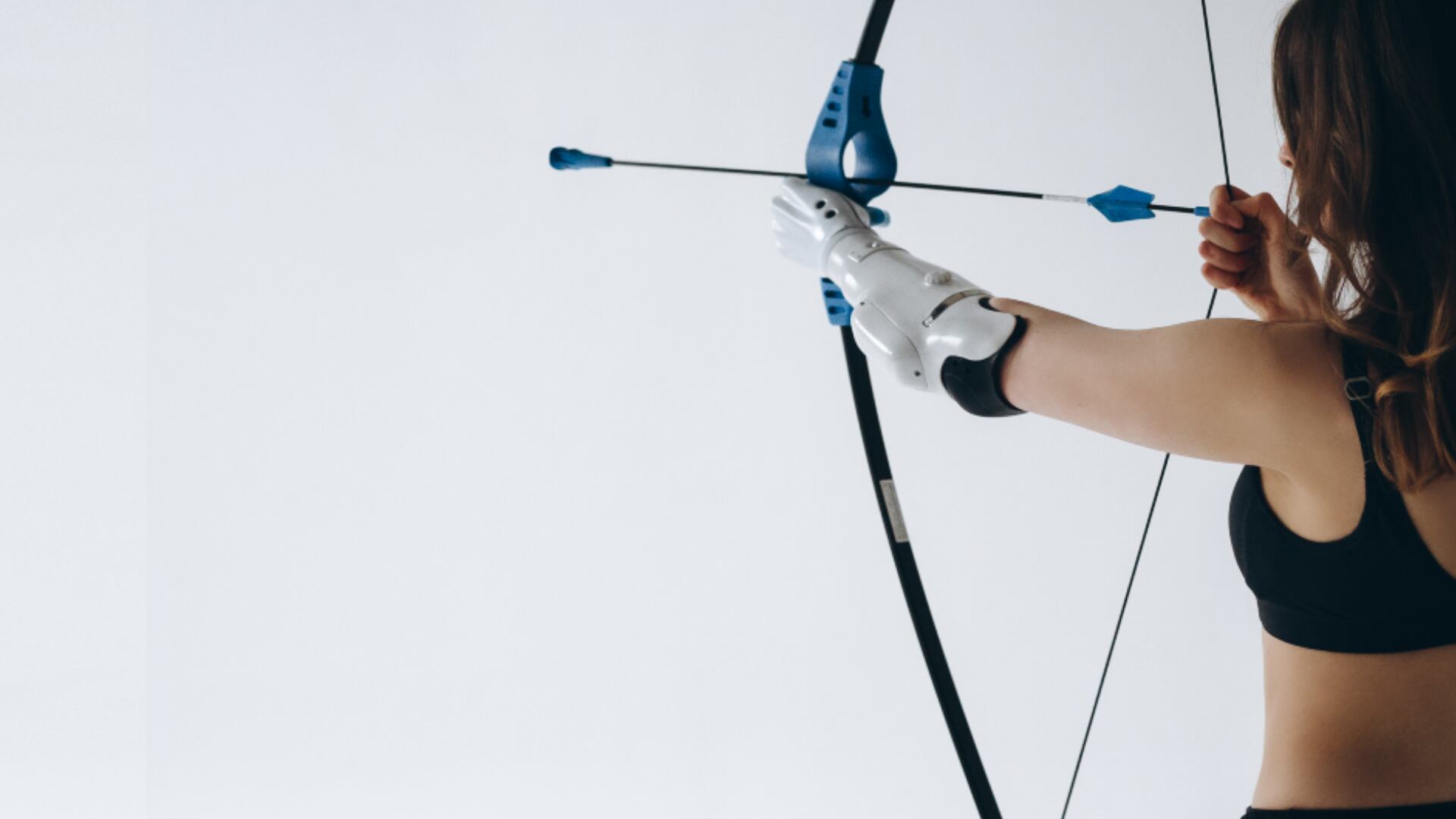
Esper Bionics CEO Dima Gazda breaks down how they're creating a mind-controlled bionic hand that guest smarter the more you use it, and what this innovation means for the future of the prosthetics industry.
On this episode of Cheddar Innovates: Brightseed Co-Founder breaks down what plant bioactives are, and how they're using the latest technology to study human's biological connections with plants; Esper Bionics CEO breaks down how they re creating a mind-controlled bionic hand that guest smarter the more you use it; Cheddar gets a look at Curiosity Stream's 'Capturing A Black Hole In Our Milky Way.'