The Week's Top Stories is a guided tour through the biggest market stories of the week, from winning stocks to brutal dips to the facts and forecasts generating buzz on Wall Street.
RUN, BULLS, RUN
The S&P 500 has officially exited its longest bear market run since the 1940s. The index charged into bull territory on the back of major gains in tech, in particular chipmakers such as Nvidia. Enthusiasm around artificial intelligence is partly behind the shift in sentiment, as well as a general uptick in investor optimism as inflation continues to slow and the U.S. economy, so far, manages to avoid a long-anticipated recession.
FED WATCH
Despite the good feeling on Wall Street, investors are bracing themselves for next week's Federal Reserve meeting. While it's widely believed that the central bank is nearing the end of its aggressive rate hiking cycle, the chance of another interest rate increase has markets on edge. There have been few hints from Fed officials lately, as they have been quiet as part of their usual media blackout period prior to FOMC meetings.
CARVANA ACCELERATES
Shares of Carvana skyrockeed more than 50 percent on Thursday amid a devastating short squeeze that was initiated after the struggling car retailer forecast positive adjusted earnings in the second quarter. "Our record-breaking 2023 first quarter is evidence that our strategy is working, and our updated Q2 2023 outlook demonstrates that our progress continues to positively impact the business even faster than expected," CEO Ernie Garcia said in a statement. The rally comes as the stock tries to recover from being wiped out in 2022, when it fell 98 percent.
TESLA RALLIES
Tesla’s stock is up about 12 percent this week, putting the carmaker on track to match its longest winning streak ever. The boost came after General Motors announced that it's struck a deal with Tesla to start installing its charging ports beginning in 2025. Many are hopeful that the deal marks a turning point for legacy automakers, and that others could soon adopt Tesla's charging technology as well.
APPLE DOWNGRADE
Apple's stock got a downgrade this week, despite a much-hyped developer conference that unveiled its first major product release since 2014. The long-awaited "mixed reality headset," however, didn't generate the same level of excitement as previous big product announcements such as the iPhone. It's also unclear when exactly the headset will hit markets, with Apple saying it might need more time to develop features for it.
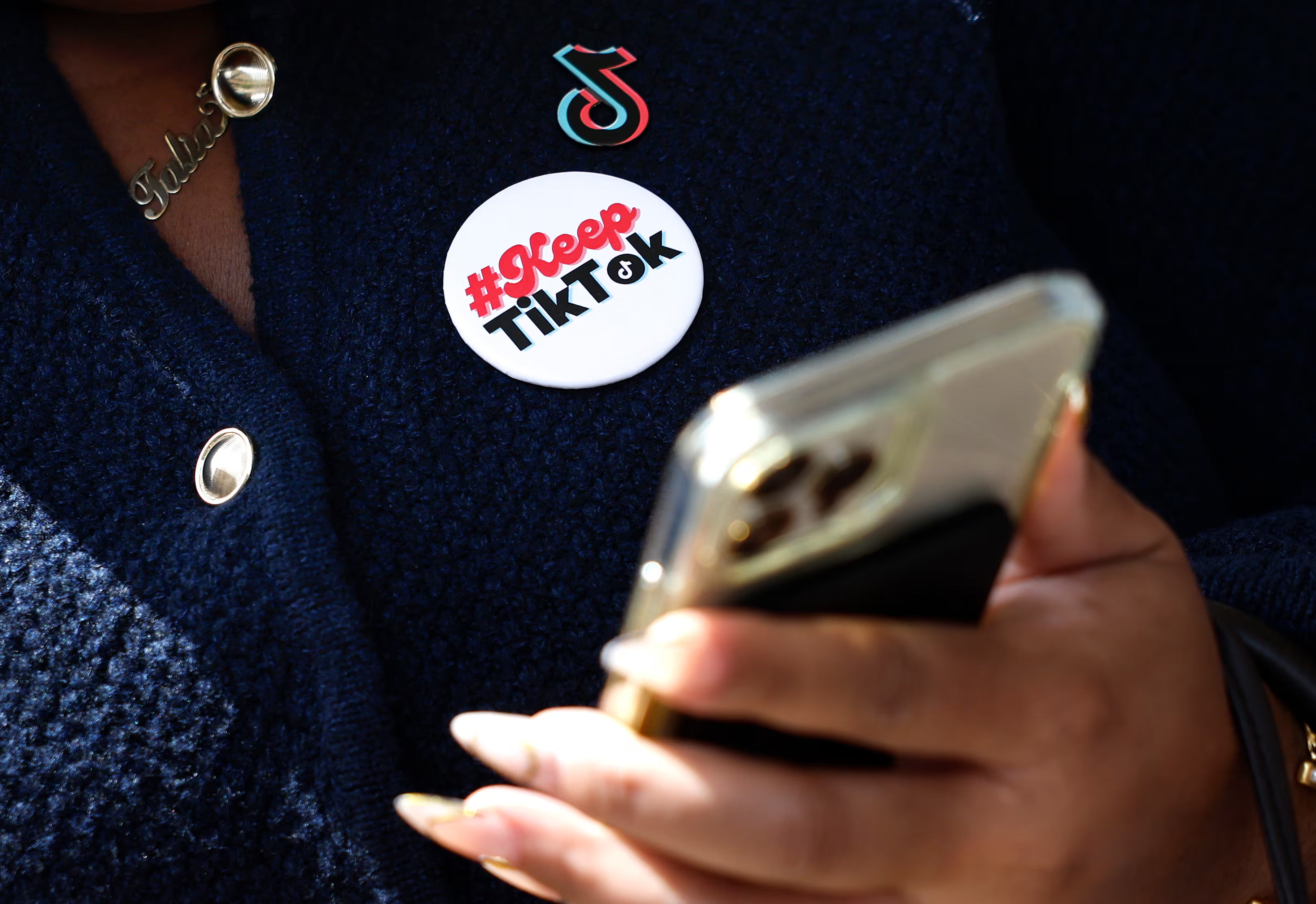
The social video platform's future remains in doubt, as players scramble to profit from the chaos. Plus: Big oil gets bigger, DOGE downsizes, and tariffs!
Ty Young, CEO of Ty J. Young Wealth Management, joins Cheddar to discuss Trump's moves as he returns to Washington D.C. and how it may affect the U.S. economy.
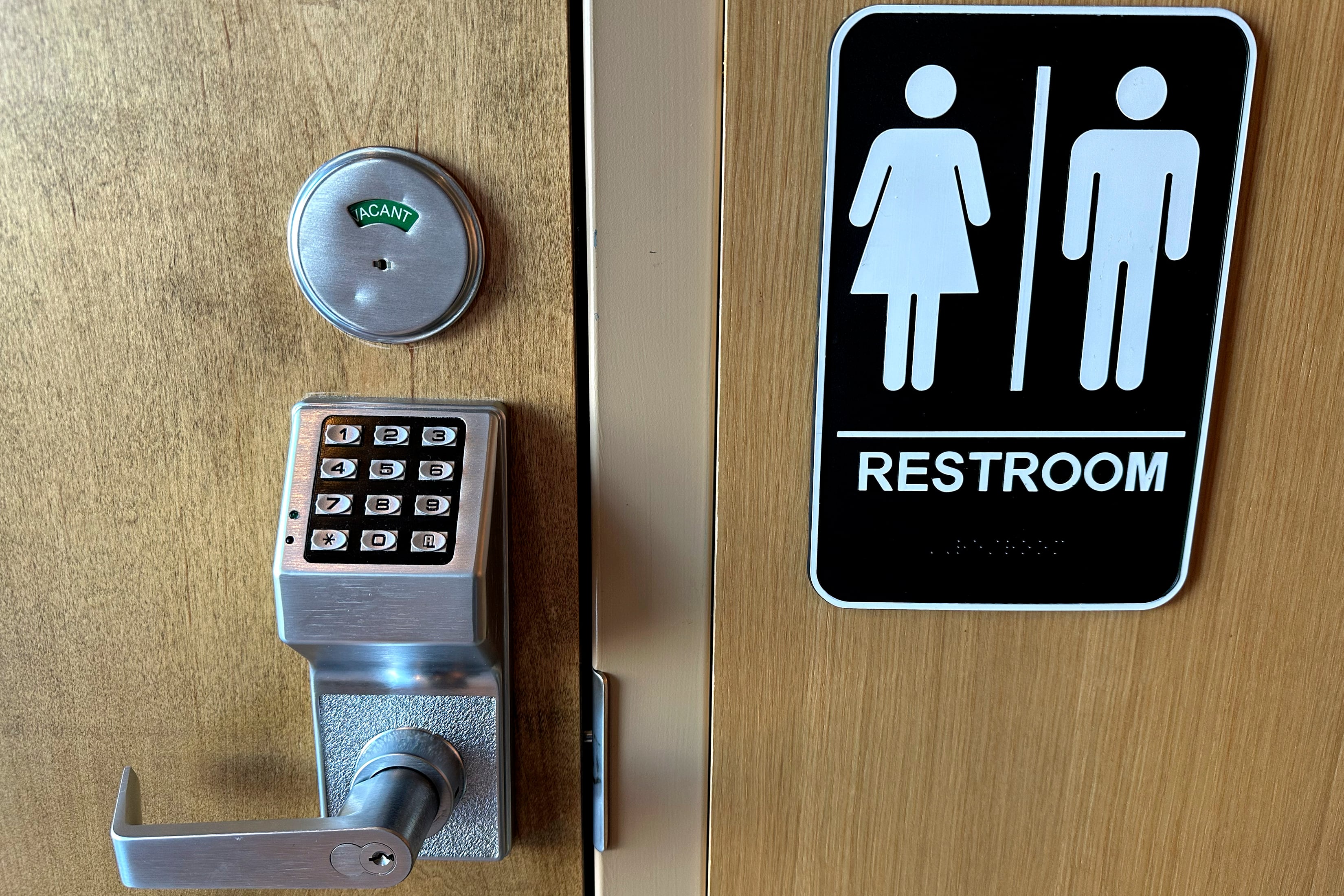
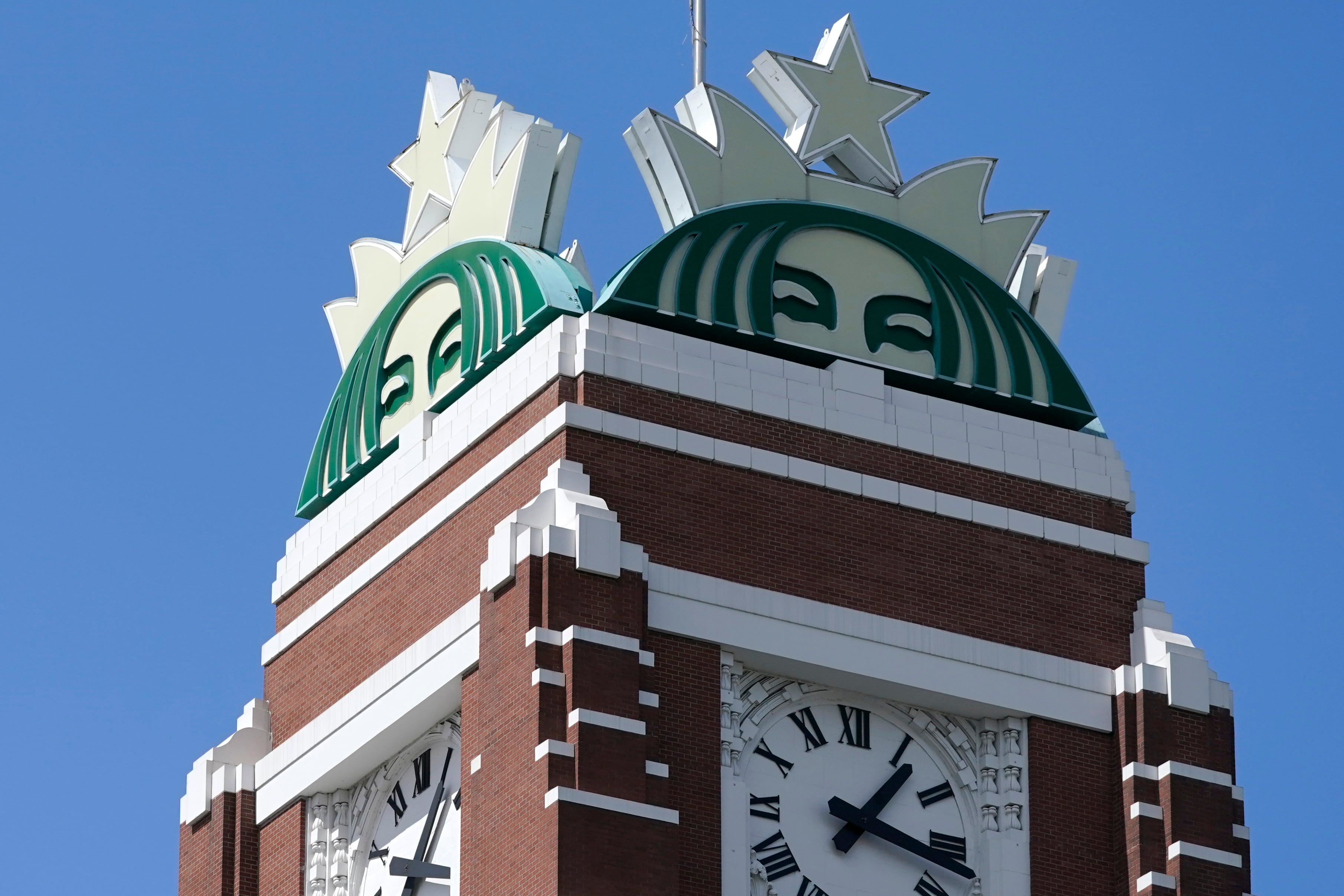
Starbucks’ decision to restrict its restrooms to paying customers has flushed out a wider problem: a patchwork of restroom use policies that varies by state and city. Starbucks announced last week a new code of conduct that says people need to make a purchase if they want to hang out or use the restroom. The coffee chain's policy change for bathroom privileges has left Americans confused and divided over who gets to go and when. The American Restroom Association, a public toilet advocacy group, was among the critics. Rules about restroom access in restaurants vary by state, city and county. The National Retail Federation says private businesses have a right to limit restroom use.
President Donald Trump is talking up a joint venture investing up to $500 billion for infrastructure tied to artificial intelligence by a new partnership formed by OpenAI, Oracle and SoftBank. The new entity, Stargate, will start building out data centers and the electricity generation needed for the further development of the fast-evolving AI in Texas, according to the White House. The initial investment is expected to be $100 billion and could reach five times that sum. While Trump has seized on similar announcements to show that his presidency is boosting the economy, there were already expectations of a massive buildout of data centers and electricity plants needed for the development of AI.
Chris Ruder, Spikeball Founder and CEO, explains how he and his friends put roundnet on the global map, plus, how Spikeball helps people "find their circle."
J.W. Roth, CEO of Venu Holding Corporation, discusses the company's IPO and plans to redefine live music entertainment with their fan founded, fan-owned model.
Variety's Clayton Davis discusses why more than just the 1% are struggling after the LA fires. Plus, how awards shows will pivot to help victims. Watch!