Growing a family hobby into a nearly $10 million business is no easy feat.
So, how did McClure’s Pickles do it?
“Focus is the key for successful growth,” Bob McClure, co-owner of the pickling company, told Cheddar Wednesday. “Expanding before you have really reached your core consumer deeply can start to tip the scales in the direction that isn’t preferred.”
McClure’s roots in the specialty go back generations. He and his family would spend every summer recreating his great-grandmother Lala’s pickle recipe. And the one-time aspiring actor moved from New York City back to Detroit and turned the tradition into a business.
He says the company, which is turning a profit, has received takeover offers in the past but has so far remained independent.
You can find the $9 pickle jars at retailers such as Amazon, Walmart, and Kroger...and they’ve even developed a cult following in Australia and New Zealand!
“They have a huge craving for American brands. Their barbecue and burger scene down there is remarkable. Every burger product they’re cooking, they’re putting a McClure’s pickle in there...It’s a good value add for us.”
For full interview, [click here](https://cheddar.com/videos/how-mcclures-pickles-grew-out-of-a-home-in-detroit).
Millions of households could see higher internet costs next year as the affordable connectivity program could end.
Viveca Chow, NYC lifestyle expert, spoke with Cheddar News to provide tips on how to have some festive fun in the city on a budget.
Apple announced that it's releasing an iPhone security update to prevent attackers from acquiring users' private passcodes.
As the new year approaches, many people are looking to find a job with a higher salary or are planning to ask their current boss for a raise. Taliya Bashani, real estate attorney and negotiation expert, joined Cheddar News to provide tips on how to properly and better negotiate better financial terms.
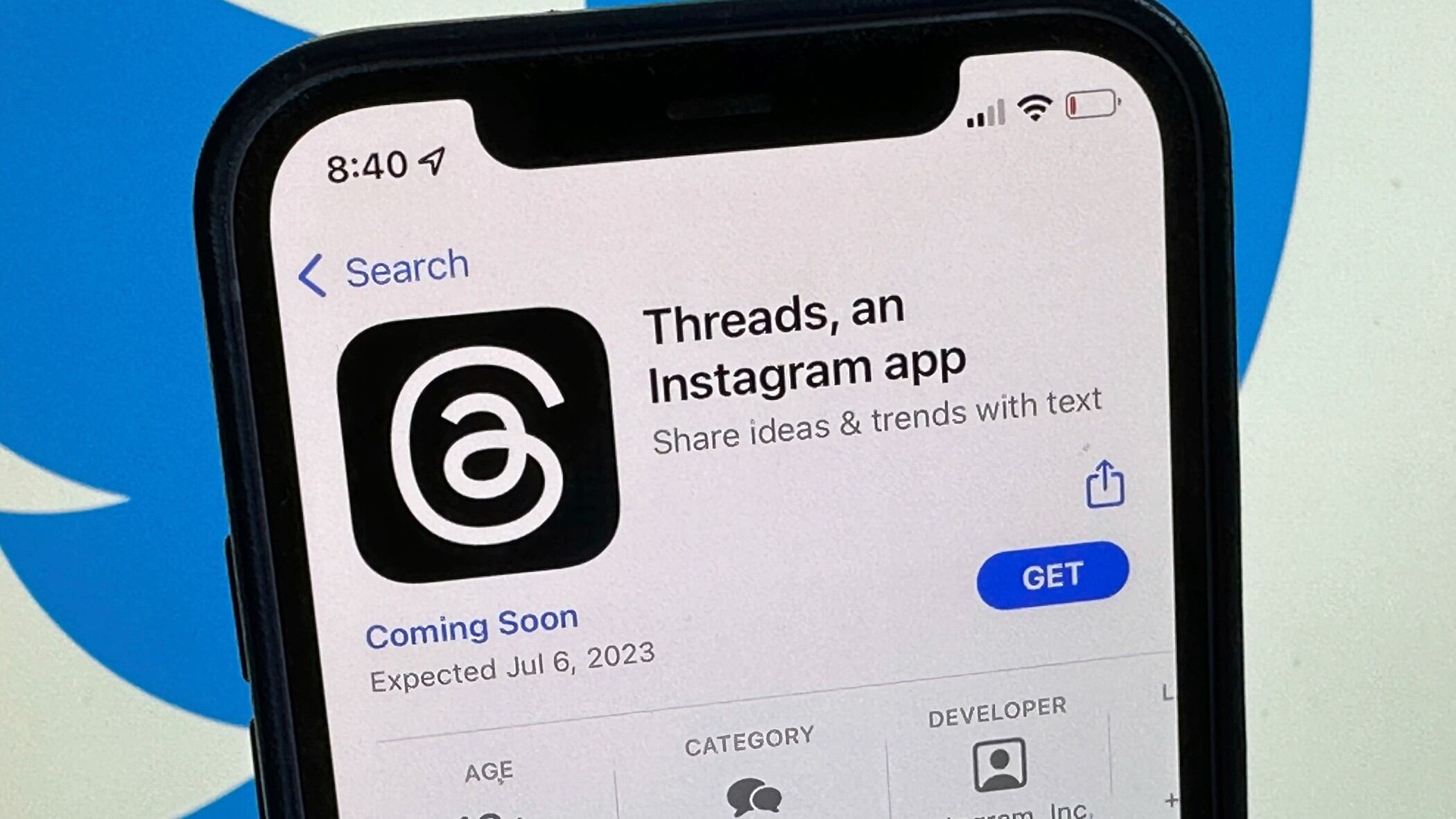
Meta says it will start testing a program that would allow posts from Threads to appear on other social media sites.
Several healthcare companies are reportedly joining President Biden's artificial intelligence risk management plan.
The Biden administration says it will impose inflation penalties on dozens of drug makers to lower costs for those on Medicare.
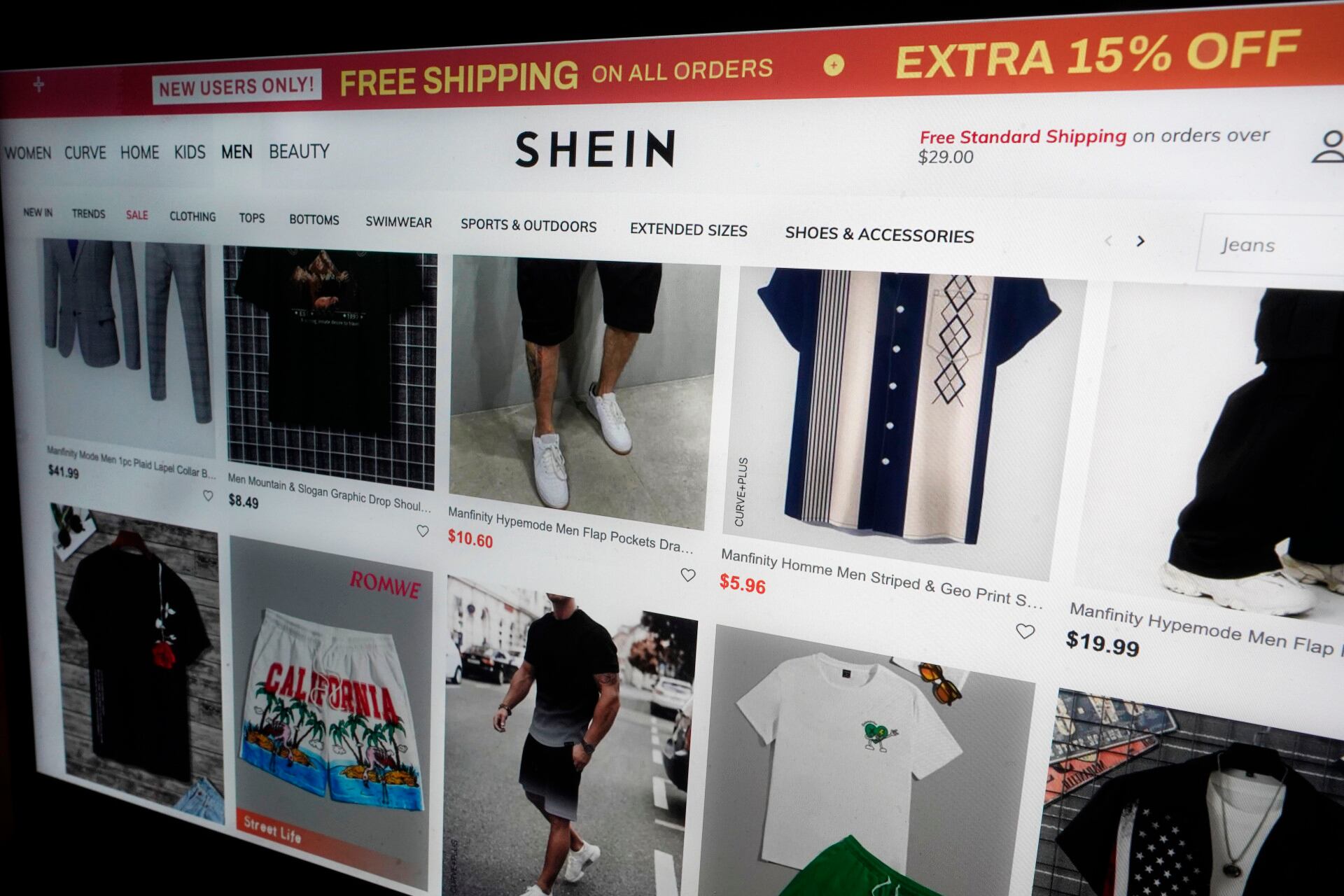
Two of the top low-cost online retailers are going head to head in a new legal battle. Cheddar News' Michelle Castillo breaks the lawsuit down.
The number of Americans filing for jobless benefits fell last week as the labor market continues to thrive despite high interest rates and elevated costs.
The earliest version of Disney's Mickey Mouse will become public domain on Jan. 1, 2024.