From Wall Street to Silicon Valley, these are the top stories that moved markets and had investors, business leaders, and entrepreneurs talking this week on Cheddar.
MARKET TURMOIL
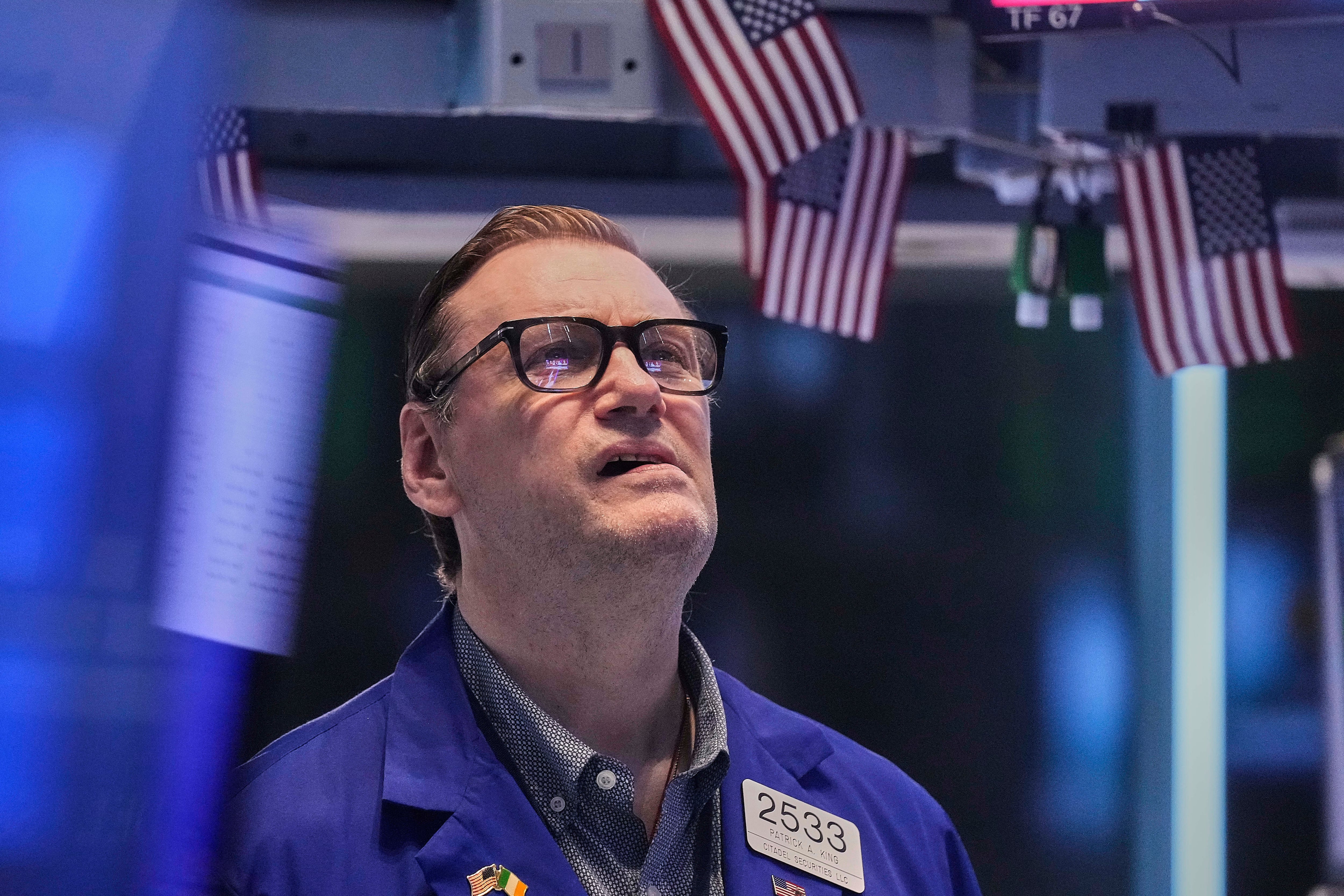
The year-end rally continued into the new year, but fell apart on Friday after the U.S. conducted a drone strike that killed Iran's top military commander while he was in Baghdad. That significant escalation in the confrontation between the U.S. and Iran caused crude oil prices to spike, gold to rally, and markets around the world to fall. The Dow Industrials opened lower by more than 200 points on Friday; oil prices surged 4 percent ー the most since Iran's drone attack against Saudi oil facilities in September ー with Brent crude nearing $70 per barrel. Energy stocks rallied and gold, typically a "safe haven" investment in times of geopolitical or economic unrest, hit a four-month high. The Dow Jones Industrial Average ended the day more than 230 points lower.
GHOSN WITH THE WIND
How did a man under multiple indictments, out on bail, under surveillance, and with his three passports confiscated, manage to escape a country where he was awaiting trial? That's the question surrounding the daring escape by Carlos Ghosn, the former Nissan chief executive who fled Japan for Lebanon in a private jet last week. Ghosn was preparing to be tried in Japan, where he's accused of a host of financial crimes, including misreporting his own income while running the automaker. In a statement emailed to reporters following his escape, Ghosn said he wasn't fleeing justice, rather escaping to avoid "injustice and political persecution." The enigmatic, ruthless auto executive was known across the industry for executing a turnaround of Nissan, and then attempting to merge it with the French automaker Renault. He says his criminal case is politically motivated, and reportedly wants to be tried in Beirut, where he's somewhat of a hometown hero. It remains unclear how, exactly, he managed to get from Tokyo to Beirut, except that he flew in a private jet that stopped over in Istanbul. Turkey has arrested at least seven aviation workers in connection with Ghosn's layover while Interpol has issued a global arrest warrant for Ghosn.
TESLA ON A ROLL
Tesla achieved Elon Musk's year-end sales goal, delivering 112,000 vehicles around the world in the fourth quarter of 2019. That's better than analysts expected, and makes the full year of deliveries clock in around 368,000 ー a 50 percent increase over 2018. Tesla was firing on cylinders as it headed into 2020. The company is expected to deliver its first China-made Model 3 sedans to customers on Tuesday, and it cut the starting price by 9 percent to juice sales. Shares of Tesla are trading at record highs, and approached the $450 mark by the end of the week.
KING OF THE SKIES
Airbus, the European multinational aerospace giant, is now the world's largest planemaker by sales, overtaking Boeing for the first time since 2011. The changing of the guard was largely expected, coming after a year of crisis for Boeing (which still has a larger market capitalization than Airbus). But it signified nonetheless just how far Boeing has fallen since the two crashes of the 737 Max jetliner threw the company into its biggest corporate crisis ever. Because airline manufacturers typically aren't paid until their planes are delivered to carriers, the annual delivery forecasts are among the most important data points for investors. Meanwhile, new data shows that commercial air travel is safer than it has ever been, with global fatalities from commercial flying falling more than 50 percent in 2019.
VAPE BAN
The Food and Drug Administration finally announced its long awaited vaping ban, but while it took significant steps to curbing teen vaping, critics assailed the ban as a watered-down decision that was meant to please everyone. "We have to protect our families," said President Trump. "At the same time, it's a big industry. We want to protect the industry."
First, the details: the ban prohibits cartridge-based e-cigarettes from using fruit, candy, mint, and dessert flavorsーbut exempts menthol and tobacco-flavored e-cigarettes. Tank-based vape devices were also exempted entirely. The tank-based exemption was cheered by vape shops geared to adult smokers, but the decision was slammed by anti-tobacco advocates who called it a cave to industry pressure. The new rules take effect in 30 days, and the FDA says it reserves the right to change the rule if data shows teens begin to gravitate toward menthol flavors.