From Wall Street to Silicon Valley, these are the top stories that moved markets and had investors, business leaders, and entrepreneurs talking this week on Cheddar.
JOBS BLOCKBUSTER
Investors ended the week digesting a blockbuster jobs report. Nonfarm payrolls in November rose by 266,000, according to the Labor Dept. The consensus estimate was about 180,000. The unemployment rate ticked down to 3.5 percent, and average hourly earnings rose another 0.2 percent. The unusually strong report was helped by GM, where tens of thousands of workers returned to their jobs (thus counting as new payrolls) after spending 40 days on the picket line. Still, hiring remains strong, and unemployment remains near historic lows even despite headwinds like the trade war and poor manufacturing data.
TRADE WAR(S)
In London for a commemoration of NATO's 70th birthday, President Trump indicated that the trade war with China may drag on, at least through the 2020 election. The president said he was willing to wait until then to make a deal with China on tariffs, a reversal from previous comments from White House officials that a deal was within striking distance. Stocks plunged on that news, but then recovered and ended the week sharply higher, lifted by the gangbusters employment number. And yet, the trade jitters remain. In addition to the conflicting statements on China, the Trump administration has proposed a tariff of up to 100 percent on $2.4 billion worth of French imports ー including handbags, cheese, and wine, that could impact American consumers. Meanwhile, the deadline for the next round of tariffs on Chinese goods is still scheduled for Dec. 15.
CYBER MONDAY BONANZA
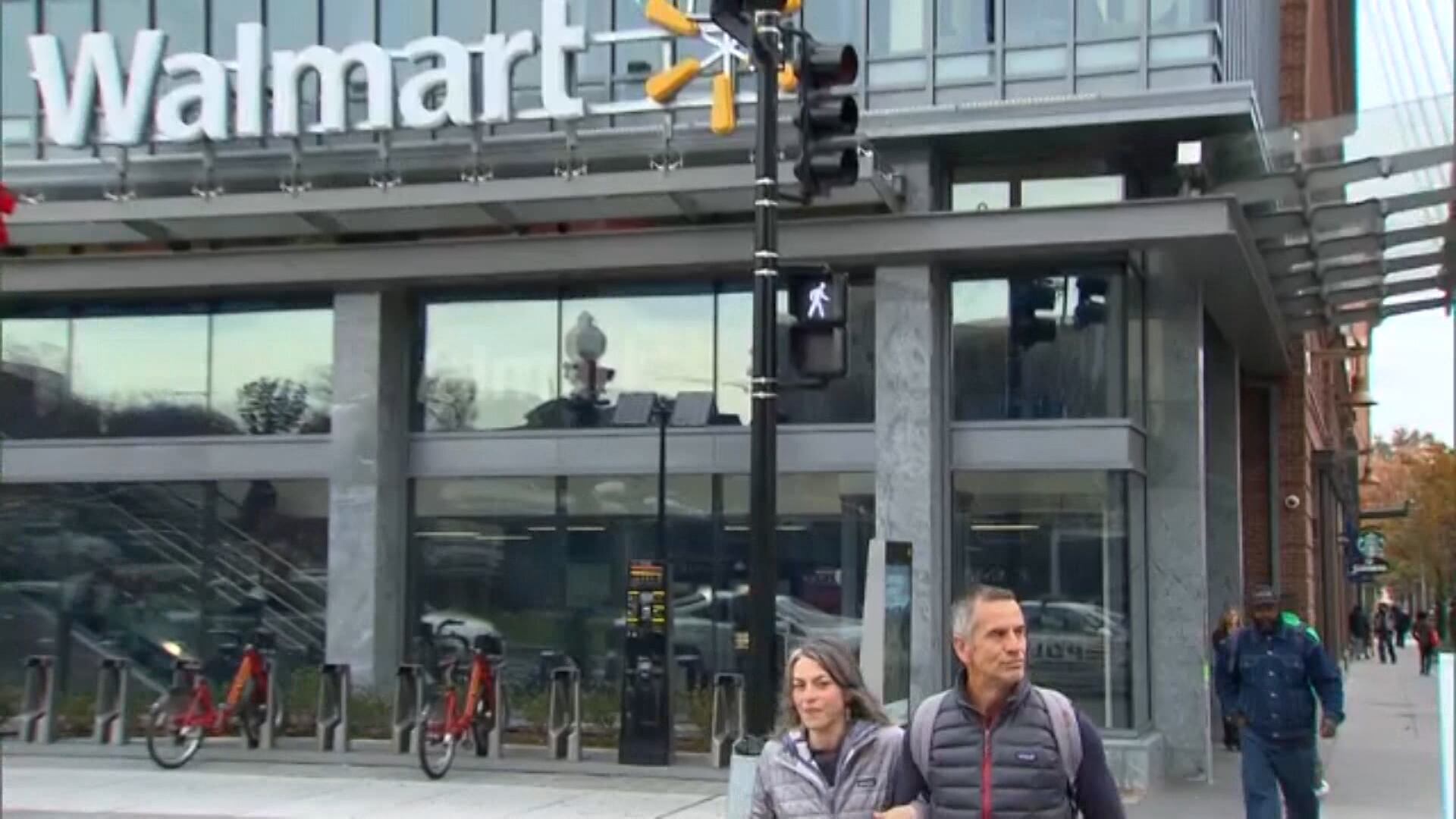
Fourteen years after the term was coined, Cyber Monday has grown to become one of the most critical shopping events of the year for retailers. And in 2019, it hit a record. According to Adobe Analytics, shoppers spent $9.4 billion online ー the first $9 billion e-commerce day ever, and 19 percent higher than last year's Cyber Monday (and in addition to the $7.4 billion spent online on Black Friday). Total online spend for the season is expected to reach $143 billion, Adobe says, versus $126 billion in 2018. Big-box retailers like Target and Walmart are seeing some of the strongest e-commerce growth, as well as ーof course ー Amazon, which said this Cyber Monday was its biggest shopping day in the company's history.
GOOGLE TURNS THE PAGE
It's an end of an era at Google, where the co-founders who began the search giant in their friend's garage have officially relinquished executive control to Google CEO Sundar Pichai. Larry Page and Sergei Brin, who had stopped running the day-to-day operations years ago, will remain on the Alphabet board, and control a majority of the company's voting shares. They are stepping away from the company they started at a precarious time. Google is in the regulatory crosshairs of several governments over antitrust concerns and how it collects its vast troves of data. Pichai, an Indian immigrant who rose through the ranks of the company, will become CEO of both Alphabet and Google ー making him one of the single most powerful people in Silicon Valley.
UNITED CEO OUT
Brin and Page weren't the only executive departures of the week in a year that has seen a record number of CEO exits. Oscar Munoz, the chief executive of United Airlines, is resigning effective in May. United is promoting his deputy, Scott Kirby, who was rumored to be in the running for the top job at rival American Airlines. Munoz took over United four years ago and will leave the carrier in better shape than he found it, though he is perhaps best known for the company's botched response to an incident in 2017 in which a doctor was dragged screaming off of an overbooked flight.
A new report from ProPublica and the Washington Post found that Facebook Groups played a major role in the spread of misinformation linked to the January 6 insurrection with more than 650,000 posts claiming that Joe Biden's election victory was illegitimate.
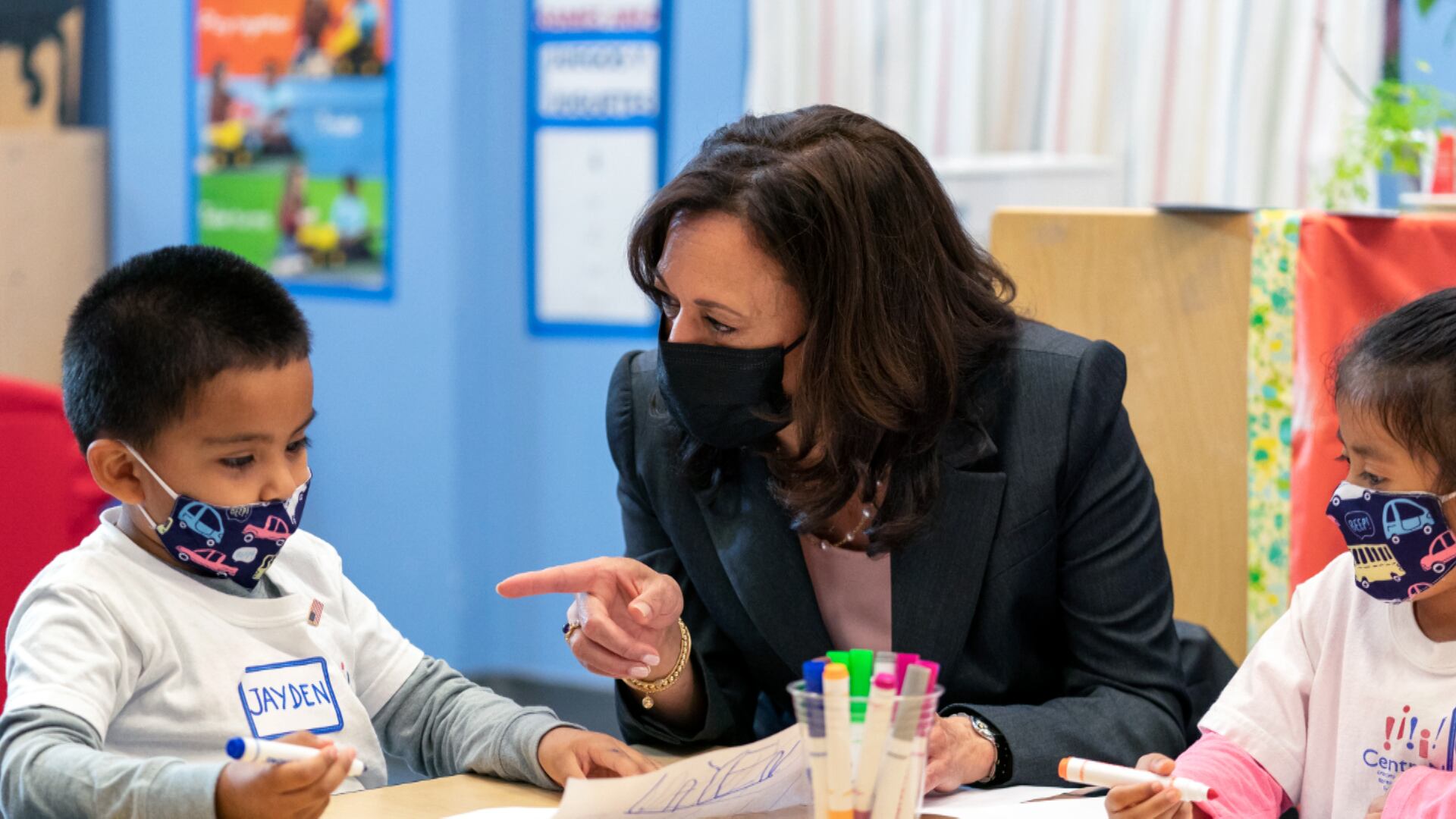
Millions of Americans with young children have relied on the child tax credit since the federal government began issuing checks in July 2021. The last round of payments was sent out just before the Christmas holiday — at the same time as the omicron variant surged. Leah Hamilton, associate professor of social work at Appalachian State University, joined Cheddar to discuss what the end to the tax credit means as the U.S. sees the end of many relief programs and its highest number of COVID cases since the start of the pandemic. "It'll become harder for families to meet their basic needs, increasing national childhood poverty rates and the proportion of families who have difficulty putting food on the table, maintaining stable housing, and paying their bills," Hamilton said. She also pointed to research that the credit as a long-term investment in children offsets claims that it contributes to macroeconomic impacts like inflation.
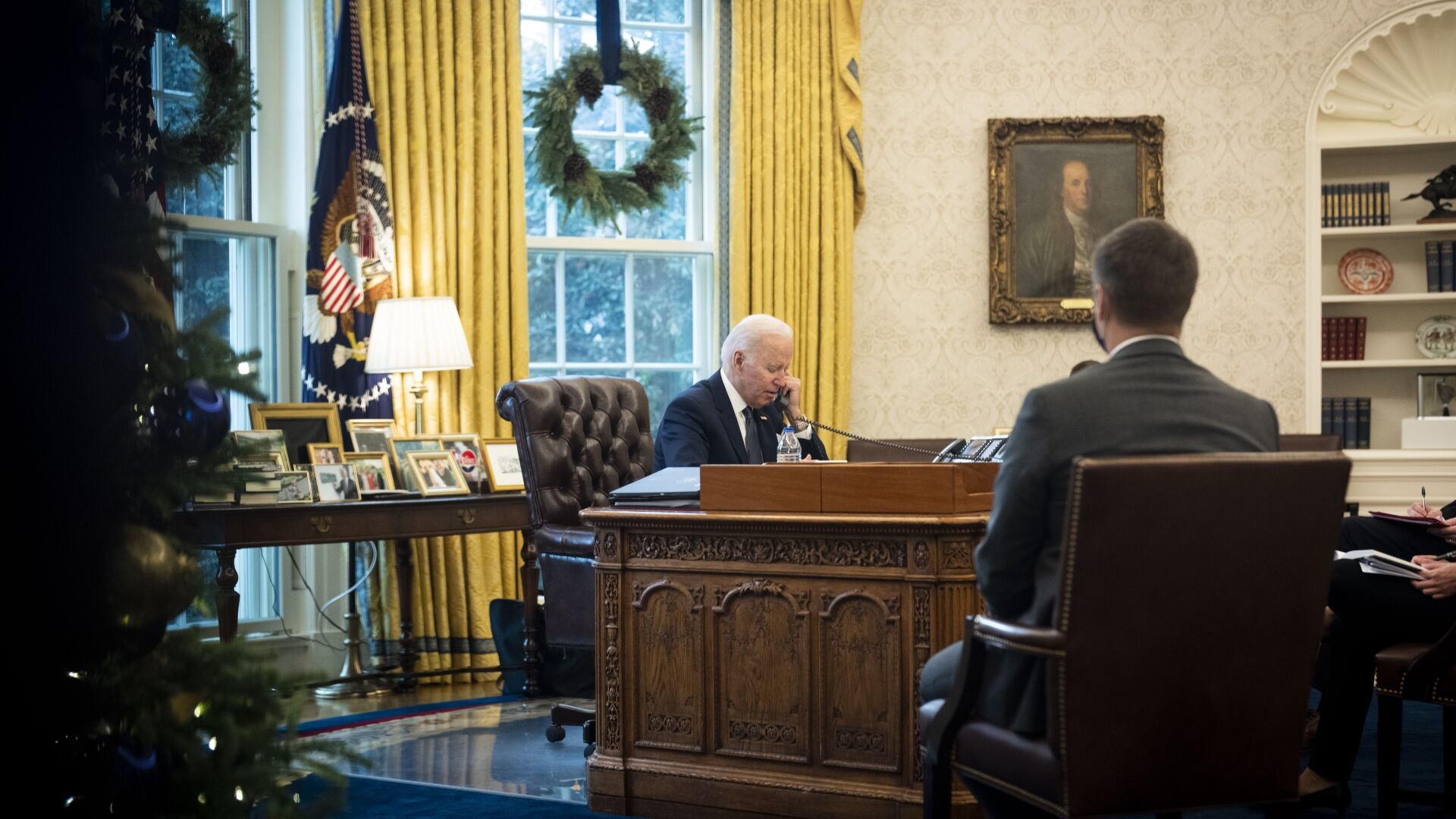
U.S. President Joe Biden spoke with Ukrainian President Volodymyr Zelensky over the week-end, just days after he spoke with Russian President Vladimir Putin. The call comes as Washington prepares to meet with Moscow on January 10, as tensions mount over Russia's military build up near its border with Ukraine. Cheddar News speaks with Mustafa Tameez, a former advisor to the U.S. Department of Homeland Security, about the issue.
Several Silicon Valley insiders are being accused of contorting a 1990s-era tax break to avoid taxes on millions of dollars of investment profits. The tax break is known as the qualified small business stock exemption, and it allows early investors in certain companies to avoid half of the taxes on up to $10 million in capital gains. A piece recently published in the New York Times says venture capital firms like Andreessen Horowitz replicated the tax exemption by giving shares of companies to friends and family, who would otherwise face a 23.8% capital gains bill. The CEO of Roblox is also accused of replicating the tax break for his family members at least 12 times. Although the loophole known as 'stacking' is considered to be legal, the Times piece implies that the exemption has been manipulated for the ultra-wealthy to become more wealthy. Greycroft co-founder and Chairman Emeritus Alan Patricof joins Cheddar News' Closing Bell to discuss.
Chris Sommerfeldt, City Hall reporter for the New York Daily News, joins Cheddar News' Closing Bell, where he discusses both the wins and losses of Bill de Blasio's eight years as New York City Mayor.
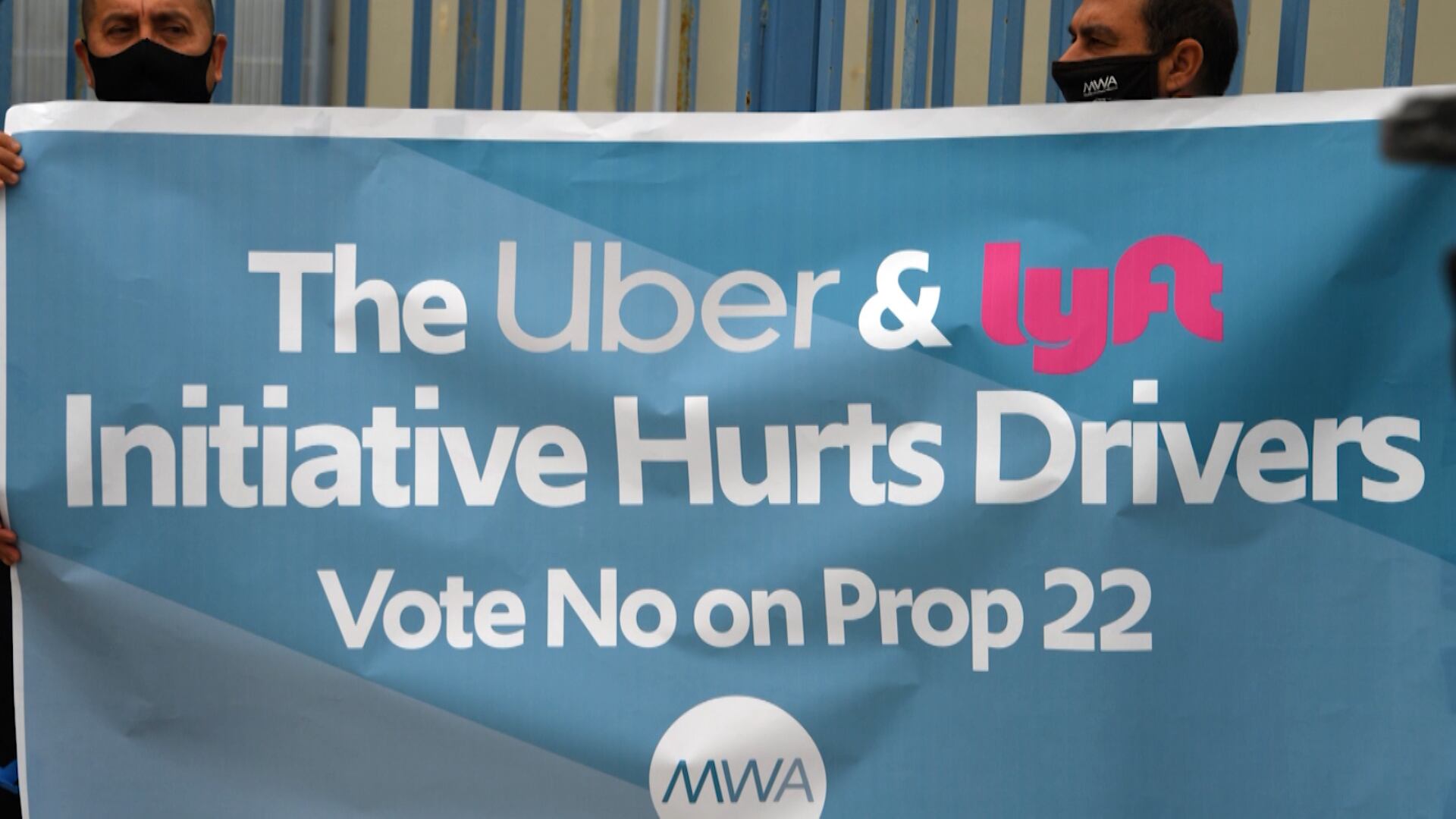
The push to regulate the gig worker economy is gaining steam as the share of workers who participate in freelancing through businesses like Uber and Lyft have also exponentially grown during the pandemic. Employment attorney Mark Kluger, founding partner at Kluger Healey, LLC, joined Cheddar to break down how the battle to reclassify gig workers will continue in the new year, and why the issue continues to generate conflict. "More and more workers are using gig work as their primary source of income and as a result of that they are not like employees in the sense that they don't have benefits like health insurance," Kluger noted.
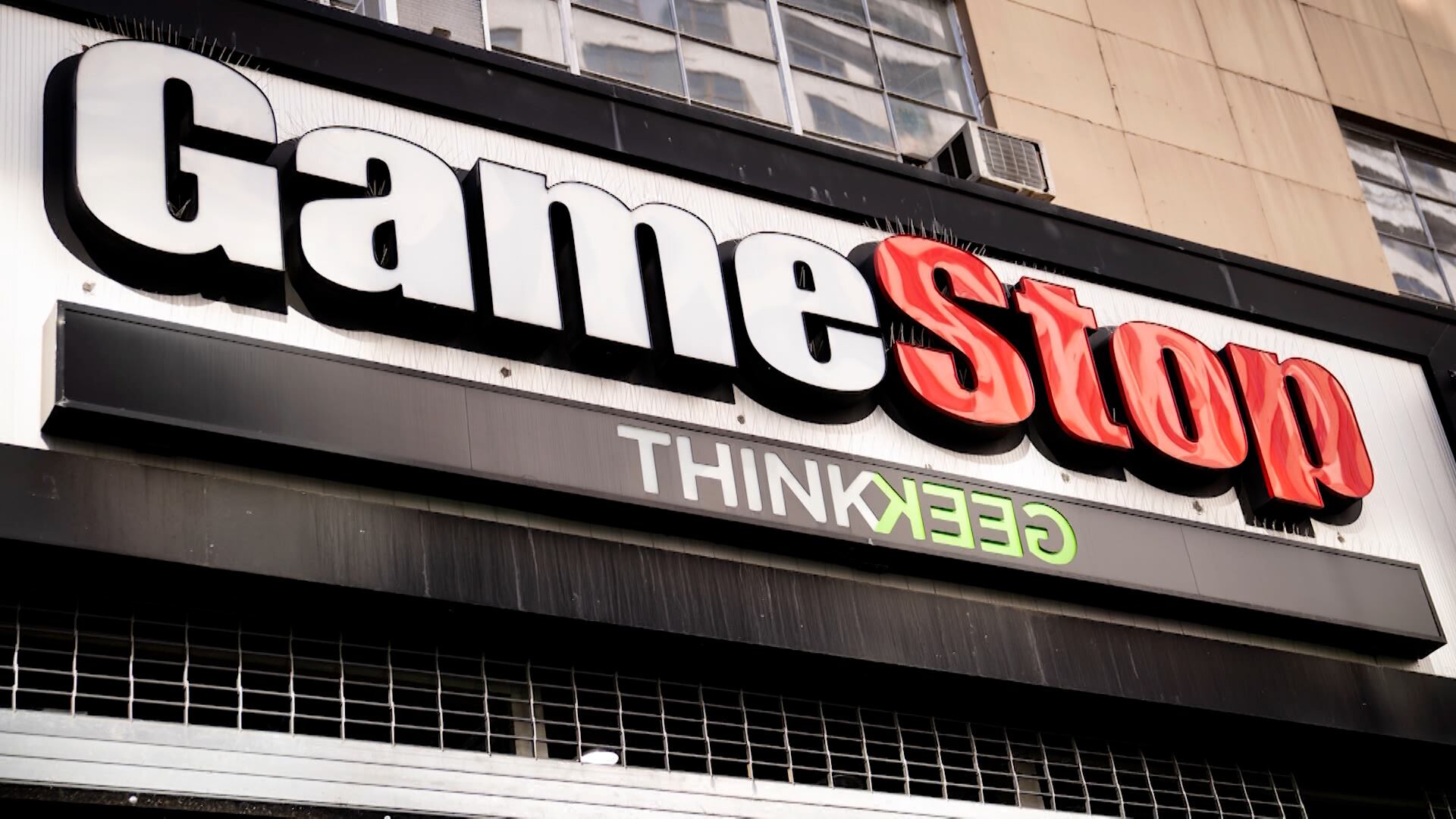
2021 saw markets continue to be impacted by the onslaught of the coronavirus pandemic -most recently in the form of the Omicron variant- in addition to the global supply chain shortage, and increased inflation. But it wasn't all bad news, as crypto soared throughout the year, and meme stocks continued to have a moment. With the year coming to a close, investors are keeping an eye out to see if they should expect more of the same in the new year. Chris Vecchio, Senior Analyst, at DailyFX tells us what market trends to be on the watch for in 2022.