The 'Tragedy' of Venezuela: Film Shows How Oil-Rich Nation Was Destroyed From the Inside
*By Bridgette Webb*
Venezuela, once among the wealthiest economies in Latin America, is now in a state of crisis.
According to Brian Price, executive producer of a new documentary "Venezuela: State of Disaster'" decades of greed and corruption have created an impenetrable barrier.
"They had tremendous oil resources and still do," Price said in an interview on Cheddar Wednesday.
"Right now they are sitting on 300 million barrels of oil ー in a conservative market call it $1 trillion dollars worth ー and they have no way of extracting that wealth because the entire system of extraction has been completely decimated."
Venezuela’s drop in oil production volumes was the largest global unplanned fall in crude oil in 2017. That trend has continued. Oil production in the nation now stands at its lowest level in more than 50 years.
Of the oil that is produced, much of it is being used to pay off interest on Venezuela's massive debt load to countries like China and Russia. Venezuela has borrowed billions of dollars from the two over the years, mostly through oil-for-loan deals.
The economic crisis is also hitting Venezuela's public health system.
In addition to a shortage of doctors, nurses, and supplies, Price said even the most basic needs of patients can't be met.
"They have to ask patients to bring their own light bulb when they check in the hospital because there is no light in the room. It's a good and it has value and people will steal that from the hospital," he said.
Meanwhile, the President of Venezuela, Nicolás Maduro, has been steadily shifting the country from a democratic nation into a dictatorship.
Since he was elected back in 2013 Maduro has consolidated power by jailing would-be competition and neutralizing any opposition.
Although his presidency is slated to end on Jan. 10 2019, Maduro is expected to be "re-inaugurated" that day on the basis of elections held last May, which are widely viewed as fraudulent.
There have already been rumblings that the International community is ready to act against Maduro, though Price believes it will be very challenging to remove him from power.
"He will do whatever he has to do to stay in power ー \[including\] moving up an election, that was supposed to occur in December because it fit his needs. He is a corrupt leader, like any dictator you have to be skeptical of any tactics he uses, specifically because he wants to stay in power."
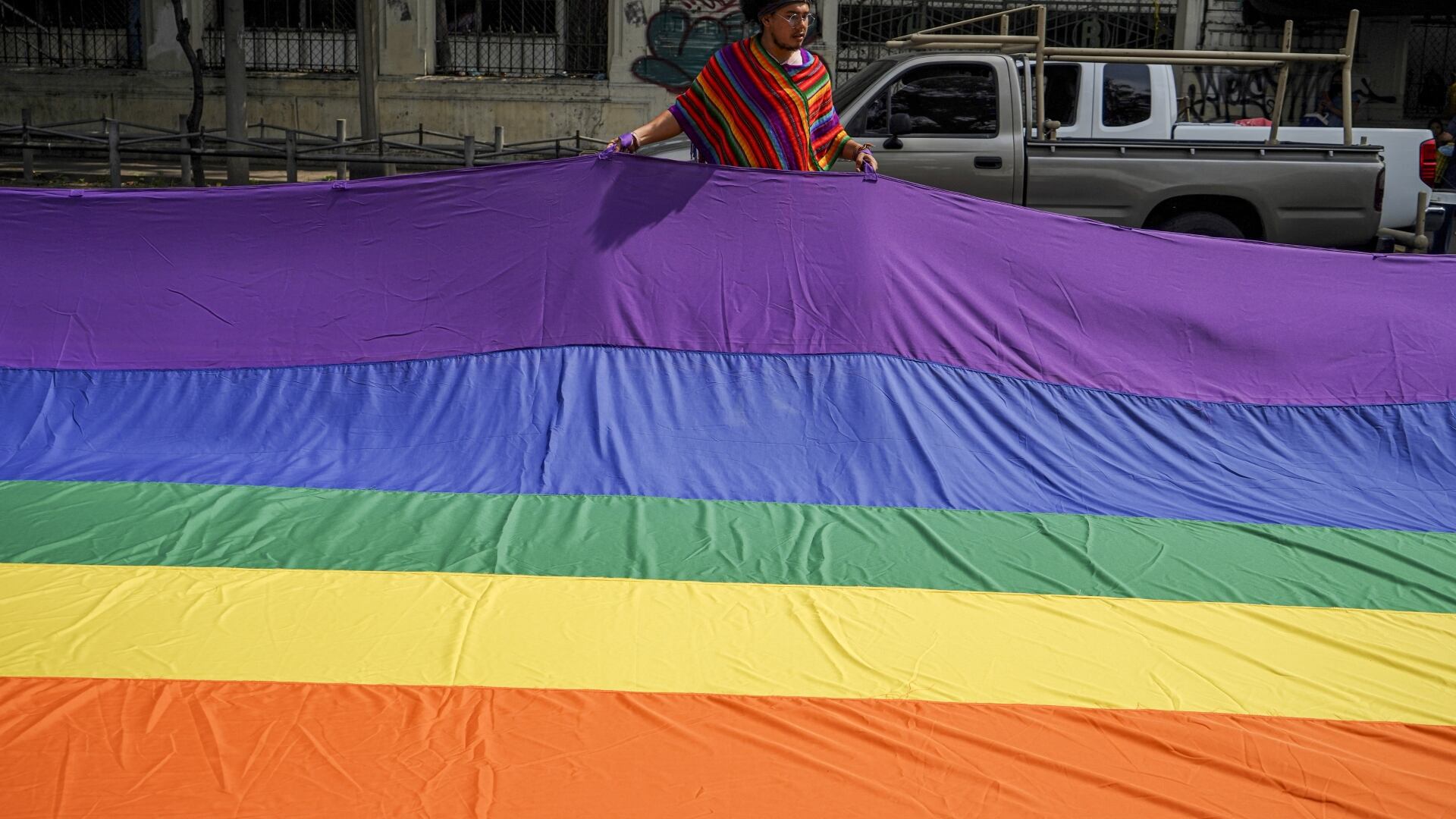
Liana Guzmán, CEO of FOLX Health, joins Cheddar News to discuss the company launching billboards across the country in response to anti-LGBTQ+ legislation.
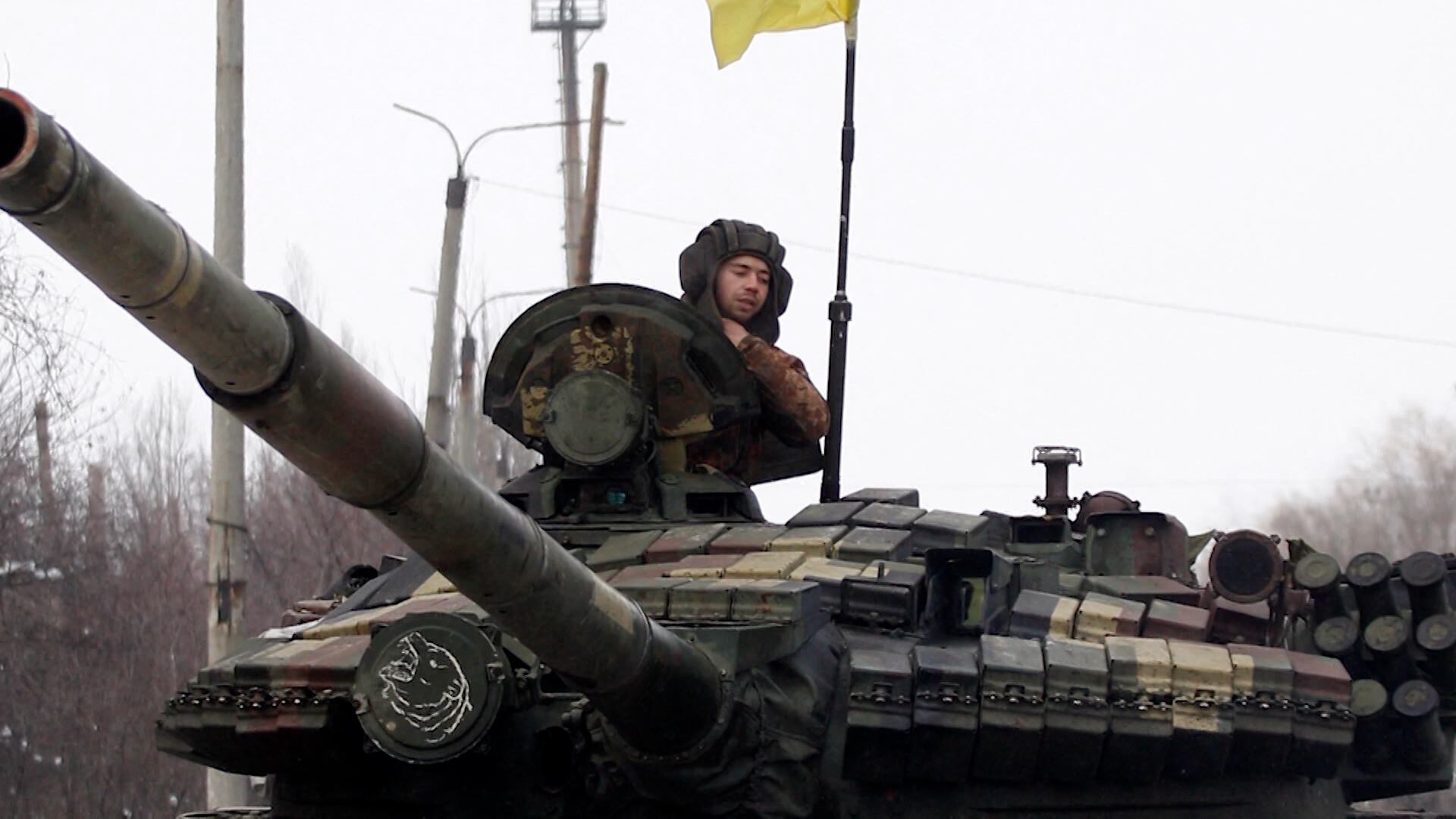
President Biden has announced an additional $800 million in military assistance to Ukraine, including artillery, armored personnel carriers, and helicopters. It comes as Russian forces appear to be preparing for a new, aggressive offensive in the eastern part of Ukraine. Paul McLeary, defense reporter for Politico, joined Cheddar to discuss this new round of aid and what it means for the U.S. commitment to arming the embattled country.
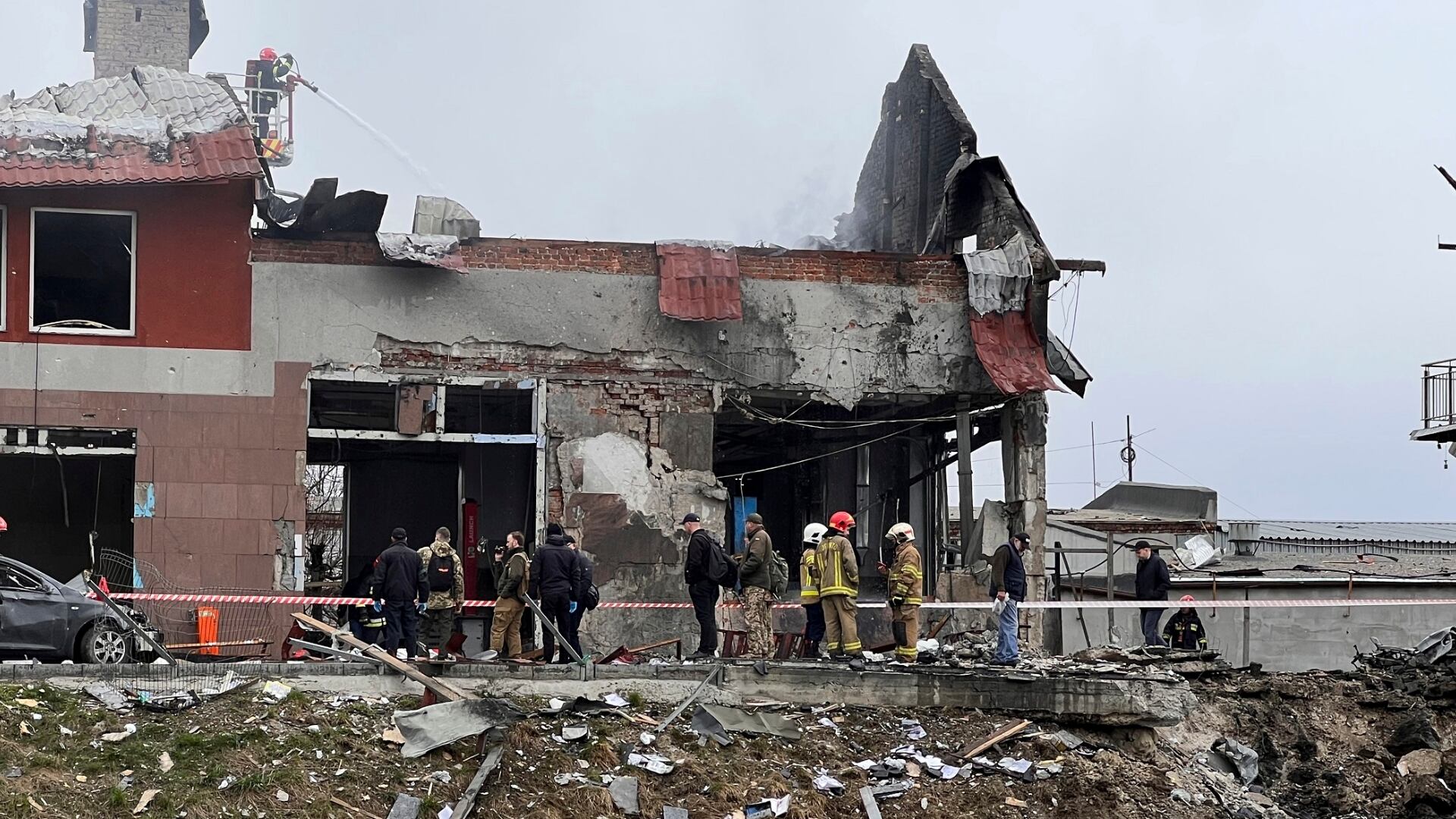
Catching you up on what you need to know on April 18, 2022, with Russian missile attacks on the Ukrainian city of Lviv killing seven, mass shootings in South Carolina and Pittsburgh, Lucky Charms cereal under official investigation by the FDA, and more.
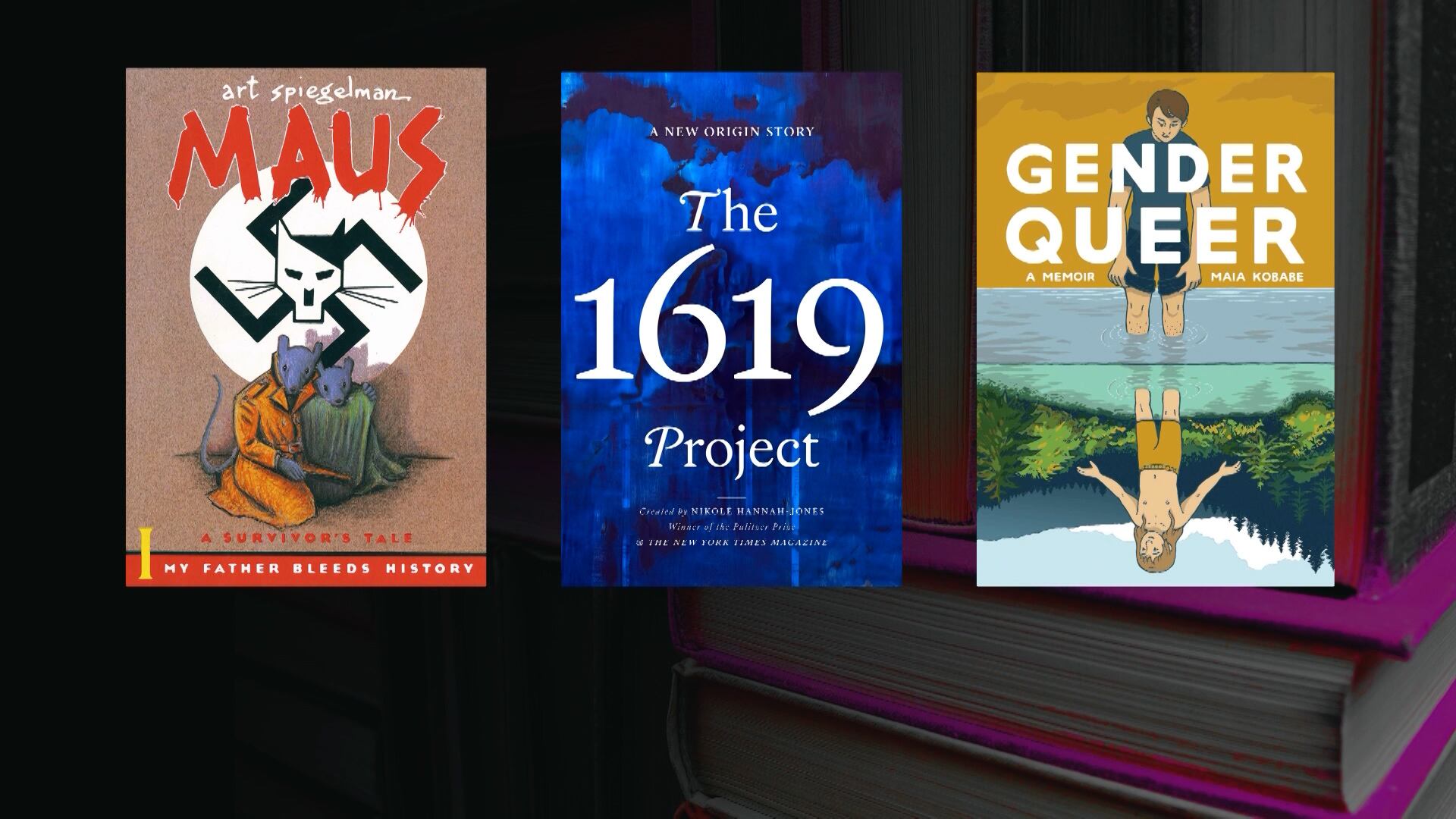
Activism is growing around the country in response to school boards banning books from shelves that focus on sexuality, gender, identity, or race. Jen Cousins, co-founder of The Florida Freedom to Read Project, joins Cheddar News to discuss.
As the Russian invasion of Ukraine intensifies, President Biden has announced a ban on importing Russian oil, gas, and energy. To discuss how this ban will impact the war and Americans, Amir Handjani, non-resident fellow at Quincy Institute, joins Cheddar News.
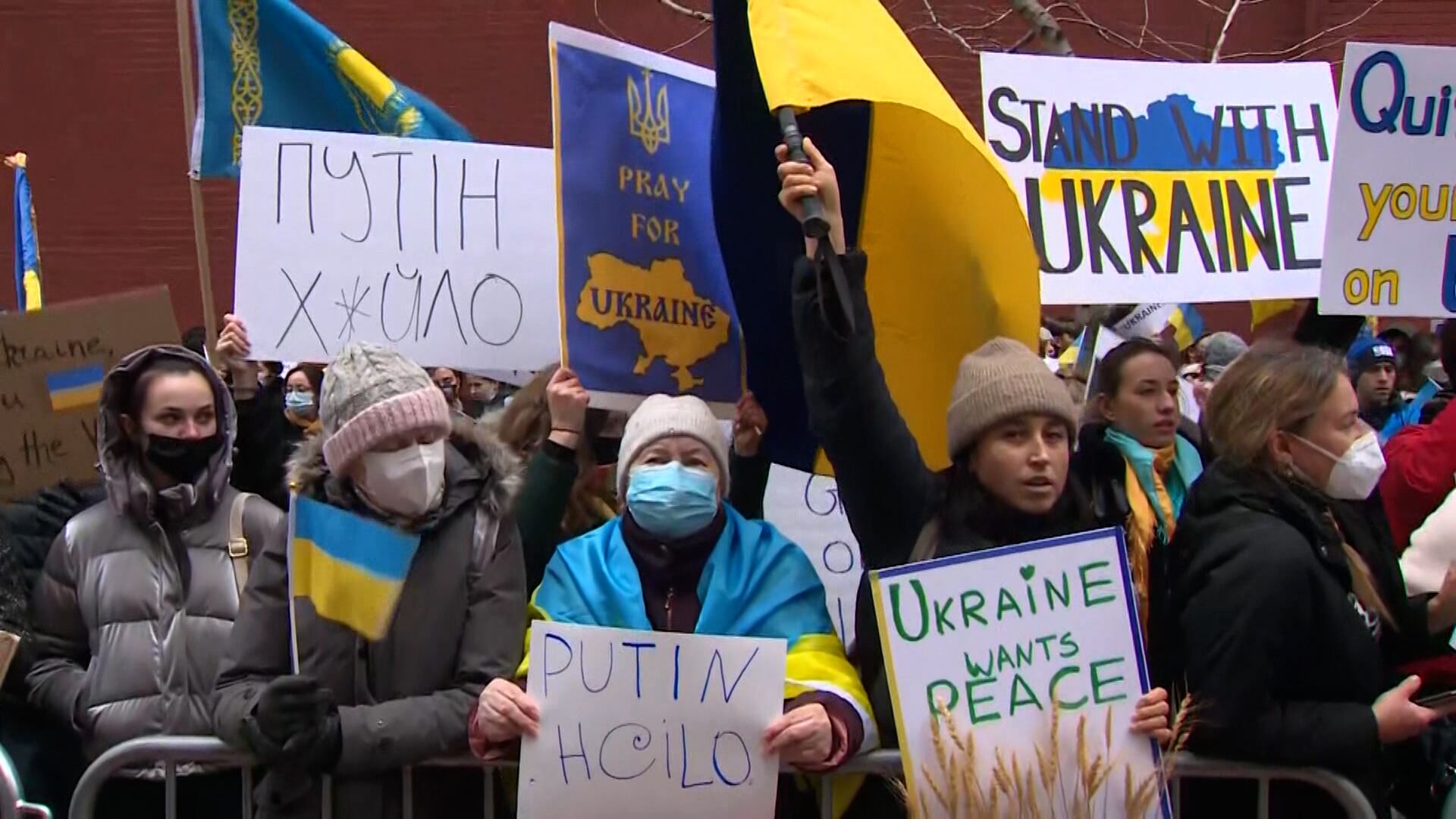
Thousands of protesters around the world are expressing their solidarity with Ukraine against Russia's invasion.
Jason Beardsley, national executive director of the Association of the U.S. Navy and national security expert, joins Cheddar News to discuss.
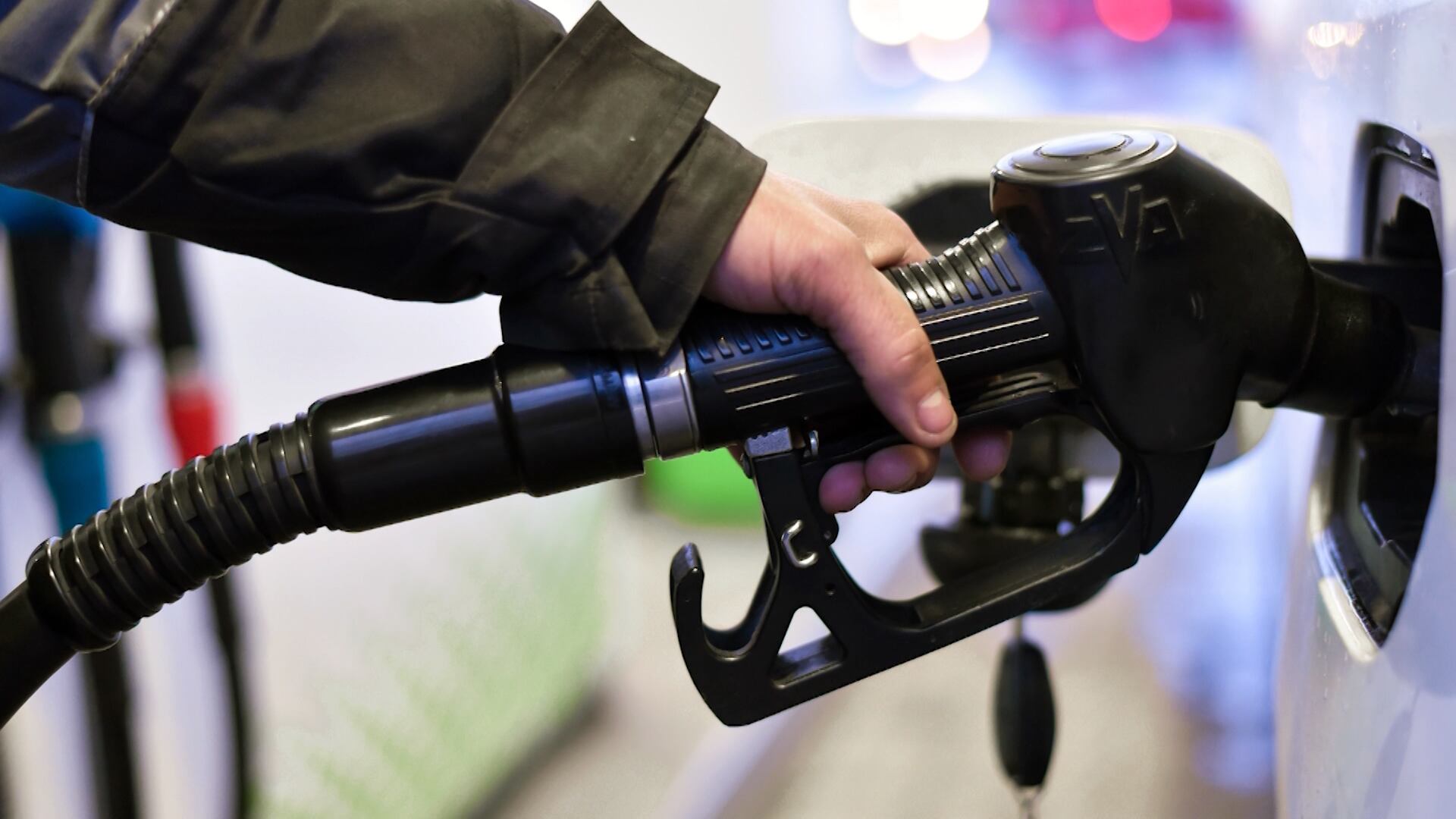
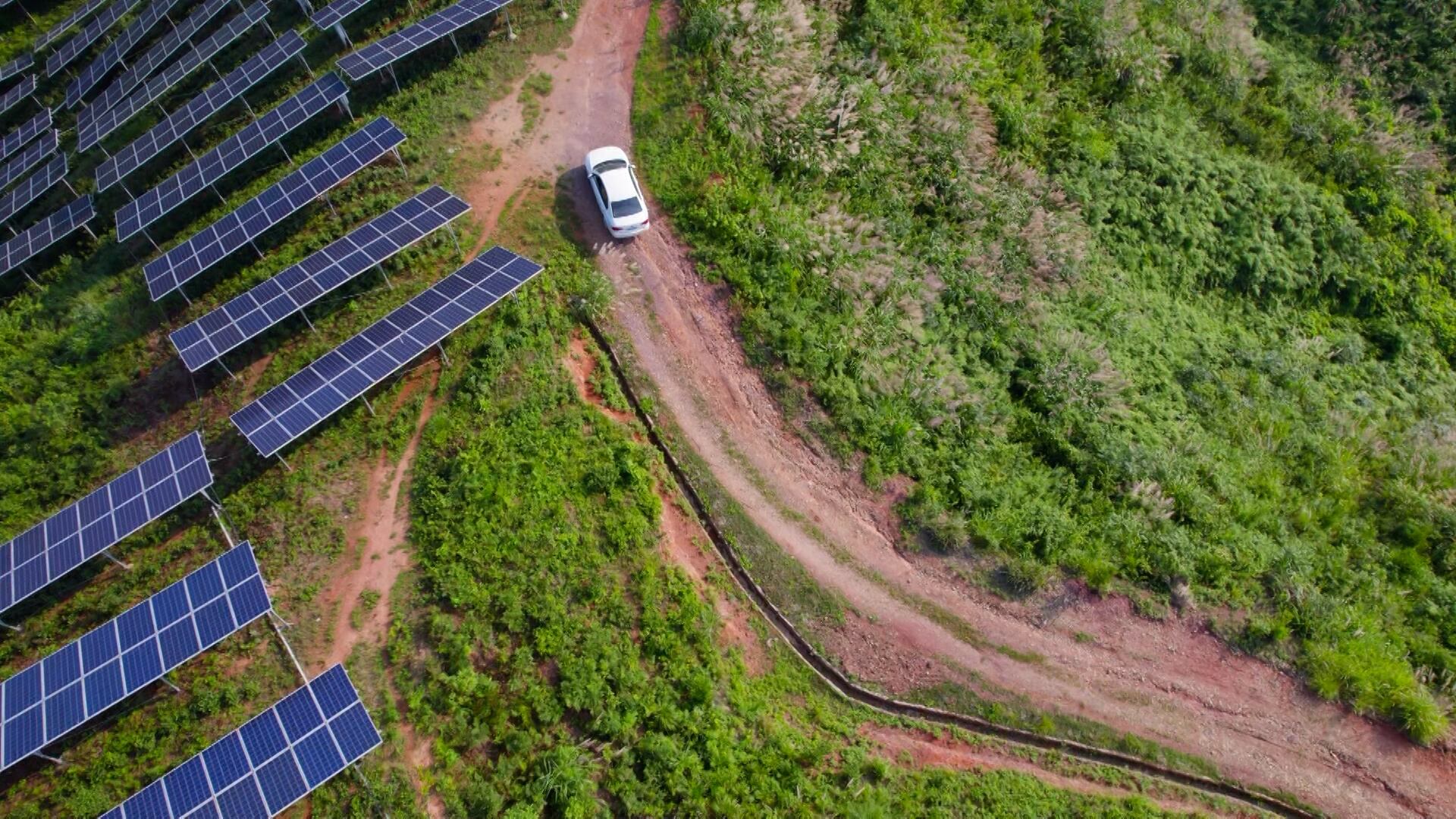
As gas prices surge amid the Russian invasion of Ukraine, other nations could potentially transition faster to using clean energy than previously expected. Philip K. Verleger, a senior fellow at the Niskanen Center, joined Cheddar News to explain how this could be a possibility in the near future. "Part of the reason I think we have this invasion and the tantrum that's being thrown by Russia, terrible tantrum, is because the Russians were trying to slow down the transition," he said. "Ironically they speeded it up."
Following the invasion of Ukraine, a multitude of Western companies have paused doing business with Russia. PepsiCo, Coca-Cola, McDonald's, and Starbucks are the most recent companies to temporarily cease operations in Russia. Dean of Miami Herbert Business School at the University of Miami, John Quelch, joined Cheddar News to discuss what message this sends to Russia and the Russian consumer. “I would not underestimate the collective strength of all of these multinational companies, essentially coming together to make their collective statement in support of the political statements that have come out of Washington," he said.
The war in Ukraine continues to reveal heartbreaking gut-wrenching stories. The war in itself is not only devastating but also expensive. Experts estimate that Russia is draining nearly $20 million dollars each day to continue occupying and invading Ukraine. All this could force the country to turn to cryptocurrencies. It's a major turn for the country that briefly considered outlined digital assets entirely, but it could also have serious implications for cryptos. Managing Director at Quantum Fintech Group, Harry Yeh, joined Cheddar to discuss more.