The Tech Companies That Stand To Lose The Most From Net Neutrality Repeal
In a 3-2 decision, the FCC voted to repeal net neutrality. The battle over internet regulation will now likely head to the courts.
Digital Trends Editor-In-Chief Jeremy Kaplan discusses who will be hit the hardest if and when the regulations go away. Big tech companies like Netflix and Facebook are at the top of the list. They have the largest amount of traffic and require the most data to reach their hordes of users.
Without net neutrality, carriers such as Verizon and AT&T could restrict data speed to specific sites. Supporters of net neutrality argue that repealing the regulations will lead to a tiered data system. Customers would have to pay extra to access the most popular and data-heavy sites.
Apple wrapped up its first product event of the year called 'Peek Performance.' The event showcased Apple's new affordable iPhone, an iPad air update, and the most powerful mac chip yet. Ian Sherr, editor at large at CNET, joins Cheddar News to discuss the highlights of the event.
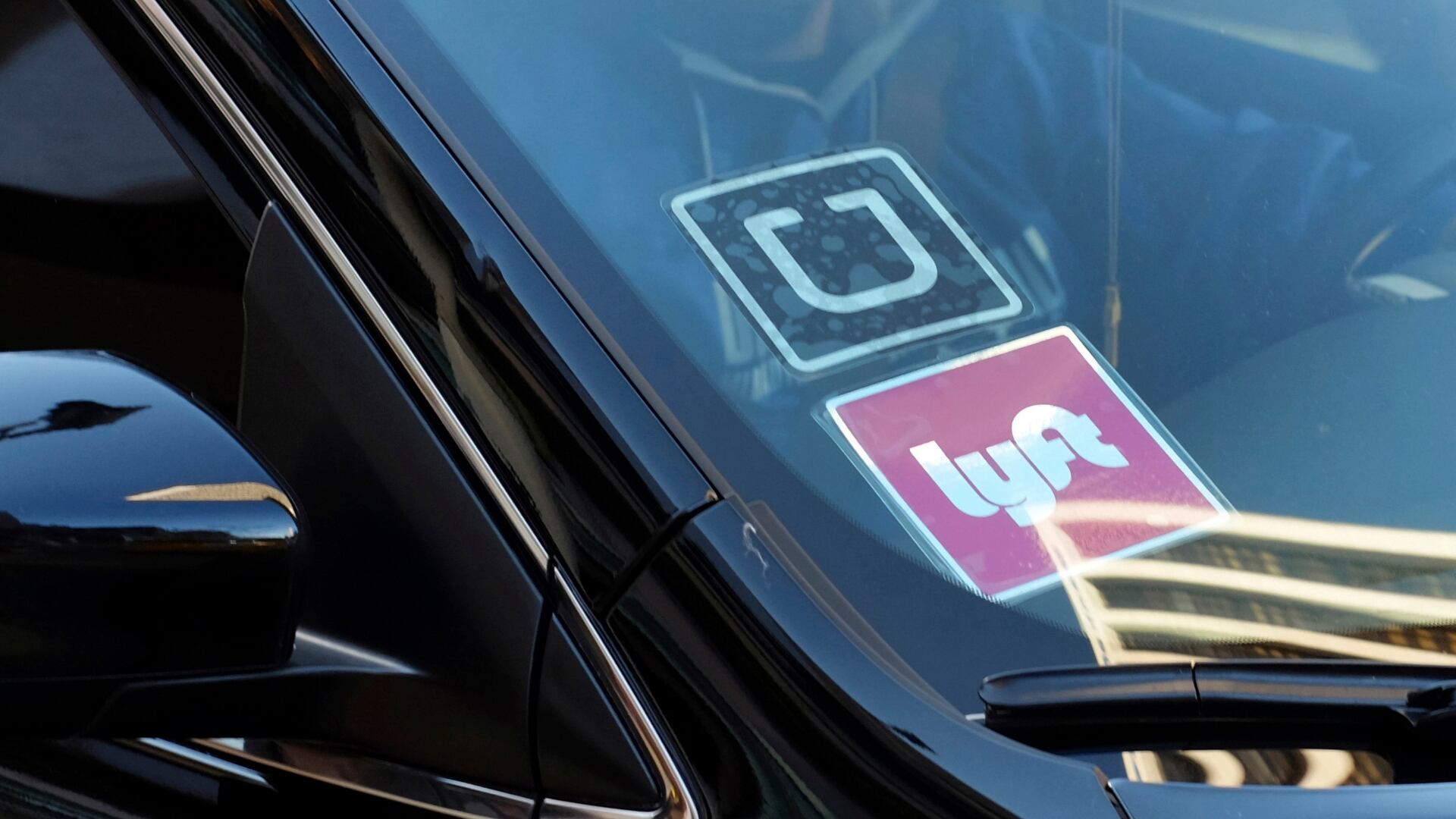
Uber Lyft and Doordash are all set to spend $1 million dollars on a campaign and efforts to stop lawmakers from classifying their gig workers as employees. The campaign features TV and online ads highlighting Washington area workers who say they prefer the flexibility of being an independent contractor rather than following the model of a company employee. Professor at NYU. Stern School of Business and author of the sharing economy, Arun Sundararajan, joined Cheddar to discuss more.
Rachel Van Nortwick, CEO and Founder of Vinylly, joins Cheddar Innovates to discuss how this dating app is designed with music lovers in mind, pairing matches based on each individual's unique taste in music.
Stock trading app Robinhood already has been offering cryptocurrency investments but seems further excited about the asset class following President Biden's recent announcement of an executive order. Dan Gallagher, the chief legal and corporate affairs officer for Robinhood, joined Cheddar News to talk about the White House's tentative vision for digital currency. "I think this executive order firmly states that, yes, crypto is here to stay, which it talks about the important competitive issues around crypto and how the United States needs to be a leader, a global leader, in innovation and technology regarding crypto," he said. Gallagher also discussed having clarity around meme stocks going forward but worried about overregulation slowing down innovation.
American private aviation company Wheels Up saw a substantial revenue increase in its Q4 earnings. With bookings ramping up for the summer — along with hopes of being on the tail-end of COVID-19 — the company is looking at a promising upcoming quarter as well. CEO Kenny Dichter joined Cheddar News to talk about the earnings reports as well as the company's new app development. "We’re following that Uber, Airbnb, Amazon playbook and are really going to disrupt this space through technology," he said.
In this edition of Tik Talk, musicians use tech to make songs with plants. The process turns electrodes in the plants into musical notes and the results just might blow your mind.