The Washington Post broke the story that GPS tracking and fitness company Strava had revealed the locations of secret U.S. Military bases. Now, Rosie Spinks, reporter at Quartz, joins Cheddar to explain how and why she has been focusing on the privacy issues around Strava since this summer.
Spinks explained that this summer people were liking her workouts and routes despite having her location services disabled. Spinks first wrote a piece about the grey area around Strava fitness tracking back in August. Now, she hopes this larger revelation will force the company to adjust their policies.
When it comes to future steps, Spinks is interested to see if Strava will make their opt-out option more accessible.
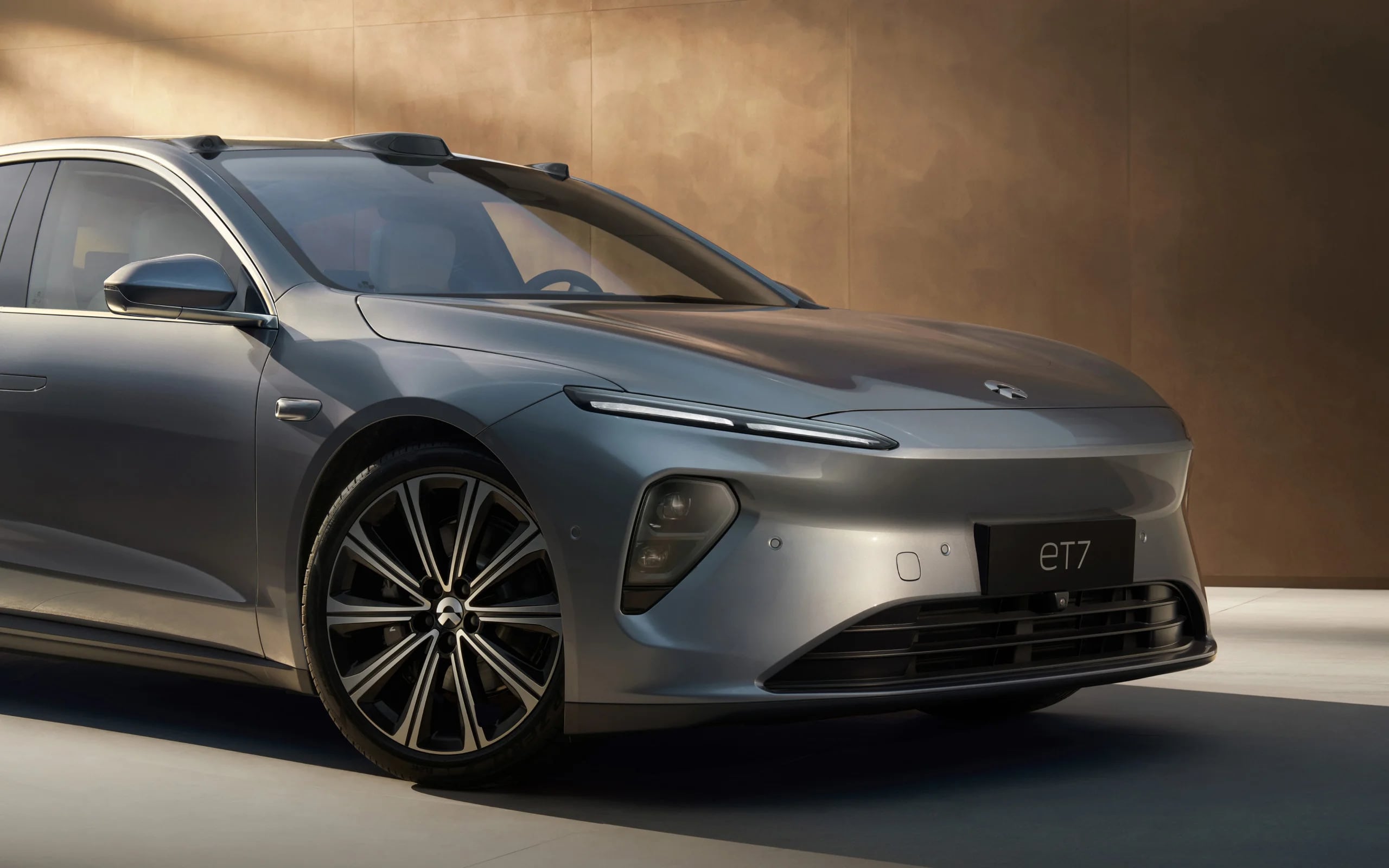
A driverless ride-hailing car in China hit a pedestrian, but people on social media are taking the carmaker’s side in an AI vs. humans debate.
The Federal Reserve faces a cooling job market as well as persistently high prices, Chair Jerome Powell said in a possible sign of looming rate cuts.
America’s oldest flour company, King Arthur Baking Co., saw a six-fold increase in demand during the pandemic, and baking interest continues to rise.
The surgeon general has said there's a loneliness epidemic in America. For many people, that includes a lack of friendships at work. But there's hope!
The housing market shows few signs of busting out of its three-year funk after a disappointing spring season and amid a gloomy outlook for the summer and f
The entertainment giant Paramount will merge with Skydance, closing out a decades-long run by the Redstone family in Hollywood and injecting cash.
For 30 years Ira Galtman’s job has been to document how American Express went from an express stagecoach company in New York in 1850, to what it is today.
Air travel got more miserable last year, if the number of consumer complaints filed with the U.S. government is any measure.
U.S. ticked toward more records Friday after a highly anticipated report on the job market bolstered Wall Street’s hopes for interest rate cuts.
New tech—from Toyota, Nissan and others—could replace lithium-ion in EVs, ushering in an era of safe, fast-charging batteries and 700-mile ranges.