The #MeToo Movement May Have Started in Silicon Valley
Silicon Valley’s gender inequality problem is no secret.
But the situation can be fixed, according to Emily Chang author of the book “Brotopia” and host of Bloomberg Technology.
“The #MeToo movement started in Silicon Valley,” she says.
Years before the reckoning in Hollywood, women like venture capitalist Ellen Pao and Uber’s Susan Fowler spoke out about harassment and discrimination. Their efforts, Chang says, made it “safer for more women to come forward.”
“That’s part of why I wrote the book,” says Chang. “To keep that conversation going and not lose the momentum that some of these courageous women have ignited.”
According to Chang, the gender pay gap in Silicon Valley is five times the national average. In the traditionally male-dominated tech industry, too many find themselves “the only women in the room.”
And there are cultural issues as well. Chang’s book takes an inside look at the social scenes of powerful executives, investors, and entrepreneurs, which include things like “sex parties” and a range of other similarly inappropriate activities.
“All of this perpetuates an uncomfortable environment for women and a power dynamic that is completely lopsided.”
Silicon Valley hasn’t always been this skewed.
“Women actually played vital roles in the computer revolution [in the 40s and 50s],” Chang says. “They were programming computers for the military and programming computers for NASA. Think ‘Hidden Figures’, but really industrywide.”
Lawmakers in several states are embracing legislation to let children work in more hazardous occupations, longer hours on school nights and in expanded roles including serving alcohol in bars and restaurants as young as 14.
Target once distinguished itself as being boldly supportive of the LGBTQ+ community. Now that status is tarnished after it removed some LGBTQ+-themed products and relocated Pride Month displays to the back of stores in certain Southern locations in response to online complaints and in-store confrontations that it says threatened employees’ well-being.
With one of three major rating agencies warning that America’s AAA credit is at risk, the stakes are growing in the standoff in Washington over raising the nation's debt limit.
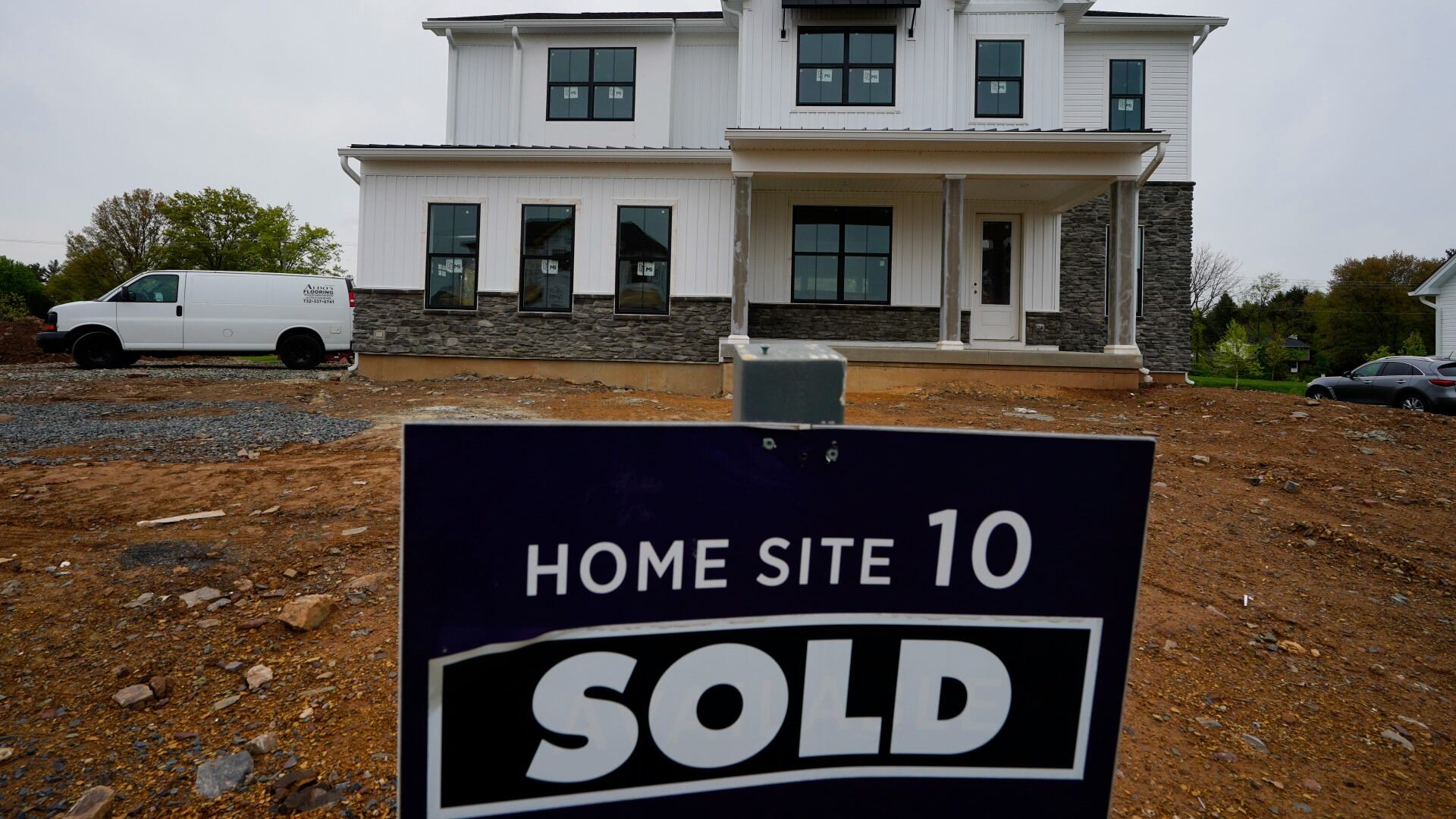
The average long-term U.S. mortgage rate rose this week to its highest level since mid March, driving up borrowing costs for prospective homebuyers facing a housing market that’s constrained by a dearth of homes for sale.
On this edition of Stretching Your Dollar, Corey William Schneider talks about how he made exploring the city a full-time job by founding the New York Adventure Club.
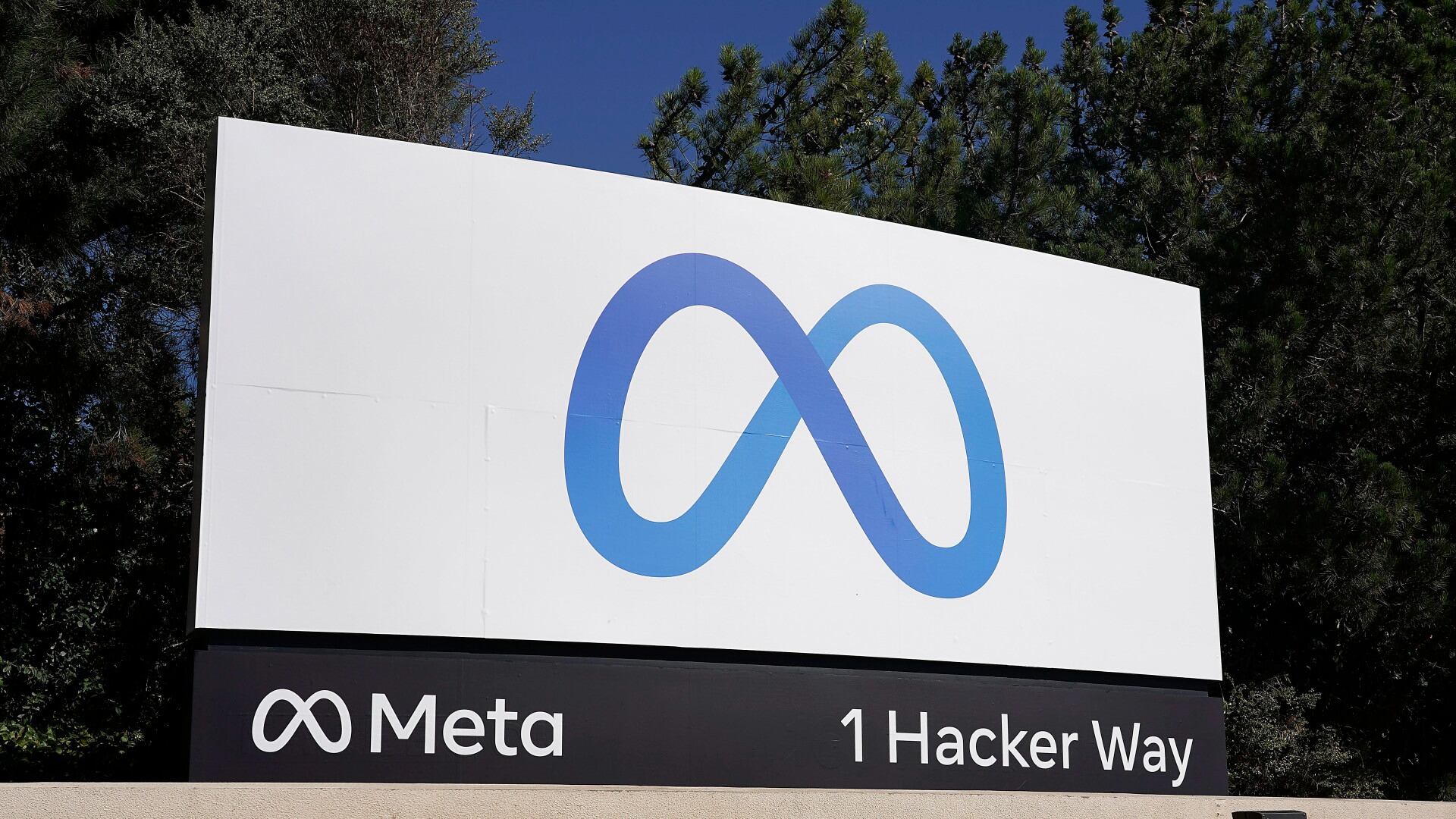
Facebook owner Meta on Wednesday cut positions across its business and operations teams in the final round of layoffs that were first announced in March.
The U.S. economy grew at a lackluster 1.3% annual rate from January through March as businesses wary of an economic slowdown trimmed their inventories, the government said Thursday, a slight upgrade from its initial estimate.