The #MeToo Movement May Have Started in Silicon Valley
Silicon Valley’s gender inequality problem is no secret.
But the situation can be fixed, according to Emily Chang author of the book “Brotopia” and host of Bloomberg Technology.
“The #MeToo movement started in Silicon Valley,” she says.
Years before the reckoning in Hollywood, women like venture capitalist Ellen Pao and Uber’s Susan Fowler spoke out about harassment and discrimination. Their efforts, Chang says, made it “safer for more women to come forward.”
“That’s part of why I wrote the book,” says Chang. “To keep that conversation going and not lose the momentum that some of these courageous women have ignited.”
According to Chang, the gender pay gap in Silicon Valley is five times the national average. In the traditionally male-dominated tech industry, too many find themselves “the only women in the room.”
And there are cultural issues as well. Chang’s book takes an inside look at the social scenes of powerful executives, investors, and entrepreneurs, which include things like “sex parties” and a range of other similarly inappropriate activities.
“All of this perpetuates an uncomfortable environment for women and a power dynamic that is completely lopsided.”
Silicon Valley hasn’t always been this skewed.
“Women actually played vital roles in the computer revolution [in the 40s and 50s],” Chang says. “They were programming computers for the military and programming computers for NASA. Think ‘Hidden Figures’, but really industrywide.”
Did you happen to watch the series The Bear? The show follows a struggling small business owner in Chicago who is trying to save his business. It's a story a lot of small business owners in the U.S. can relate to. To help out these struggling entrepreneurs, Cheddar News brought on an expert here to help take your company from stressful to successful.
The sticker prices for Ford's F-150 Lightning electric pickup trucks are being lowered by thousands of dollars across the board, the company said Monday, due to increased plant capacity, falling costs for battery raw materials and internal efforts to scale production by the Detroit automaker.
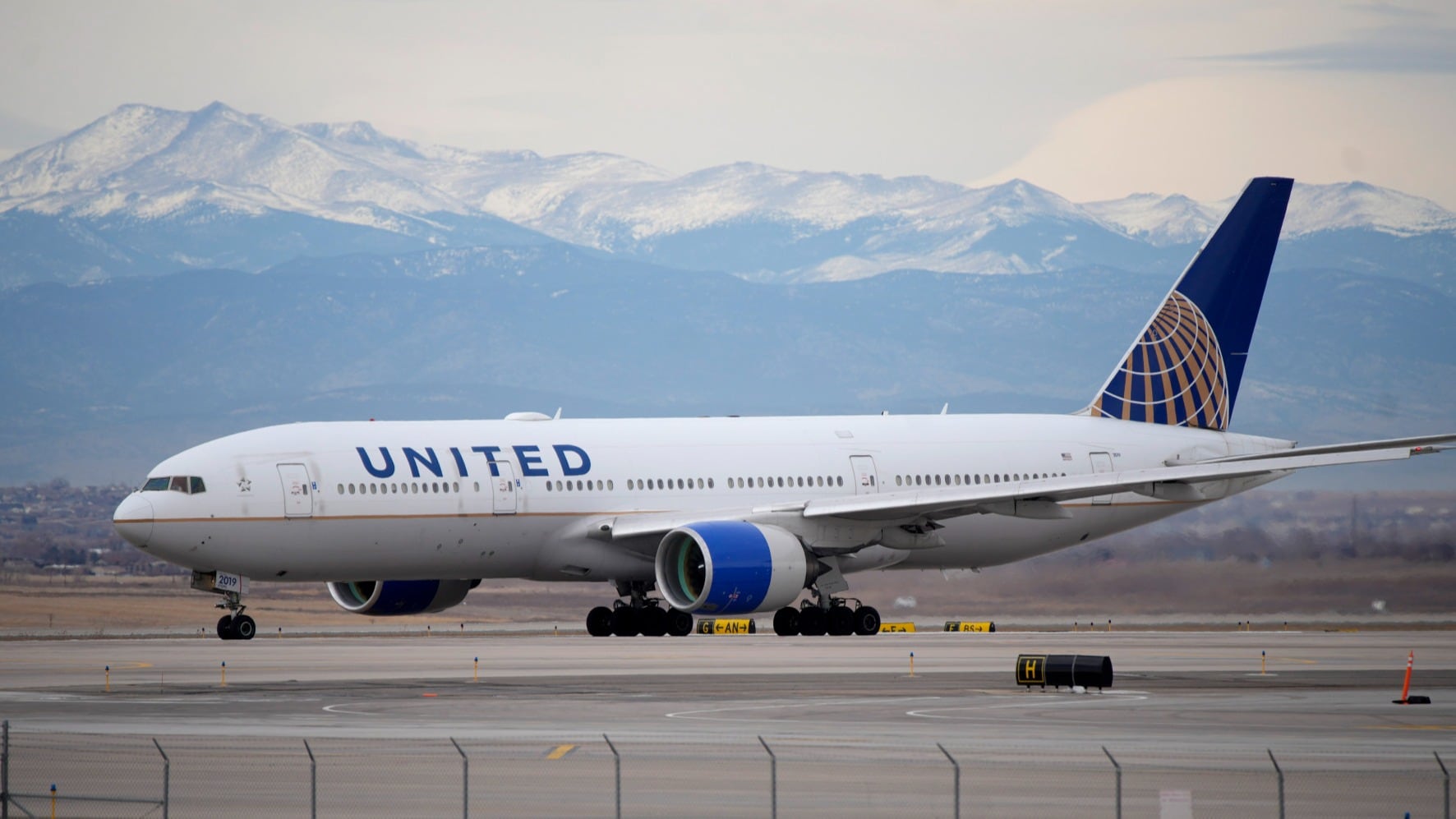
United Airlines and the union representing its pilots said Saturday they reached agreement on a contract that will raise pilot pay by up to 40% over four years.
The court’s ruling applies to higher education institutions and other entities that receive federal funding and doesn’t directly change private employer obligations, but business leaders might pull back diversity, equity and inclusion programs to avoid lawsuits.
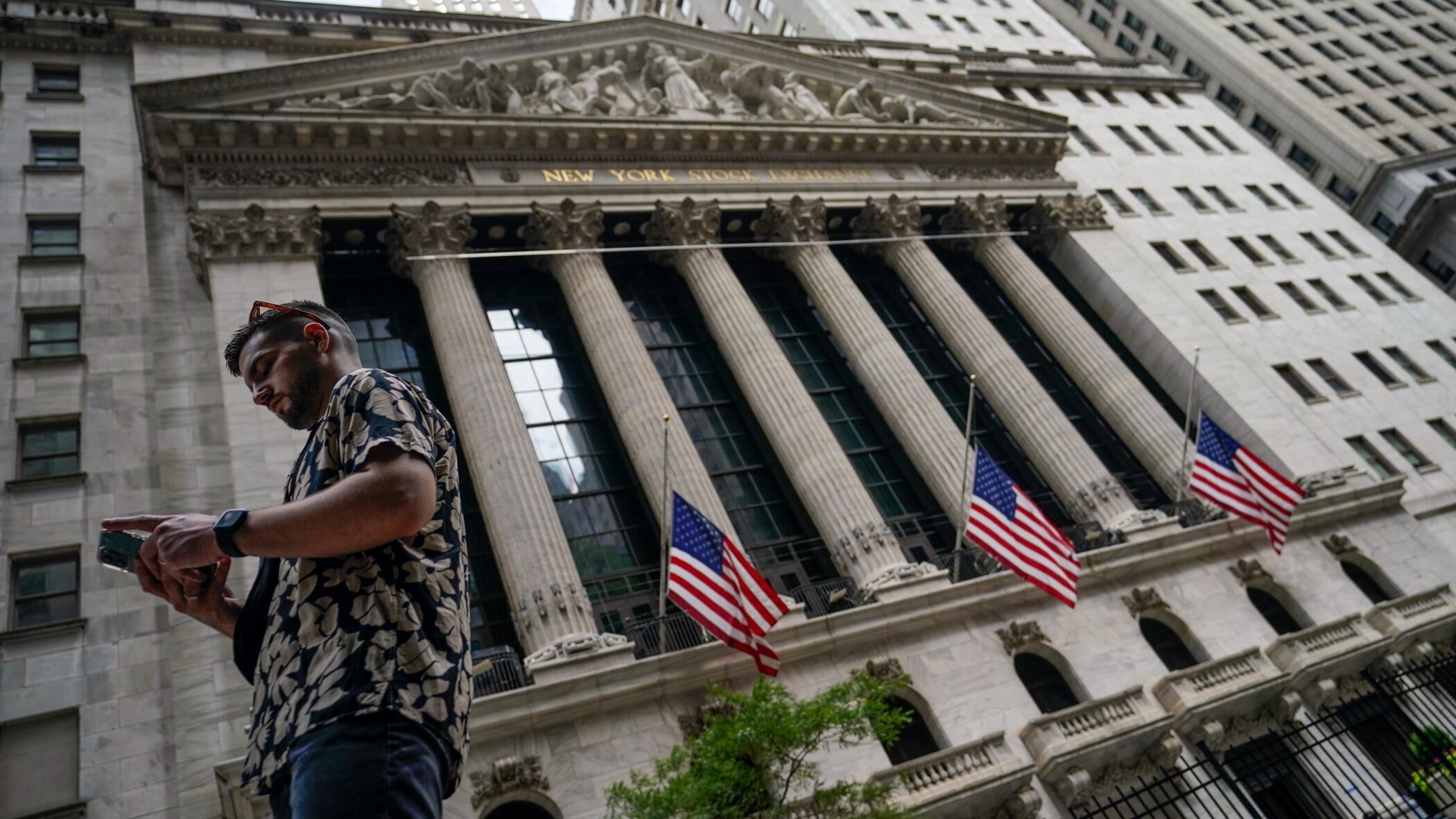
The Week's Top Stories is a guided tour through the biggest market stories of the week, from winning stocks to brutal dips to the facts and forecasts generating buzz on Wall Street. Up this week: Meta, Disney & Microsoft-Activision Blizzard.