The controversial financial product known as XIV is shouldering a lot of the blame for the recent flash crash that saw the Dow slump more than 6% in a span of six minutes. Dave Mazza, Head of ETF Investment Strategy at OppenheimerFunds, was with us to break down the theory that volatility-based products fueled the market meltdown.
The XIV is meant to produce the opposite returns of the volatility index, which spiked 118% Monday. Mazza explained that 2017 was a great year for stocks with record-low volatility. Due to this low volatility, many investors were feasting on these financial products, looking to benefit from volatility going lower. When the exact opposite happened, those investors dealt with the consequences.
"A lot of people like to point the finger at computerized trading for sharp movements in stocks," said Mazza. He said it's only one piece of the story. Mazza highlighted that fundamentals are important to watch and there are many variables that influence stock movement.
Earnings kicked off into high gear as Anheuser-Busch posted results on Thursday as Apple and Amazon are set to announce their financials later in the day.
Investors weren't jolted by the downgrade because they already know the fractured state of U.S. politics, the size of the country's public debt, and the challenges it faces to pay for Social Security, Medicare and other expenses.
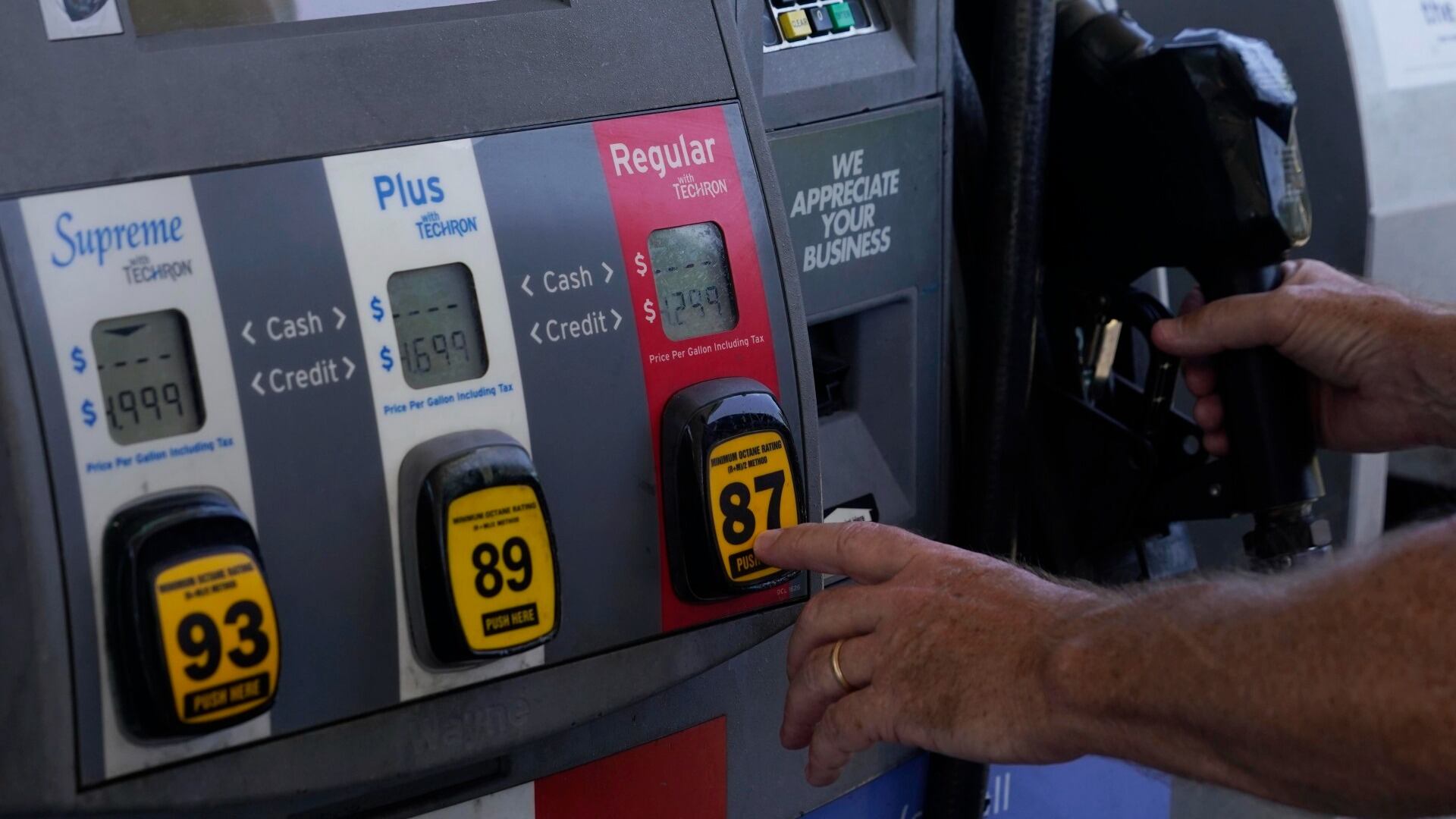
The national average for gas prices stood at about $3.78 a gallon on Tuesday — about 25 cents higher than that seen one month ago, according to motor club AAA. While today's prices at the pump remain far lower than they were last year, when energy costs soared worldwide in the months following Russia's invasion of Ukraine, experts say such a jump is unusual.