The controversial financial product known as XIV is shouldering a lot of the blame for the recent flash crash that saw the Dow slump more than 6% in a span of six minutes. Dave Mazza, Head of ETF Investment Strategy at OppenheimerFunds, was with us to break down the theory that volatility-based products fueled the market meltdown.
The XIV is meant to produce the opposite returns of the volatility index, which spiked 118% Monday. Mazza explained that 2017 was a great year for stocks with record-low volatility. Due to this low volatility, many investors were feasting on these financial products, looking to benefit from volatility going lower. When the exact opposite happened, those investors dealt with the consequences.
"A lot of people like to point the finger at computerized trading for sharp movements in stocks," said Mazza. He said it's only one piece of the story. Mazza highlighted that fundamentals are important to watch and there are many variables that influence stock movement.
A pair of sneakers that were made for director Spike Lee sold for more than $50,000 at auction.
Union members for Anheuser-Busch are looking for a better deal and they are willing to go on strike.
New data from the National Association of Home Builders shows that falling mortgage rates have improved homebuilder confidence and increased demand to buy homes.
About nine million people with student loans missed their first payment after the recent pandemic pause, according to data.
Spending this holiday season is set to significantly rise, according to an economic survey from CNBC.
Google settled an antitrust lawsuit, Tesla is reportedly raising pay, a group is suing Utah over its social media policies for kids and the founder of Nikola was sentenced to prison.
The White House is lending its support to an auto industry effort to standardize Tesla’s electric vehicle charging plugs for all EVs in the United States.
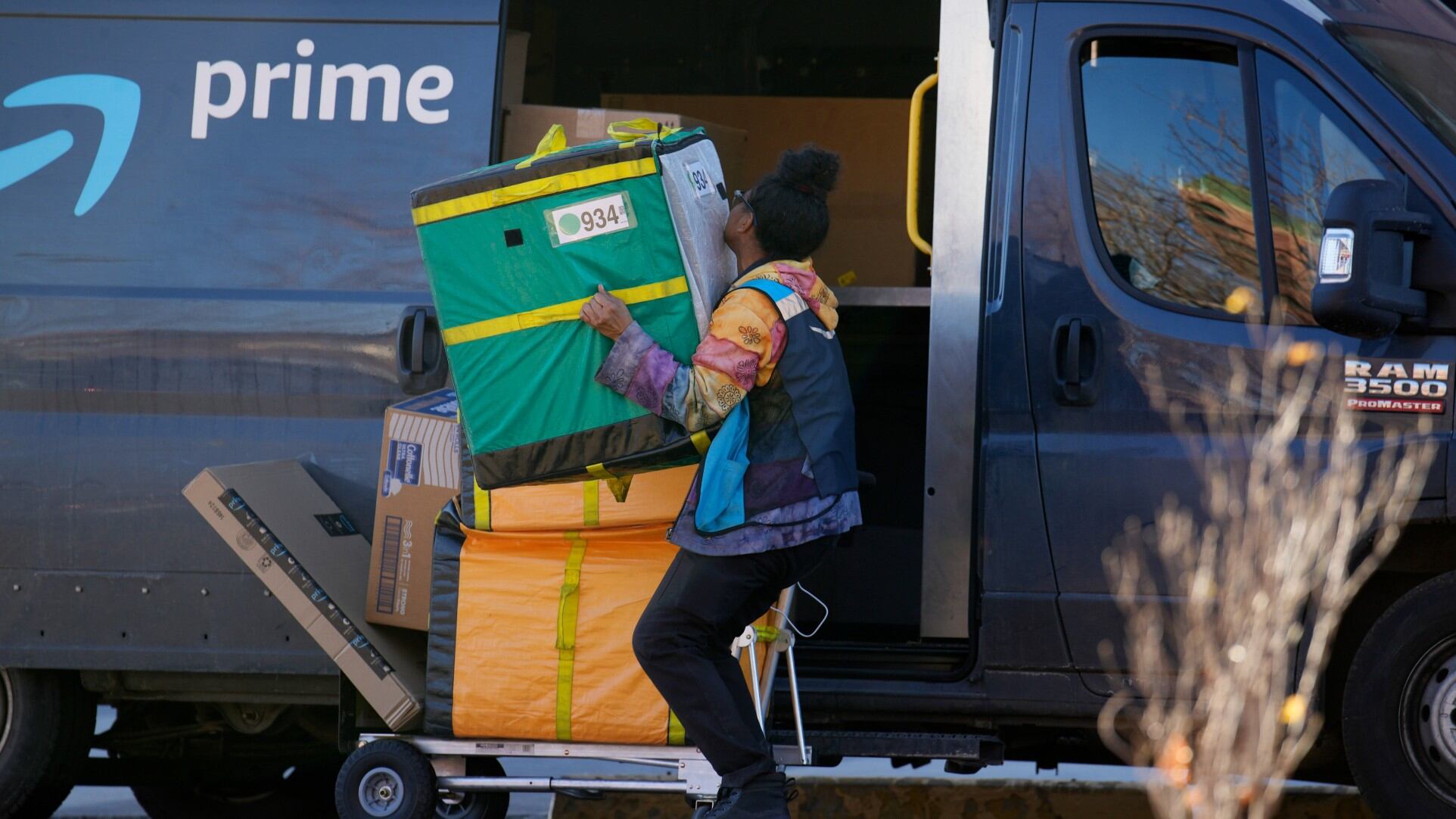
Some of America’s biggest retailers are working to increase their shipping speeds to please shoppers expecting faster and faster deliveries.
A group representing several big tech companies is suing Utah over state laws about children's social media use.
Google has agreed to pay $700 million to settle an anti-trust settlement.