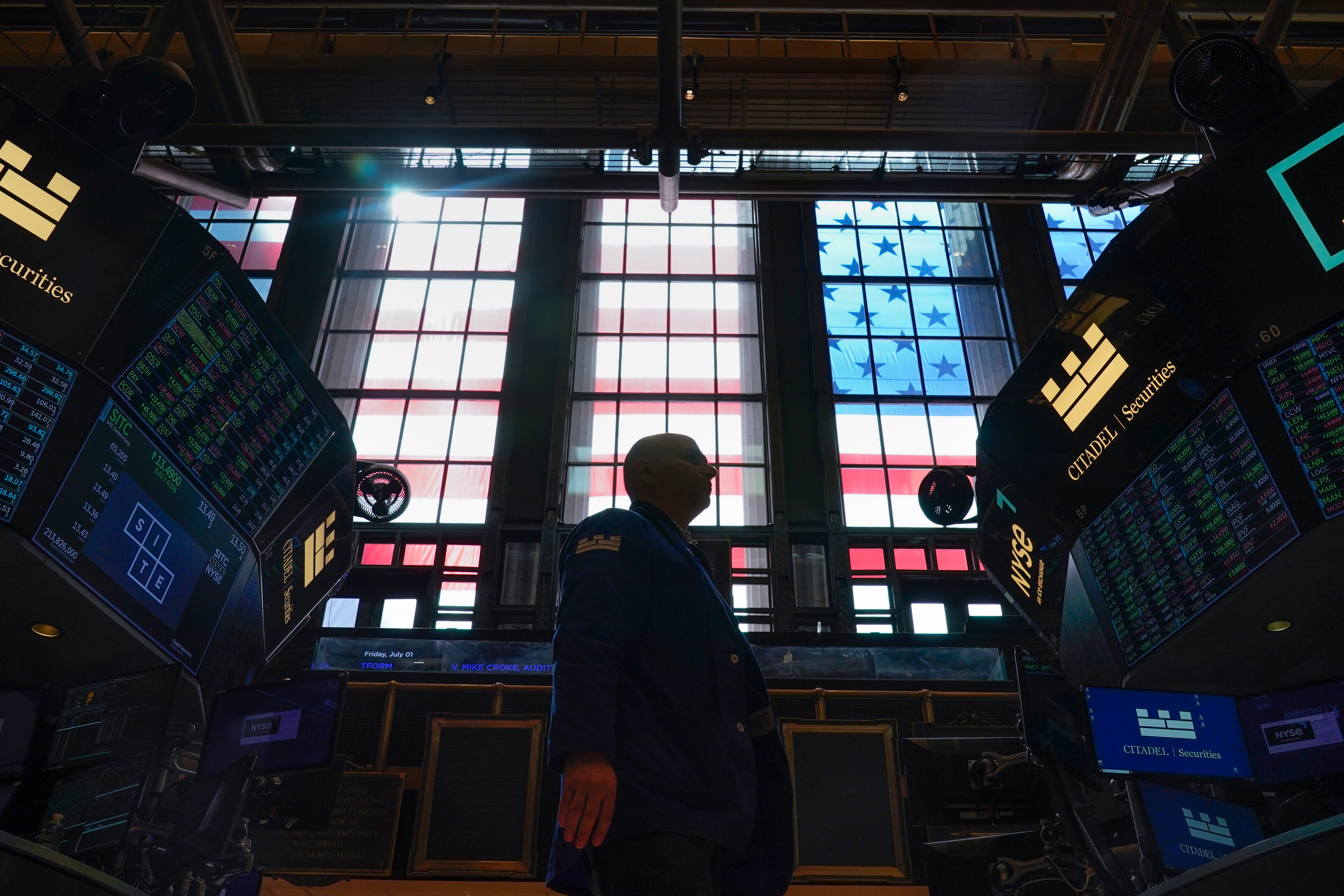
The controversial financial product known as XIV is shouldering a lot of the blame for the recent flash crash that saw the Dow slump more than 6% in a span of six minutes. Dave Mazza, Head of ETF Investment Strategy at OppenheimerFunds, was with us to break down the theory that volatility-based products fueled the market meltdown.
The XIV is meant to produce the opposite returns of the volatility index, which spiked 118% Monday. Mazza explained that 2017 was a great year for stocks with record-low volatility. Due to this low volatility, many investors were feasting on these financial products, looking to benefit from volatility going lower. When the exact opposite happened, those investors dealt with the consequences.
"A lot of people like to point the finger at computerized trading for sharp movements in stocks," said Mazza. He said it's only one piece of the story. Mazza highlighted that fundamentals are important to watch and there are many variables that influence stock movement.
Global prices for food commodities like grain and vegetable oil fell last year from record highs in 2022, when Russia’s war in Ukraine, drought and other factors helped worsen hunger worldwide, the U.N. Food and Agriculture Organization said Friday.
Wall Street is drifting higher after reports showed the job market remains solid, but key parts of the economy still don’t look like they’re overheating.
The Biden administration is docking more than $2 million in payments to student loan servicers that failed to send billing statements on time after the end of a pandemic payment freeze.
The nation’s employers added a robust 216,000 jobs last month, the latest sign that the American job market remains resilient even in the face of sharply higher interest rates.
A U.S. labor agency has accused SpaceX of unlawfully firing employees who penned an open letter critical of CEO Elon Musk and creating an impression that worker activities were under surveillance by the rocket ship company.