The controversial financial product known as XIV is shouldering a lot of the blame for the recent flash crash that saw the Dow slump more than 6% in a span of six minutes. Dave Mazza, Head of ETF Investment Strategy at OppenheimerFunds, was with us to break down the theory that volatility-based products fueled the market meltdown.
The XIV is meant to produce the opposite returns of the volatility index, which spiked 118% Monday. Mazza explained that 2017 was a great year for stocks with record-low volatility. Due to this low volatility, many investors were feasting on these financial products, looking to benefit from volatility going lower. When the exact opposite happened, those investors dealt with the consequences.
"A lot of people like to point the finger at computerized trading for sharp movements in stocks," said Mazza. He said it's only one piece of the story. Mazza highlighted that fundamentals are important to watch and there are many variables that influence stock movement.
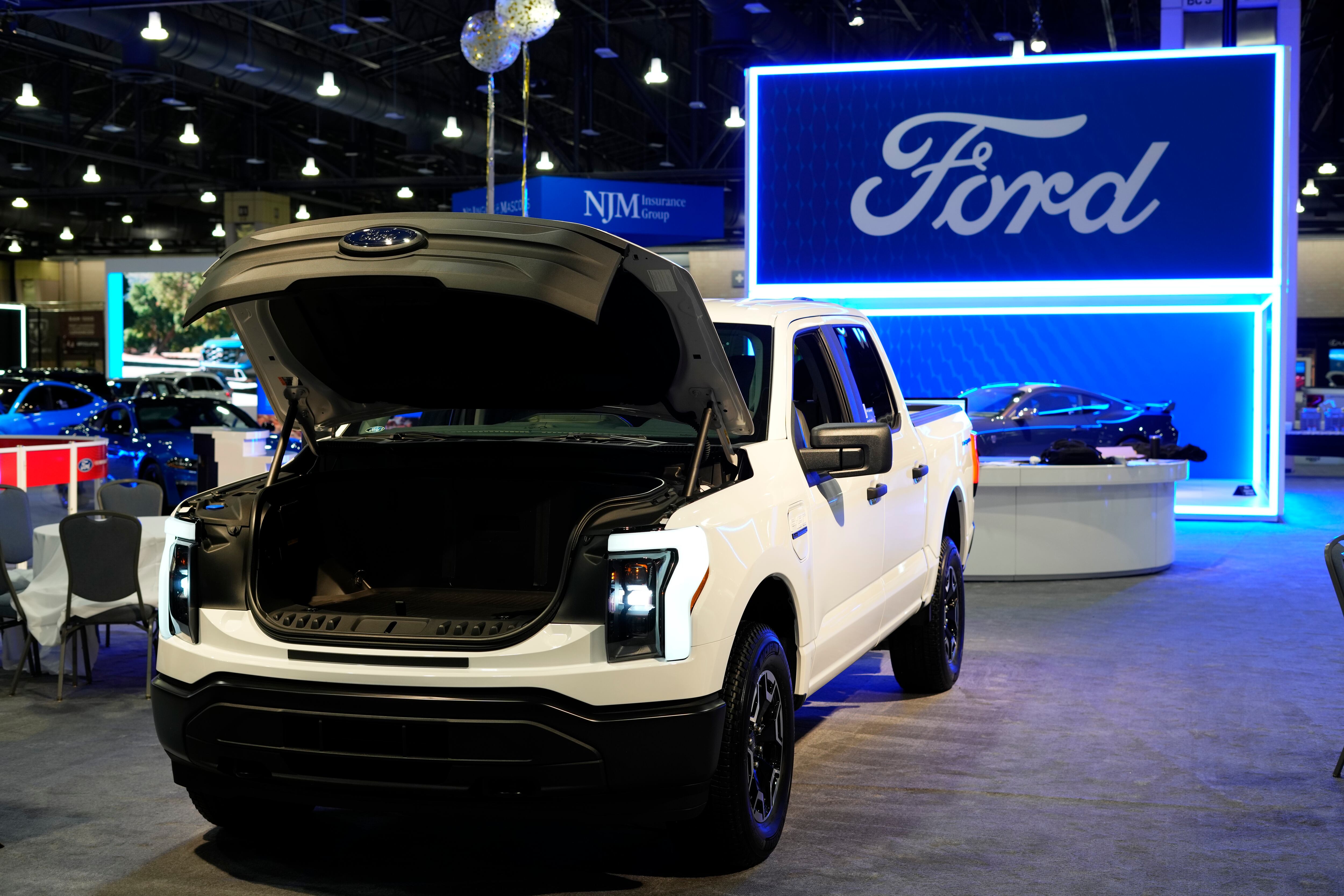
Ford says it’s reducing production of the F-150 Lightning electric pickup vehicle as it adjusts to weaker-than-expected electric vehicle sales growth. The automaker said about 1,400 workers will be impacted by the move.
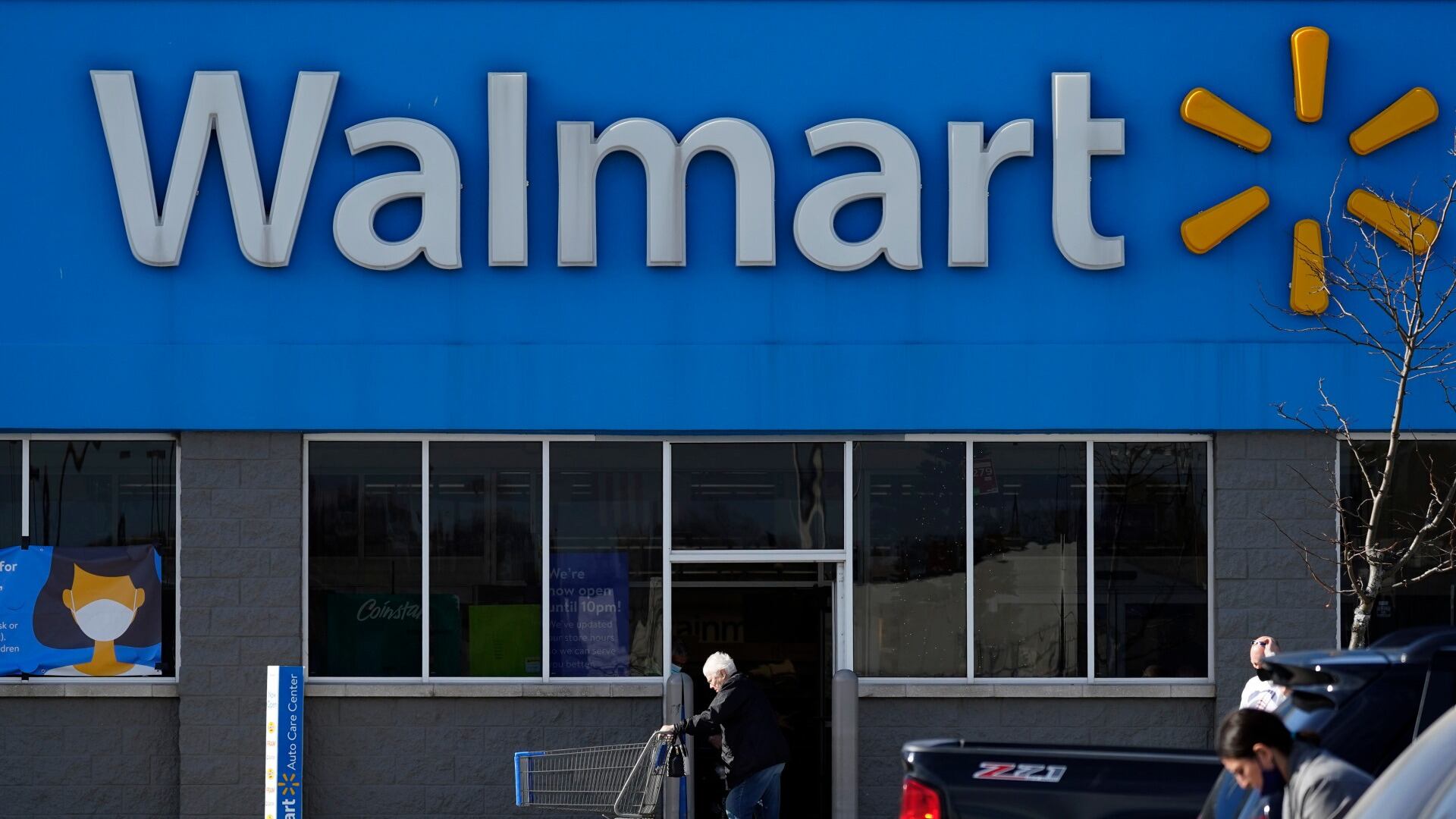
Walmart Inc. is raising the starting base pay for store managers, while redesigning its bonus plan that will put more of an emphasis on profits for these leaders.
Despite concerns about shipping delays in the Red Sea, RSM Chief Economist Joe Brusuelas says there are still reasons to be optimistic about the state of the U.S. economy.
Dan Ives, Managing Director and Senior Equity Analyst at Wedbush Securities dives deeper into a report by the International Data Corporation (IDC) that Apple has ended Samsung's 12-year reign as the world's largest smartphone seller.
Artificial intelligence is the biggest buzzword at the World Economic Forum’s annual meeting in Davos. Advances in generative AI stunned the world last year, and the elite crowd is angling to take advantage of its promise and minimize its risks.
Smartphones could get much smarter this year as the next wave of artificial intelligence seeps into the devices that accompany people almost everywhere they go.
In an annual assessment of global inequalities, Oxfam International said the first trillionaire could emerge within the next decade — as the anti-poverty organization pointed to the growing wealth gap that skyrocketed globally during the pandemic.