The controversial financial product known as XIV is shouldering a lot of the blame for the recent flash crash that saw the Dow slump more than 6% in a span of six minutes. Dave Mazza, Head of ETF Investment Strategy at OppenheimerFunds, was with us to break down the theory that volatility-based products fueled the market meltdown.
The XIV is meant to produce the opposite returns of the volatility index, which spiked 118% Monday. Mazza explained that 2017 was a great year for stocks with record-low volatility. Due to this low volatility, many investors were feasting on these financial products, looking to benefit from volatility going lower. When the exact opposite happened, those investors dealt with the consequences.
"A lot of people like to point the finger at computerized trading for sharp movements in stocks," said Mazza. He said it's only one piece of the story. Mazza highlighted that fundamentals are important to watch and there are many variables that influence stock movement.
TikTok once again finds itself in a precarious position as lawmakers in Washington move forward with a bill that could lead to a nationwide ban on the platform.
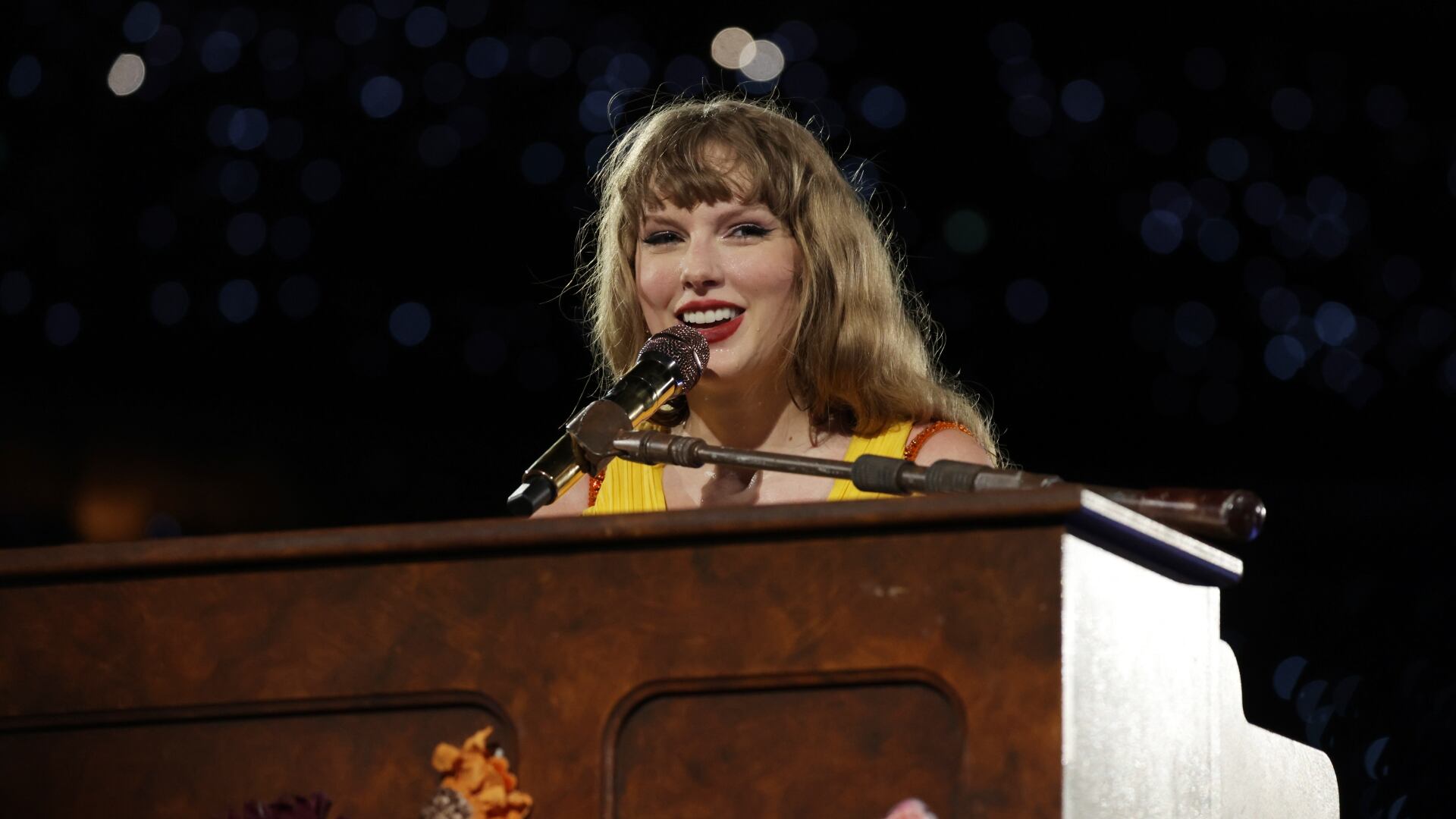
Bryan West, Gannett’s Taylor Swift reporter, recaps the many, many, theories and Easter eggs Swifties are debating as her ‘Eras Tour’ film comes to Disney+.
‘Our Biggest Fight’ author and Project Liberty founder Frank McCourt, Jr. explains his problem with the internet – and why this Tiktok bill is just a starting point.
Consumer prices in the United States picked up last month, a sign that inflation remains a persistent challenge for the Federal Reserve and for President Biden.
Jayesh Govindarajan, head of A.I. at Salesforce, explains the company's new Einstein copilot, plus other ways it is investing in artificial intelligence.
Altro founder and CEO Michael Broughton shares how his company is bringing both expanded credit access and financial wellness to underserved consumers, plus netting early investments from Tinashe, Quavo, and Jay Z’s Marcy Ventures.
Portillo’s CEO Michael Osanloo discusses the company’s decades of profitability, opening restaurants in new markets, and why it doesn’t need trends like dynamic pricing.