Monetizing music is not an easy task, but Splice is finding success cracking the code. Splice's Co-Founder, Steve Martocci, joined us to discuss how the company is developing a creative hub for modern musicians.
Splice isn't Martocci's first company. He founded GroupMe in 2010 and sold it to Skype in 2011. While he is taking on a different industry, he shares that he orignally created GroupMe with the intention to make it easier for friends to go to concerts together. Martocci says software has always been his canvas, and music is the motivator. The entrepreneur tells us how his experience with the messaging application is helping him in his latest venture.
Martocci explains that the app works for everyone from GRAMMY nominated artists to brand new musicians. In fact, a sound from Demi Lovato's hit song "Sorry Not Sorry," was sampled from the Splice platform. It's not just music. The platform is used for all types of audio, including cinema.
Splice just raised $35 million, bringing total funding to $47 million. While the company has made a lot of progress, Martocci says there is a lot more to do. With the new funding, he plans to build the best team possible.
April's release of the monthly Housing Starts and Building Permits reports by the Census Bureau provides crucial insights into the construction activity in the housing market. These reports are an economic indicator, shedding light on the current state of the housing market and its broader economic impact.
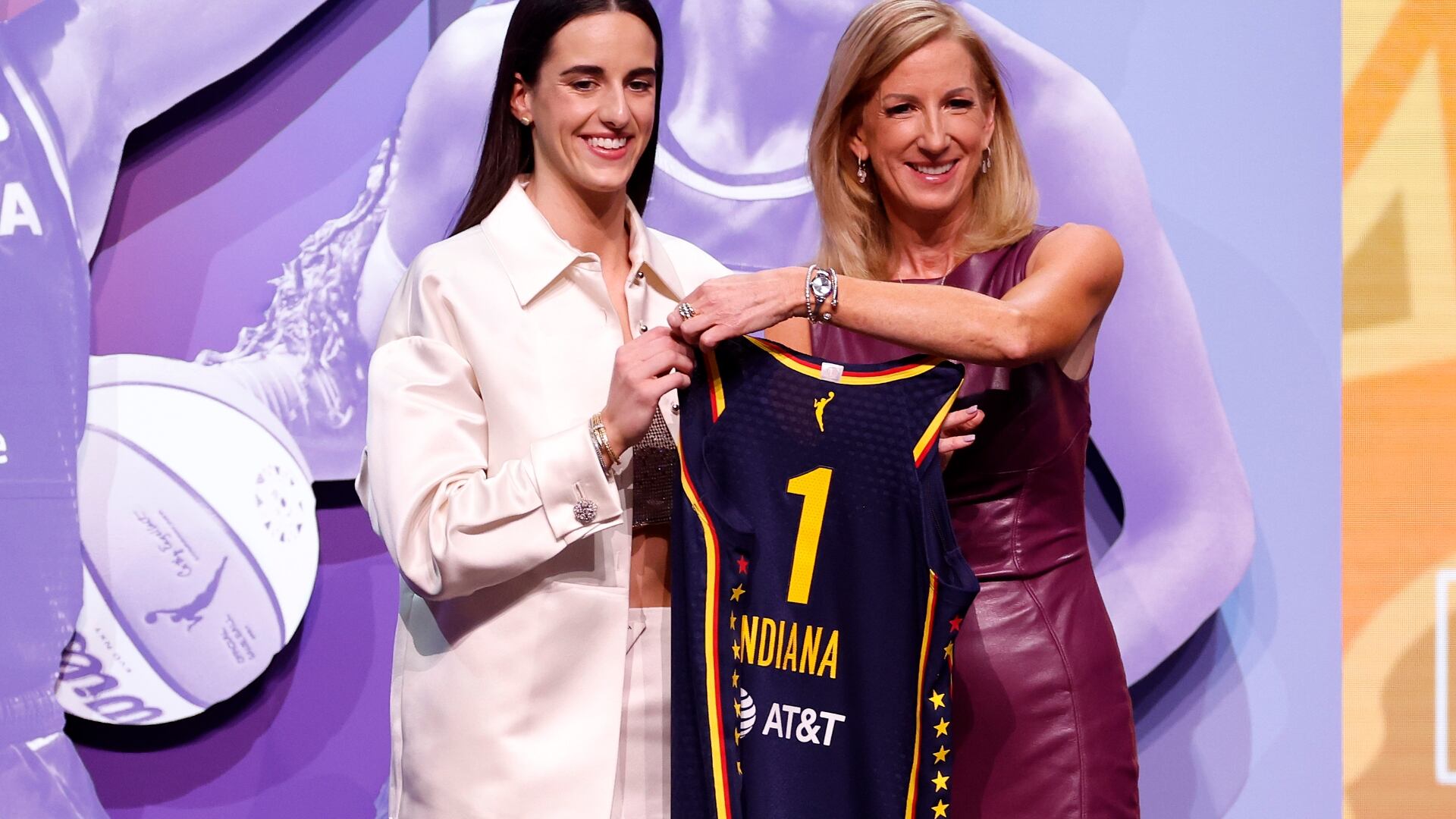
Caitlin Clark is heading to the Indiana Fever, the number one draft pick and the highest-scoring college basketball player of all time. And while she may not be getting millions from the WNBA, there's a few ways she'll net compensation for her generational talents.
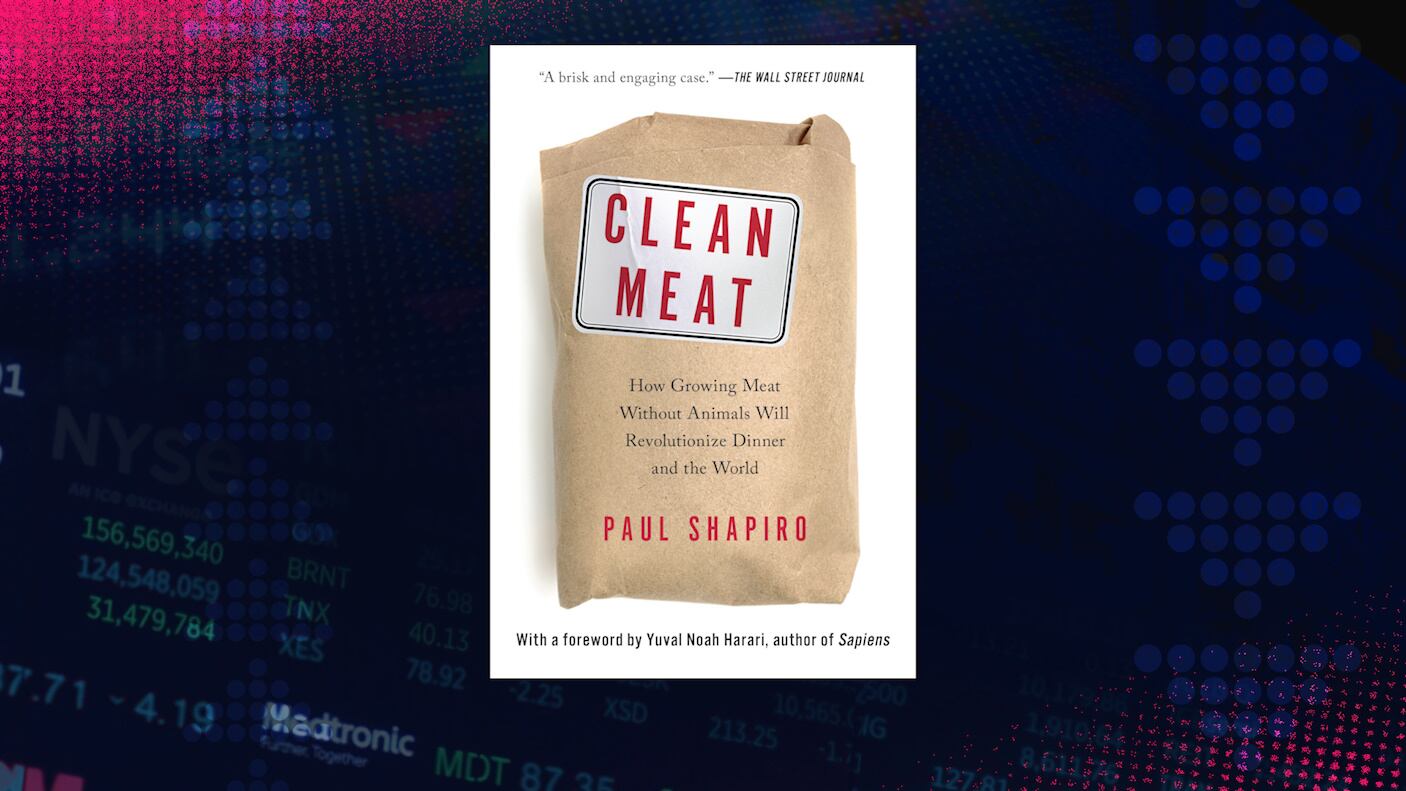
Author of 'Clean Meat,' Paul Shapiro joins Cheddar to discuss how the cellular agricultural revolution helps lower rates of foodborne illness and greatly improves environmental sustainability. Plus, how his company The Better Meat Co. is bringing healthier food options to the table.
Recent headlines might make it sound like World War III is imminent, but when it comes to your finances, it's not the time to panic. The market is coming off its longest winning streak since 2011.
You may have noticed fewer new venture capital-backed startups (like Airbnb or Uber) lately. The market slowed to a crawl after 2021, but things are expected to take off again in 2025.
Corporate earnings season is underway, that time when companies share their billions in sales or double-digit profits. But the data shows even companies are struggling with high inflation and interest rates.
Boeing continues their terrifying trend of having their planes fall apart mid-flight, inflation — checks notes — is still up and the future of AI looks terrifying. Cheery!
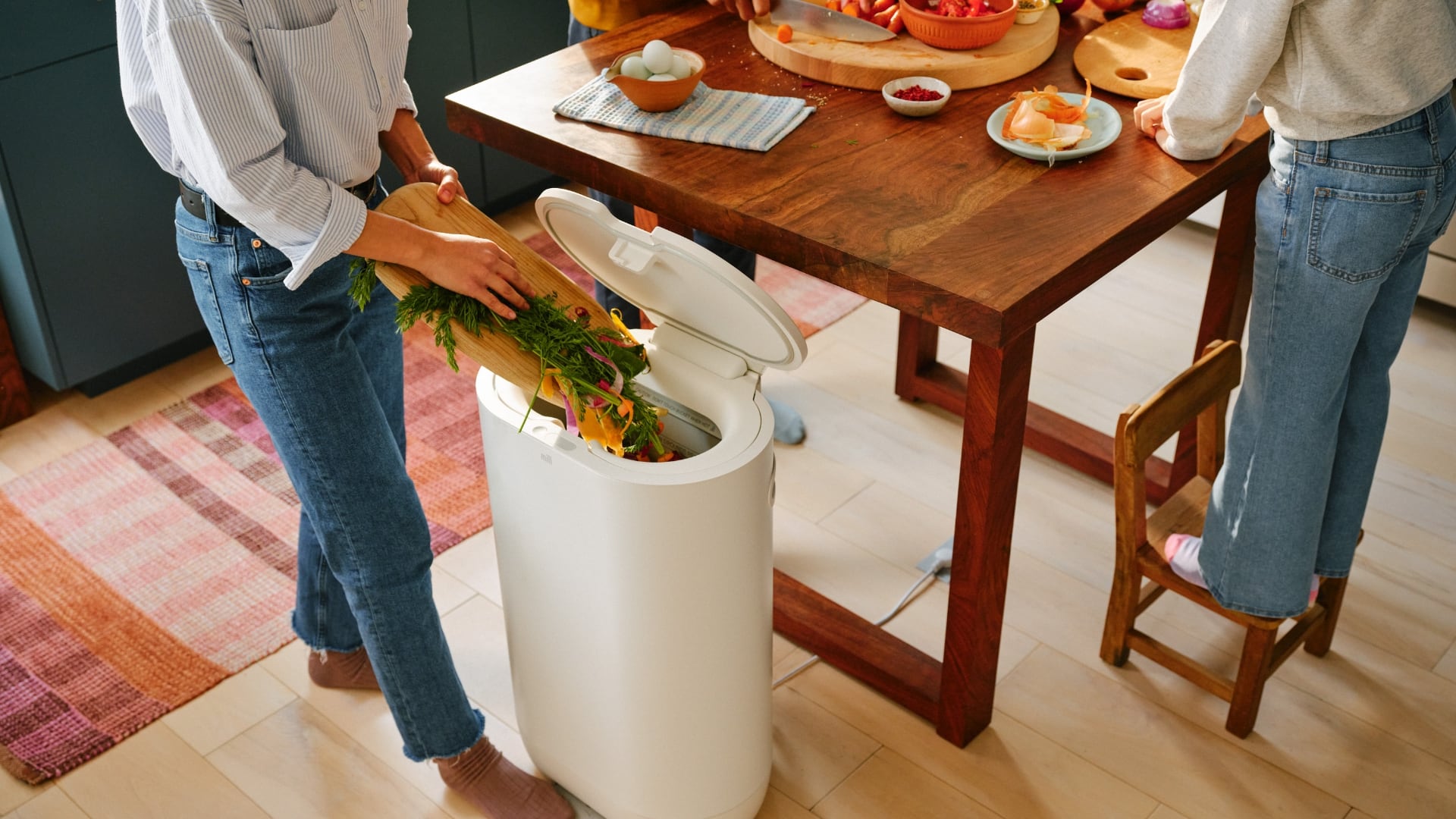
Food waste – uneaten scraps or leftovers sent to landfills – is responsible for 10% of global emissions. Mill, a new product from the co-founder of Nest, thinks technology can play a role in eliminating it.
By the time the 2024 election is over, be prepared to see some form of a recession – but this shouldn’t be as bad as what we experienced in 2020 or 2008.