Cheddar's "CannaBiz" program is dedicated to the business of marijuana. In each episode we explore the growing market, landscape for regulation, and ways people and businesses are capitalizing on the space. During this episode Cheddar Anchors Hope King and Brad Smith explore pending legislation in Vermont, and a company expanding deeper into the medical marijuana market.
According to a new report by New Frontier Data, Cannabis could create more than $130 billion dollars in federal tax revenue by 2025. That's if the federal government legalizes the drug. It could also ad 1.1 million jobs by 2025.
Vermont could be the next state to change it's current marijuana laws. Vermont Governor Phil Scott planning to sign a bill to legalize marijuana for those 21 years or older. This will make Vermont the first state to do so through legislation. Montpelier, Vermont Mayor John Hollar explains how this could impact the growing market.
"People generally think its an inevitability in our state that we will have a legalization," says Hollar. "I think people understand and recognize that its going to happen."
Now that cannabis is legal in California, many people are wondering how to add it to their recipes in the kitchen. Cheddar's Alyssa Julya Smith joined Jeff the 420 Chef in the kitchen to talk about his specific technique to clean cannabis and make sure you are taking out all the smells and flavors to seamlessly add to your food.
Namaste Technologies is rolling out a telemedicine portal to connect doctors to medical marijuana patients virtually. The company's co-founder and CEO Sean Dollinger explains how they are bringing this technology to the Canadian market.
"NamasteMD is the first application allowed by the app store for telemedicine in Canada ever for cannabis," said Dollinger. He explains his hope for Namaste Technologies to become a global leader in cannabis by leveraging its technology for partners in the market.
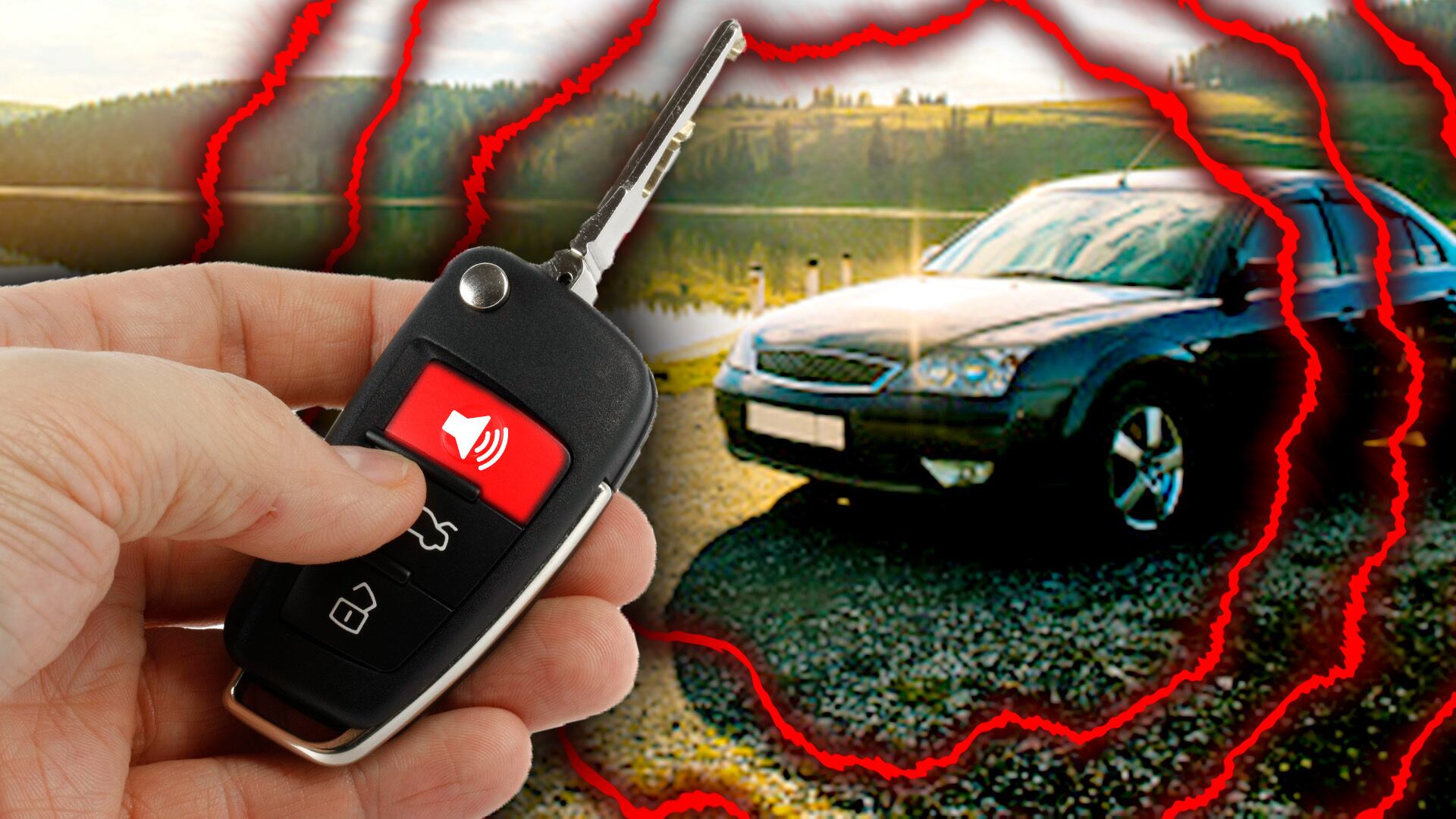
If you lived in a big city in the 90s, you're probably one of the unlucky people who was kept up at night on a regular basis by errant car alarms. But today, those in that same big city hear alarms far less often than you did. So where did car alarms go? How have they evolved, and did we ever need them to begin with?
The online used-car marketplace, Vroom, began trading on Nasdaq on Tuesday, doubling its IPO price.
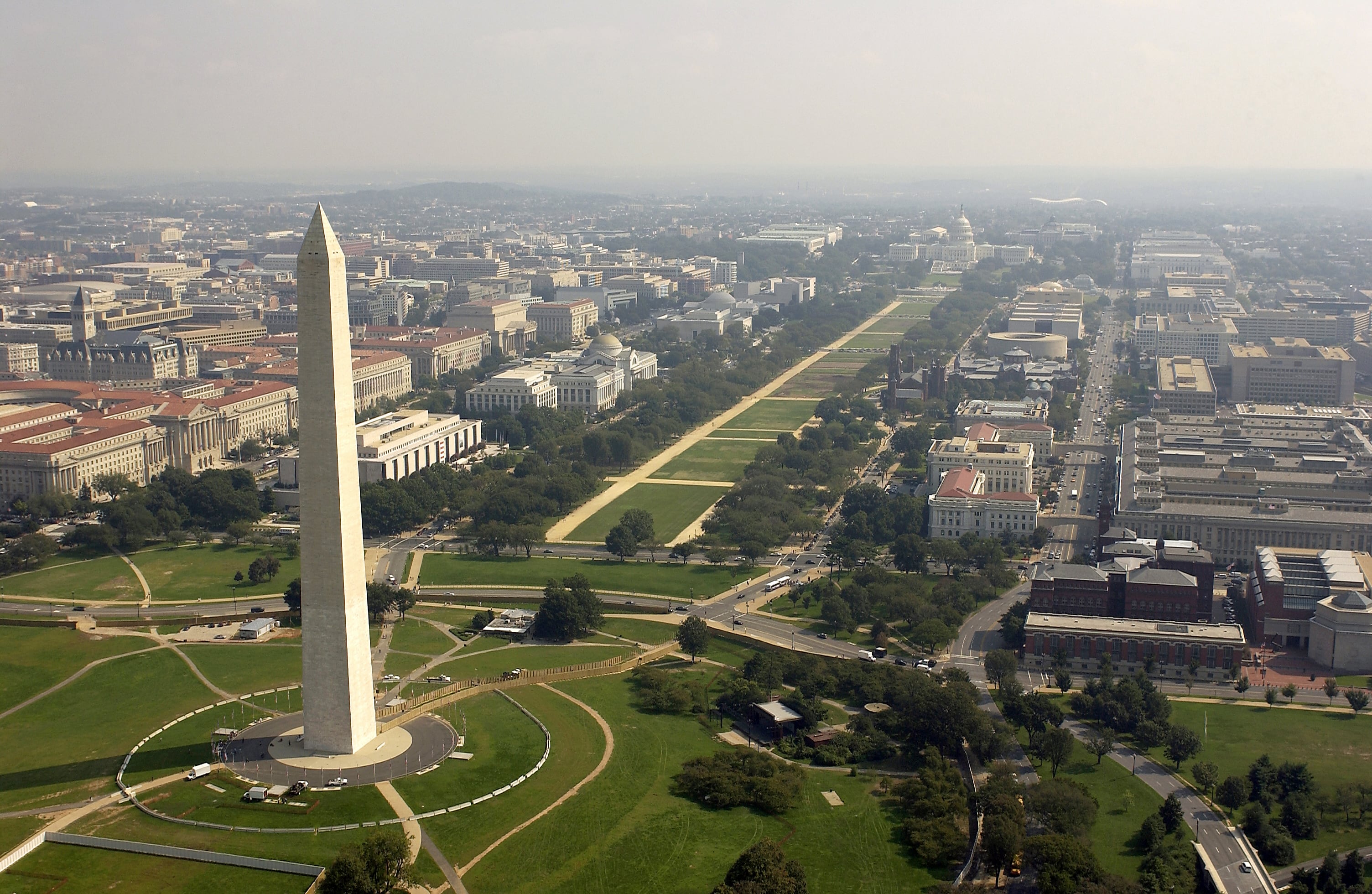
The skyline of Washington D.C. is stunted. You've probably heard that D.C. can't build skyscrapers taller than the U.S. Capital Building or the Washington Monument. But those are both myths from a bygone era. Cheddar tells the real story.
IBM says it is getting out of the facial recognition business over concern about how it can be used for mass surveillance and racial profiling.
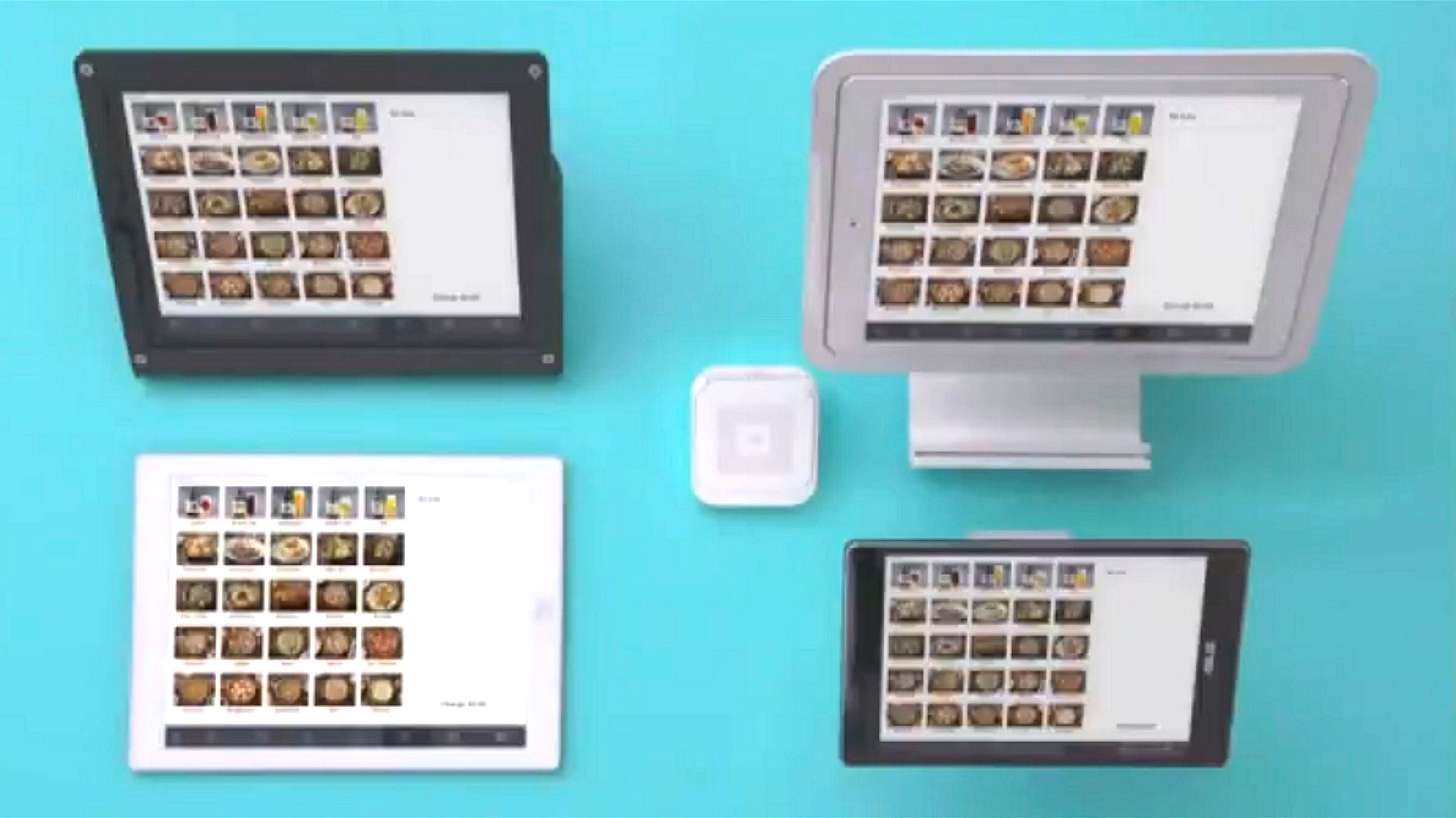
Contactless payments company Square has seen its clients forced to adapt to social distancing and stay-at-home orders with new technology.
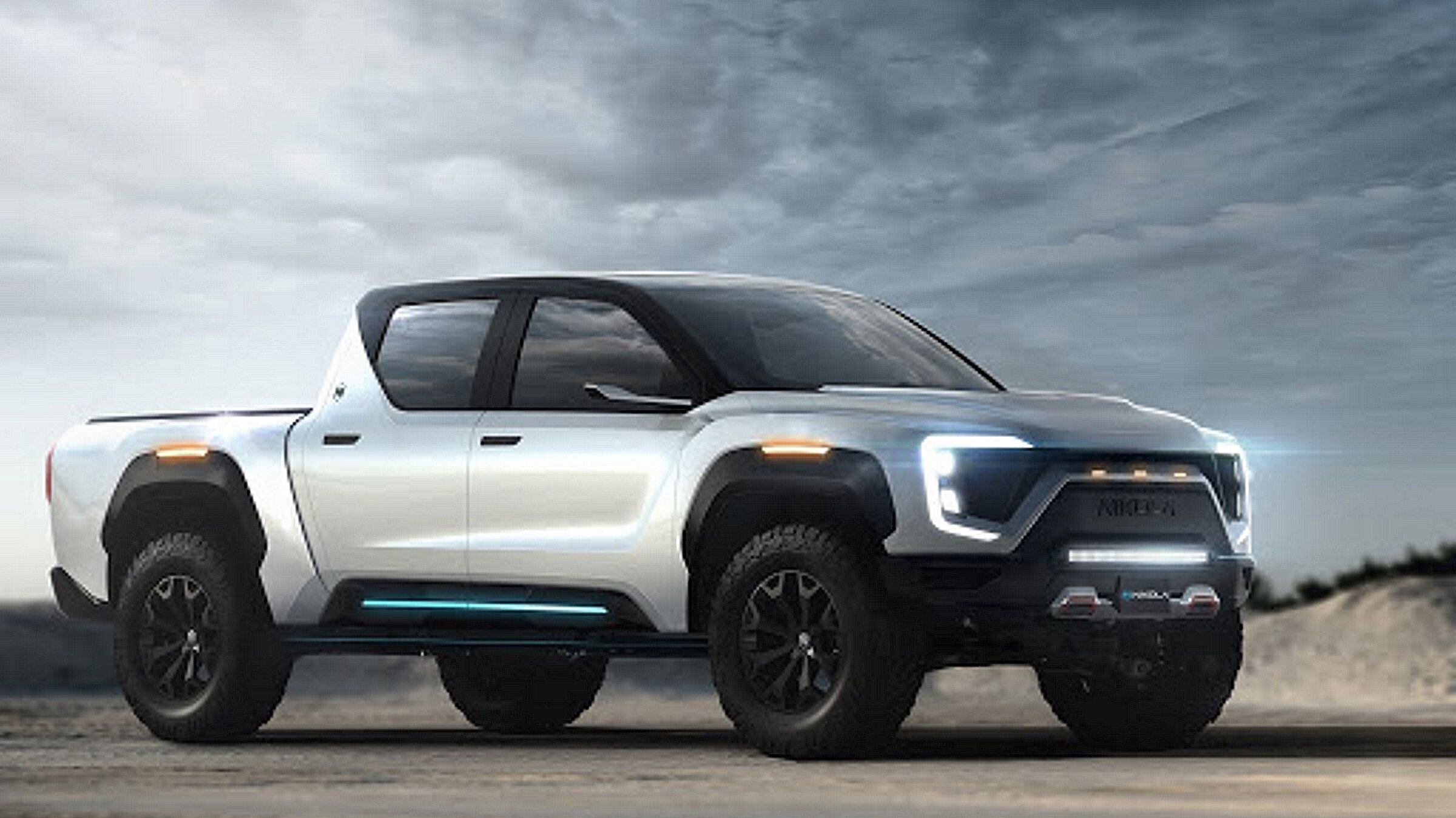
Nikola motors goes public after developing zero emissions hydrogen and battery electric powered semi-trucks. A fleet of Nikola trucks are set to be manufactured in 2021 out of Germany.
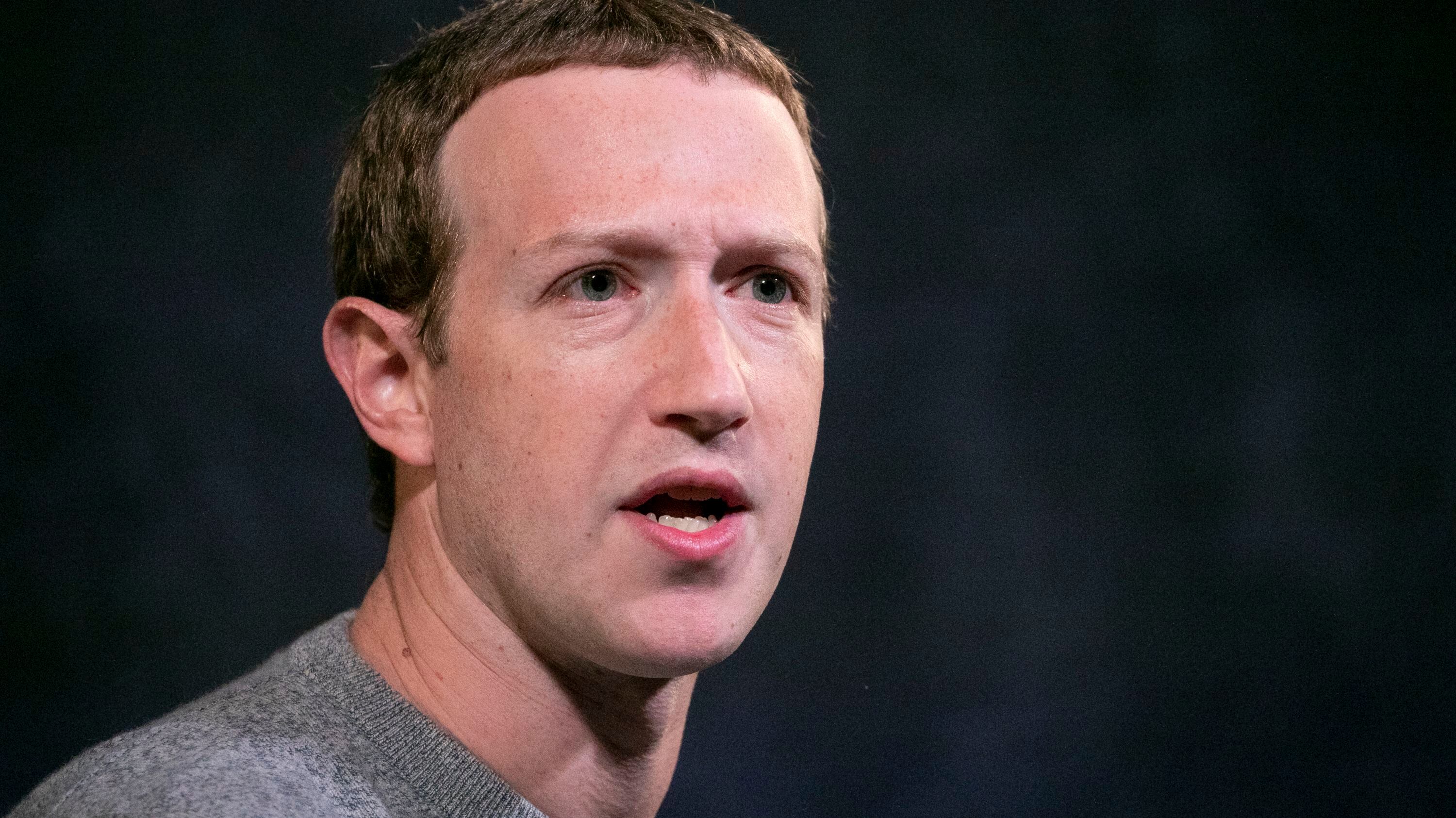
Facebook employees are using Twitter to register their frustration over CEO Mark Zuckerberg’s decision to leave up posts by President Donald Trump that suggested protesters in Minneapolis could be shot.
A growing number of writers, performers, musicians, and podcasters who have turned to fan-direct services such as Patreon, Substack, and OnlyFans to make a living. This trend has only been amplified under quarantine, as media consumption has increased dramatically worldwide.
From Wall Street to Silicon Valley, these are the top stories that moved markets and had investors, business leaders, and entrepreneurs talking this week on Cheddar.
Autotune was a staple in pop hits throughout the 2000s. T-Pain, Nelly, Daft Punk, and almost every major pop artist embraced the technology. But most of these famous tunes were actually using Autotune incorrectly. So who started this trend and how did something so despised become so popular?