The natural product industry is booming and showing no signs of slowing. Big brands are taking note by scooping up smaller, innovative companies that are disrupting consumer products by adding a natural twist. Michael Cammarata, Co-Founder and CEO of Schmidt's Naturals, shared why his company was such an attractive target for Unilever.
Cammarata said Unilever was drawn to his brand due to its rapid growth and ability to go to market quickly. He said consumers have been the brands biggest advocate. The entrepreneur also added that the Unilever focuses on the founders and allows them to continue to operate the way they want.
All-natural has been all the rage as consumers increasingly opt for chemical-free products. He says his brand is unique because they focused on competing with brands in the traditional space. He added consumers are realizing products with natural ingredients are delivering similar results as the initial products.
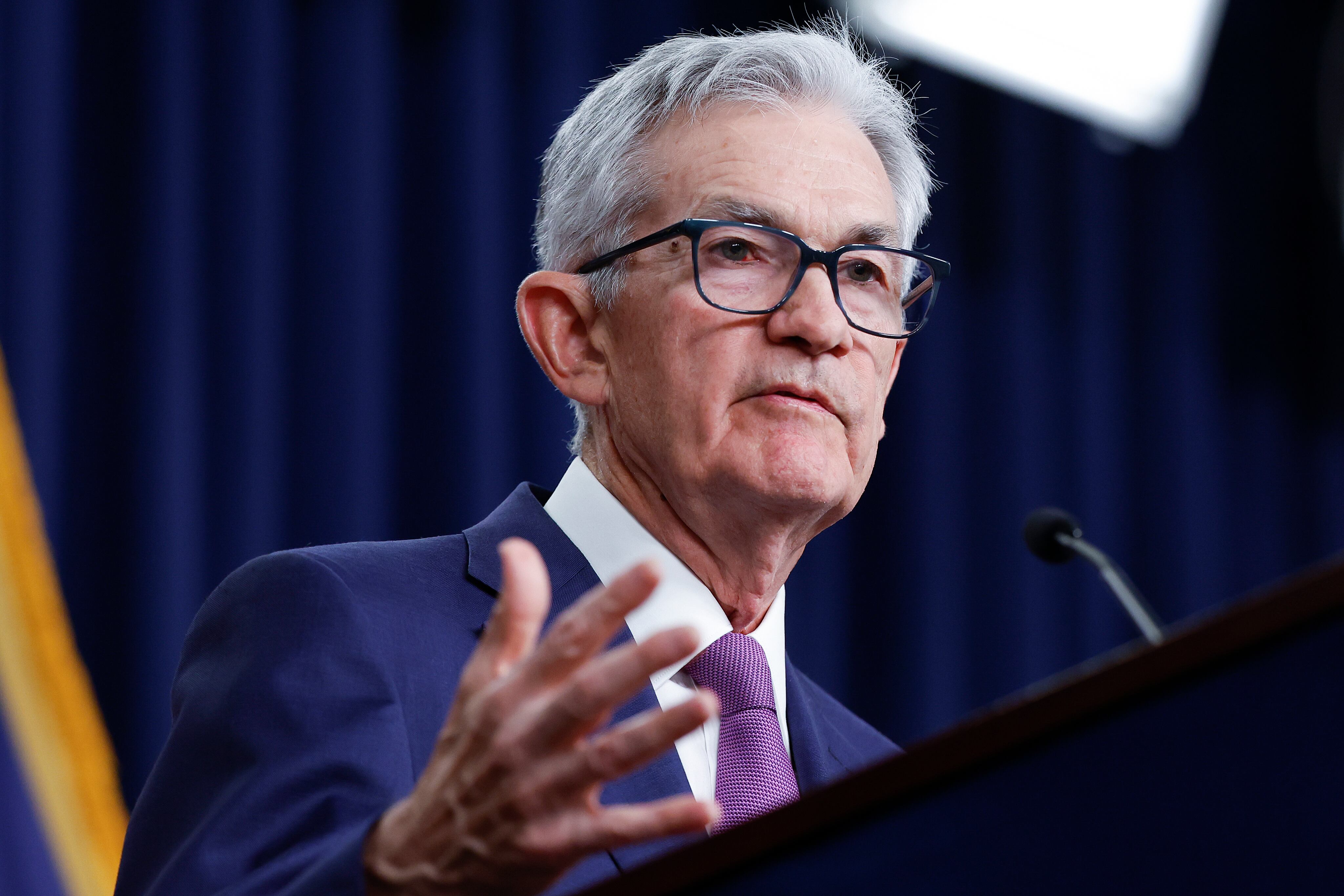
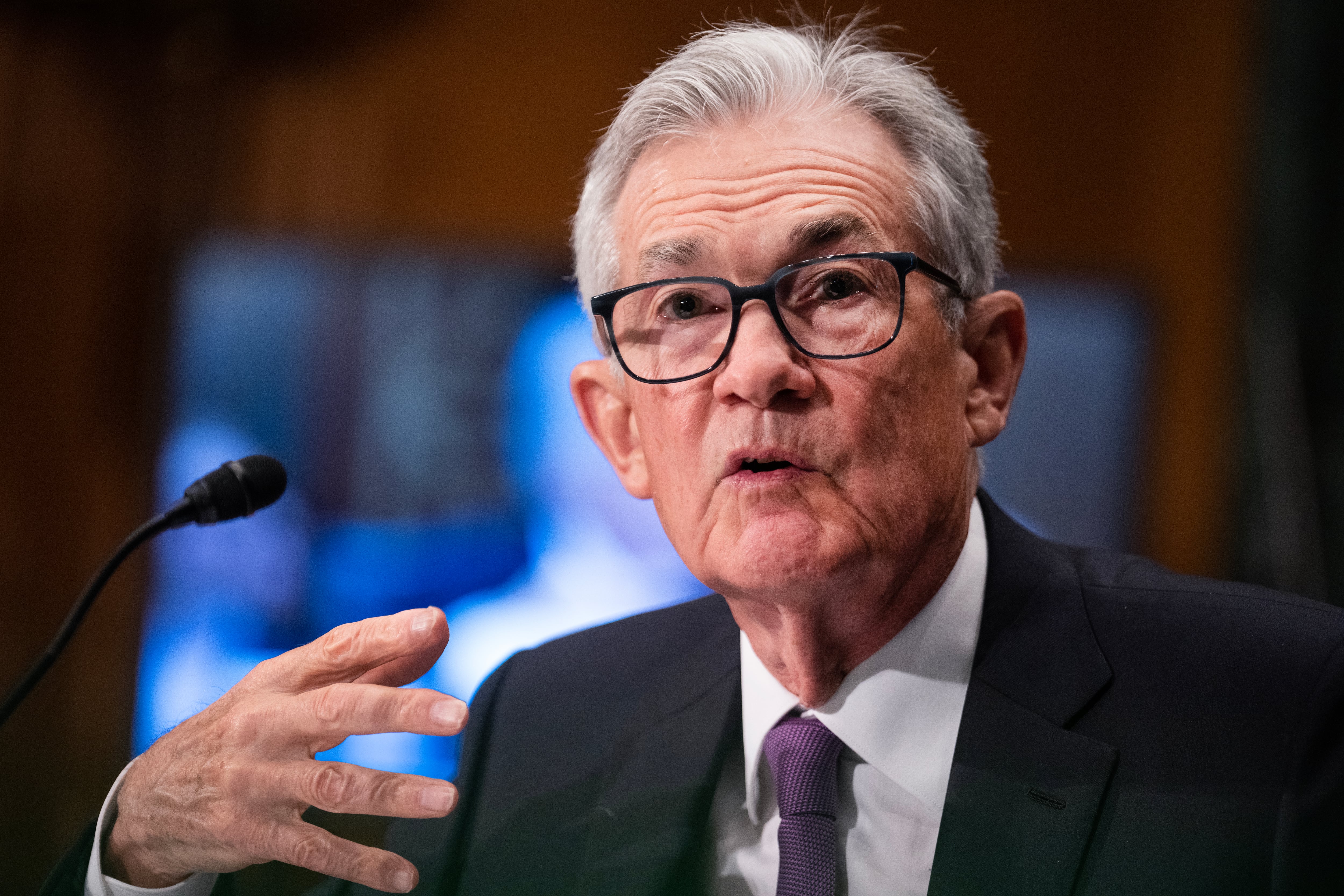
Federal Reserve officials signaled that they still expect to cut their key interest rate three times in 2024 despite signs that inflation was surprisingly high at the start of the year.
Brad Bernstein, managing director at UBS Private Wealth Management breaks down the state of the U.S. economy and what to expect from Fed policy from the rest of the year.
SpaceX Investor Chad Anderson discusses Starship's latest test flight, what's next, and why he thinks Elon Musk's leadership sent the company in the right direction.
Dilip Rao, CEO of Sharebite, explains how his startup wants to normalize companies feeding their workers, the role of the private sector in public concerns, and more.
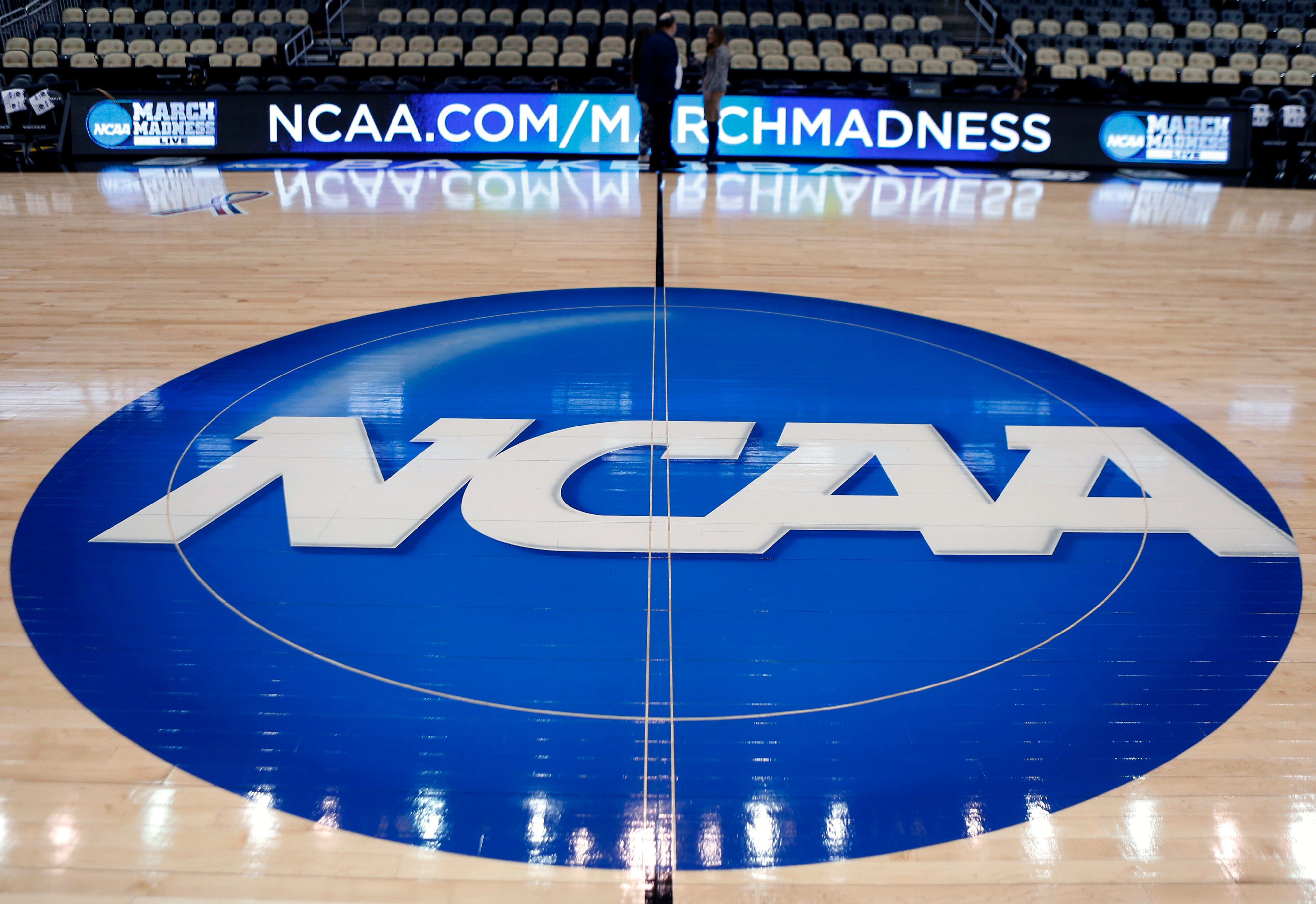
Athlete compensation, player unions and realignment dominate discussions — everything in college sports is open for discussion, interpretation and adjustment.