Texas Gov. Greg Abbott tested positive for COVID-19 on Tuesday, according to his office, who said the Republican is in good health and experiencing no symptoms.
Abbott, who was vaccinated in 2020, was isolating in the governor's mansion in Austin and receiving monoclonal antibody treatment, spokesman Mark Miner said in a statement.
The governor's positive test came as cases of the virus soar with the highly contagious delta variant and hospitals around the state are stretched thin. More than 11,500 patients were hospitalized with the virus as of Monday, the highest levels since January.
The positive test comes a day after Abbott tweeted a picture of himself not wearing a mask while speaking indoors near Dallas to a group of GOP supporters, most of whom were unmasked.
Jack DeSimone, president of the Republican Club at Heritage Ranch, said he did not like “to have conversations like this” and declined to comment further on Abbott's appearance with the group.
Miner said the governor’s address to the group was his only public event this week. He said Abbott tested negative Monday and that no one else on staff has tested positive.
Abbott has staunchly opposed mask mandates for public schools and this week saw defiant districts in some of the state's largest cities — which are run by Democrats — require face coverings anyway. Abbott and Attorney General Ken Paxton, a fellow Republican, are fighting the school districts in court.
Abbott's wife, Cecilia Abbott, tested negative. The governor had been getting tested daily and Miner said “everyone that the Governor has been in close contact with today has been notified.”
__
AP writer Acacia Coronado also contributed to this report.
Updated on August 17, 2021, at 5:59 p.m. ET with the latest details.
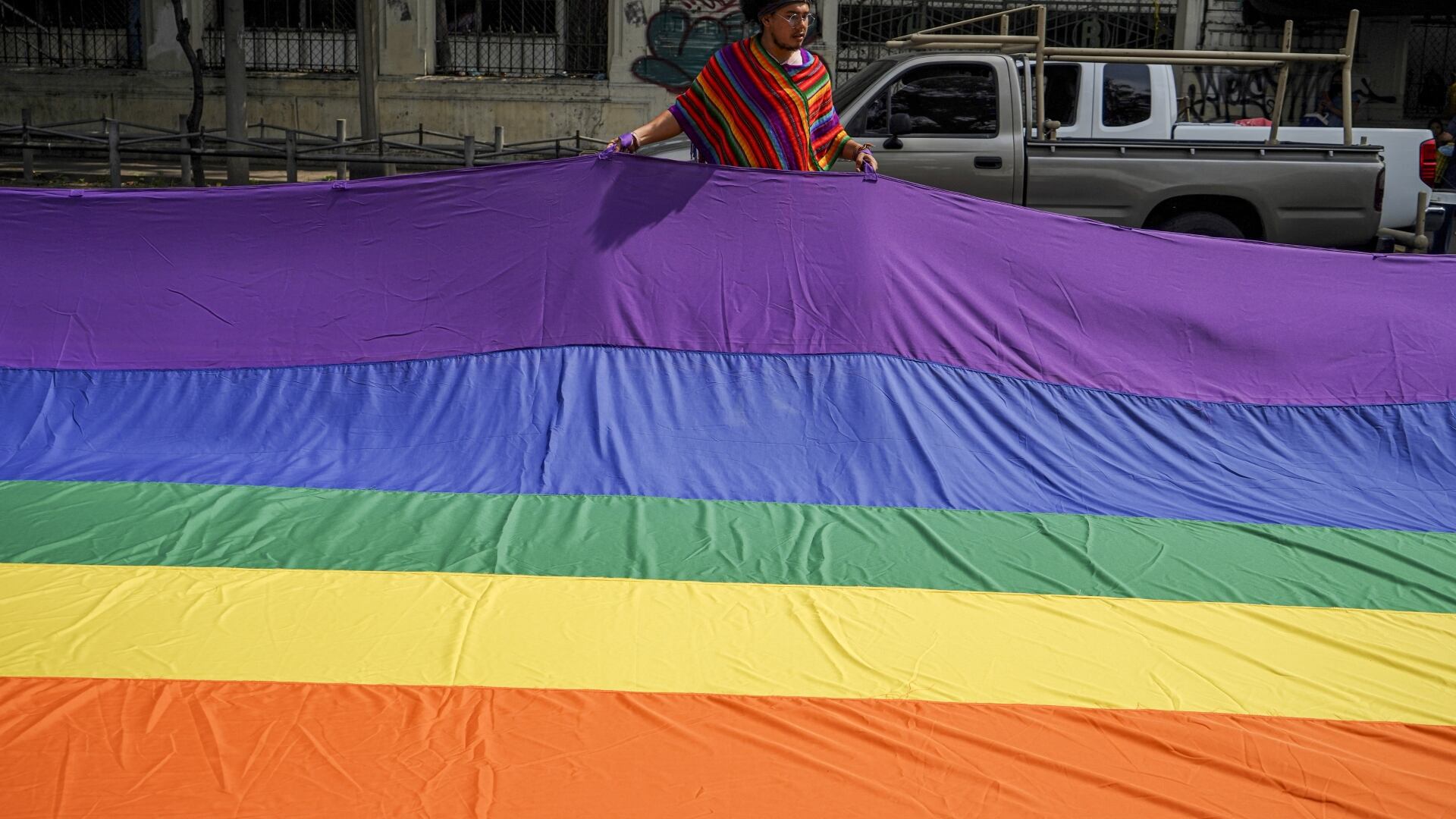
Liana Guzmán, CEO of FOLX Health, joins Cheddar News to discuss the company launching billboards across the country in response to anti-LGBTQ+ legislation.
President Biden has announced an additional $800 million in military assistance to Ukraine, including artillery, armored personnel carriers, and helicopters. It comes as Russian forces appear to be preparing for a new, aggressive offensive in the eastern part of Ukraine. Paul McLeary, defense reporter for Politico, joined Cheddar to discuss this new round of aid and what it means for the U.S. commitment to arming the embattled country.
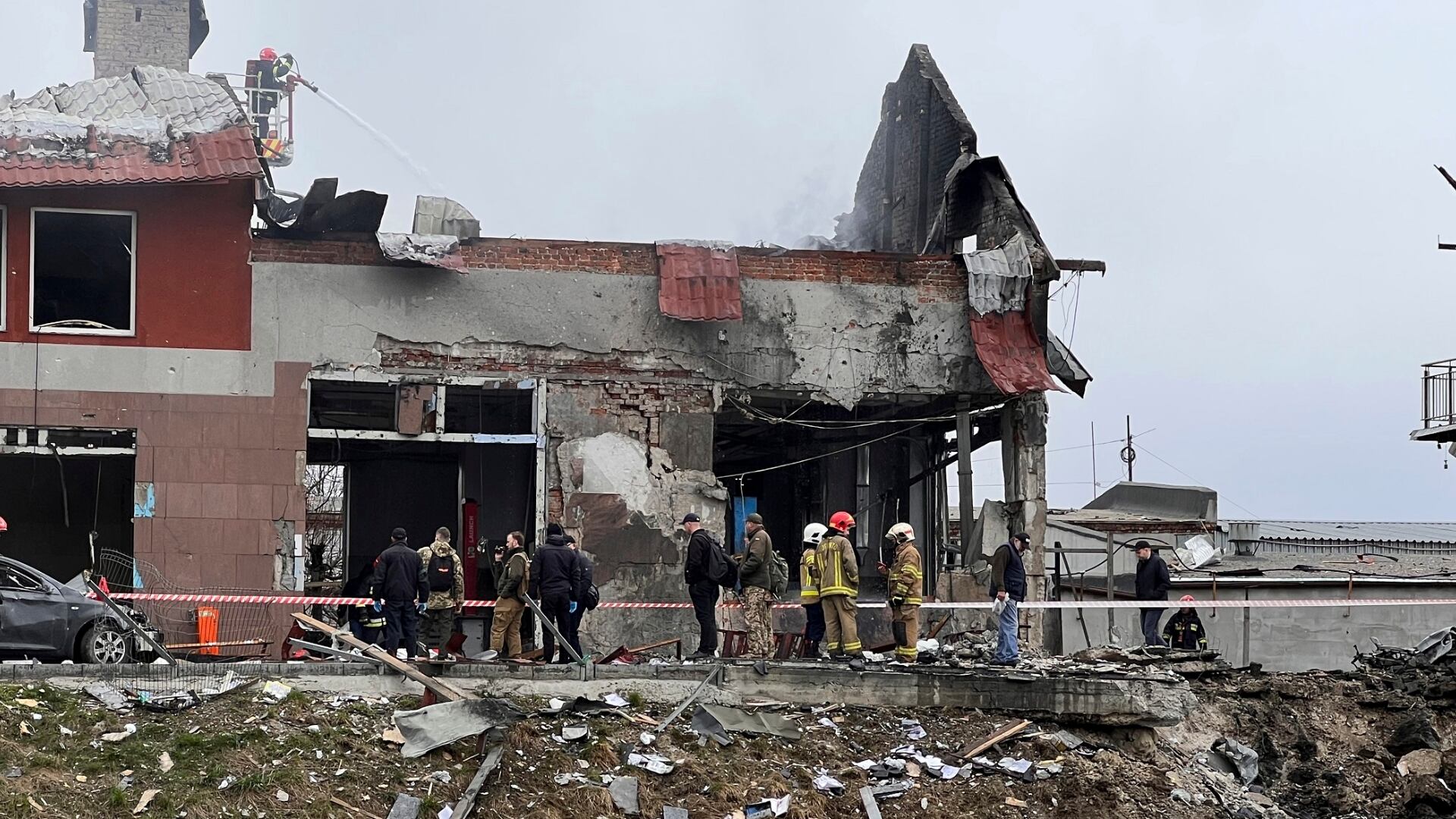
Catching you up on what you need to know on April 18, 2022, with Russian missile attacks on the Ukrainian city of Lviv killing seven, mass shootings in South Carolina and Pittsburgh, Lucky Charms cereal under official investigation by the FDA, and more.
Activism is growing around the country in response to school boards banning books from shelves that focus on sexuality, gender, identity, or race. Jen Cousins, co-founder of The Florida Freedom to Read Project, joins Cheddar News to discuss.
As the Russian invasion of Ukraine intensifies, President Biden has announced a ban on importing Russian oil, gas, and energy. To discuss how this ban will impact the war and Americans, Amir Handjani, non-resident fellow at Quincy Institute, joins Cheddar News.
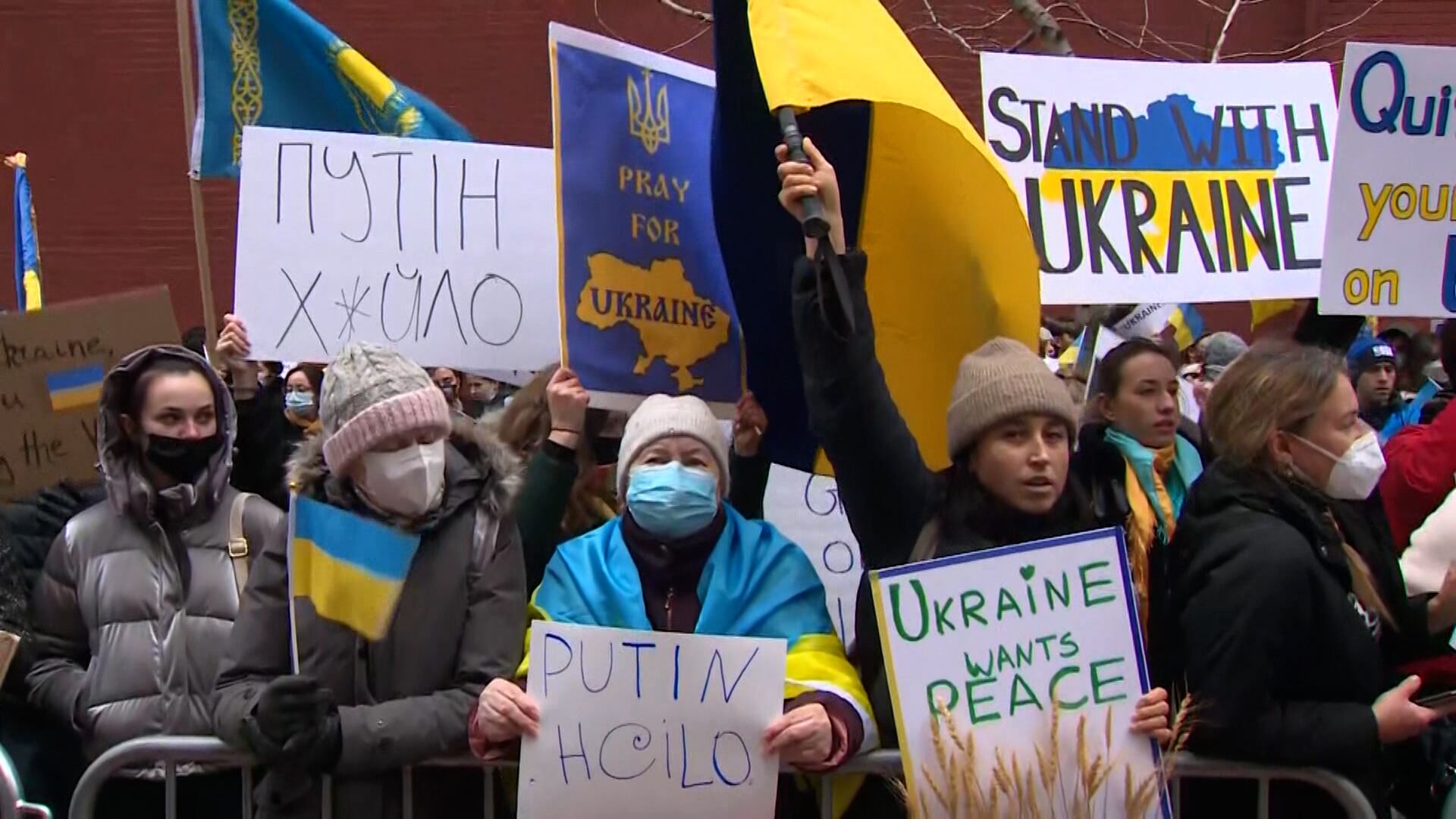
Thousands of protesters around the world are expressing their solidarity with Ukraine against Russia's invasion.
Jason Beardsley, national executive director of the Association of the U.S. Navy and national security expert, joins Cheddar News to discuss.
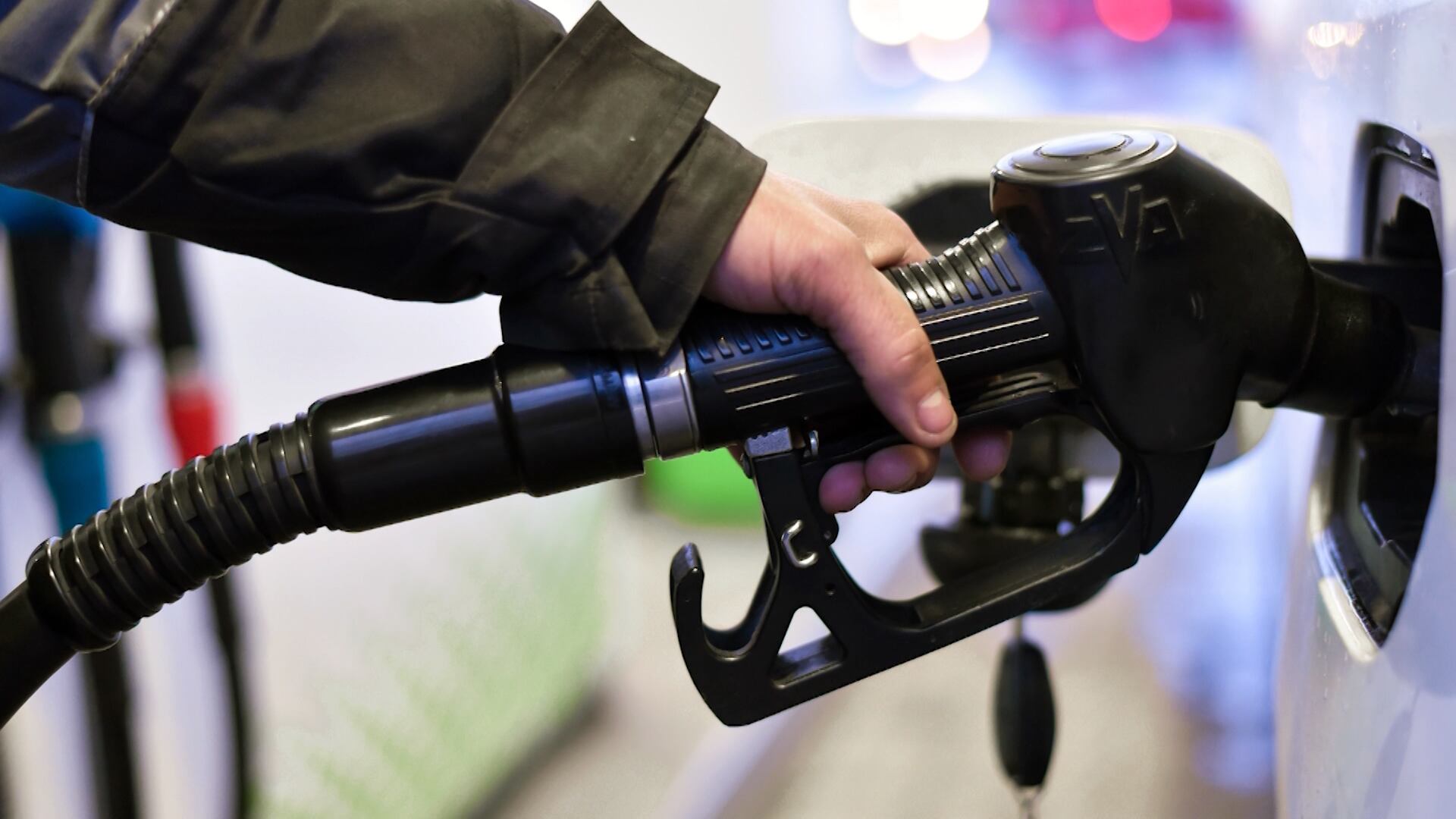
As gas prices surge amid the Russian invasion of Ukraine, other nations could potentially transition faster to using clean energy than previously expected. Philip K. Verleger, a senior fellow at the Niskanen Center, joined Cheddar News to explain how this could be a possibility in the near future. "Part of the reason I think we have this invasion and the tantrum that's being thrown by Russia, terrible tantrum, is because the Russians were trying to slow down the transition," he said. "Ironically they speeded it up."
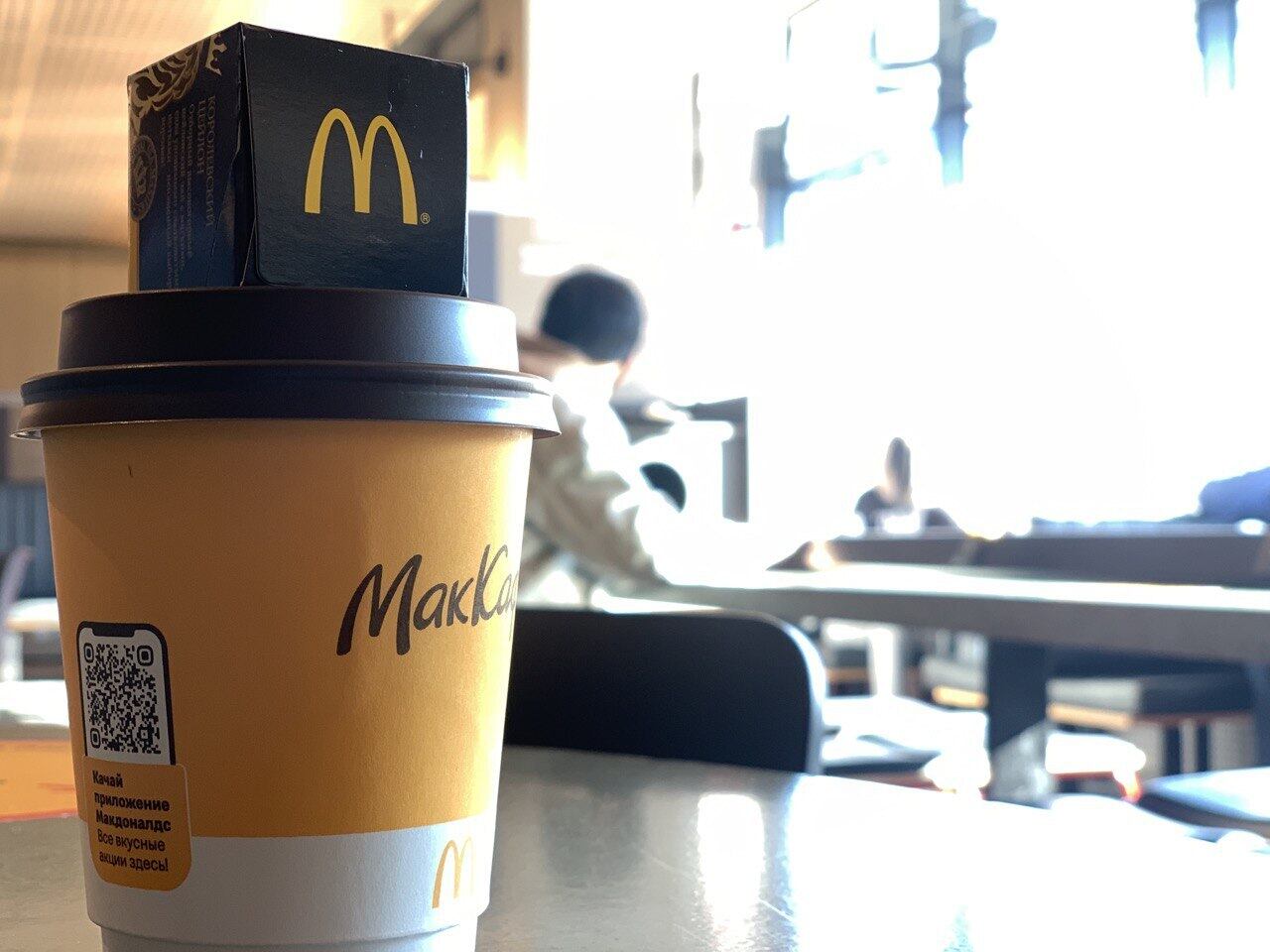
Following the invasion of Ukraine, a multitude of Western companies have paused doing business with Russia. PepsiCo, Coca-Cola, McDonald's, and Starbucks are the most recent companies to temporarily cease operations in Russia. Dean of Miami Herbert Business School at the University of Miami, John Quelch, joined Cheddar News to discuss what message this sends to Russia and the Russian consumer. “I would not underestimate the collective strength of all of these multinational companies, essentially coming together to make their collective statement in support of the political statements that have come out of Washington," he said.
The war in Ukraine continues to reveal heartbreaking gut-wrenching stories. The war in itself is not only devastating but also expensive. Experts estimate that Russia is draining nearly $20 million dollars each day to continue occupying and invading Ukraine. All this could force the country to turn to cryptocurrencies. It's a major turn for the country that briefly considered outlined digital assets entirely, but it could also have serious implications for cryptos. Managing Director at Quantum Fintech Group, Harry Yeh, joined Cheddar to discuss more.