Tesla Plaintiff Calls Musk's Latest Blog Post a 'Confession'
*By Hope King*
Elon Musk’s latest blog post did nothing but strengthen Will Chamberlain’s position that the Tesla CEO’s tweets from last week were fraudulent.
“It was almost a confession that he committed securities fraud,” Chamberlain told Cheddar on Monday.
Chamberlain is a plaintiff in a class-action suit against Tesla and Musk. The suit was [filed Friday afternoon](https://cheddar.com/videos/class-action-lawsuit-filed-against-tesla-after-elon-musks-tweet) in the U.S. District Court for the Northern District of California and claims that Tesla and its CEO violated the Securities Exchange Act of 1934 by making allegedly false and misleading statements to defraud Tesla investors. Reed Katherein, the attorney for Chamberlain, agreed that Musk’s blog post read almost as a confession.
“It’s pretty clear that funding was not secured and that he did not have a reasonable basis for saying funding was secured,” Kathrein said.
In his [post](https://www.tesla.com/blog/update-taking-tesla-private), Musk said the Saudi sovereign wealth fund had "approached me multiple times about taking Tesla private," and that the Saudi's interest in the company gave him the confidence to announce last week that he had "secured" the necessary financing to take the company private. "Obviously, the Saudi sovereign fund has more than enough capital needed to execute on such a transaction," Musk said.
Musk has come under increasing pressure to prove that a tweet [he posted last Tuesday](https://cheddar.com/videos/what-tesla-looks-like-as-a-private-vs-public-company) announcing the CEO’s intention to take the company private at $420 a share was based on some kind of firm commitment from outside investors.
The tweet included very specific language that is the target of an SEC inquiry and two [class-action](https://cheddar.com/videos/class-action-lawsuit-filed-against-tesla-after-elon-musks-tweet) lawsuits: “Funding secured.”
In his post, Musk said that he had met with Saudi investors on July 31 of this year. "I left the July 31st meeting with no question that a deal with the Saudi sovereign fund could be closed, and that it was just a matter of getting the process moving," he wrote. "This is why I referred to 'funding secured' in the August 7th announcement."
Kathrein, who says he has not been contacted by the company ー nor by Musk ー believes the tweet was intended to drive short sellers like his client to cover their positions.
“To me, he is playing with fire,” said Kathrein, a partner at the law firm Hagens Berman. “That does not justify putting out this tweet that says funding is secured.”
Musk’s contentious relationship with short sellers is both well-documented and publicized. One recent example [took place in June](https://twitter.com/elonmusk/status/1008450201885872129) when he tweeted to his 22 million followers that short sellers have “about three weeks before their short position explodes.”
Chamberlain, who said his short position is made up of about 80 percent common stock short and 20 percent puts, reduced his position as a result of the tweet.
In an interview with Cheddar on Sunday, Chamberlain ー a lawyer who previously practiced with the Competitive Enterprise Institute’s Center for Class Action Fairness ー said he covered his position because he had to take the tweet seriously.
Musk is the "CEO of a publicly traded company," he said. "I have to hedge against the risk that he has not committed securities fraud. That seems like a reasonable thing to do."
For more on this story, [click here](https://cheddar.com/videos/did-elon-musks-tweet-break-the-law).
Verizon and AT&T have agreed to delay the launch of their 5G networks for two weeks following pressure from the Federal Aviation Administration, airline companies and even Transportation Secretary Pete Buttigieg. The aviation industry is concerned the 5G rollout could bring technical challenges or safety concerns on top of the current disruptions they're already dealing with from COVID and severe weather. Hugh Odom, founder and president of Vertical Consultants and former AT&T attorney, discusses how the Biden administration was able to come to this agreement with the wireless carriers.
Angelo Zino, Senior Industry Analyst & Vice President at CFRA Research, breaks down the tech giants' valuation milestone and discusses the areas of Apple's business that could see further growth.
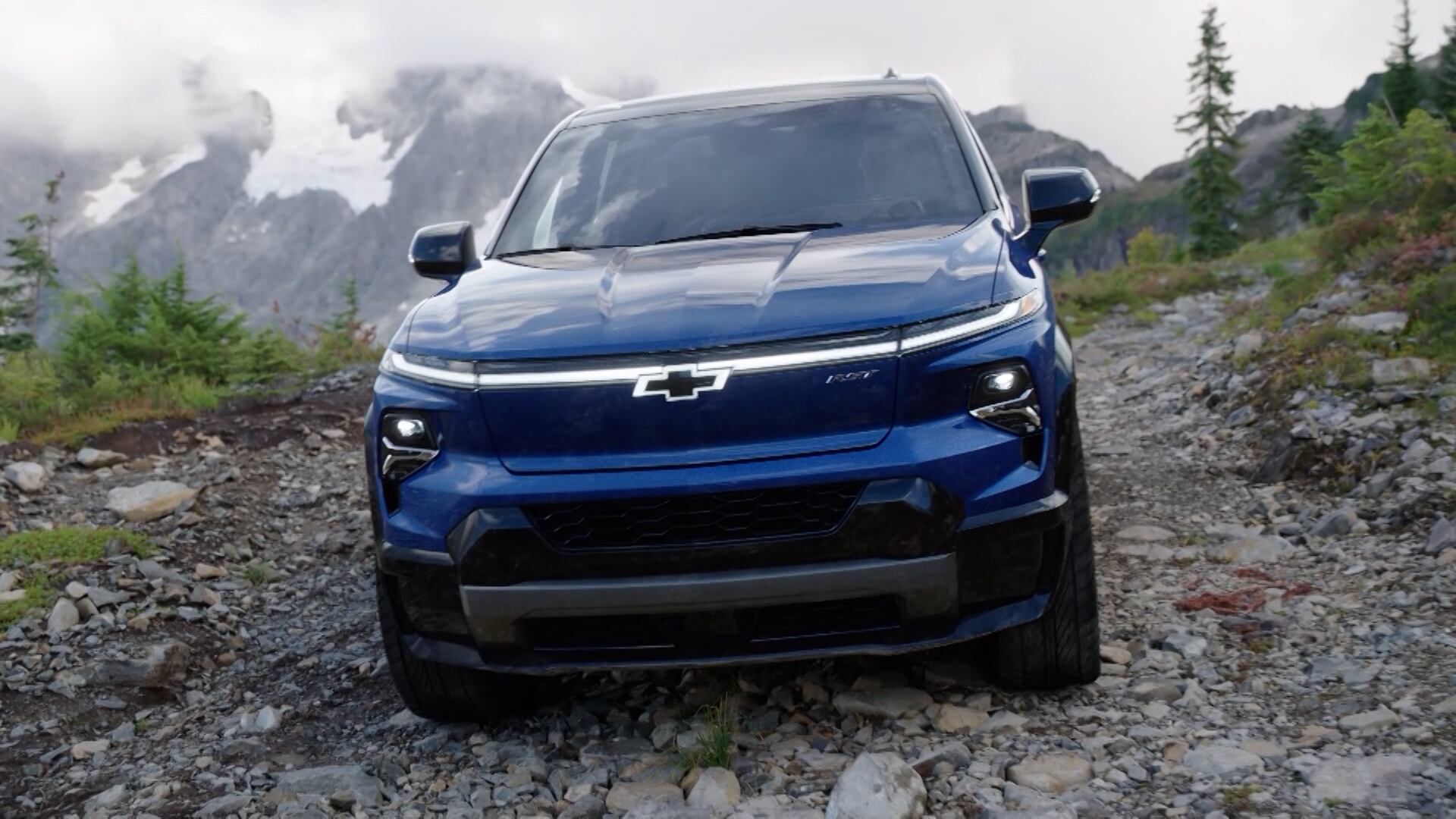
General Motors rolled out the newest addition to its EV fleet with the all-electric Silverado pickup truck. Deborah Wahl, chief marketing officer at GM, joined Cheddar to talk about the latest EV offering and how it matches up to its past gas-powered versions. She said she expects demand to soar after the "first-level truck" sold out in just 12 minutes and talked about steps GM plans to take to regain its title as top U.S. auto seller after being dethroned by Toyota in 2021 with emphasis on the EV market. "I think this is an exciting new inflection point for the market overall, for [an] idea of an all-electric future, and certainly shows that we're extremely committed to the idea of everybody in an electric vehicle," said Wahl.
With the annual CES convention underway amid COVID, HP unveiled rolled out a number of new products virtually this year, including new gaming PCs and 4K display monitors. But as industries look toward a greener future, HP is working with the climate crisis in mind. James McCall, chief sustainability officer at HP, joined Cheddar's Kristen Scholer to discuss the company's climate goals, which includes reducing its carbon footprint to net-zero by 2040. He admitted that reaching the ambitious goal will be difficult because much of the company's emissions totals come from third parties. "A large part of our footprint is outside of HP's direct control. A lot of it comes either from our incoming supply chain, the materials, our manufacturing process, or about 30 to 40 percent of it comes from our consumer-use base," McCall told Cheddar.
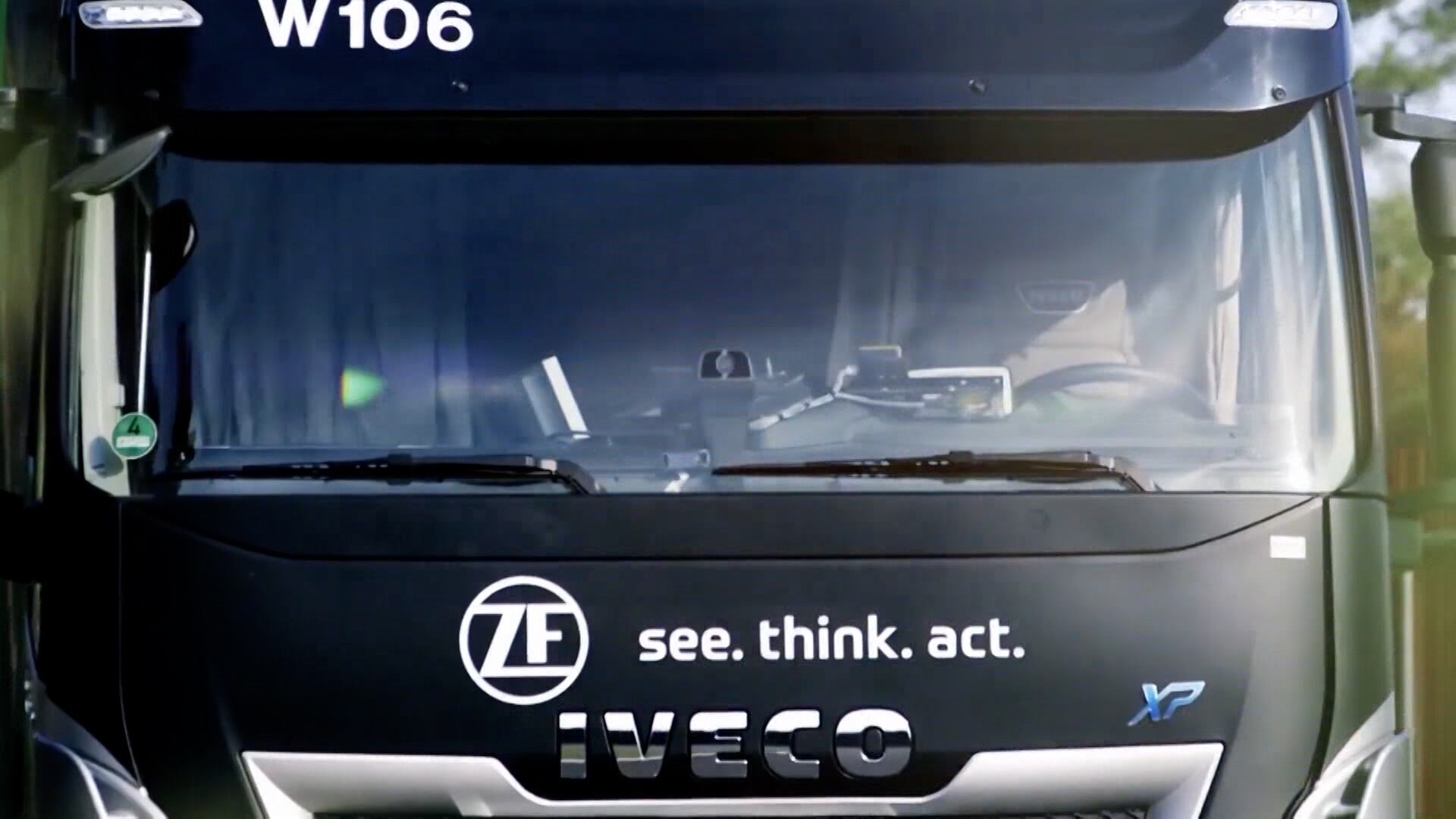
Martin Fischer, president of technology supplier for cars and commercial vehicles ZF North America, joined Cheddar to discuss the company's solutions for next-generation mobility in autonomous vehicles and its plans to usher in the next phase of electric vehicles. He also talked about the rising demand for self-driving technology on a global scale. "Whereas we are really active also there for passenger cars and commercial vehicles, what we showcase at CES now virtually is our autonomous shuttles," he said. "So, what that means is we bring these vehicles to busy city centers and can take traffic levels down."
Steve Patton, EY Americas Mobility Sector Leader, joins Cheddar News to discuss what can be done to speed up the adoption of EVs, and how infrastructure can be scaled up to support this transition.
Pfizer and BioNTech are working to develop an mRNA-based shingles vaccine following the success of the COVID-19 shot. This latest collaboration will mark the third time the pharmaceutical companies have worked together on a vaccine.