*By Carlo Versano*
Shares of Tesla dropped Tuesday on news the Department of Justice had launched a criminal investigation into Elon Musk's now-infamous tweet about taking the company private.
The probe is on top of an SEC inquiry and raises the stakes for Tesla and its mercurial chief executive, said Mark Spiegel, a managing member of Stanphyl Capital and a vocal Tesla short-seller.
"There's never just one cockroach," he said Tuesday in an interview on Cheddar.
In a statement to Cheddar confirming the investigation, a company spokesman said, “Tesla received a voluntary request for documents from the DOJ and has been cooperative in responding to it. We have not received a subpoena, a request for testimony, or any other formal process. We respect the DOJ’s desire to get information about this and believe that the matter should be quickly resolved as they review the information they have received."
The company's latest problems began when Musk tweeted in early August he had secured funding from a Saudi Arabian investment fund to take the company private at $420 a share. He ultimately admitted that statement was premature, and a series of other missteps by the CEO sent shares down as much as 33 percent from recent highs. After a seemingly-rare sandal-free stretch, the stock was actually up 12 percent last week, but Tuesday's news ended that run.
Spiegel said Tesla's problems are "coming to a head" and he expects Musk will not remain CEO for much longer, especially now that federal investigators are snooping around in the company's affairs.
Worsening matters for Tesla, competition in the luxury electric car space is just now accelerating; high-end models are in the works at Audi, Jaguar, Mercedes, and Porsche.
"The only thing that's been running this stock has been hype," Spiegel said.
For full interview [click here](https://cheddar.com/videos/the-ultimate-bear-case-for-tesla).
Ty Young, CEO of Ty J. Young Wealth Management, joins Cheddar to discuss Trump's moves as he returns to Washington D.C. and how it may affect the U.S. economy.
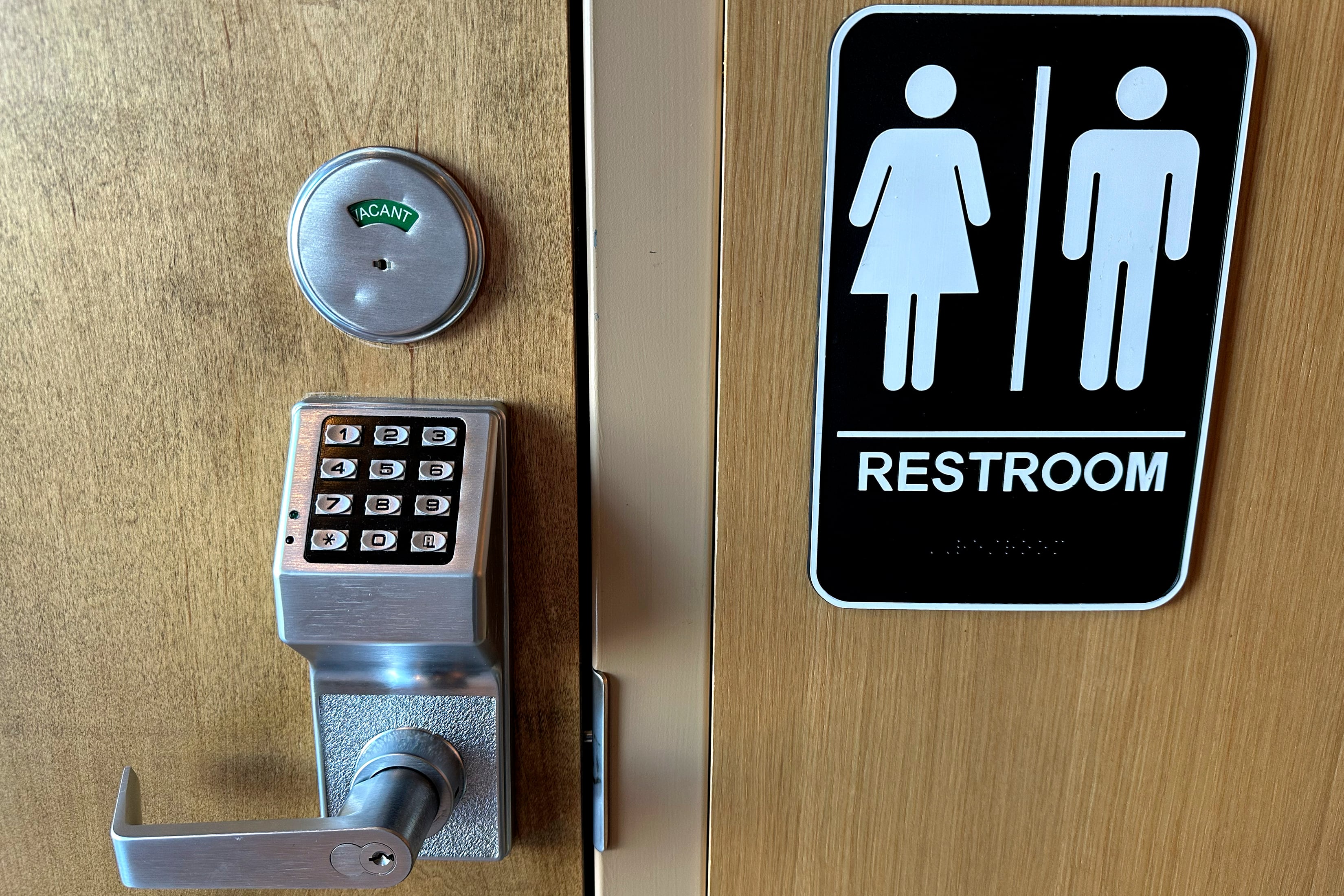
Starbucks’ decision to restrict its restrooms to paying customers has flushed out a wider problem: a patchwork of restroom use policies that varies by state and city. Starbucks announced last week a new code of conduct that says people need to make a purchase if they want to hang out or use the restroom. The coffee chain's policy change for bathroom privileges has left Americans confused and divided over who gets to go and when. The American Restroom Association, a public toilet advocacy group, was among the critics. Rules about restroom access in restaurants vary by state, city and county. The National Retail Federation says private businesses have a right to limit restroom use.
President Donald Trump is talking up a joint venture investing up to $500 billion for infrastructure tied to artificial intelligence by a new partnership formed by OpenAI, Oracle and SoftBank. The new entity, Stargate, will start building out data centers and the electricity generation needed for the further development of the fast-evolving AI in Texas, according to the White House. The initial investment is expected to be $100 billion and could reach five times that sum. While Trump has seized on similar announcements to show that his presidency is boosting the economy, there were already expectations of a massive buildout of data centers and electricity plants needed for the development of AI.
Chris Ruder, Spikeball Founder and CEO, explains how he and his friends put roundnet on the global map, plus, how Spikeball helps people "find their circle."
J.W. Roth, CEO of Venu Holding Corporation, discusses the company's IPO and plans to redefine live music entertainment with their fan founded, fan-owned model.
Variety's Clayton Davis discusses why more than just the 1% are struggling after the LA fires. Plus, how awards shows will pivot to help victims. Watch!
Emily Hosie, CEO of Rebelstork, explains the concept of Returns Recommerce, plus how her company raised $18M to address the industry-wide issue of returns.