Elon Musk's Life-or-Death Decision for Tesla's Future
*By Madison Alworth*
Elon Musk's decision to push a high-end Model 3 vehicle instead of the more affordable base model of Tesla's electric car is one of life or death for the electric car company.
The mercurial chief executive said over the weekend that the new "Performance" Model 3 is available for pre-order, and by proceeding with the souped-up version, the company can better figure out how to deliver on the promise of the mass-market Model 3.
In a [tweet](https://twitter.com/elonmusk/status/998400110156550144) late Sunday, Musk put the choice in stark terms: If he were to press ahead with the $35,000 base version, Tesla would "lose money and die." Coming forward with the $78,000 dual-engine Model 3 allows the company scale for production without hemorrhaging more cash.
"What we don't know yet, even though these specs are out there, is when those cars will actually be arriving," said Marty Padgett, editorial director at Motor Authority. "If you went on the website today, if you order your Performance model today, it says six to nine months for delivery. What's still missing is that mythical $35,000 Tesla Model 3."
On Twitter, Musk touted the souped-up Model 3's specs: all-wheel drive, top speed of 155 miles per hour, and the ability to go from 0 to 60 mph in less than 4 seconds.
It will cost more than double the base-level Model 3. And Musk didn't indicate how much longer consumers ー or investors ー would have to wait for the much-anticipated cheaper version.
One the one hand, the decision to come ahead with the "Performance" model may show that Tesla's production technology is far enough along that it can offer more options. However, the price point may also indicate that Tesla can't deliver the industry-changing mass market vehicle Musk promised.
It seems the company is further away than ever on sustainably producing a mass-market model.
Tesla would "lose money and die" if it were to ship the low-cost Model 3, Musk said in a [tweet](https://twitter.com/elonmusk/status/998400110156550144) over the weekend. He made the decision to go ahead with the high-end Model 3 over the cheaper version to work out what it would take to deliver any car at a sustainable rate.
Selling the high-end version enables the company to "achieve target rate and then smooth out flow to achieve target cost," Musk said. That could take three to six months.
It remains to be seen how many customers would want the more expensive Model 3 over the affordable car they expected, or if the new Model 3 may cannibalize sales of the top of the line Model S.
"They're selling new, they're selling innovation," said Padgett. "Tesla buyers want the latest thing."
For the full interview, [click here](https://cheddar.com/videos/teslas-model-3-is-getting-an-upgrade).
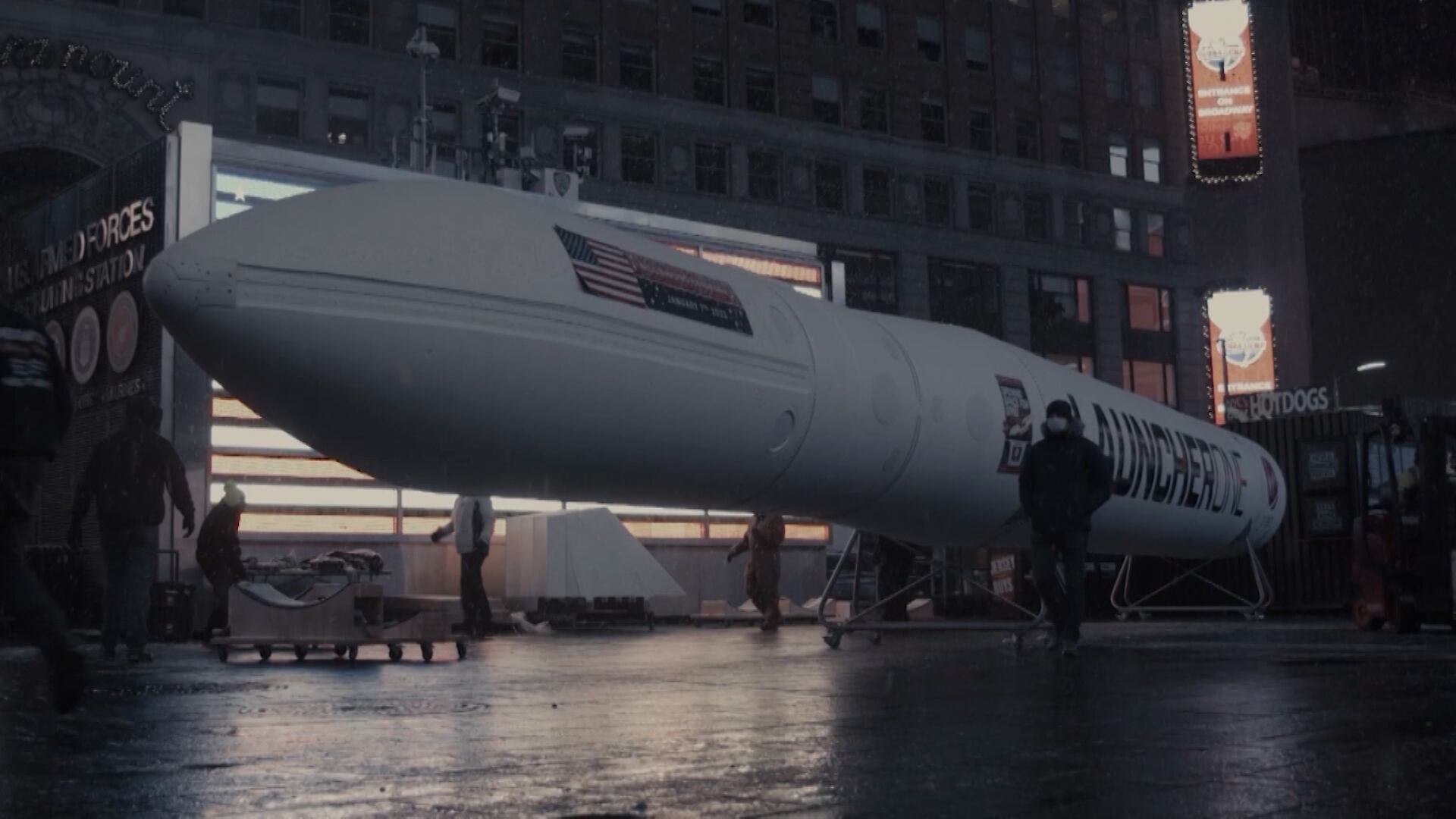
Satellite launch service Virgin Orbit has gone public on the Nasdaq via a SPAC merger with NextGen Acquisitions with a valuation of about $3.2 billion. CEO Dan Hart joined Cheddar's "Between Bells" from in front of his LauncherOne rocket in New York City's Times Square to talk about what's next after the IPO, an upcoming "Above the Clouds" mission to deliver commercial and national security payloads, and the benefits of their rockets being launched from commercial 747 aircraft. "We can launch anywhere in the world," he said. "There are almost 80 space agencies across the world, for instance, and about 10 of them have space launch. We can give them a space flight capability overnight by taking a runway and turning it into a spaceport."
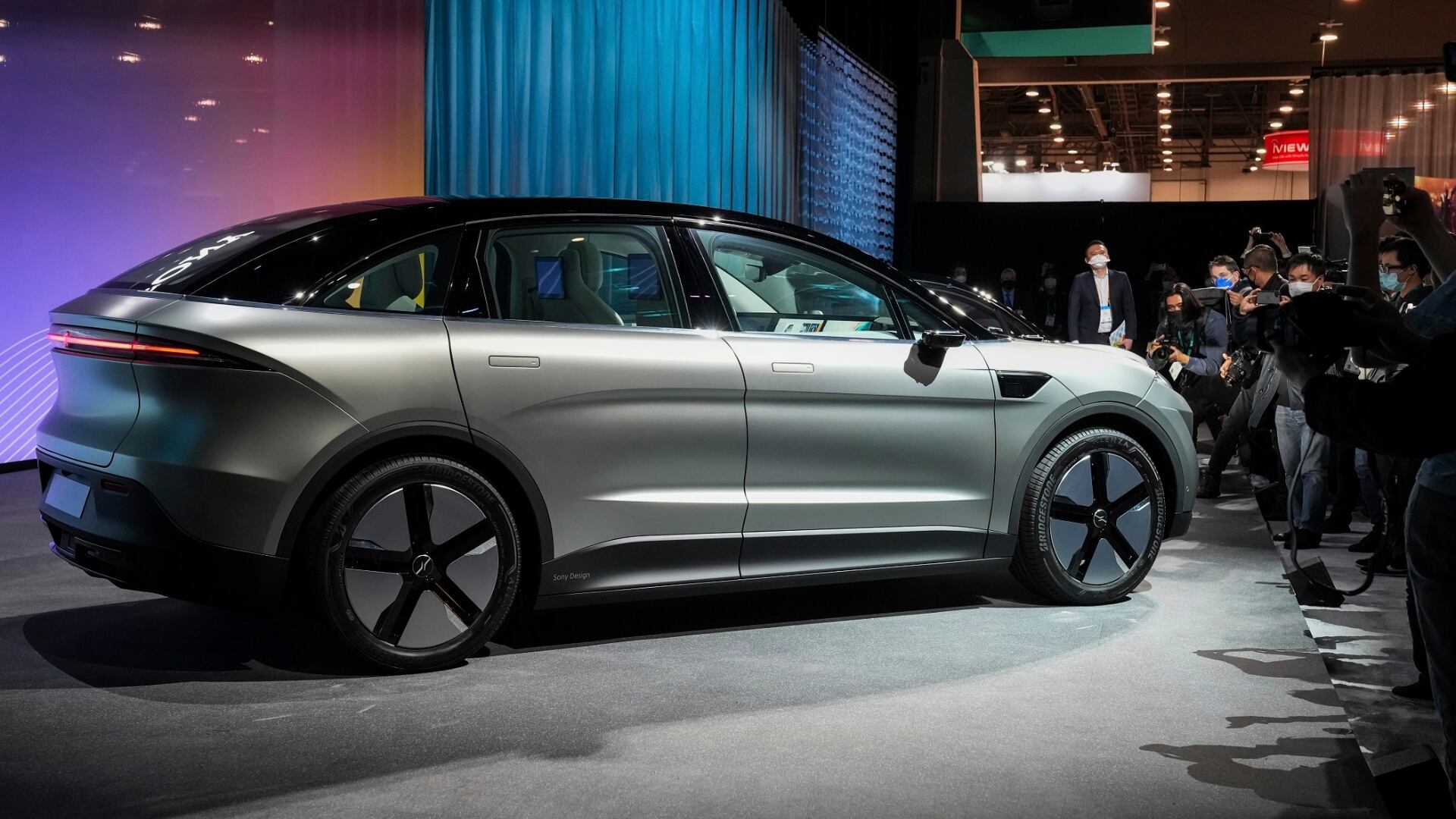
Tech and entertainment giant Sony appears to be getting serious about automaking. An electric concept SUV — the Vision S-02 — was unveiled at CES 2022 and is slated to be produced by a new subdivision, Sony Mobility. This comes after the company revealed the Vision S concept Sedan at CES 2020.
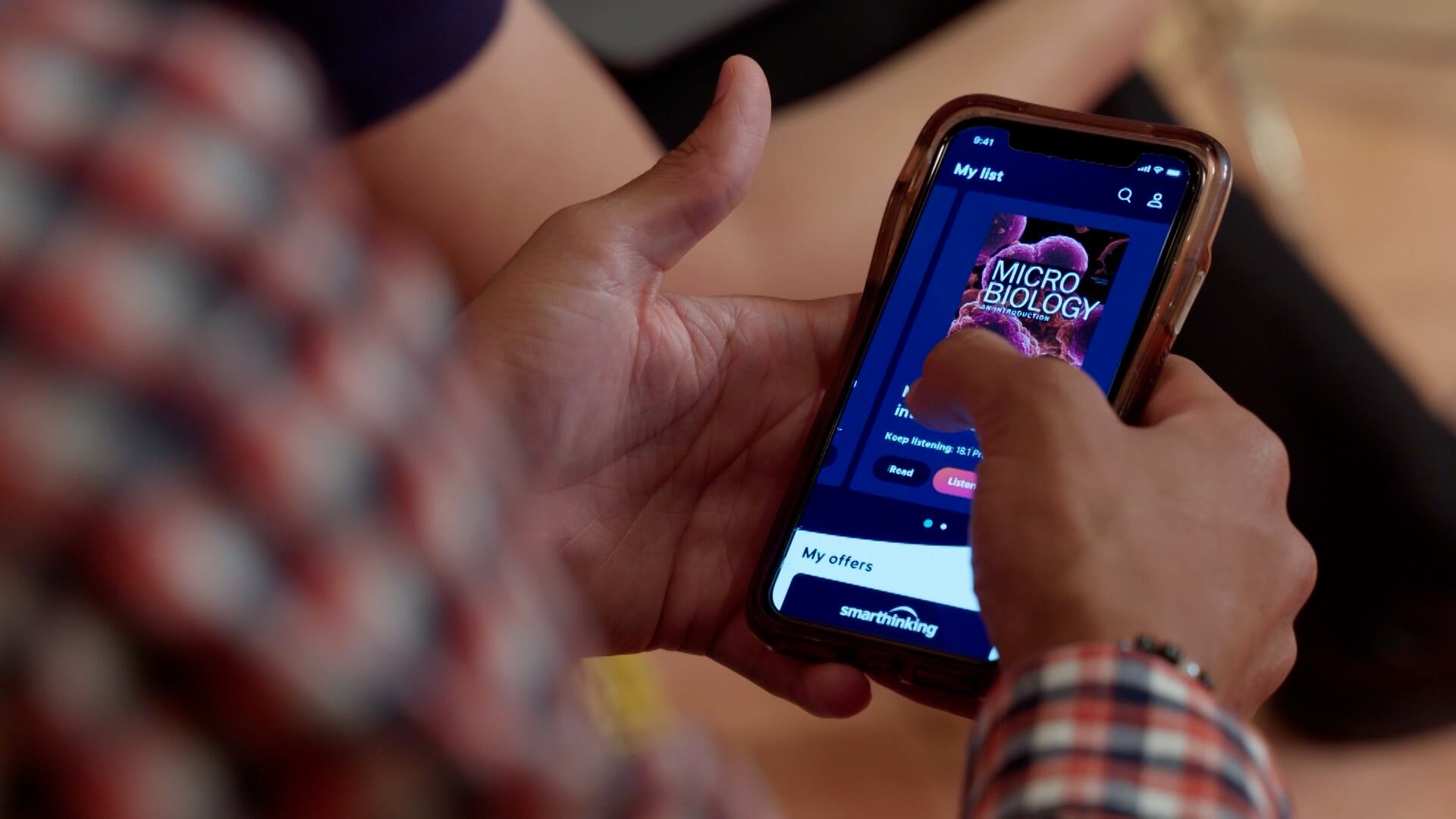
The highly transmissible omicron variant of COVID-19 has forced school districts nationwide to return to virtual instruction, but there remain concerns about the quality of education students are receiving online. Andy Bird, CEO of Pearson, an education publisher and assessment service provider, joined Cheddar's "Opening Bell" to talk about steps educators and parents can take to make the remote learning experience an easier one, noting that one of the biggest advantages teachers can have is flexibility. "You cannot take a rigid timetable that works in the analog world and replicate that in the digital world. You need to have flexibility. Asynchronous learning, I think, is a very important part," he told Cheddar.
Rob Dongoski, EY Food and Agriculture Leader, joins Cheddar News to discuss what advancements in tech will shape the future of food, and how we are going to see more and more personalization in the food system.
The year 2021 saw numerous natural disasters around the world, including extreme heat and wildfires, rare deep freezes, and historic flooding. This year's United Nations COP26 conference was key for getting world leaders on board with emissions reductions and other climate-focused policies as the UN Secretary-General said the agency's report on global warming is a 'code red for humanity.' In the U.S., President Joe Biden has focused most of his domestic agenda on slashing emissions and building climate-focused infrastructure. Guests from The Economist, UNC-Chapel Hill, Global Rescue, and more join Cheddar Climate's year-end special to discuss how the climate changed in 2021, and what to expect in 2022.