Tesla says it delivered 241,300 electric vehicles in the third quarter even as it wrestled with a global shortage of computer chips that has hit the entire auto industry.
The Palo Alto, California, company's sales from July through September beat Wall Street estimates of 227,000 sales worldwide, according to data provider FactSet.
Third-quarter sales rose 72% over the 140,000 deliveries Tesla made for the same period a year ago.
So far this year, Tesla has sold around 627,300 vehicles. That puts it on pace to soundly beat last year's total of 499,550.
Wedbush analyst Daniel Ives wrote in a note to investors that the pace of electric vehicle deliveries in the U.S. and China has been strong for the past month or so. That means an “eye-popping growth trajectory heading into 4Q and 2022 for (CEO Elon) Musk & Co.”
Still, Ives estimated that the chip shortage will knock 40,000 vehicles from Tesla's annual delivery number. He estimates the deliveries to be at least 865,000 vehicles, with a bull case of around 900,000.
“In a nutshell, with chip shortage headwinds, China demand still recovering from earlier this year, and EV competition coming from all angles, Tesla’s ability to navigate these challenges this quarter have been very impressive,” he wrote.
In the third quarter, the smaller Model 3 sedan and Y SUV led the way with 232,025 sales, followed by the larger Models S and X at 9,275. Tesla said it produced 237,823 vehicles for the quarter.
Constituent service platform Indigov recently raised $25 million in a Series B funding round. Indigov bills itself as a constituent relationship management tool that helps elected officials improve the way they organize, respond to, and engage those they serve. The startup's services are being used by federal, state, and local governments across the country, including the U.S. House of Representatives. Alex Kouts, founder & CEO of Indigov, joins Cheddar News' Closing Bell to discuss.
It can be tough to make sustainable choices, and even harder when sustainable materials don't hold up. Loliware has a solution to the plastic straw problem: its seaweed-based straws are stronger than paper alternatives and once used, can be composted and return to the earth or sea without causing harm. Sea Briganti, CEO of Loliware, joins Closing Bell to discuss the tech behind the straws, new product launches, and more.
Sonia Lapinsky, managing director of retail at AlixPartners, breaks down some new shopping trends she's seeing at a time when inflation is near a 40-year high. She also explains what fresh economic data and recent retail earnings could mean for the future of the industry.
The 2022 NBA playoffs are intensifying as four teams vie for an NBA finals berth. Tonight, Stephen Curry and the Golden State Warriors can book their finals ticket with a win over the Dallas Mavericks, while Miami will be feeling the 'heat' tomorrow night, facing elimination against the Boston Celtics.
And with the growing popularity of sports betting, the NBA playoffs offers a potential money-making opportunity for fans. Trysta Krick, host of BetMGM Tonight, joins Cheddar News' Closing Bell to discuss.
Snap stock saw the worst day ever after a large drop in price on Tuesday following warnings of revenue and earnings slowdown. This trend caught on with other social and digital media stocks due to fears that brands heavily relying on advertising get hit with the same inflation struggles. However, some analysts note that Snap may be a unique case due to a rapid, possibly unsustainable, expansion leading to the current grim forecast.
From Meta’s Oculus to PlayStation’s VR headsets, Cheddar News anchors Ken Bufa and Kristen Scholer cover the potential for this tech in Cheddar Connected as more heavy hitters like Apple look to take the stage.
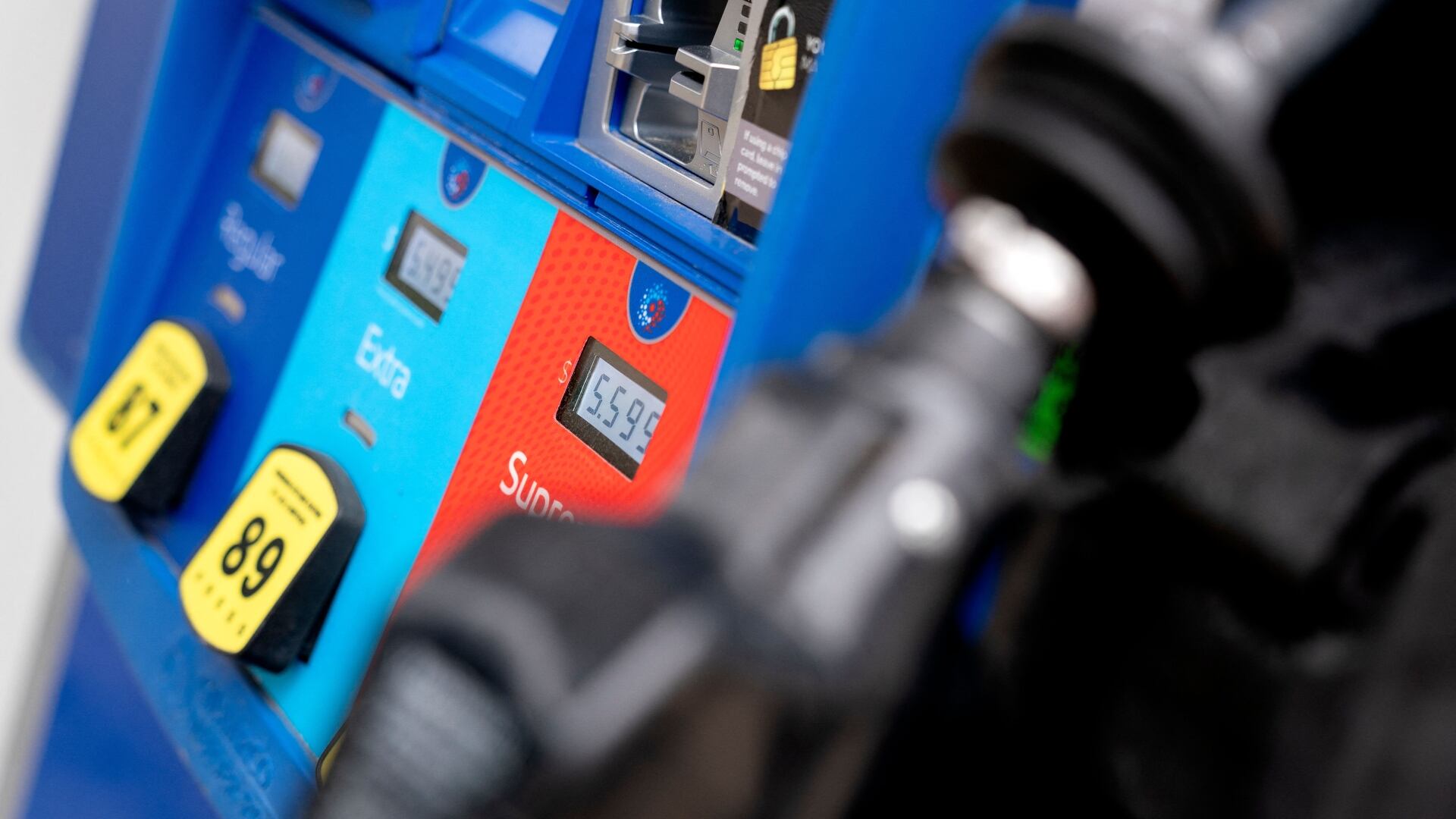
As the holiday weekend arrives, travelers are bracing themselves for higher gas prices amid the inflation surge, but Robert Sinclair, AAA spokesperson, joined Cheddar News to discuss how the higher costs likely won't hold people back this Memorial Day Weekend. “We're near pre-pandemic levels. Nearly 40 million people are traveling. And of that total, about 35 million will be driving to their destinations," he said.