Target shares skyrocketed on Wednesday after the big-box retailer reported earnings that blew past expectations ahead of the critical holiday shopping season.
Target ($TGT) beat on the top and bottom lines and showed eye-popping same-store sales growth of 4.5 percent. Comp sales are the most watched metric for retailers.
The company has been in the midst of a transformation of sorts, spending heavily on e-commerce, delivery logistics, and store renovations. And it's clearly paying off. Target CEO Brian Cornell said in a conference call that the quarterly earnings show "further proof of the durability" of that investment decision.
Coming on the heels of rival Walmart's earnings beat ー which was the result of a surging grocery business ー Target's numbers give more support to the theory that the U.S. consumer is carrying the tariff-battered American economy on its back. That theory will be given the ultimate test now, with the holiday shopping season about to officially begin. Target has said it will spend an additional $50 million on wages this quarter to ensure it has enough staff to deal with the holiday crush.
It will also be the first big test of Walmart's next-day delivery service. Target is offering free standard shipping on hundreds of thousands of items in a bid to lure customers away from Amazon. Cornell told CNBC that the company is improving on its shipping economics by sending more items directly from stores rather than fulfillment centers, which results in average savings of 40 percent per order.
Target wasn't the only big box to see its shares pop on earnings. Lowe's jumped after the home-improvement retailer beat expectations and raised guidance even though revenue fell short.
James Gallagher, CEO and Co-Founder of GreenLite, discusses the challenges of rebuilding the fire-affected LA area and how permitting complicates the process.
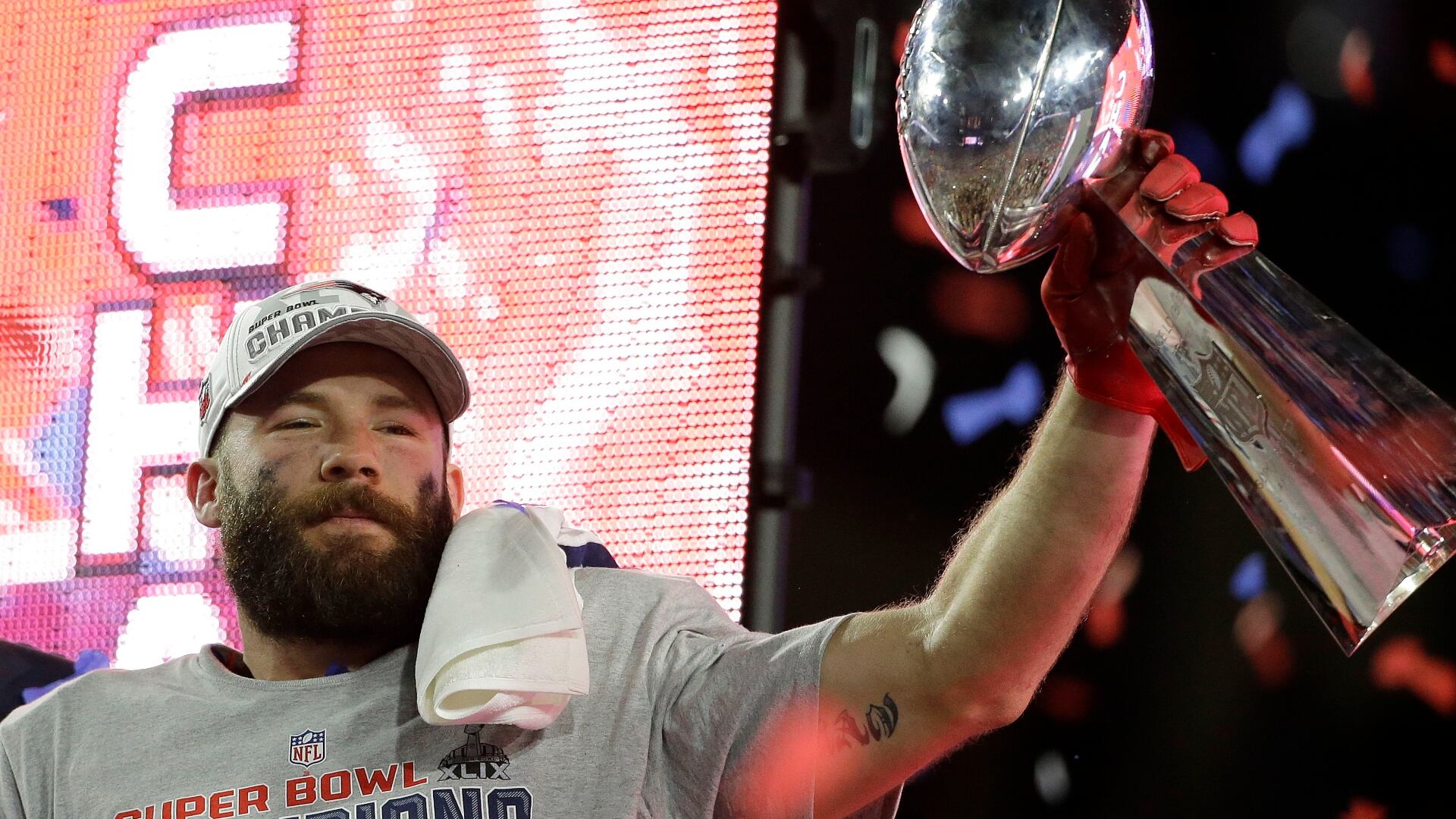
Super Bowl Champion, Julian Edelman, talks Chiefs' conspiracies, his fave TSwift song and his bet for Super Bowl LIX. Plus, the best time for a bathroom break.
Ron Hammond, Sr. Director of Government Relations at the Blockchain Association, breaks down Trump’s plan to strengthen U.S. leadership in financial technology.
BiggerPockets Money podcast is now available on Cheddar Wednesdays at 10am ET! Mindy Jensen shares how her podcast is helping people gain financial freedom.
The social video platform's future remains in doubt, as players scramble to profit from the chaos. Plus: Big oil gets bigger, DOGE downsizes, and tariffs!
Ty Young, CEO of Ty J. Young Wealth Management, joins Cheddar to discuss Trump's moves as he returns to Washington D.C. and how it may affect the U.S. economy.
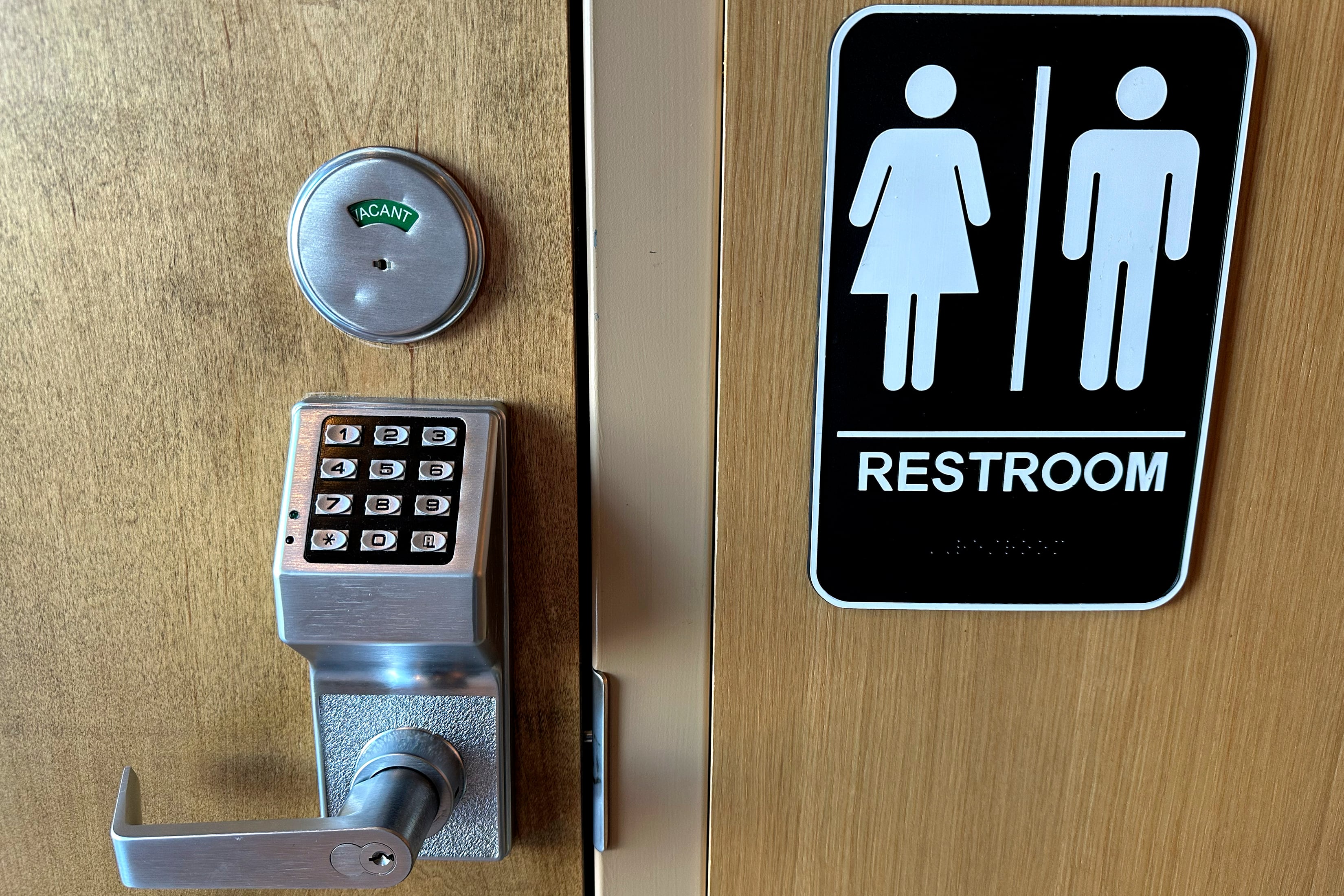
Starbucks’ decision to restrict its restrooms to paying customers has flushed out a wider problem: a patchwork of restroom use policies that varies by state and city. Starbucks announced last week a new code of conduct that says people need to make a purchase if they want to hang out or use the restroom. The coffee chain's policy change for bathroom privileges has left Americans confused and divided over who gets to go and when. The American Restroom Association, a public toilet advocacy group, was among the critics. Rules about restroom access in restaurants vary by state, city and county. The National Retail Federation says private businesses have a right to limit restroom use.
President Donald Trump is talking up a joint venture investing up to $500 billion for infrastructure tied to artificial intelligence by a new partnership formed by OpenAI, Oracle and SoftBank. The new entity, Stargate, will start building out data centers and the electricity generation needed for the further development of the fast-evolving AI in Texas, according to the White House. The initial investment is expected to be $100 billion and could reach five times that sum. While Trump has seized on similar announcements to show that his presidency is boosting the economy, there were already expectations of a massive buildout of data centers and electricity plants needed for the development of AI.
Chris Ruder, Spikeball Founder and CEO, explains how he and his friends put roundnet on the global map, plus, how Spikeball helps people "find their circle."