Amid mixed messages from the White House on the approval process for a possible coronavirus vaccine, Surgeon General of the United States Jerome Adams addressed those who may be skeptical of what some see as a politicization of science.
"You should have trust in the process if you don't have trust in the politics and the people," Adams told Cheddar. "I promise you this vaccine, when it gets across the finish line, will be safe, will be effective, and I will be in line to get it when they tell me that I can."
The surgeon general noted that he was aware of the long history of medical malpractice that has disproportionately impacted people of color, but stressed that safety mechanisms and oversight boards have since been put in place to protect people.
As the Trump administration consults with scientists who support the controversial "herd immunity" approach, Adams also pushed back against the idea that this would mean "letting everyone go out and get sick" but instead would be best achieved by securing a vaccine as quickly as possible.
"I talked to [Dr. Anthony] Fauci last night, and we still expect one by the end of this year or beginning of next year," he said.
In the meantime, Adams is rolling out a new guidance on hypertension, which is one of several preconditions that increase the chances of death from coronavirus.
"If you have high blood pressure, it puts you at higher risk for cardiovascular disease, for stroke, which we know puts you at higher risk for complications and death from COVID," he said.
"People can't be expected to do this alone," he said. "We need to provide the community supports because people don't just have pre-existing medical conditions. They have pre-existing social conditions: lack of access to transportation, lack of a good-paying job, lack of child care. All of these things conspire to reduce our resilience, and we need to give more people the opportunity to make a healthy choice."
In light of the president's own COVID diagnosis, however, Adams made a general plea for all Americans to take basic preventive measures seriously such as wearing a mask, washing your hands, and social distancing.
"What I want people to understand is that COVID is contagious," he said. "It's very contagious, doesn't matter if you're Democrat or Republican, black or white, rich or poor, or where you live. You can still get it, and you can still die from it."
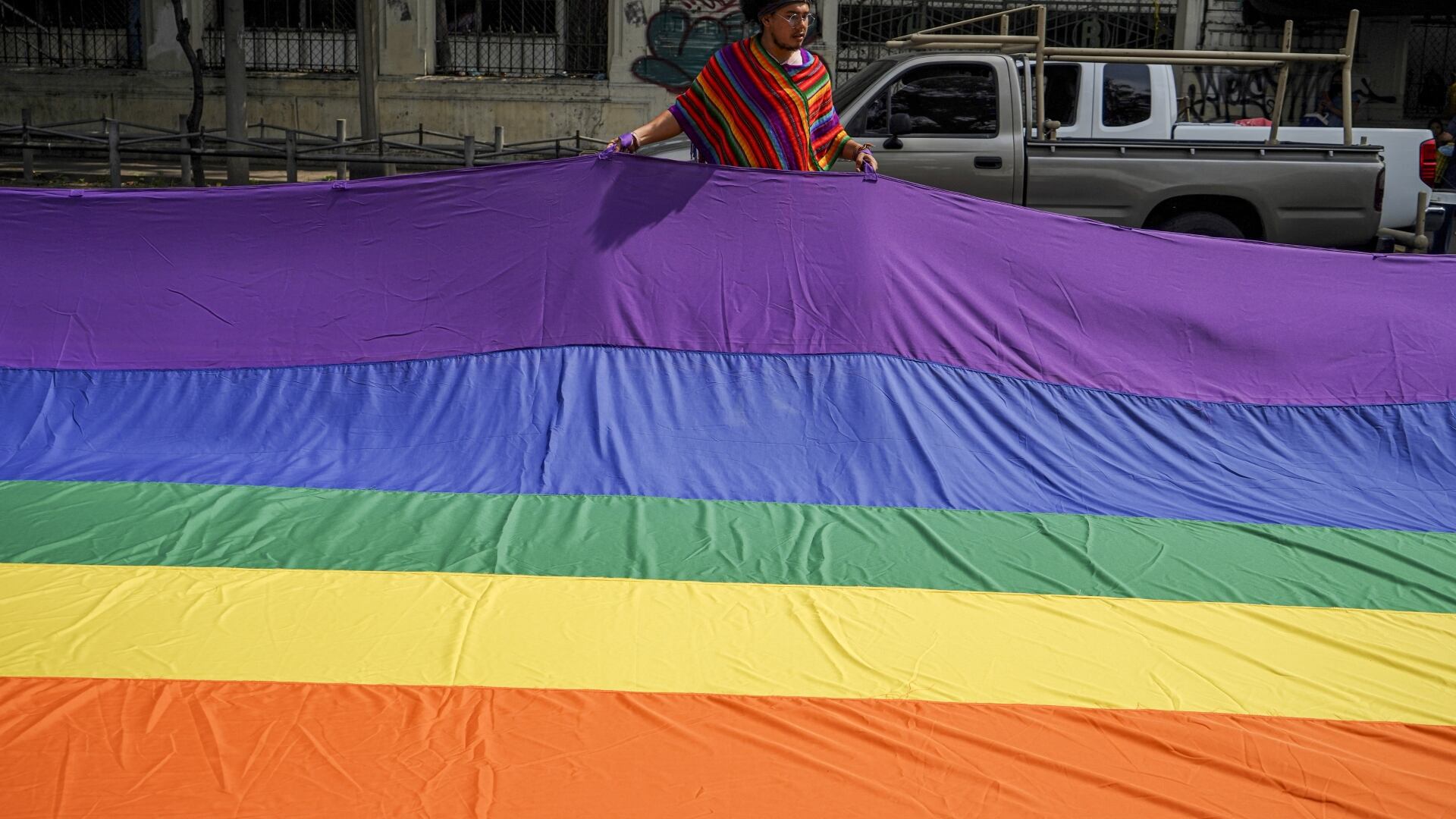
Liana Guzmán, CEO of FOLX Health, joins Cheddar News to discuss the company launching billboards across the country in response to anti-LGBTQ+ legislation.
President Biden has announced an additional $800 million in military assistance to Ukraine, including artillery, armored personnel carriers, and helicopters. It comes as Russian forces appear to be preparing for a new, aggressive offensive in the eastern part of Ukraine. Paul McLeary, defense reporter for Politico, joined Cheddar to discuss this new round of aid and what it means for the U.S. commitment to arming the embattled country.
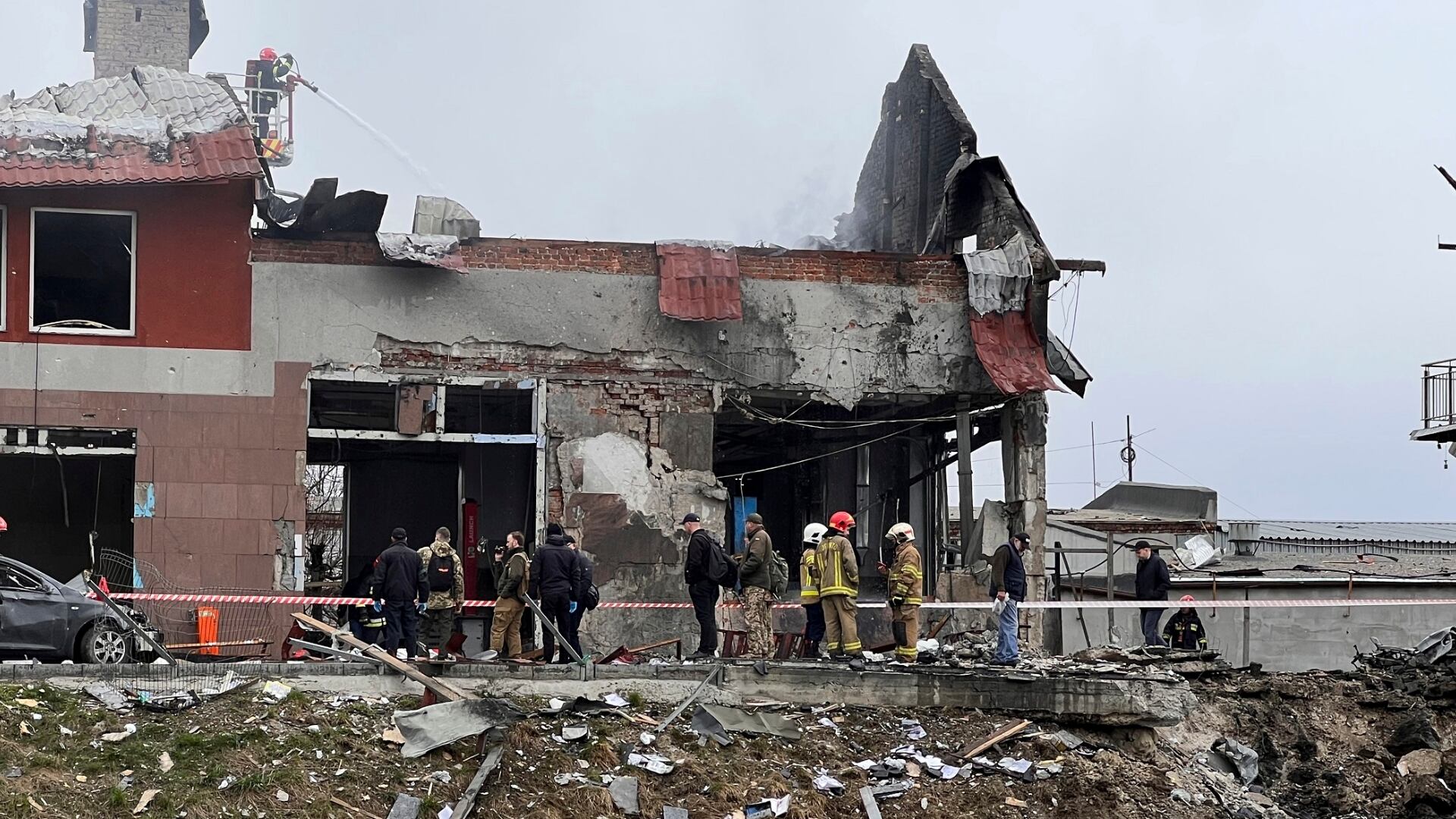
Catching you up on what you need to know on April 18, 2022, with Russian missile attacks on the Ukrainian city of Lviv killing seven, mass shootings in South Carolina and Pittsburgh, Lucky Charms cereal under official investigation by the FDA, and more.
Activism is growing around the country in response to school boards banning books from shelves that focus on sexuality, gender, identity, or race. Jen Cousins, co-founder of The Florida Freedom to Read Project, joins Cheddar News to discuss.
As the Russian invasion of Ukraine intensifies, President Biden has announced a ban on importing Russian oil, gas, and energy. To discuss how this ban will impact the war and Americans, Amir Handjani, non-resident fellow at Quincy Institute, joins Cheddar News.
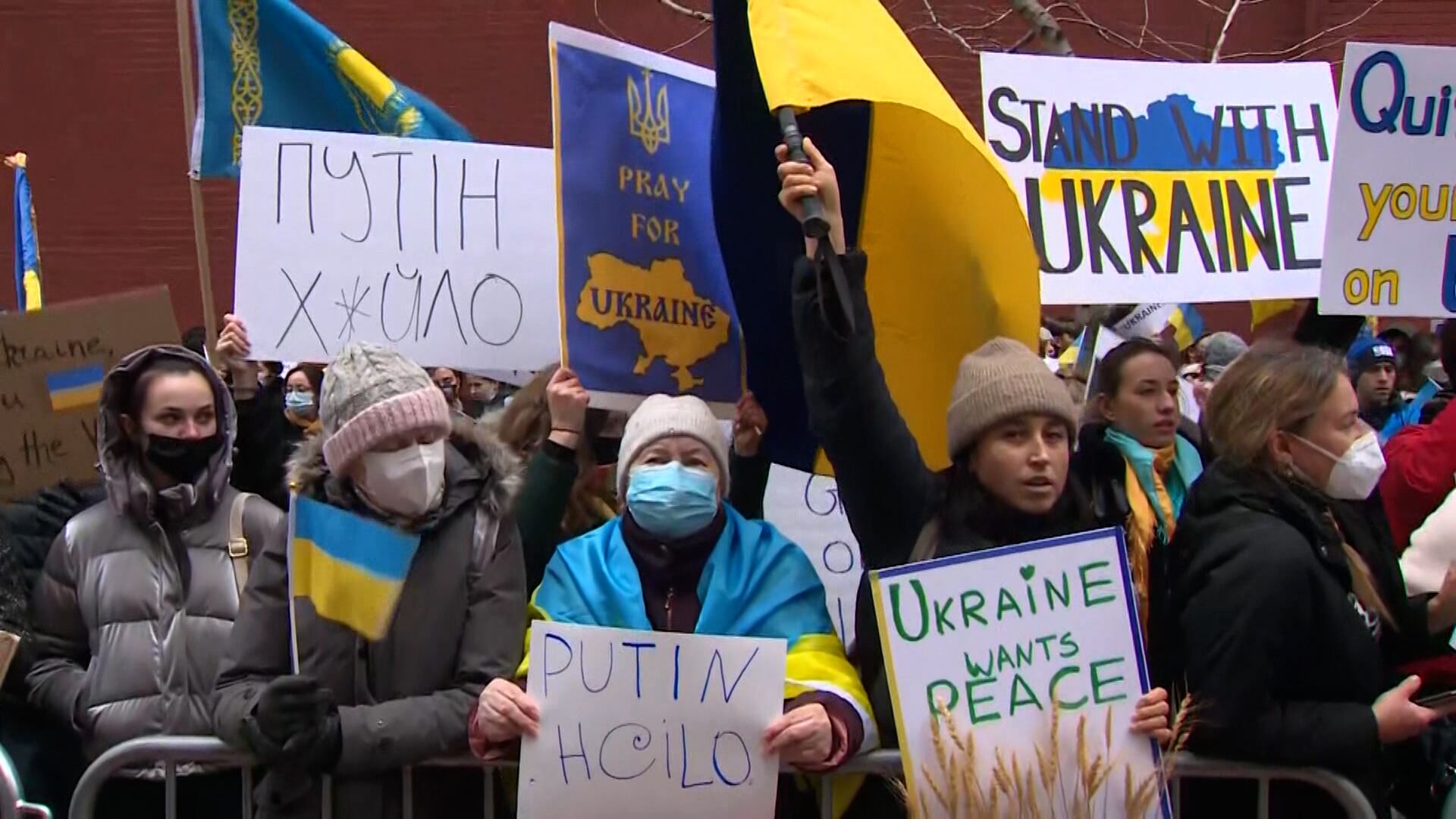
Thousands of protesters around the world are expressing their solidarity with Ukraine against Russia's invasion.
Jason Beardsley, national executive director of the Association of the U.S. Navy and national security expert, joins Cheddar News to discuss.
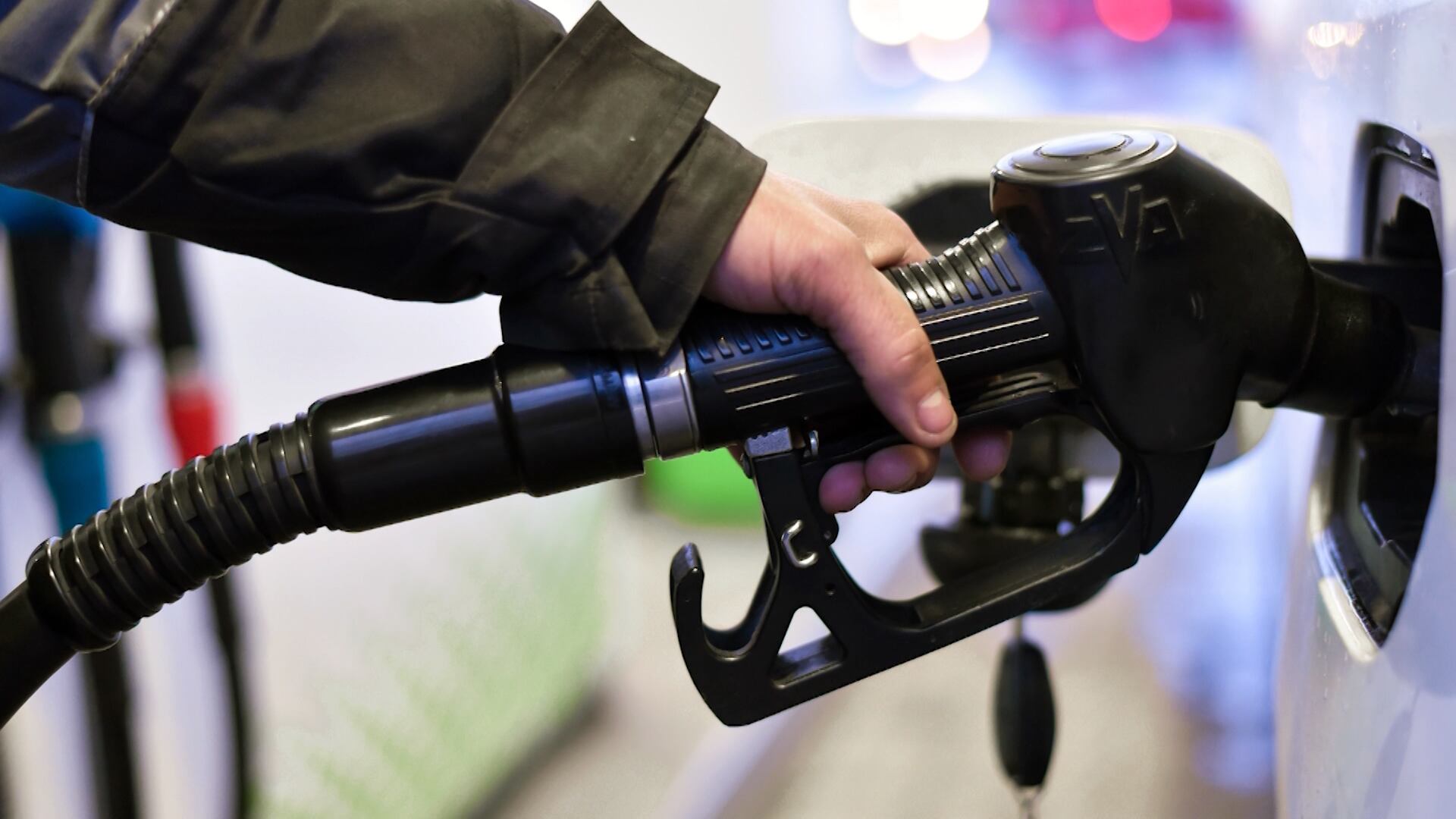
As gas prices surge amid the Russian invasion of Ukraine, other nations could potentially transition faster to using clean energy than previously expected. Philip K. Verleger, a senior fellow at the Niskanen Center, joined Cheddar News to explain how this could be a possibility in the near future. "Part of the reason I think we have this invasion and the tantrum that's being thrown by Russia, terrible tantrum, is because the Russians were trying to slow down the transition," he said. "Ironically they speeded it up."
Following the invasion of Ukraine, a multitude of Western companies have paused doing business with Russia. PepsiCo, Coca-Cola, McDonald's, and Starbucks are the most recent companies to temporarily cease operations in Russia. Dean of Miami Herbert Business School at the University of Miami, John Quelch, joined Cheddar News to discuss what message this sends to Russia and the Russian consumer. “I would not underestimate the collective strength of all of these multinational companies, essentially coming together to make their collective statement in support of the political statements that have come out of Washington," he said.
The war in Ukraine continues to reveal heartbreaking gut-wrenching stories. The war in itself is not only devastating but also expensive. Experts estimate that Russia is draining nearly $20 million dollars each day to continue occupying and invading Ukraine. All this could force the country to turn to cryptocurrencies. It's a major turn for the country that briefly considered outlined digital assets entirely, but it could also have serious implications for cryptos. Managing Director at Quantum Fintech Group, Harry Yeh, joined Cheddar to discuss more.