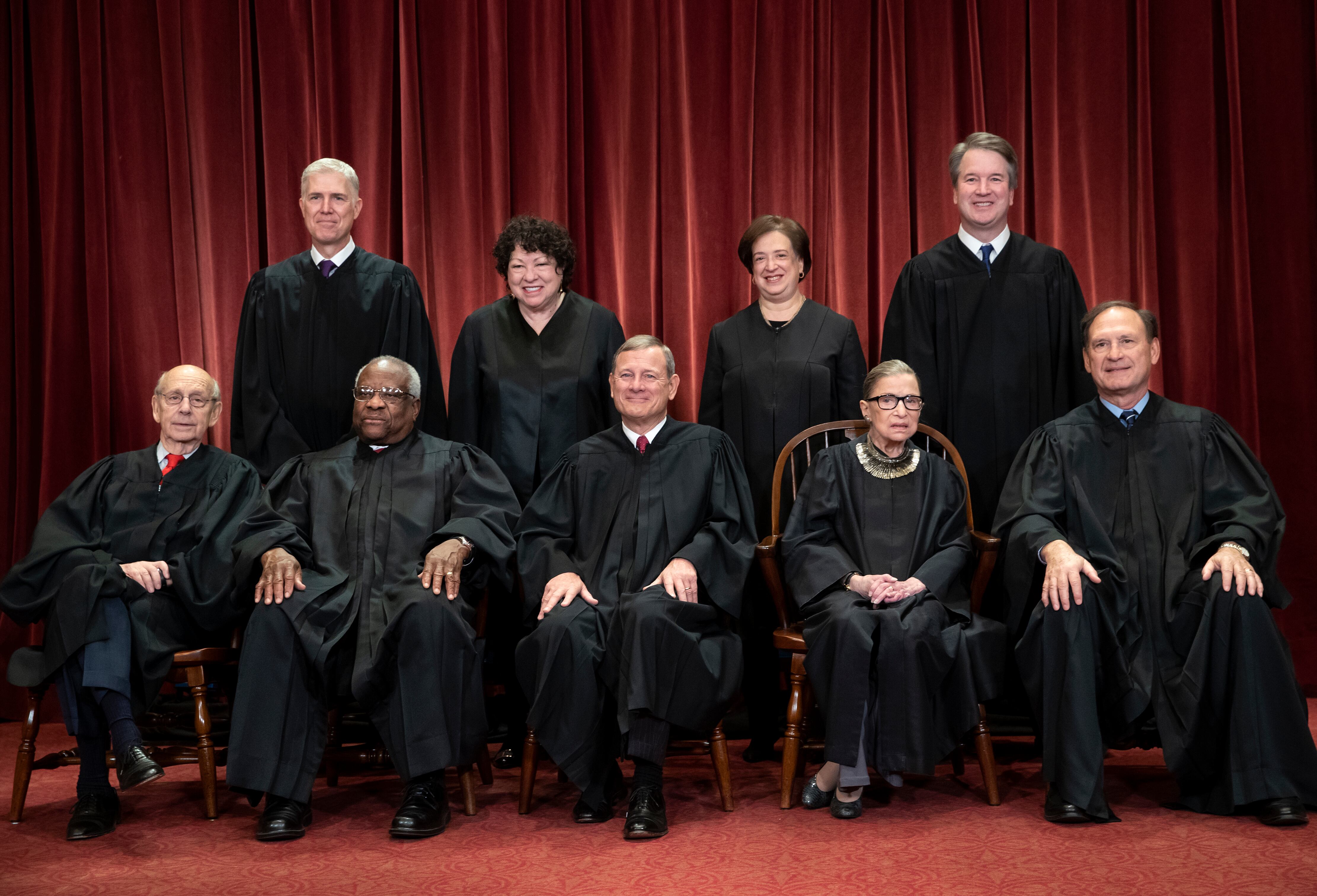
In this Nov. 30, 2018, file photo, the justices of the U.S. Supreme Court gather for a formal group portrait. Seated from left: Associate Justice Stephen Breyer, Associate Justice Clarence Thomas, Chief Justice of the United States John G. Roberts, Associate Justice Ruth Bader Ginsburg and Associate Justice Samuel Alito Jr. Standing behind from left: Associate Justice Neil Gorsuch, Associate Justice Sonia Sotomayor, Associate Justice Elena Kagan and Associate Justice Brett M. Kavanaugh. (AP Photo/J. Scott Applewhite, File)
By Mark Sherman
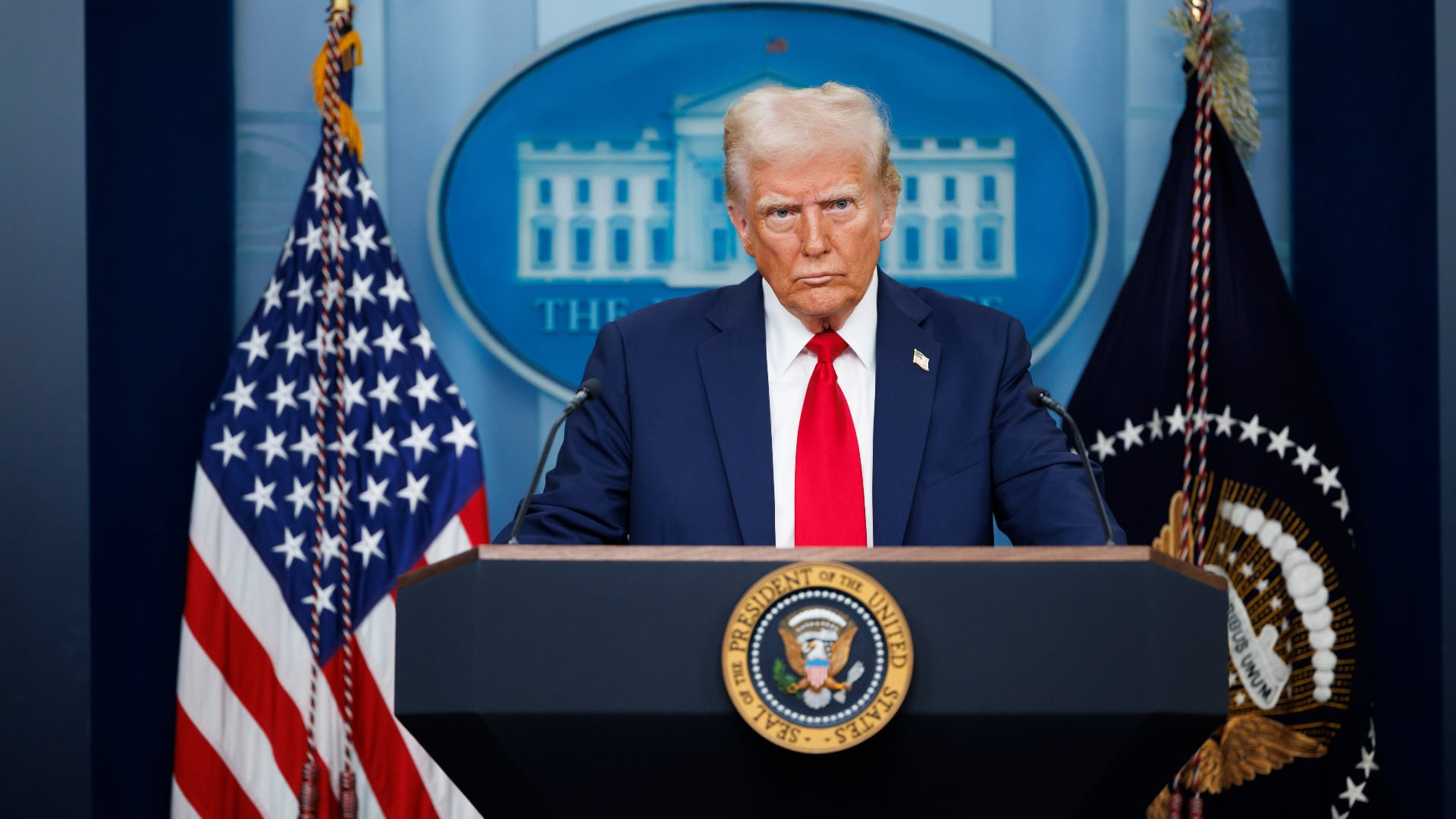
The Supreme Court said Monday it will hold arguments by teleconference in May in key cases, including President Donald Trump's bid to shield his tax and other financial records.
The court will make live audio of the arguments available for the first time. It had previously postponed courtroom arguments for March and April because of the coronavirus.
The justices and the lawyers arguing the cases all will participate remotely. The court said a live audio feed will be provided to news organizations.
The court has never live-streamed courtroom arguments and only rarely has it made the audio available on the same day.
Six of the nine justices are 65 and older, at higher risk of getting very sick from the illness, according to the Centers for Disease Control and Prevention.
Justices Ruth Bader Ginsburg, 87, and Stephen Breyer, 81, are the oldest members of the court.
The only other time Supreme Court arguments have been held outside the 85-year-old court building was in October 2001, when anthrax was detected in the court mailroom. That led the justices to hold arguments in the federal courthouse about a half mile from the Supreme Court, but only for one week.
In 1918, when the court still met inside the Capitol, arguments were postponed for a month because of the flu pandemic. Smallpox outbreaks in the late 1700s also caused postponement of court business.
Railroad unions report that workers for Norfolk Southern who were present at the derailment and chemical spill site in East Palestine, Ohio, have been falling ill.
The Biden administration on Thursday released a plan for improving the nation's cybersecurity by shifting the burden from individuals, small businesses, and local governments to federal agencies and major tech providers.
COVID-19's origins remain hazy. Three years after the start of the pandemic, it's still unclear whether the coronavirus that causes the disease leaked from a lab or spread to humans from an animal.
Paul Vallas and Brandon Johnson will meet in a runoff to be the next mayor of Chicago after voters on Tuesday denied incumbent Lori Lightfoot a second term, issuing a rebuke to a leader who made history as head of the nation’s third-largest city.
Chicago Mayor Lori Lightfoot has lost her bid for a second term. None of the nine candidates in Tuesday’s election won more than 50% of the vote, so Paul Vallas and Brandon Johnson will meet in a runoff to succeed her.
A large cross-section of Americans is at risk of falling below the poverty line as the program that provided more than 32 million people with extra SNAP benefits during the pandemic is set to end. Families received at least $95 extra per month to spend on food.
Conservative justices in the Supreme Court’s majority seem likely to sink President Joe Biden’s plan to wipe away or reduce student loans held by millions of Americans.