By Mark Sherman
The Supreme Court announced Monday that it is postponing arguments for late March and early April because of the coronavirus, including fights over subpoenas for President Donald Trump’s financial records.
Other business will go on as planned, including the justices' private conference on Friday and the release of orders in a week's time. Some justices may participate by telephone, the court said in a statement.
Six of the nine justices are 65 and older, at higher risk of getting very sick from the illness, according to the Centers for Disease Control and Prevention. Justices Ruth Bader Ginsburg, 87, and Stephen Breyer, 81, are the oldest members of the court.
There is no new date set for the postponed arguments. the building has been closed to the public since last week.
The only other time the 85-year-old court building was closed for arguments was in October 2001, when anthrax was detected in the court mailroom. That led the justices to hold arguments in the federal courthouse about a half mile from the Supreme Court,
Within a week and after a thorough cleaning, the court reopened.
In 1918, when the court still met inside the Capitol, arguments were postponed for a month because of the flu pandemic. In the nation's early years, in August 1793 and August 1798, adjustments were made because of yellow fever outbreaks, the court said.
These are the headlines you Need 2 Know for Monday, July 22, 2019.
*From Wall Street to Silicon Valley, these are the top stories that moved markets and had investors, business leaders, and entrepreneurs talking this week on Cheddar.*
TripAdvisor, a leading recommendations platform for global tourism, came under fire last week from Amnesty International for its scores of listings in Israeli settlements in the Palestinian occupied territories.
These are the headlines you Need 2 Know for Friday, July 19, 2019.
Following Iran's seizure of a foreign oil tanker and the U.S. shooting down an Iranian drone, Rep. Khanna is concerned about the alarming escalation between the two nations.
Rapper A$AP Rocky and two of his companions are currently being held in Sweden after an altercation in the city of Stockholm, but the hip-hop star's Congressman Adriano Espaillat believes race is a factor at play in the detention.
These are the headlines you Need 2 Know for Thursday, July 18, 2019.
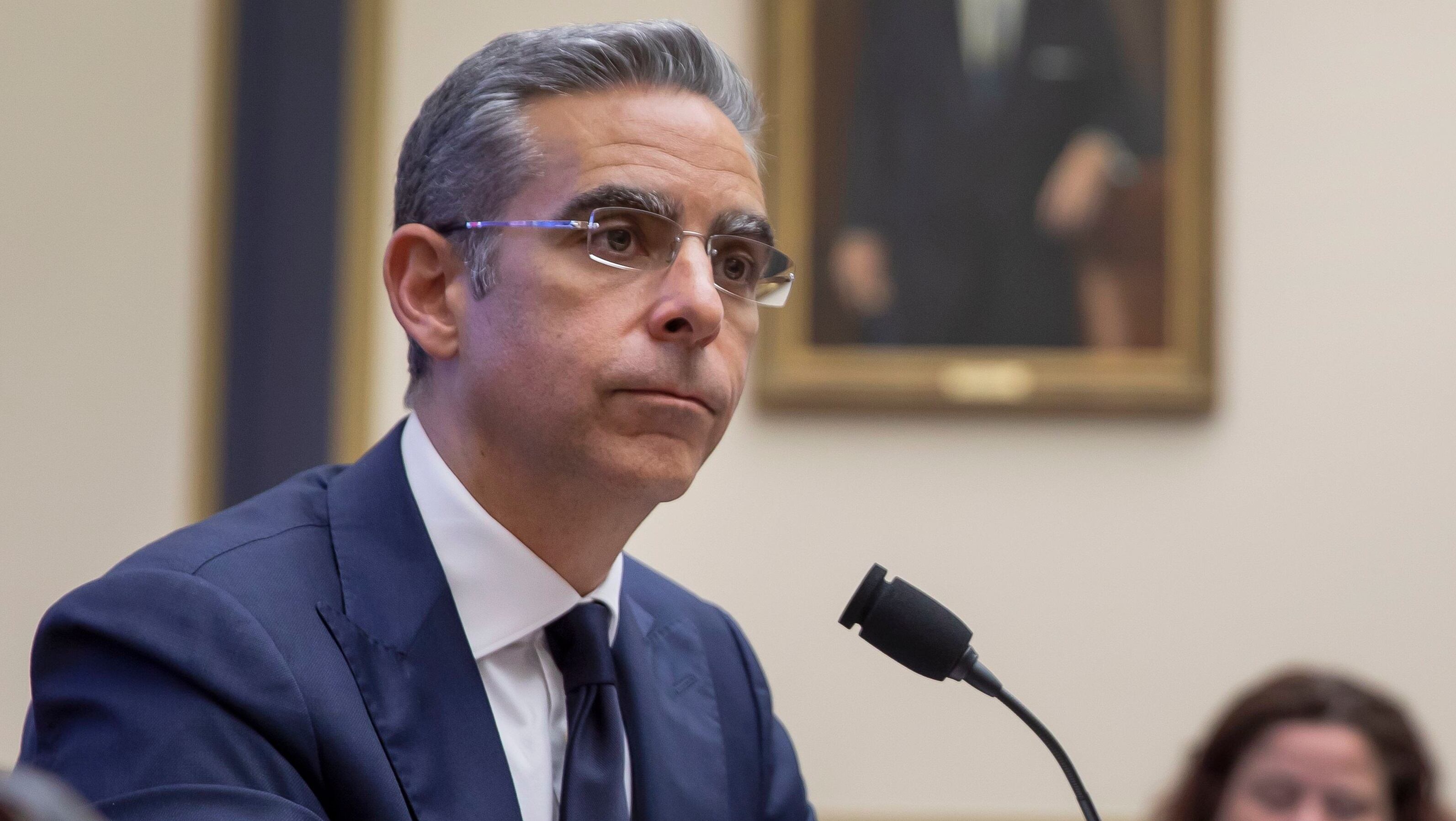
The House Financial Services Committee had more pointed questions for Facebook's David Marcus about the governing structure of the Libra Association in the second day of Congressional grilling.
Ebony Underwood was just 13 years old when her father William was arrested in 1988. Today, more than 30 years later, Underwood has joined a broad coalition of activists and lawmakers working for criminal justice reform. Through her advocacy group, We Got Us Now, she is fighting to make sure that children of incarcerated adults are not overlooked on the path to rectification.
These are the headlines you Need 2 Know for Wednesday, July 17, 2019.