By Mark Sherman
The Supreme Court announced Monday that it is postponing arguments for late March and early April because of the coronavirus, including fights over subpoenas for President Donald Trump’s financial records.
Other business will go on as planned, including the justices' private conference on Friday and the release of orders in a week's time. Some justices may participate by telephone, the court said in a statement.
Six of the nine justices are 65 and older, at higher risk of getting very sick from the illness, according to the Centers for Disease Control and Prevention. Justices Ruth Bader Ginsburg, 87, and Stephen Breyer, 81, are the oldest members of the court.
There is no new date set for the postponed arguments. the building has been closed to the public since last week.
The only other time the 85-year-old court building was closed for arguments was in October 2001, when anthrax was detected in the court mailroom. That led the justices to hold arguments in the federal courthouse about a half mile from the Supreme Court,
Within a week and after a thorough cleaning, the court reopened.
In 1918, when the court still met inside the Capitol, arguments were postponed for a month because of the flu pandemic. In the nation's early years, in August 1793 and August 1798, adjustments were made because of yellow fever outbreaks, the court said.
These are the headlines you Need 2 Know for Friday, Aug. 9, 2019.
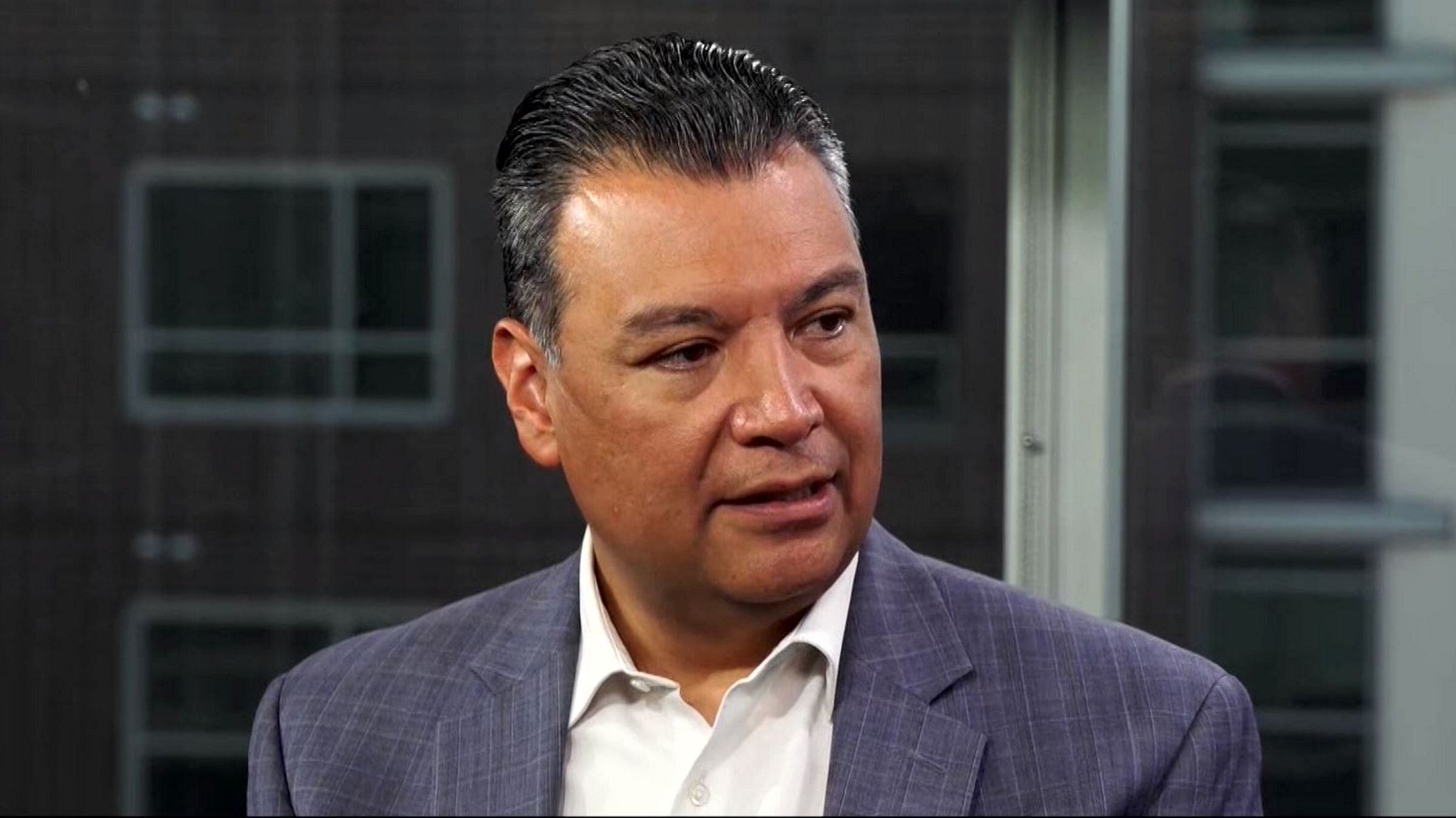
The Golden State's so-called "resistance" strategy, Alex Padilla said, is rooted in a three-pronged approach: legislation, legal challenges, and civil society organization.
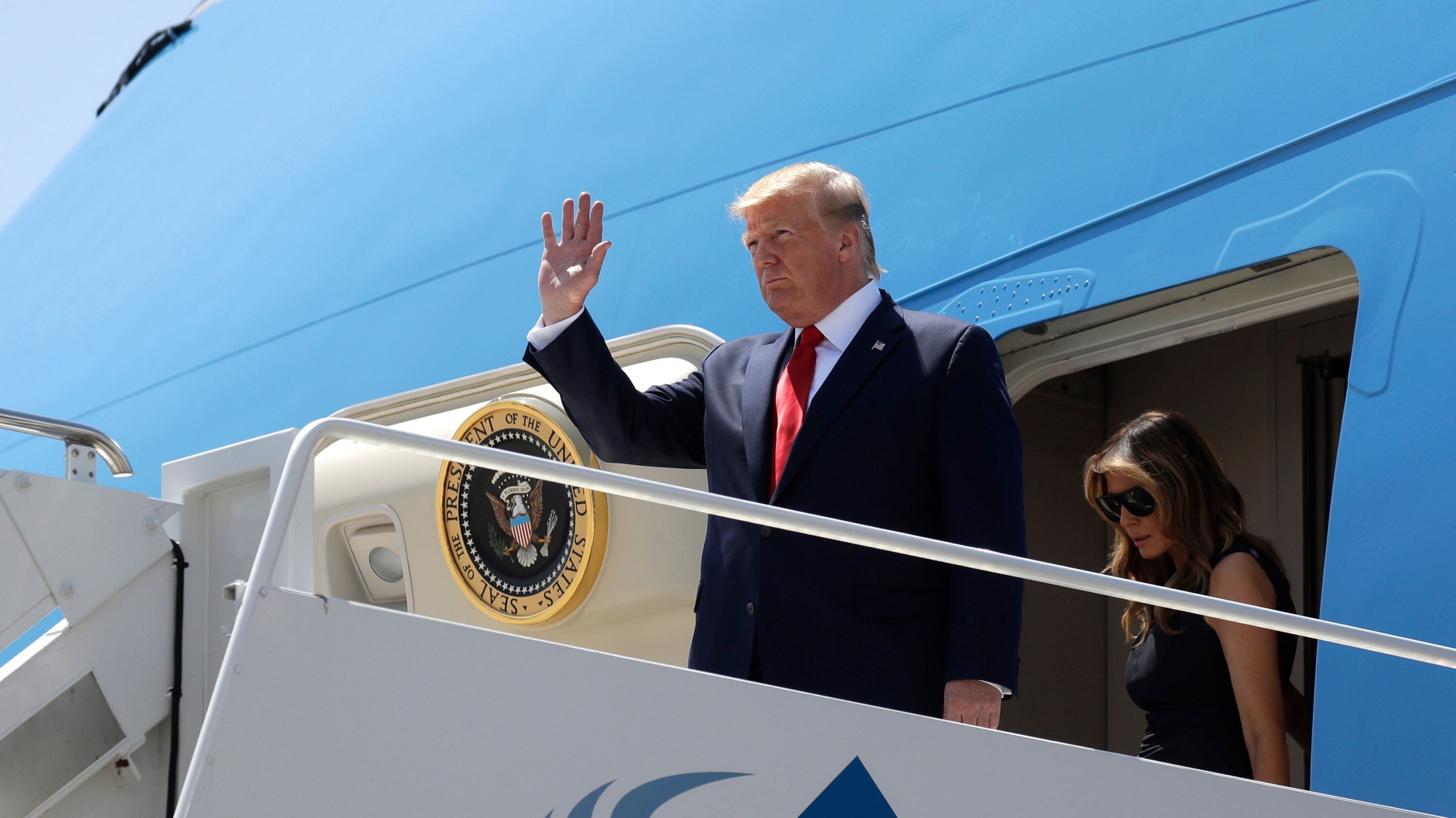
President Trump traveled to El Paso, Texas and Dayton, Ohio on Wednesday, two cities grieving after separate mass shootings killed at least 31 people over the weekend. The president, however, was greeted with large protests in both cities as residents and lawmakers expressed their anger over Trump’s divisive leadership and refusal to support stricter gun control measures.
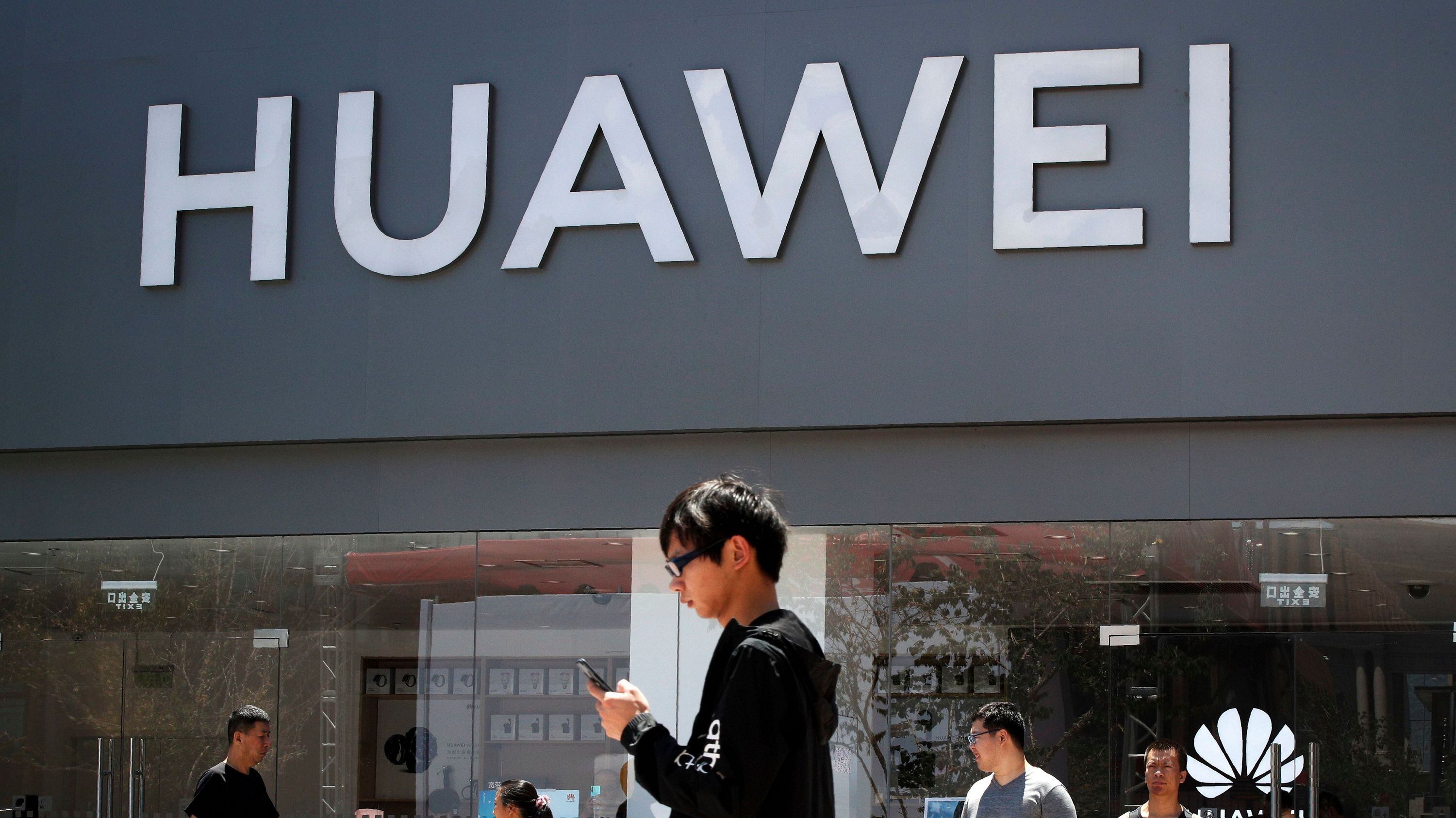
The rule would be the latest move by the White House against Huawei. The Chinese tech giant was deemed to be a threat to U.S. national security in May and has since been a central component of the ongoing trade dispute between the U.S. and China.
China has historically been one of U.S. farmers' largest buyers, making the sector a prime target for Beijing's retaliatory tariffs.
On this episode of 'Your Cheddar': how one entrepreneur leverages technology to build her brand and monetize her expertise, and the CEO and co-founder of Pillar joins the show to discuss how his platform helps others manage their student loan debt. Cheddar also hits the streets to ask New Yorkers how they would decide between easy money and spending quality time with their favorite celebrities.
President Trump is scheduled on Wednesday to visit El Paso, Texas and Dayton, Ohio, two cities still grieving after separate mass shootings killed at least 31 people over the weekend. The president’s visits, however, have created an atmosphere of angst and unease.
President Trump and the Republican party filed multiple lawsuits on Tuesday to block California’s recently implemented law that requires presidential hopefuls to release their tax returns in order to appear on the state’s primary ballot.
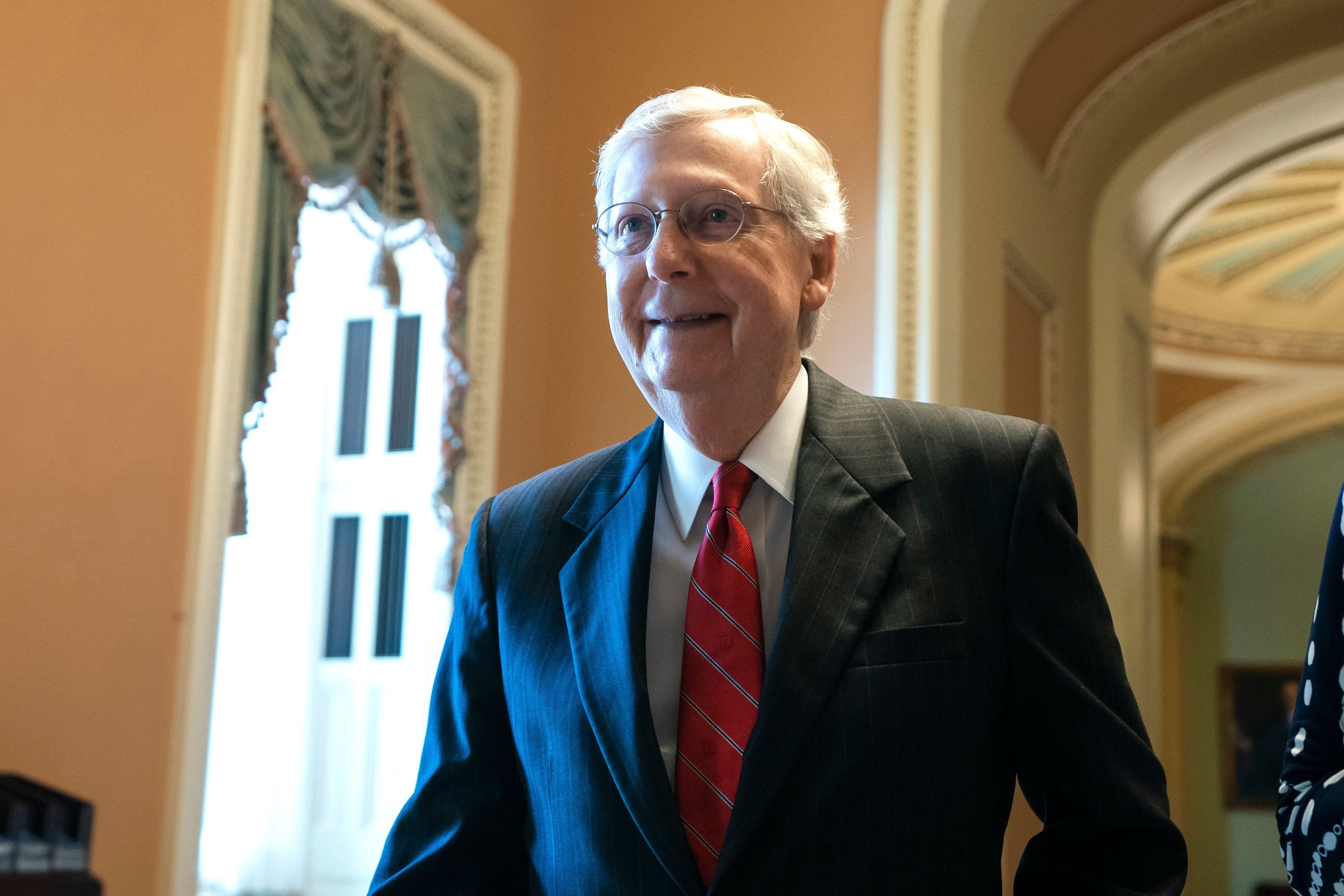
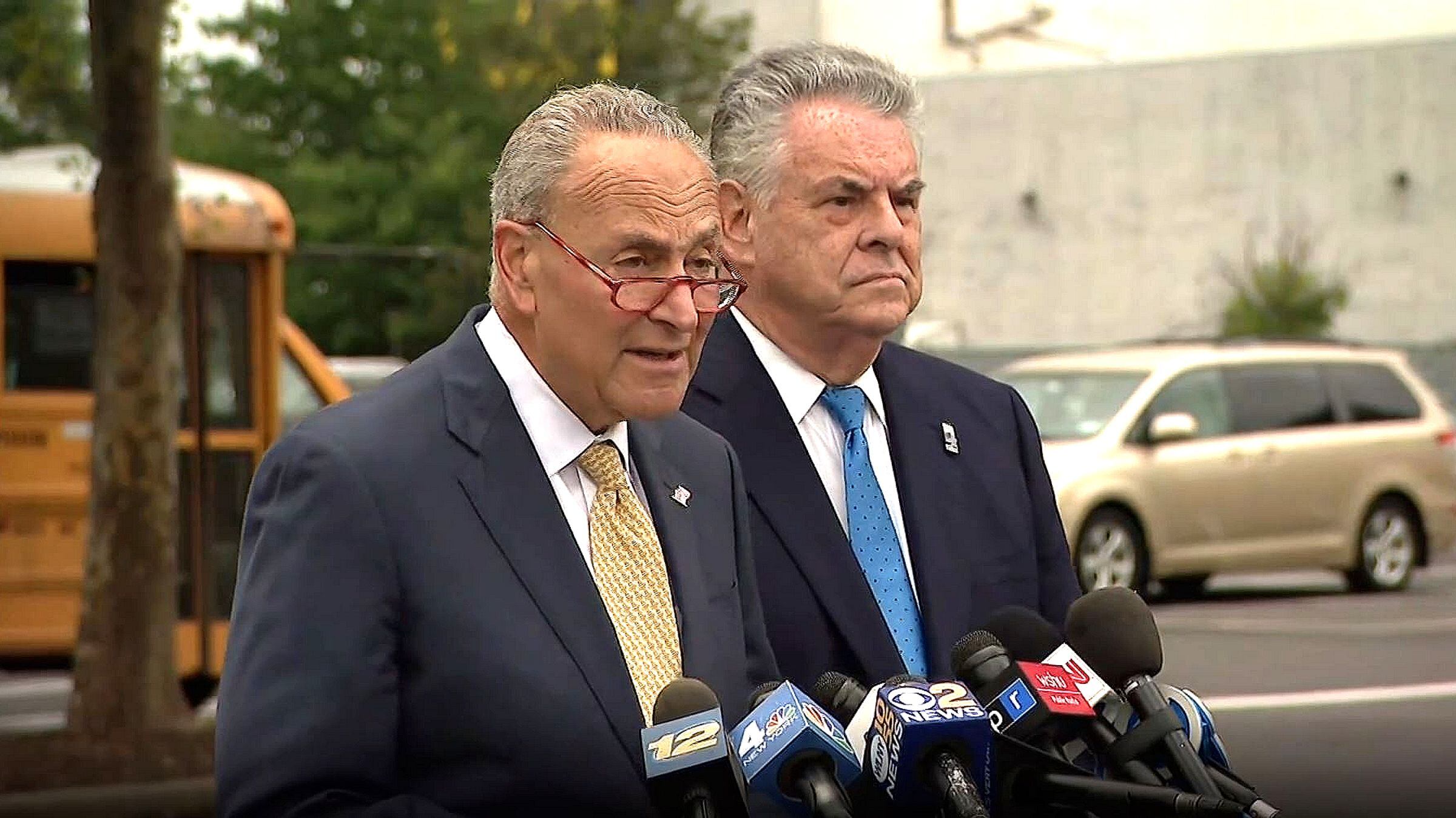
Democratic Sen. Chuck Schumer and Republican Rep. Peter King publicly called on Senate Majority Leader Mitch McConnell to hold a vote on a bipartisan background check legislation, just days after two back-to-back mass shootings in El Paso and Dayton killed over 30 people.
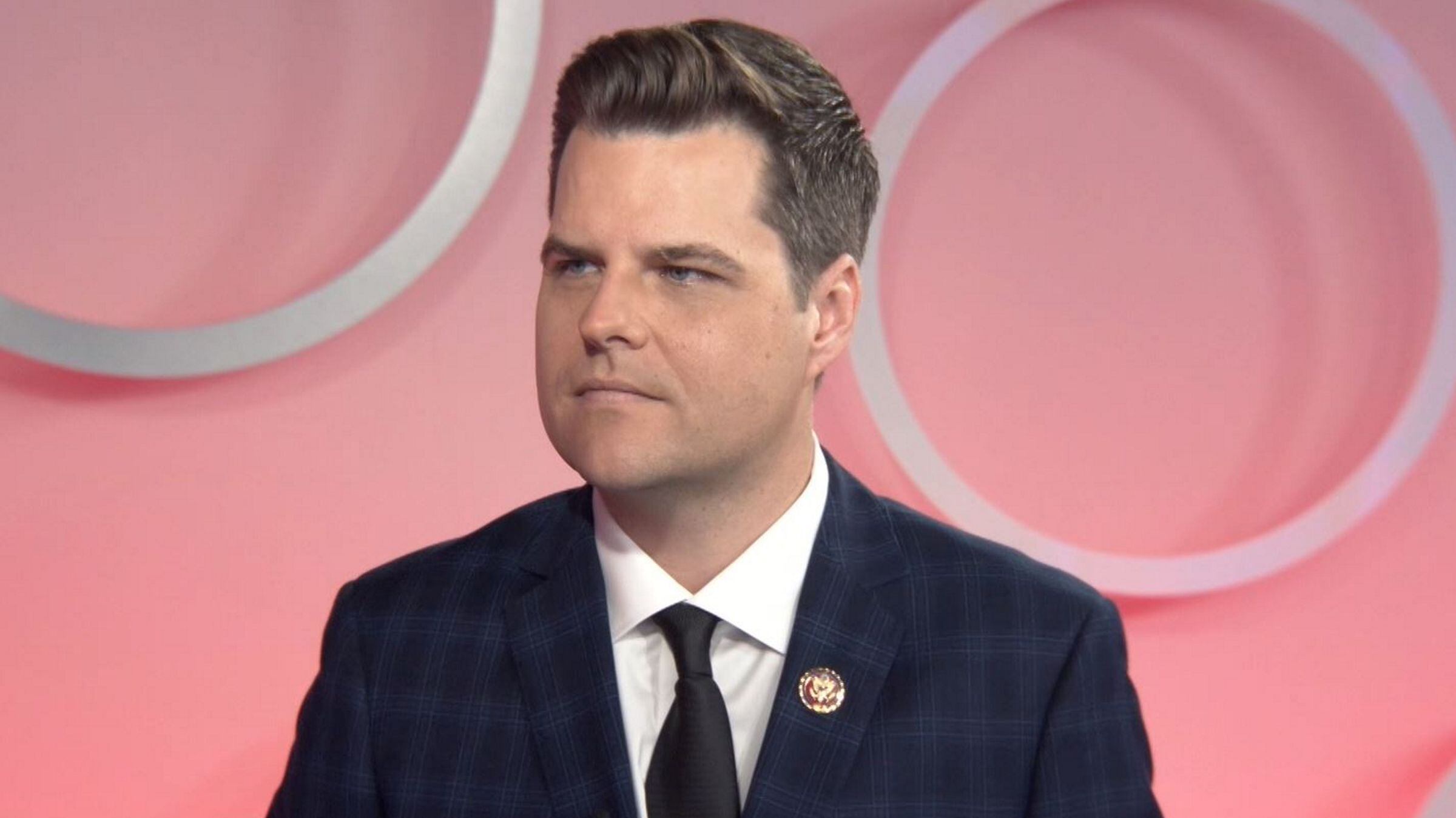
Congressman Matt Gaetz told Cheddar Monday that a focus on mental health is the answer to stop domestic-based gun violence, not gun control or background checks.