By Stan Choe
Stocks whipped up and down Tuesday after the Federal Reserve swooped into the market with an emergency interest-rate cut in hopes of shielding the economy from the effects of the fast-spreading virus.
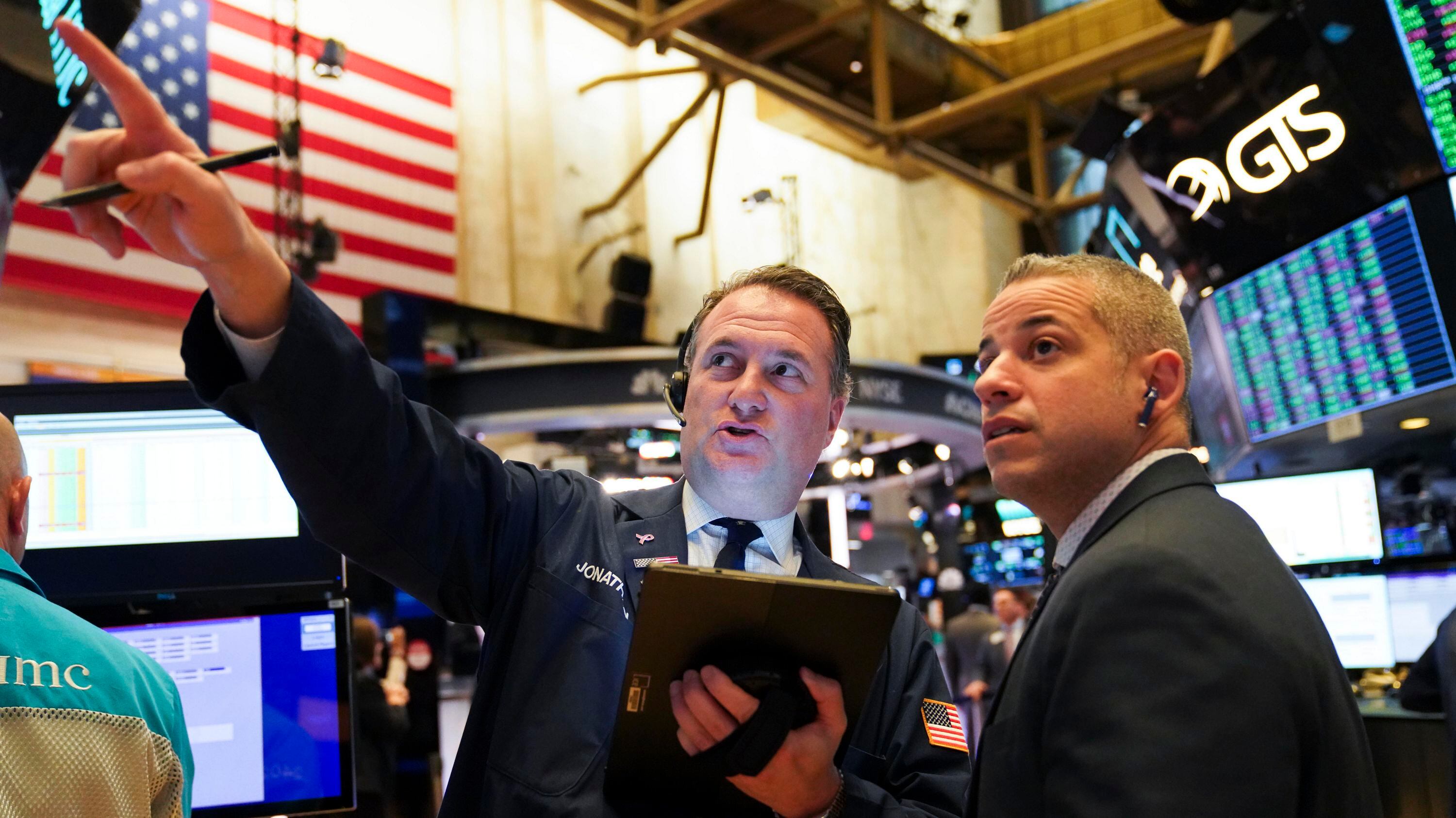
The surprise move gave stocks a strong, brief boost, but it took just 15 minutes for the gains to evaporate. The cut helped raise some confidence, but it did not wipe out the uncertainty dominating markets about how much economic damage the virus will ultimately do. Traders are debating how much much the steepest rate cut from the Fed since 2008 can help and whether more aid is on the way to stabilize the market.
After popping to a 1.5% gain shortly after the Fed's announcement, the S&P 500 swung between modest gains and losses for about an hour before turning decisively lower in the late morning. The index was down 0.8%, as of 11:55 a.m. Eastern time, and other indexes had similar, jagged moves.
Everything from bond yields to a gauge of traders' fear in the stock market swung sharply following the Fed's cut. Markets have been on edge for nearly two weeks, as the virus spreads beyond China and companies across continents and industry say they expect it to hit their profits.
The Fed has a long history of coming to the market's rescue with lower rates and other stimulus, which has helped this bull market in U.S. stocks become the longest in history. Analysts said the Fed's latest cut should provide some more confidence.
“Confidence in markets is crucial,” said Quincy Krosby, chief market strategist at Prudential Financial. “Without confidence, you don’t have a market.”
The Dow Jones Industrial Average had jumped 5% Monday to its best day in more than a decade on rising anticipation for aid from the Fed and other central banks. That followed up the worst week for the S&P 500 since the financial crisis as worries about the virus' economic toll mounted.
Doubts are still high about whether the medicine provided by central banks can be as effective this time around. Lower rates can encourage shoppers and businesses to borrow and spend more, but they can't reopen factories that have been shut or recall workers out due to quarantines. Companies across continents and industries have already said they expect their earnings to take a hit as supply chains are disrupted and customers are scared away from stores.
The Dow was down 283, or 1.1%, at 26,273 as of 11:55 a.m. Eastern time. It was down as many as 356 points shortly after trading opened, only to swing to a gain of 381 points after the Fed's announcement before moderating.
The S&P 500 was down 0.8%, and the Nasdaq was down 0.8%. European stock markets were broadly higher. Asian markets were also generally strong, though Japan's Nikkei 225 fell 1.2%.
Bond yields swung following the Fed's announcement. The yield on the 10-year Treasury slumped to 1.03% from 1.08% and is close to its record low. The 10-year yield tends to fall when expectations are for weak economic growth and inflation.
Earlier in the day, the Group of Seven major industrialized countries pledged support for the global economy but stopped short of announcing any specific new measures. Then the Fed surpised markets with its announcement of the steep, half-point rate cut at 10 a.m. Eastern Time.
The G-7, which includes the U.S., Japan and Germany, among others, made its statement after weeks of warnings from companies that the virus will hit their finances. Economic groups have also warned of worsening forecasts for global economic growth.
Payments processor Visa is among the latest companies warning investors. It expects first-quarter revenue to suffer because of the damage to international travel. Chipmaker Microchip Technology withdrew its profit forecast for the year because of the uncertainty surrounding the virus’ impact.
Worldwide, more than 90,000 people have been sickened and 3,100 have died. The number of countries hit by the virus has reached at least 70, with Ukraine and Morocco reporting their first cases.
U.S. markets have been hit hard by fear over the virus’ impact. Stocks surged on Monday over hopes that central banks will help shield the global economy. That followed a broad sell-off last week that erased gains for 2020 and sent indexes into what market watchers call a "correction," or a fall of 10% or more from a peak.
___
AP Business Writer Damian J. Troise contributed.