By Stan Choe
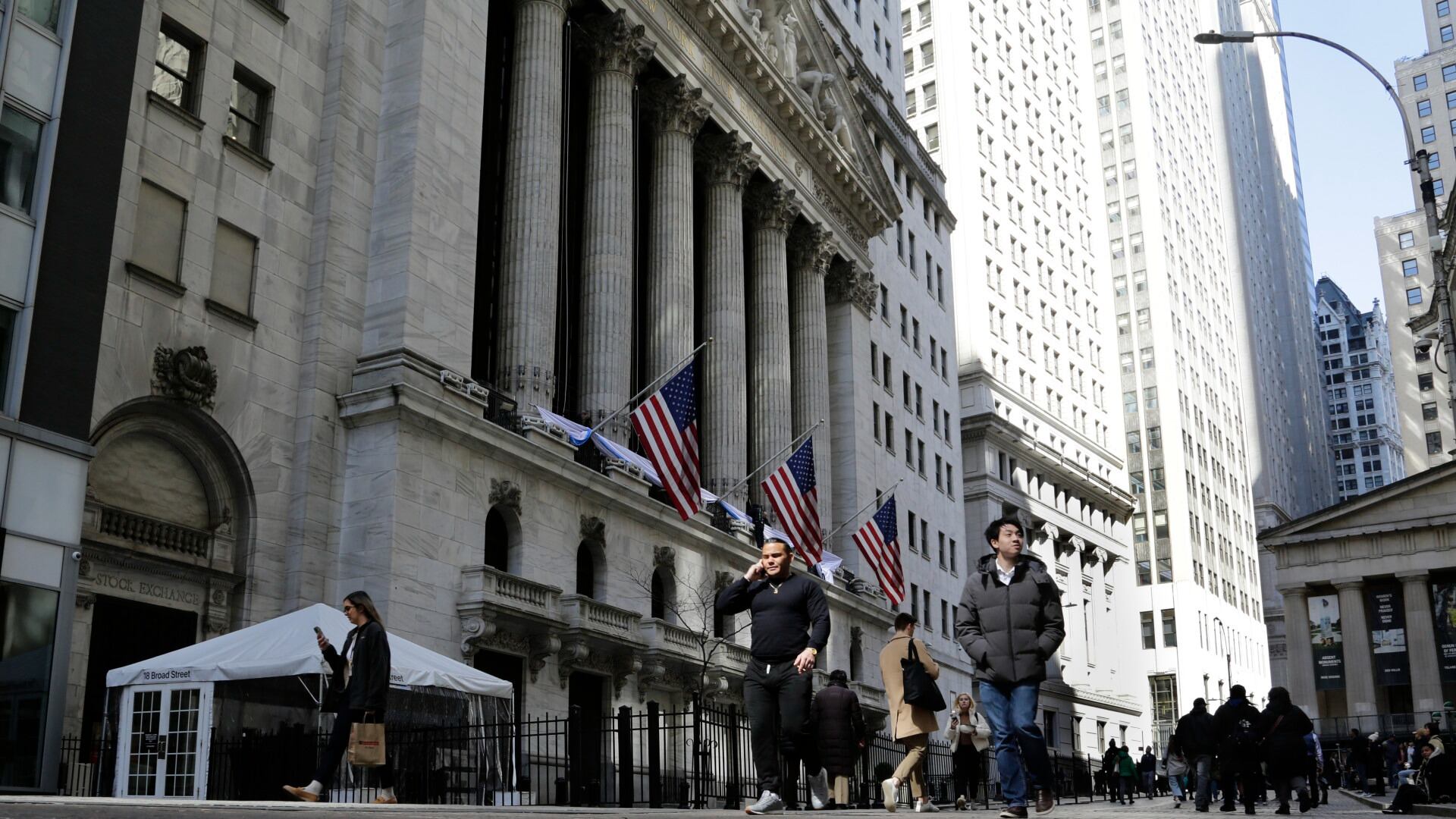
Stocks rebounded on Wall Street Friday but still ended with their worst weekly decline since February. The S&P 500 added 1.1%, led by companies that would benefit the most from a healthier economy. Airlines, hotels, and companies hurt by restrictions on travel and other activities had some of the biggest gains. Merck leaped 8.4% after saying its experimental pill to treat COVID-19 cut hospitalizations and deaths by half. The yield on the 10-year Treasury fell back to 1.47% from 1.52% late Thursday. It was trading at 1.32% a bit over a week ago. Oil prices rose again.
THIS IS A BREAKING NEWS UPDATE. AP’s earlier story follows below.
U.S stocks are on the rebound Friday, led by companies that would benefit the most from a healthier economy, as Wall Street claws back some of its sharp losses from earlier in the week.
The S&P 500 was 1.1% higher, as of 2:45 p.m. Eastern time, though trading was again choppy. The index swung between a gain of 1.4% and a loss of 0.6% earlier in the day.
The Dow Jones Industrial Average was up 1.4%, and the Nasdaq composite was 0.7% higher.
Merck helped pace the market and leaped 9.6% after it said its experimental pill to treat COVID-19 cut hospitalizations and deaths by half. Prospects for an additional tool to tame the pandemic helped lift shares of airlines, hotels and other companies hurt by restrictions on travel and other activites.
United Airlines soared 7.3%, casino owner Caesars Entertainment swept 5.5% higher and Live Nation Entertainment jumped 8.1%.
The market's widespread gains weren't enough to make up for a dismal last few days. The S&P 500 remains on track for a weekly loss of 2.3%, which would be its it worst since February. A swift rise in interest rates earlier this week rattled the market and forced a reassessment of whether stocks had grown too expensive, particularly the most popular ones.
On Friday, the yield on the 10-year Treasury fell back to 1.47% from 1.52% late Thursday. That's still well above its perch of 1.32% from a week and a half ago.
September was also the worst month for the S&P 500 since March 2020, when markets plunged as COVID-19 shutdowns took hold. Among the worries that have weighed on the market: The Federal Reserve is close to letting off the accelerator on its support for markets, economic data has recently been mixed following an upturn in COVID-19 infections, corporate tax rates may be set to rise and political turmoil continues in Washington.
There's also high inflation still enveloping the world. Oil prices are up 2% this week, approaching a seven-year high, while natural gas prices are up more than 7%.
The Federal Reserve has said that it expects high inflation to be only transitory because it's the result of an economy stirring back to life from its earlier shutdown. But if it's wrong, the Fed may have to raise interest rates earlier or more aggressively than it's telegraphed to markets.
Economic reports on Friday were mixed. The nation's manufacturing grew faster than expected last month, but an August reading from the Federal Reserve's preferred measure for inflation was a bit higher than forecast. They follow a disappointing report on Thursday showing more people filed for unemployment benefits than expected.
Such data means "you hear the word ‘stagflation’ come up once in a while, which would be the worst outcome” said Rich Weiss, senior portfolio manager at American Century Investments.
Stagflation is when economic growth stagnates but inflation remains high. Weiss doesn't expect that to happen, so long as the pandemic doesn't cause more global shutdowns, but he also is not positioning his investments as if he's optimistic about big future gains for stocks.
“We're not swinging at the pitch right now,” he said. “We are neutral.”
Asian stock markets fell earlier in the day, despite Japan's lifting of a pandemic state of emergency and a survey of large Japanese manufacturers showing sentiment at a nearly three-year high.
Japan's Nikkei 225 index slumped 2.3%, and South Korea's Kospi fell 1.6%.
European stock indexes also fell.
___
AP Business Writer Elaine Kurtenbach contributed.
Updated on October 1, 2021, at 4:19 p.m. ET.