By Damian J. Troise and Alex Veiga
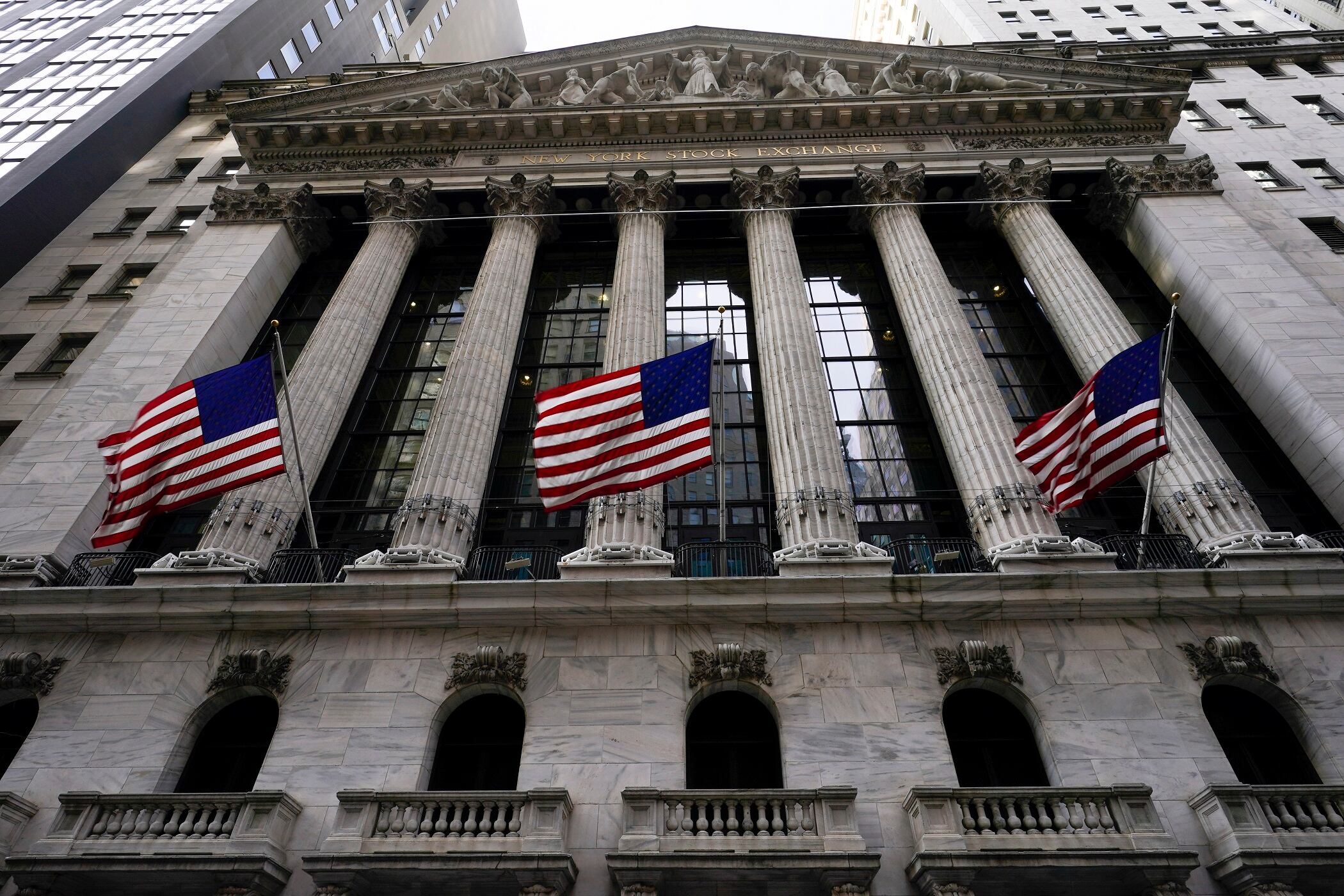
Stocks and bond yields fell sharply Thursday on Wall Street as escalating worries over the possibility that Russia may invade Ukraine rattled global financial markets.
The S&P 500 fell 2.1%, its biggest drop in two weeks and first decline in three days. The Dow Jones Industrial Average fell more than 600 points and the Nasdaq composite slid 2.9%. The losses wiped out the major indexes’ weekly gains.
About 85% of the stocks in the benchmark S&P 500 closed lower. The technology sector was the biggest drag on the index, along with communication stocks and companies that rely on consumer spending. Microsoft fell 2.9%, Facebook parent Meta slid 4.1% and Nike fell 2.5%.
Bond yields fell and dragged banks lower. The yield on the 10-year Treasury fell to 1.97% from 2.04% late Wednesday. Bank of America slid 3.4%.
Markets in Europe, which have been particularly sensitive to tensions in Ukraine, closed broadly lower.
The wave of selling came as President Joe Biden warned that Russia, which is believed to have built up some 150,000 military forces near Ukraine’s borders, could invade within days. Dignitaries raced for solutions but suspicions between East and West only seemed to grow, as NATO allies rejected Russian assertions it was pulling back troops from exercises that had fueled fears of an attack.
“We’re still at this level of inflation that is high and concerning,” said Tom Martin, senior portfolio manager with Globalt Investments. "Add on to that the uncertainty of what’s going on in Russia and Ukraine and you have some folks who just want to sit it out.”
The S&P 500 fell 94.75 points to 4,380.26. The index is now 8.7% below the all-time high it set on Jan. 3. The Dow slid 622.24 points, or 1.8%, to 34,312.03, while the tech-heavy Nasdaq lost 407.38 points to 13,716.72.
Small company stocks also fell broadly. The Russell 2000 index gave up 51.22 points, or 2.5%, to 2,028.09.
Markets have been unsettled all week by tensions in Ukraine, and the potential for a military conflict in Europe has made for volatile trading in energy markets. Russia is a major energy producer and a military conflict could disrupt supplies and jolt markets. U.S. crude oil prices fell 2%, while the price of natural gas fell 4.9%.
If Russia invades Ukraine and the U.S. and the West respond with economic sanctions, that could impede access to about 7% of the global energy market, Martin said.
The price of gold, traditionally a safe haven during geopolitical uncertainty, rose 1.6%.
The tensions over Ukraine have only added to worries investors face as the Federal Reserve prepares to raise interest rates to fight persistently rising inflation.
Wall Street has been looking for clues about how much and how quickly the central bank will begin raising interest rates. The minutes from the latest meeting of Fed officials released on Wednesday showed that most policymakers suggested that a faster pace of increases in the benchmark short-term interest rate “would likely be warranted.”
Inflation has spiked to a 40-year high and companies have been dealing with supply chain problems and higher costs by raising prices on finished goods for consumers. Many have also warned investors that profits, sales and overall operations will still be hurt by inflation.
The move to raise prices on goods has heightened concerns that consumers could eventually pull back spending, which could damage economic growth. Consumers haven't pulled back yet, though, according to latest report from the Commerce Department showing that retail sales surged 3.8% in January as the threat of the omicron variant of COVID-19 faded.
Wall Street is also reviewing the latest round of corporate report cards. Walmart, the world's largest retailer, rose 4% after reporting strong fourth-quarter financial results. Cisco Systems, which makes routers, gained 2.8% after raising its profit forecast for the year.
Updated on February 17, 2022, at 5:15 p.m. ET.