By Alex Veiga
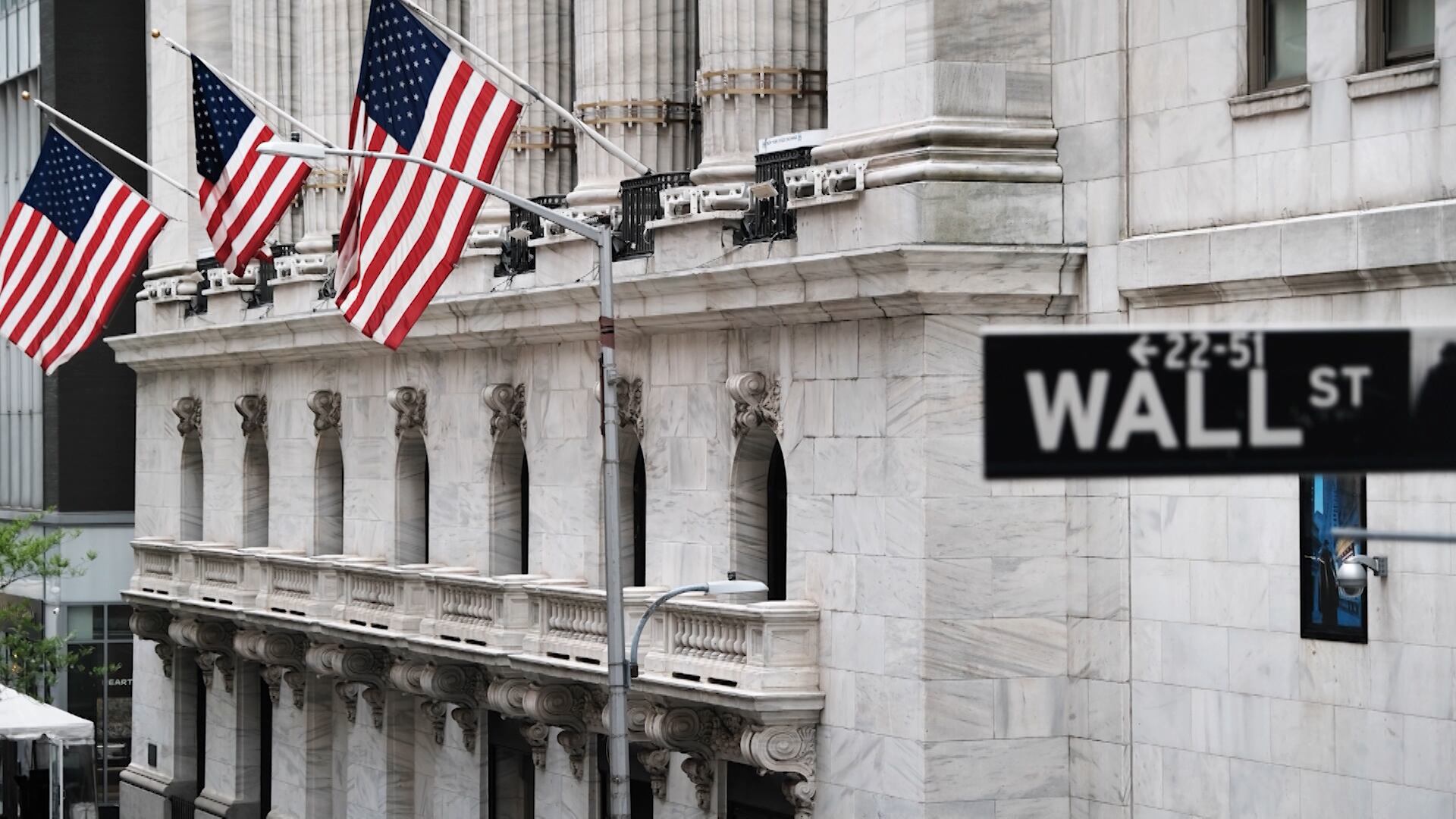
U.S. stock indexes were mixed in early trading Friday, shedding some of their gains from a day earlier as Wall Street rounded out another turbulent week.
After an initial upward move as trading opened, the major indexes were wavering between small gains and losses. The Dow Jones Industrial Average was down 0.7% and the S&P 500 index dropped 0.9%. The Nasdaq, heavily weighted with technology stocks, was up 0.5%.
Following several punishing drops, the indexes are still on track for heavy weekly losses for the second week in a row. Investors are weighing the likelihood that the global economy is entering a recession because of the massive shutdowns and layoffs caused by the coronavirus outbreak against steps by central banks and governments to ease the economic pain.
In energy markets, benchmark U.S. crude was down 4.8% to $24 per barrel. Bond yields were broadly lower. The yield on the 10-year Treasury note slid to 1% from 1.12% late Thursday.
The mixed start for the U.S. indexes followed solid gains across markets in Europe. Stock markets in Asia closed higher.
European markets were as much as 4.5% higher and Shanghai, Hong Kong, and other Asian markets advanced. Seoul surged 7.4%.
Hopes are rising that there will be progress in finding virus treatments and that “a boatload of stimulus by both central banks and governments will put the global economy in position for a U-shaped recovery,” said Edward Moya of Oanda in a report.
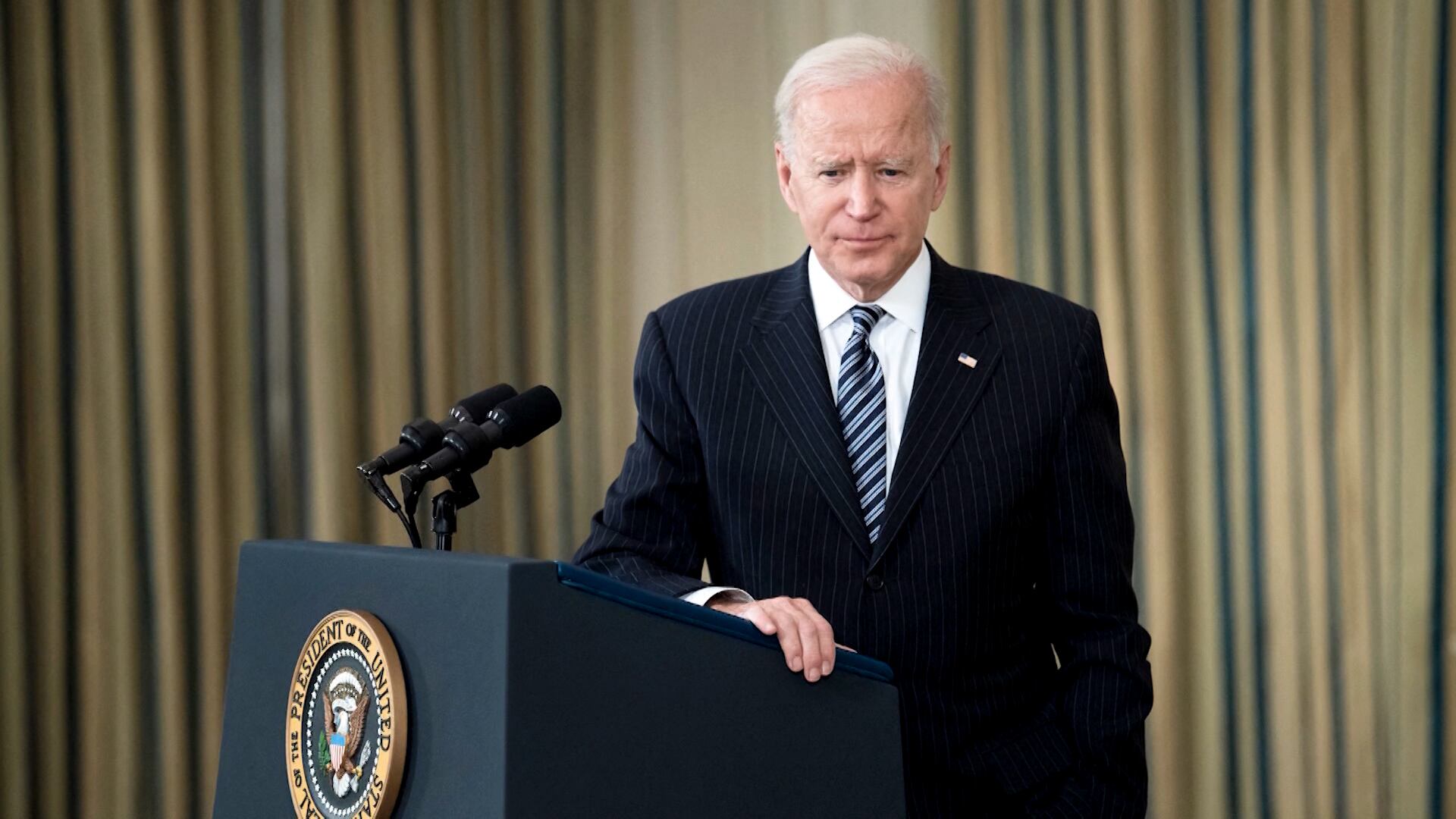
Members of President Donald Trump's economic team were convening Friday on Capitol Hill to launch negotiations with Senate Republicans and Democrats racing to draft a $1 trillion-plus economic rescue package amid the coronavirus outbreak.
It's the biggest effort yet to shore up households and the U.S. economy as the pandemic and its nationwide shutdown hurtles the country toward a likely recession.
On Thursday, the European Central Bank launched a program to inject money into credit markets by purchasing up to 750 billion euros ($820 billion) in bonds. The Bank of England cut its key interest rate to a record low of 0.1% and restarted its own program of money injections into the financial system. Australia's central bank cut its benchmark lending rate to 0.25%. Central banks in Taiwan, Indonesia and the Philippines also cut rates.
They are trying to reduce the impact of a global recession that forecasters say looks increasingly likely as the United States and other governments tighten travel controls, close businesses and tell consumers and travelers to stay home.
The U.S. Federal Reserve unveiled measures Thursday to support money-market funds and the borrowing of dollars as investors in markets worldwide hurry to build up cash as insurance against falling asset prices.
Investors are jumpy due to uncertainty about the size and duration of the impact of the coronavirus outbreak and the spreading wave of business shutdowns meant to help contain it.
More than 10,000 people have died. There are more than 244,000 cases worldwide, including nearly 85,000 people who have recovered.
For most people, the coronavirus causes only mild or moderate symptoms, such as fever and cough, and those with mild illness recover in about two weeks. Severe illness including pneumonia can occur, especially in the elderly and people with existing health problems, and recovery could take six weeks in such cases.
Wall Street has bounced up and down by record-setting margins of up to 12% over the past week.
Unease has grown as forecasters say a global recession looks increasingly likely and have cut growth outlooks for the United States, China, and other major economies.