Stocks Seesaw From Big Gains, to Losses, and Back Again
*By Carlo Versano*
What the market giveth, the market taketh away...or does it?
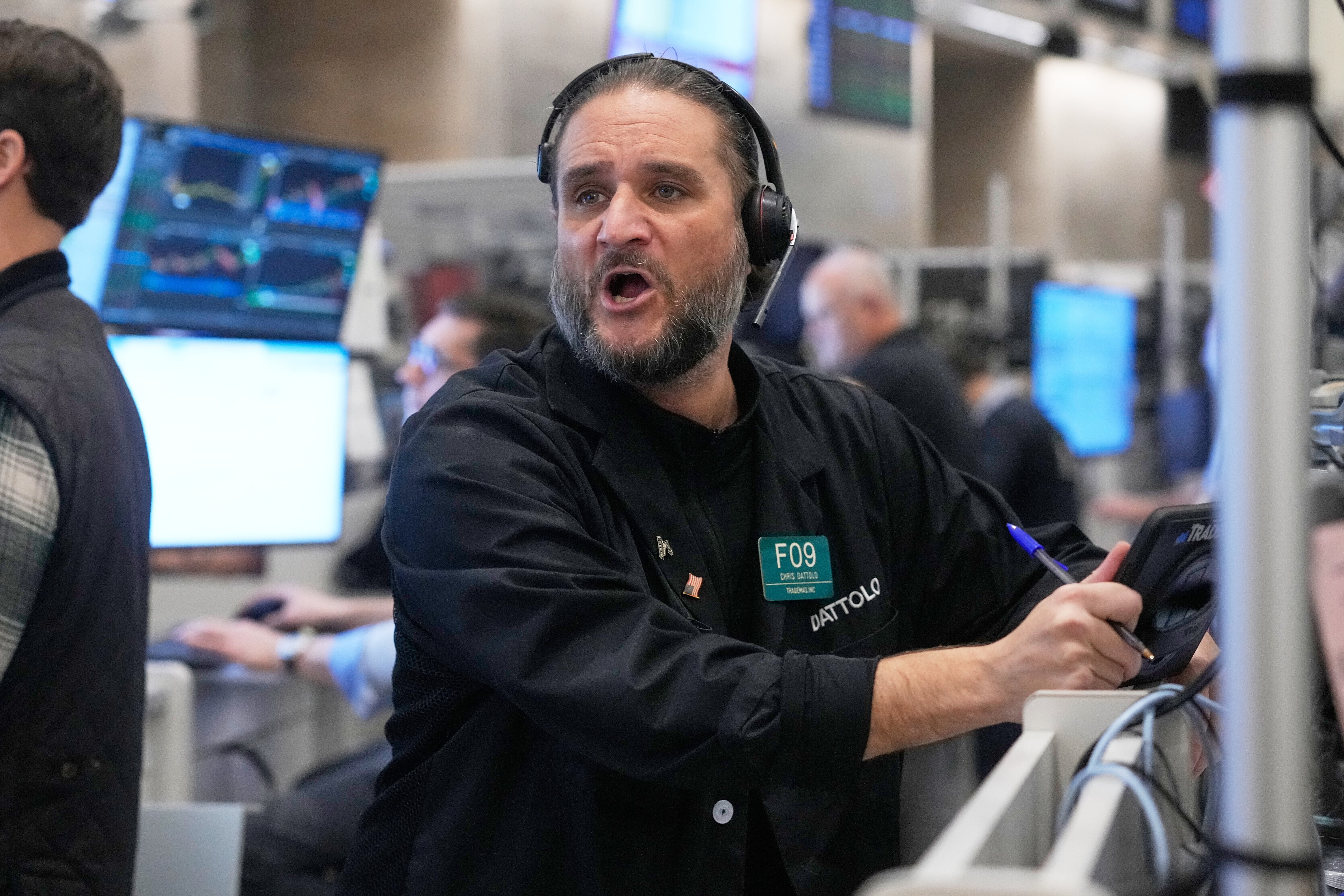
After coming out of the gate roaring Friday morning, the Dow Industrials gave back 400 points worth of gains and turned negative midday. But just a few minutes later, around 1:10 pm ET, the index was back up triple digits. The tech-heavy Nasdaq was up about 1.4 percent.
While stocks were well off their highs of the day, tech names, which saw some of the biggest losses over the previous two days, were largely higher Friday. Four of the so-called FAANG stocks ー Apple ($AAPL), Amazon ($AMZN), Netflix ($NFLX), and Google parent Alphabet ($GOOGL) ー added a combined $67 billion back to their collective market cap. The only one that was down was Facebook ($FB), which provided an update to the data breach announced last month, saying attackers stole data from 29 million users.
Trading was once again choppy amid a mounting heap of concerns over the global economy, trade tensions, interest rates, and a slowdown in tech.
The major indexes are on pace for their worst week since March.
The U.S. economy is being held up in part by the AI boom, but that boom could still lead to broader prosperity or inequality, says a Nobel Prize winner.
Foundation Robotics co-founder Michael LeBlanc explains how humanoid robots are moving from the lab to military and industrial missions and what comes next.
Jeff Burnstein, President of the Association for Advancing Automation (A3), discusses humanoid robots, AI, smart manufacturing, and the future of U.S. industry.
Should kids be banned from social media? Nick Lichtenberg of Fortune breaks down the global push to restrict under-16 users and what it means for Big Tech.
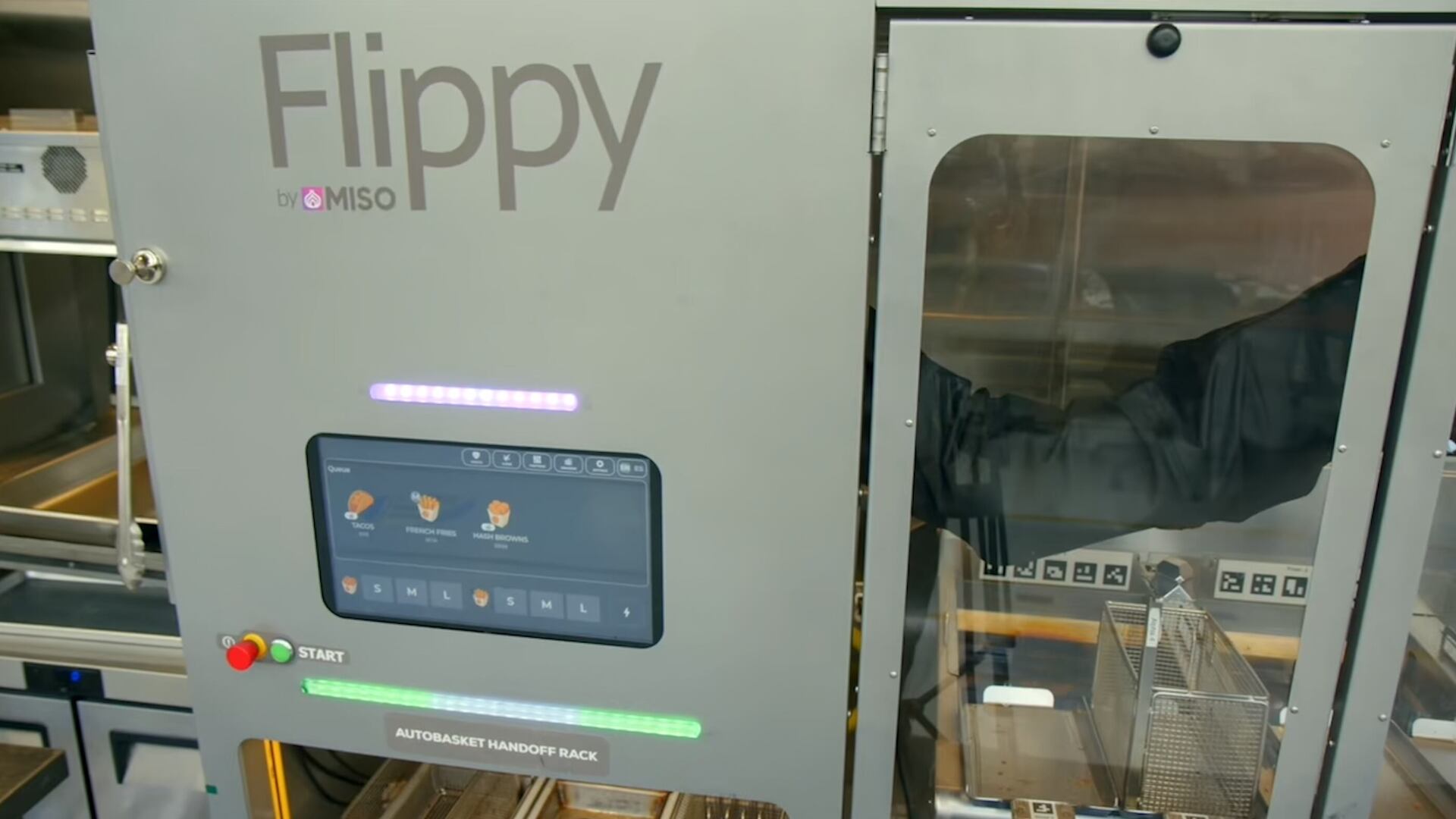
Miso Robotics CEO Rich Hull discusses Flippy Fry Station, the future of AI-powered restaurant automation and how acquiring Zume's IP could reshape food robotics
After two years of AI-fueled spending, Wall Street is asking what's next. Gil Luria breaks down monetization, valuations, winners, losers, and AI's future.