By Stan Choe and Damian J. Troise
Updated 4:57 pm ET
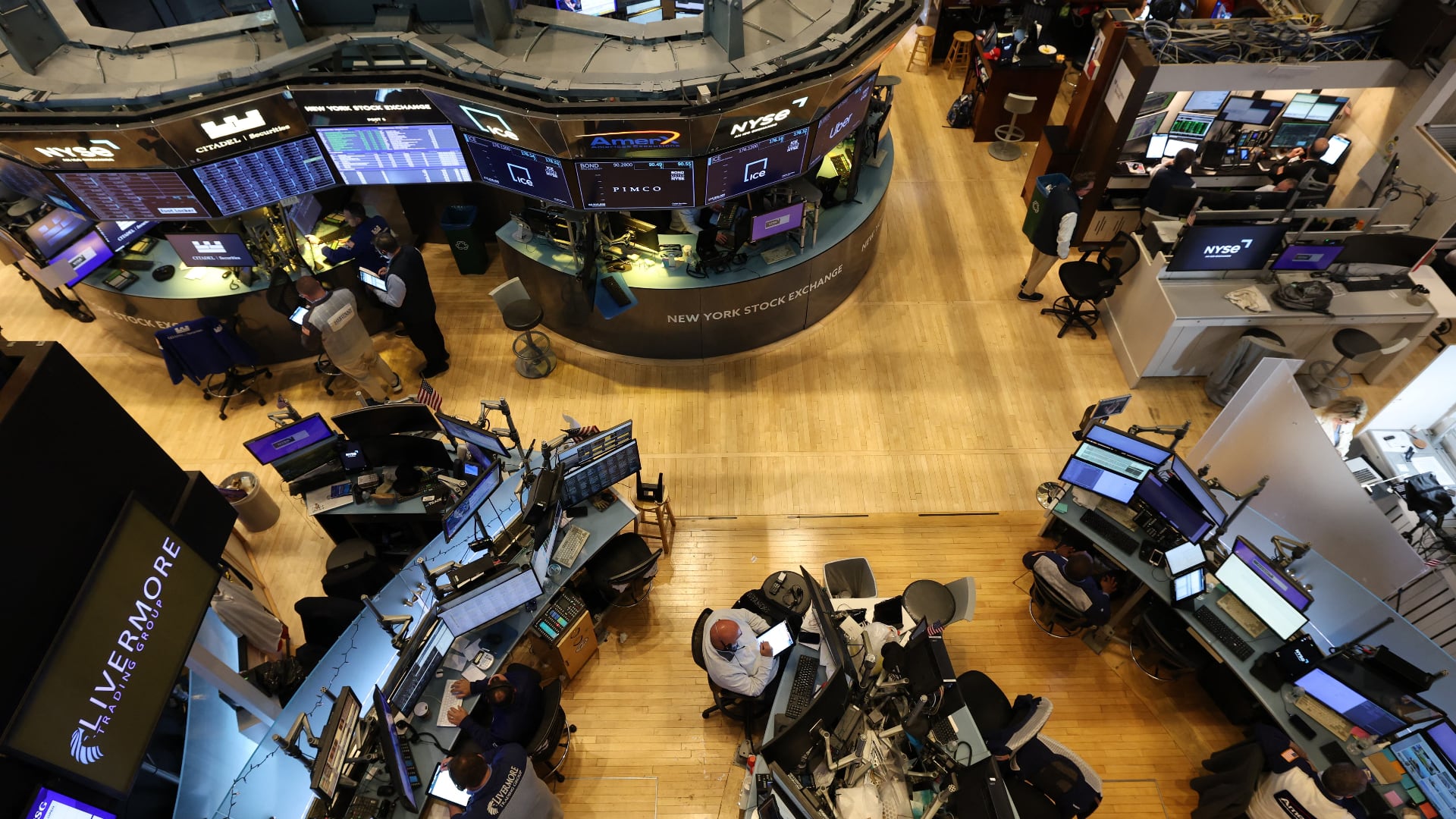
Slumping stocks across most of Wall Street sent the S&P 500 to its worst loss in nearly four weeks on Thursday, undercut by a report showing layoffs are picking up across the country with coronavirus counts.
Technology stocks had the sharpest drops after a better-than-expected profit report from Microsoft failed to satisfy investors expecting even more from the stock that's largely defied gravity and the pandemic this year. They helped drag the S&P 500 down 40.36 points, or 1.2 percent, to 3,235.66 for its first loss in five days.
The Dow Jones Industrial Average lost 353.51 points, or 1.3 percent, to 26,652.33. The Nasdaq composite fell 244.71, or 2.3 percent, to 10,461.
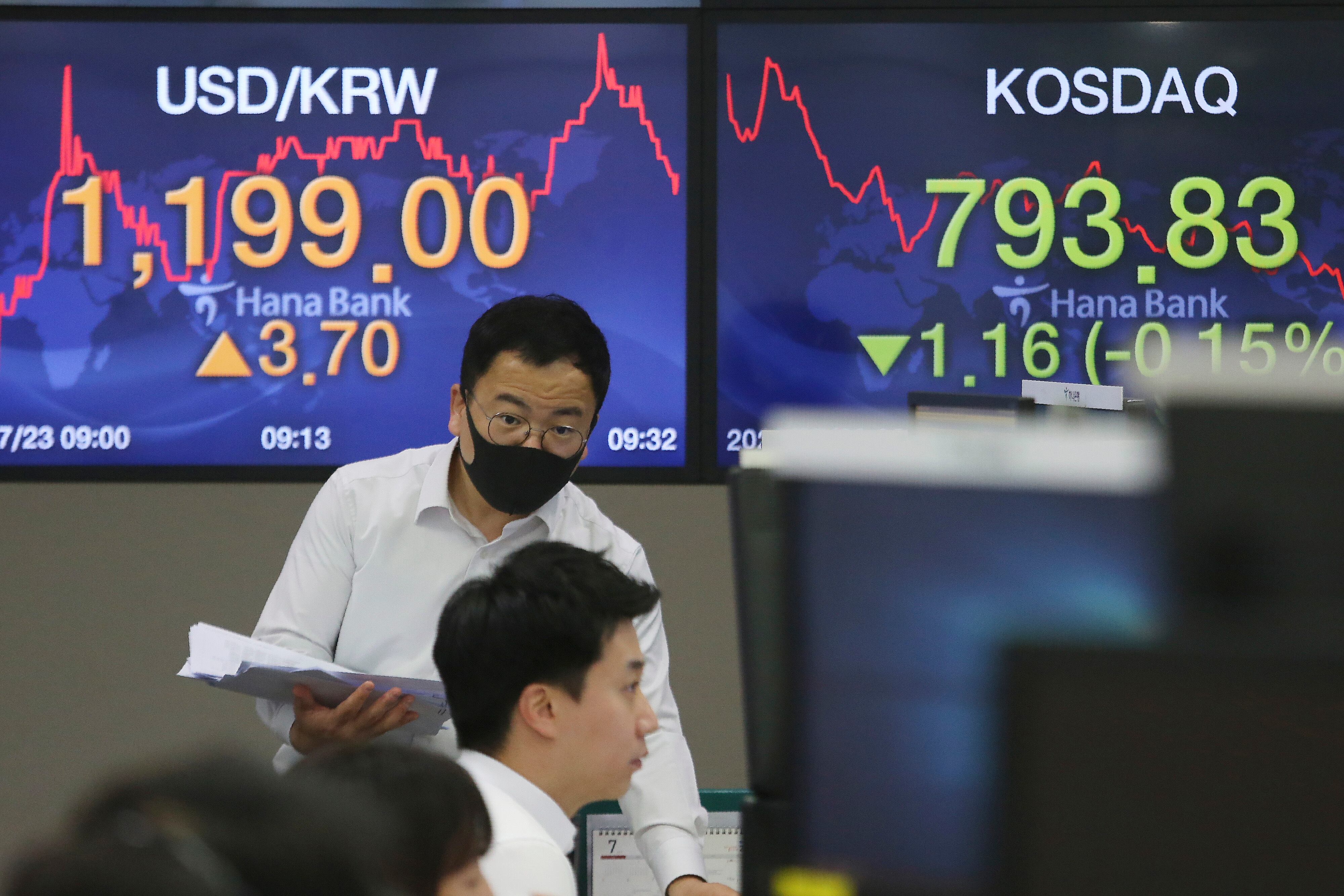
Other stock indexes around the world were mixed, while uncertainty across markets helped gold touch its highest price in nearly nine years.
The setback wiped out three-quarters of the S&P 500′s gains from earlier in the week. Overall, the market is in a holding pattern and will likely remain there as investors gauge the path of the pandemic, business reopenings and the government's reaction to them, said Jason Pride, chief investment officer of private wealth at Glenmede.
"We're going to be dealing with that until we get a vaccine or cure, whether we like it or not," he said.
"I don't envy the people who have to make decisions regarding risk of this spreading versus the risk to people's livelihoods. It's a hard choice."
Thursday's headline economic report was one that has taken on much more importance for markets through the pandemic: the weekly tally of workers applying for unemployment benefits. Last week, the count rose by 109,000 to a little more than 1.4 million.
It breaks a stretch of 15 straight weeks of improvements, a streak that had raised investor optimism that the recession could prove to be shorter than expected. It comes as coronavirus counts continue to rise across much of the Sun Belt, leading to more business closures.
Among the market's heaviest weights was Microsoft, which fell 4.3 percent despite reporting a bigger quarterly profit for the spring than Wall Street expected. It's a relatively rare stumble for the giant, which has cruised to records recently on expectations that it can continue to grow whether the economy is locked down or not.
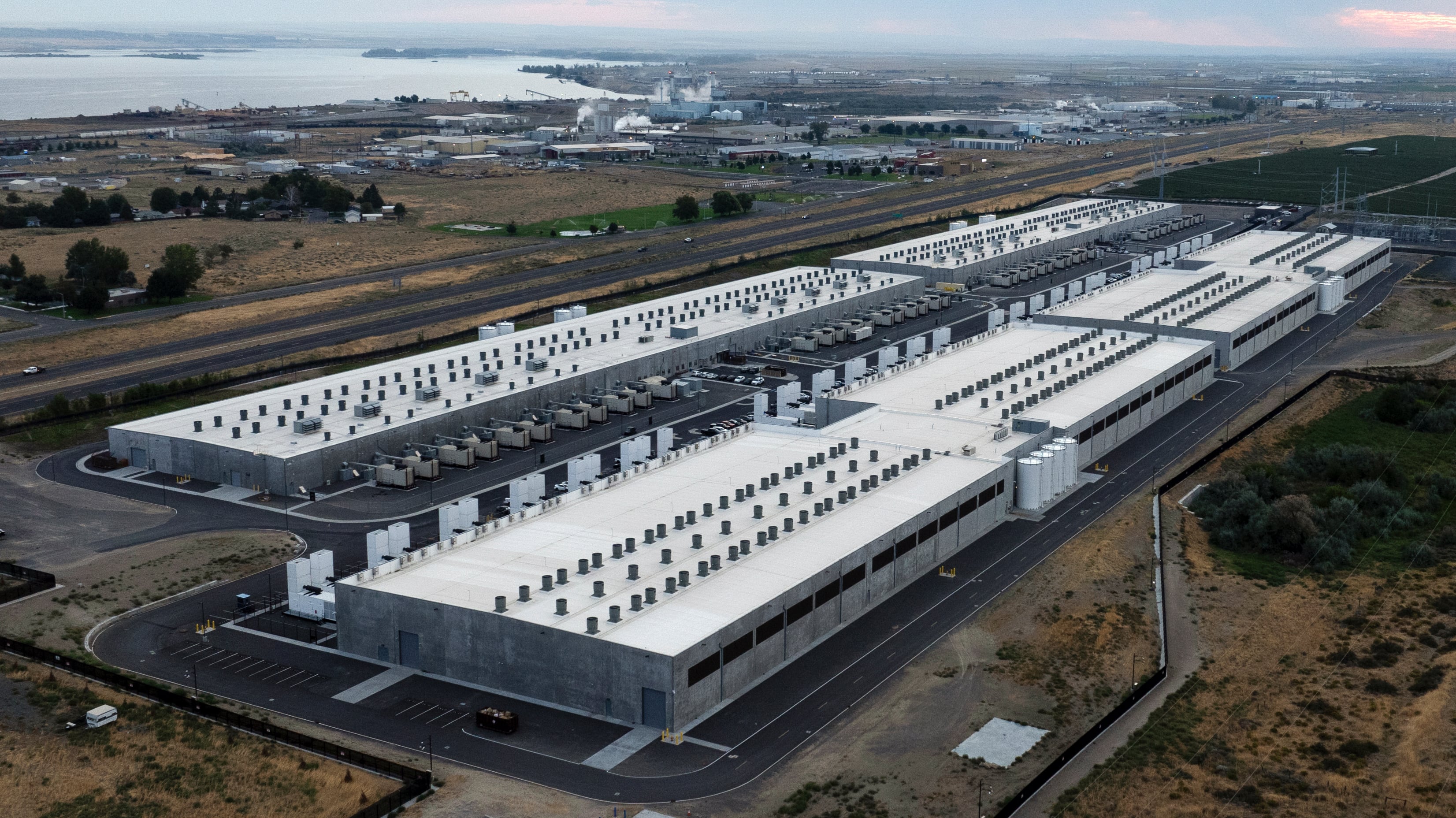
But with the rise come greater expectations, and analysts pointed to a 47 percent growth rate reported for Microsoft's Azure cloud business during the quarter. That fell short of analysts' forecast.
Because Microsoft is one of the largest U.S. stocks by market value, its movements have an outsized effect on indexes like the S&P 500.
Apple, the other titan that trades off with Microsoft for the title of most valuable U.S. stock, was also down 4.6 percent. Other high-flying tech-oriented giants also stumbled, including a 3.7 percent drop for Amazon. Those three stocks alone accounted for more than half of the S&P 500's loss.
Smaller stocks held up better, and the Russell 2000 index of small-cap stocks was virtually unchanged. It added 0.06 points to 1,490.20. Even within the S&P 500, 44 percent of stocks rose.
On the winning end were several big companies that reported more encouraging trends in their business during the spring than Wall Street expected.
Whirlpool jumped 8 percent for the biggest gain in the S&P 500 after the appliance maker reported a profit for the spring that was more than double what analysts expected. It also said that it saw demand recover in markets around the world in June, while saying it doesn't expect sales over the course of 2020 to drop as much as it had earlier forecast.
Twitter rose 3.9 percent after its quarterly report showed the strongest growth in its history for users.
Investors are also hoping that Congress can agree on more aid for out-of-work Americans just as an extra $600 in weekly unemployment benefits is set to expire.
Republicans in the Senate were set to unveil their proposals for a $1 trillion COVID-19 rescue package Thursday morning, but that got delayed. Finding a compromise with the Democratic-controlled House of Representatives could also be more difficult than it was in March, when Congress produced a $2 trillion rescue package.
Thursday's trading is a microcosm of the volatile moves that have dominated the market in recent weeks.
Helping to lift stocks have been several reports on the economy and corporate profits that showed improvements from the spring and were better than expected. That's layered on top of massive aid for the economy promised by the Federal Reserve, including nearly zero interest rates.
But weighing markets down is a long list of challenges beyond the worsening coronavirus counts across much of the United States. They include worries about rising tensions between the United States and China, the world's largest economies, and the effect of the upcoming U.S. elections.
The yield on the 10-year Treasury dipped to 0.58 percent from 0.59 percent late Wednesday. It tends to move with investors' expectations for the economy and inflation.
Gold for delivery in August rose $24.90 to settle at $1,890.00 per ounce. Benchmark U.S. crude fell 83 cents to settle at $41.07 per barrel. Brent crude oil for September delivery fell 98 cents to $43.31 a barrel.
Major European stock indexes were close to flat, while Asian markets were down modestly.
___
AP Business Writer Elaine Kurtenbach contributed.