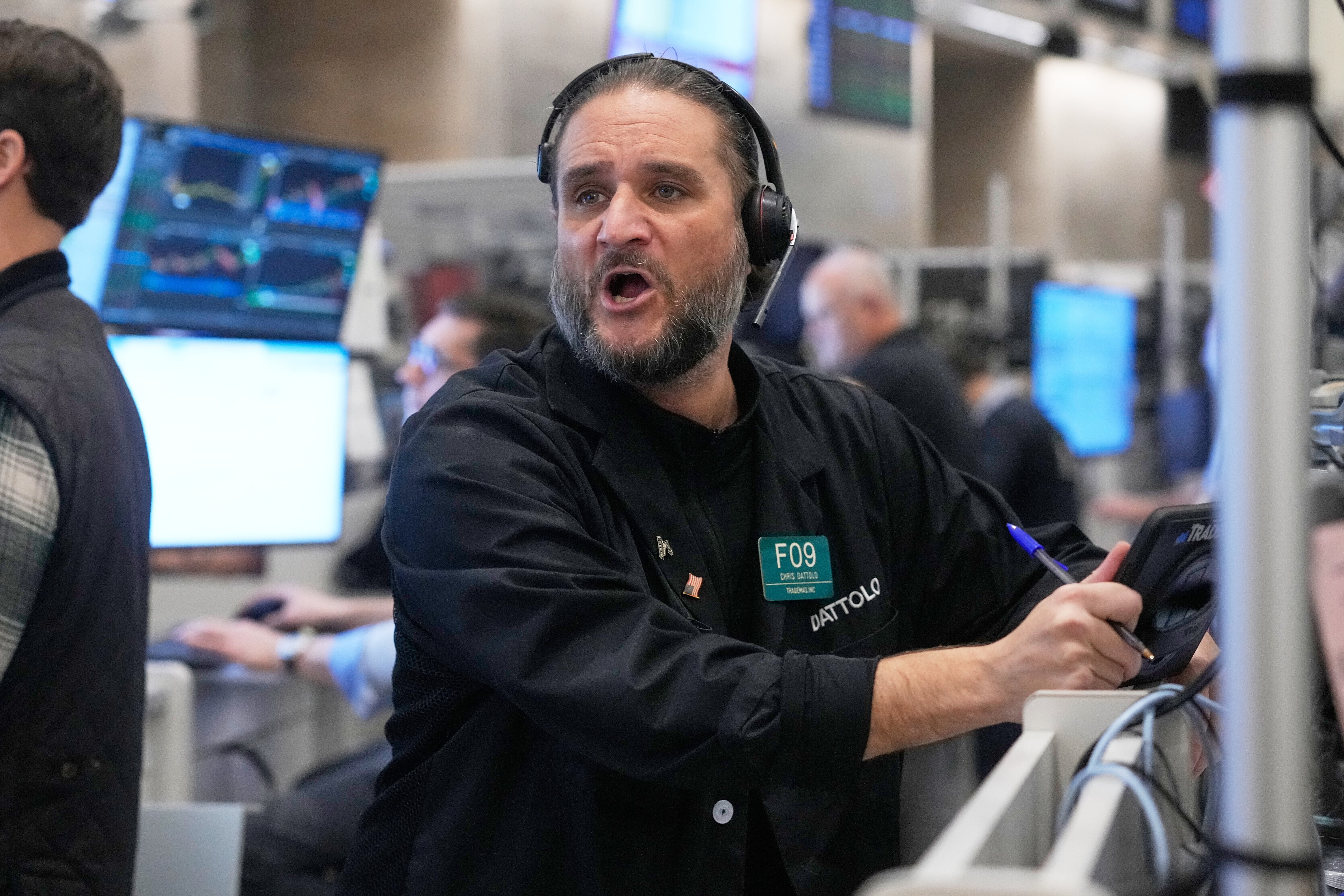
Stocks slipped again Thursday as investors braced for more interest rate hikes from the Federal Reserve, and the volatility is once again stirring up debates over whether the U.S. economy is headed for a recession.
"Our view right now is that for the next six months the U.S. economy should be okay," said Ahmed Riesgo, chief investment officer for financial services company Insigneo.
He said the strength of the January jobs report has put downward pressure on stocks because it showed resilience in the economy that many investors interpreted as a sign that more rate hikes were coming. Recent reports showing "sticky" inflation have had a similar effect.
These trends increase the odds of a recession, he added, because the uncertainty around inflation makes it more likely the Fed will make a policy mistake.
"Our base case is not a recession," he said. "But when you look a little bit further out over a 12 month period, I think the chances of a mild recession in the United States are very elevated."
He also cited recent comments from Fed officials as evidence for this theory. The nation's top bankers have signaled they are committed to bringing inflation down to 2 percent annually, while also saying hitting that goal effectively requires inducing a recession.
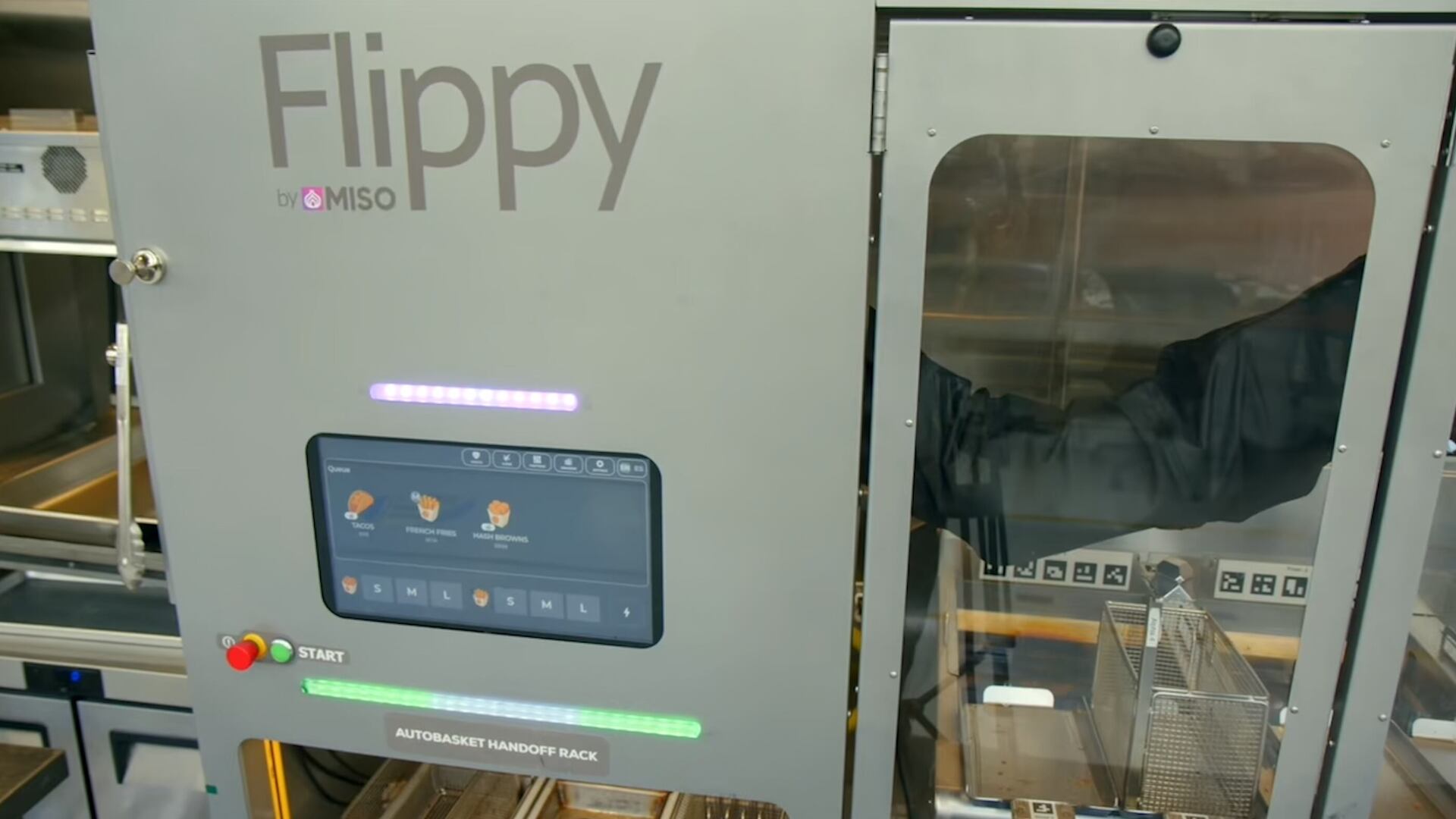
Miso Robotics CEO Rich Hull discusses Flippy Fry Station, the future of AI-powered restaurant automation and how acquiring Zume's IP could reshape food robotics
After two years of AI-fueled spending, Wall Street is asking what's next. Gil Luria breaks down monetization, valuations, winners, losers, and AI's future.
FIFA’s soccer World Cup promises to deliver $11.1 billion in spending and $30.5 billion economic impact for the U.S., but how much is it really helping?
Bill Adams, Chief U.S. Economist at Fifth Third Bank, breaks down the Fed's latest decision, inflation risks, and what Kevin Warsh's debut means for markets.