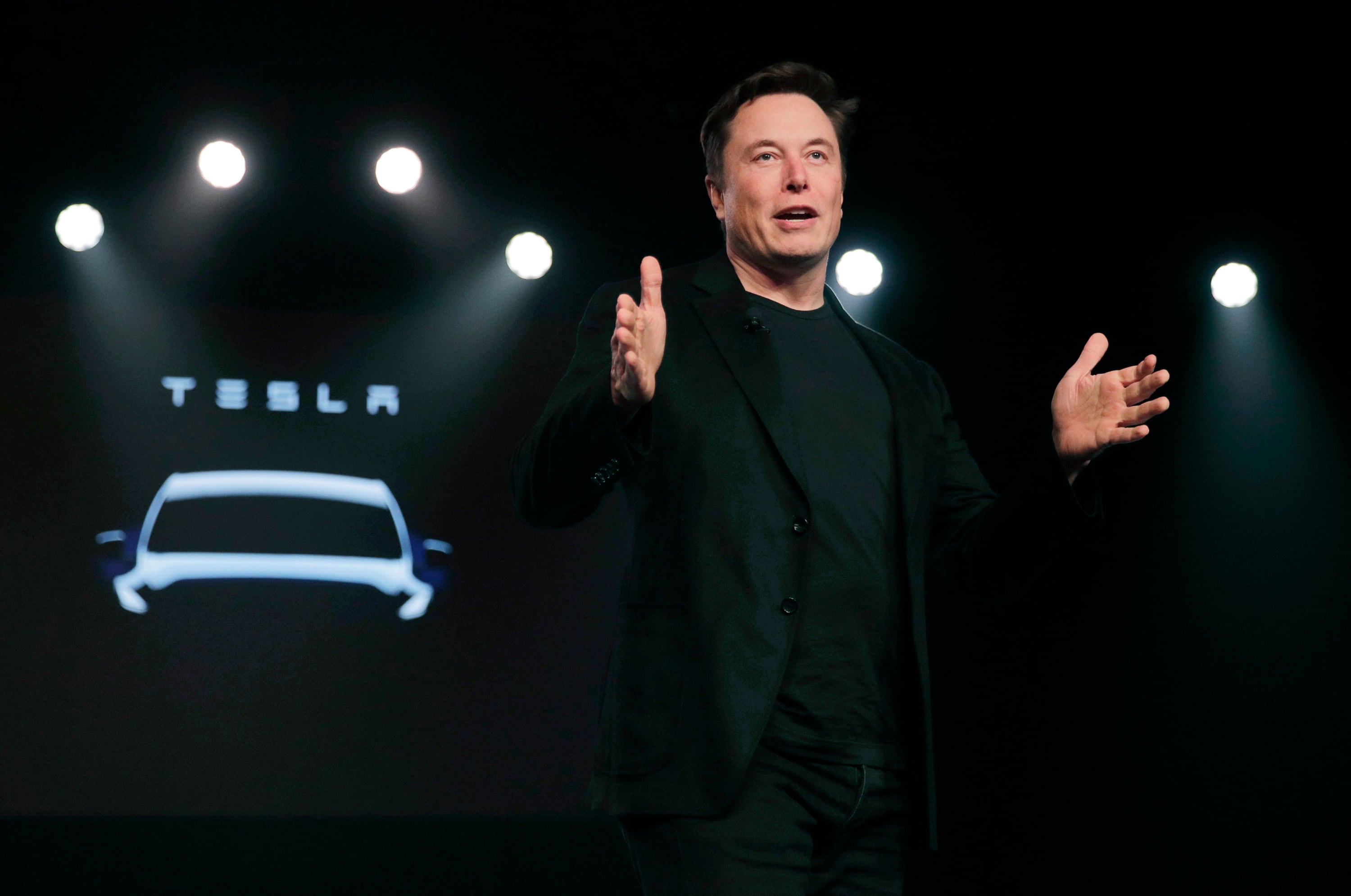
FORT LAUDERDALE, Fla. (AP) — The State Department had been in talks with Elon Musk’s Tesla company to buy armored electric vehicles, but the plans have been put on hold by the Trump administration after reports emerged about a potential $400 million purchase.
A State Department spokesperson said the electric car company owned by Musk, who has become President Donald Trump's billionaire adviser aiming to dismantle agencies and downsize the federal workforce, was the only one that expressed interest back in May 2024, when Joe Biden was president.
While it was in its planning phases, the deal with Tesla was forecast to be the largest contract of the year. It shows how some of his wealth has come and was still expected to come from taxpayers before the plans were put on hold. His companies obtain hundreds of millions of dollars each year in contracts. SpaceX has secured nearly $20 billion in federal funds since 2008 to ferry astronauts and satellites into space. And Tesla had already received $41.9 million from the U.S. government, including payment for vehicles provided to some U.S. embassies.
No government contract had been given to Tesla or any other manufacturer to produce armored electric vehicles for the Department of State, the agency said.
The Biden administration had tasked the State Department to gather information from potential suppliers to buy these vehicles in September. An official request for bids was to be released in May, according to State Department data from December. But that solicitation is now on hold with no plans to issue it, the State Department said.
After reports emerged about the plans to buy from Tesla, the State Department changed the data entry on its expected contracts forecast for fiscal year 2025 late Wednesday. The State Department said it should have been entered into the system as a generic “electric vehicle manufacturer," but there is at least another entry for a different purchase that continues to list a company— German car manufacturer BMW.