Starbucks is no longer requiring its U.S. workers to be vaccinated against COVID-19, reversing a policy it announced earlier this month.
In a memo sent Tuesday to employees, the Seattle coffee giant said it was responding to last week’s ruling by the U.S. Supreme Court. In a 6-3 vote, the court rejected the Biden administration’s plan to require vaccines or regular COVID testing at companies with more than 100 workers.
“We respect the court’s ruling and will comply,” Starbucks Chief Operating Officer John Culver wrote in the memo.
Starbucks' reversal is among the most high-profile corporate actions in response to the Supreme Court ruling. Many other big companies, including Target, have been mum on their plans.
On Jan. 3, Starbucks said it would require all employees to be vaccinated by Feb. 9 or face a weekly COVID test requirement. At the time, Culver said it was the responsibility of Starbucks' leadership “to do whatever we can to help keep you safe and create the safest work environment possible.”
In Tuesday's memo, Culver said the company continues to strongly encourage vaccinations and booster shots. The company also told workers on Tuesday that they shouldn't wear cloth masks to work, and should instead use medical-grade surgical masks.
Starbucks required workers to reveal their vaccination status by Jan. 10. The company said Wednesday that 90% have reported and the “vast majority” are fully vaccinated. Starbucks wouldn’t say what percent of workers are not fully vaccinated.
Seth Schachner, Managing Director at StratAmericas, weighs in on Spotify earnings and why that headline-grabbing deal with Joe Rogan could be worth that $250 million.
Mitch Roschelle, Managing Director at Madison Ventures, shares why investors may be waiting longer than expected for those interest rate cuts, and why he’s watching tech, oil, and homebuilder stocks.
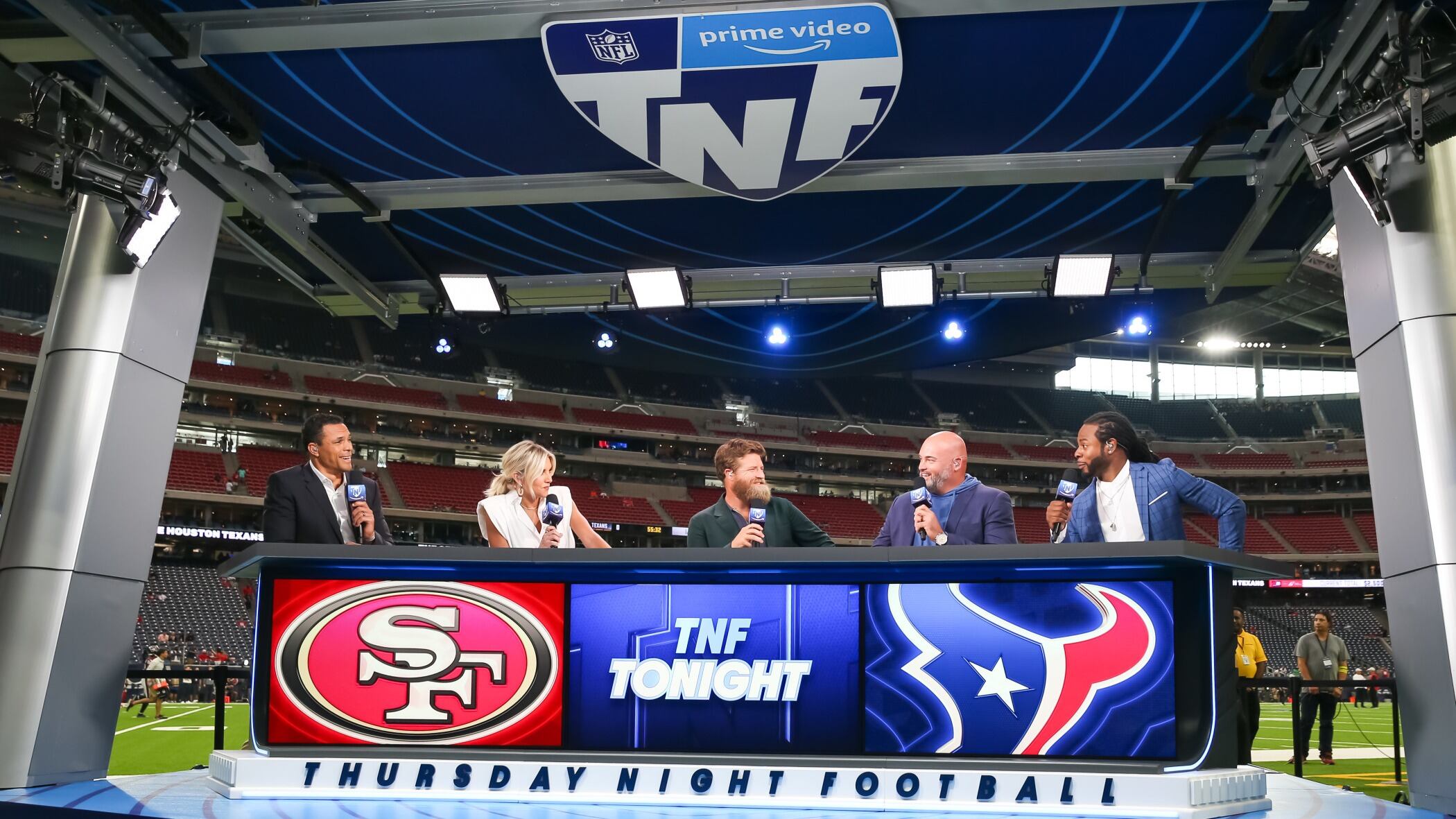
Amazon saw 24% growth in their Thursday Night Football audience in 2023. Subscribers will be rewarded with even more sports, but not without enduring more ads — unless they pay extra, of course.
Low unemployment + 350 thousand new jobs in January = ...more layoffs? A bunch of tech and retail companies have laid and are laying off employees after a nationwide hiring surge during the pandemic.
The most magical place on Earth wants a protective order to keep Gov. Ron DeSantis' appointees from knowing how the magic happens. A federal judge dismissed a separate Disney lawsuit last week.
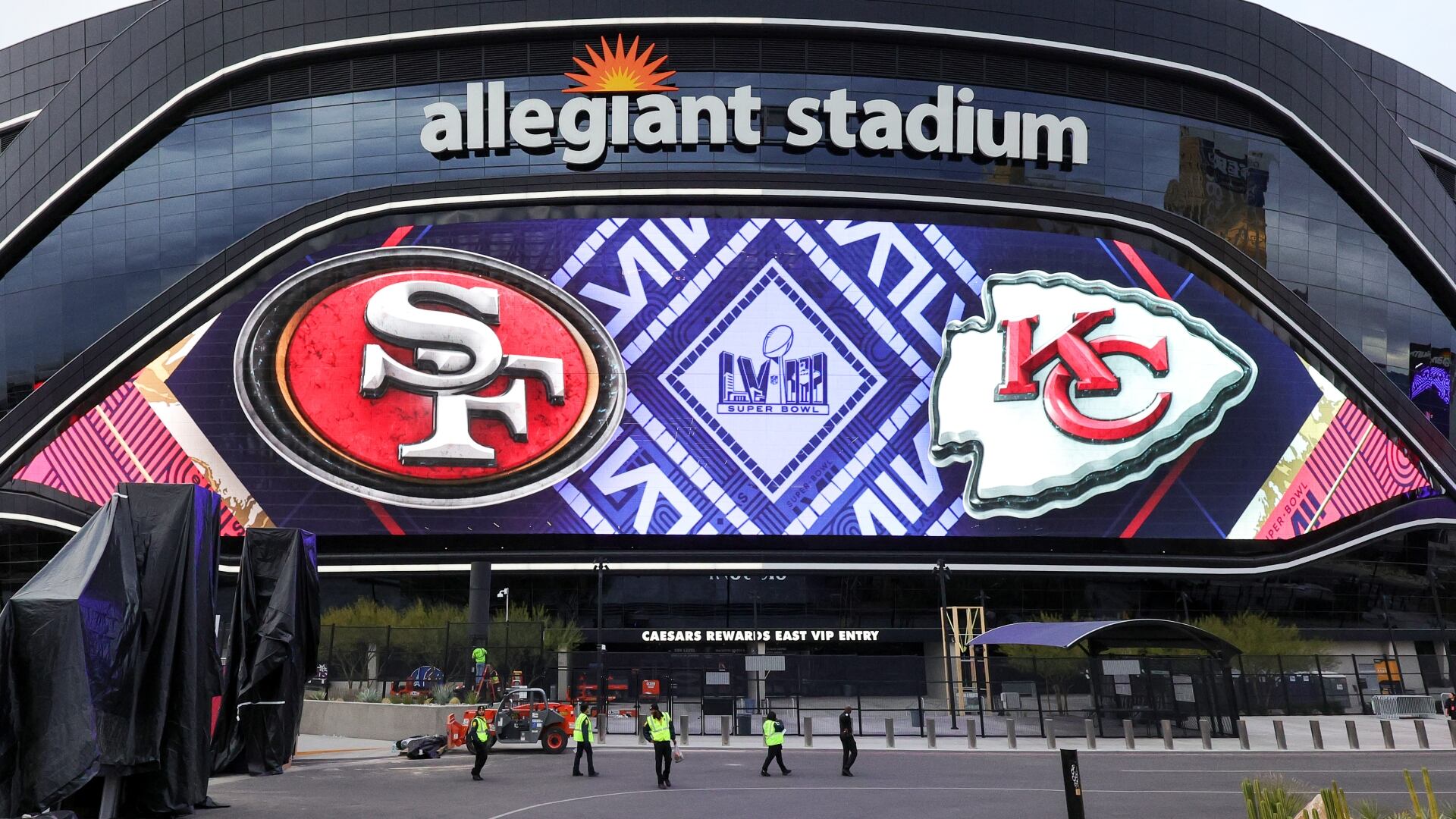
Just days before the 49ers and Chiefs play in Las Vegas, Joe Pompliano, Investor at Pomp Investments and author of the Huddle Up Newsletter, discusses why he thinks this could be the most-watched Super Bowl in history.
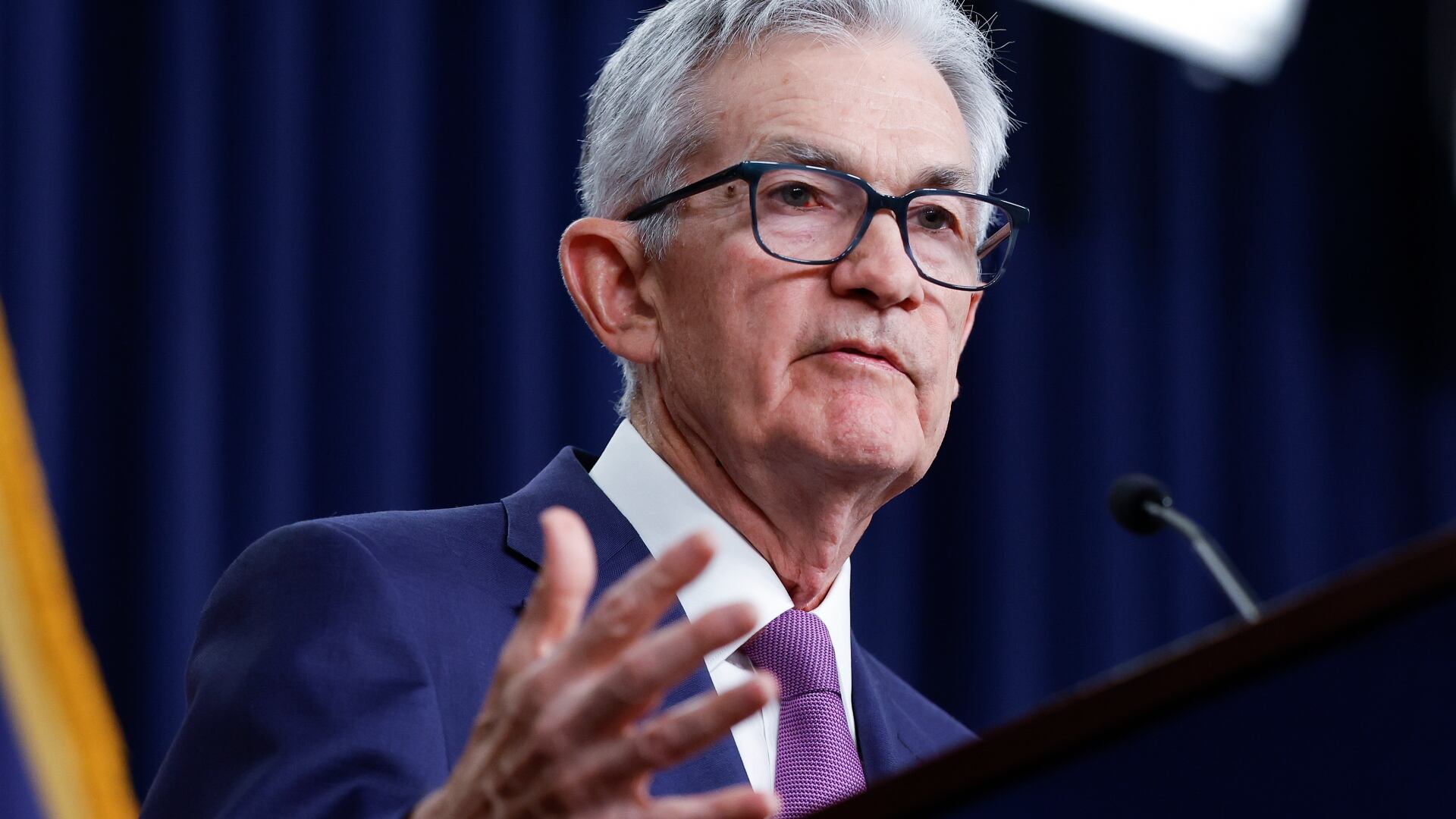
Chris Versace of Tematica Research LLC shares his thoughts on Jerome Powell's latest comments, the timing of those crucial rate cuts, and what semiconductor stocks he's watching closely.
We battle an onslaught of advertising every time we scroll through social media. Deinfluencers propose a less pricey, more honest approach to how we shop online. Could they convince us to spend less?