Starbucks is no longer requiring its U.S. workers to be vaccinated against COVID-19, reversing a policy it announced earlier this month.
In a memo sent Tuesday to employees, the Seattle coffee giant said it was responding to last week’s ruling by the U.S. Supreme Court. In a 6-3 vote, the court rejected the Biden administration’s plan to require vaccines or regular COVID testing at companies with more than 100 workers.
“We respect the court’s ruling and will comply,” Starbucks Chief Operating Officer John Culver wrote in the memo.
Starbucks' reversal is among the most high-profile corporate actions in response to the Supreme Court ruling. Many other big companies, including Target, have been mum on their plans.
On Jan. 3, Starbucks said it would require all employees to be vaccinated by Feb. 9 or face a weekly COVID test requirement. At the time, Culver said it was the responsibility of Starbucks' leadership “to do whatever we can to help keep you safe and create the safest work environment possible.”
In Tuesday's memo, Culver said the company continues to strongly encourage vaccinations and booster shots. The company also told workers on Tuesday that they shouldn't wear cloth masks to work, and should instead use medical-grade surgical masks.
Starbucks required workers to reveal their vaccination status by Jan. 10. The company said Wednesday that 90% have reported and the “vast majority” are fully vaccinated. Starbucks wouldn’t say what percent of workers are not fully vaccinated.
Make sure your love don't cost a thing this Valentine's Day to any scammers. Note: we're not talking about your partner that didn't do the dishes after saying they would.
Landing founder and CEO Bill Smith shares how the company’s new Nomad pass and partnership with Frontier Airlines allows subscribers unlimited airfare and accommodations.
The pandemic yielded government financial support and (eventually) a surprisingly strong job market — but racial wealth disparities grew. Why is it so difficult to close the wealth gap?
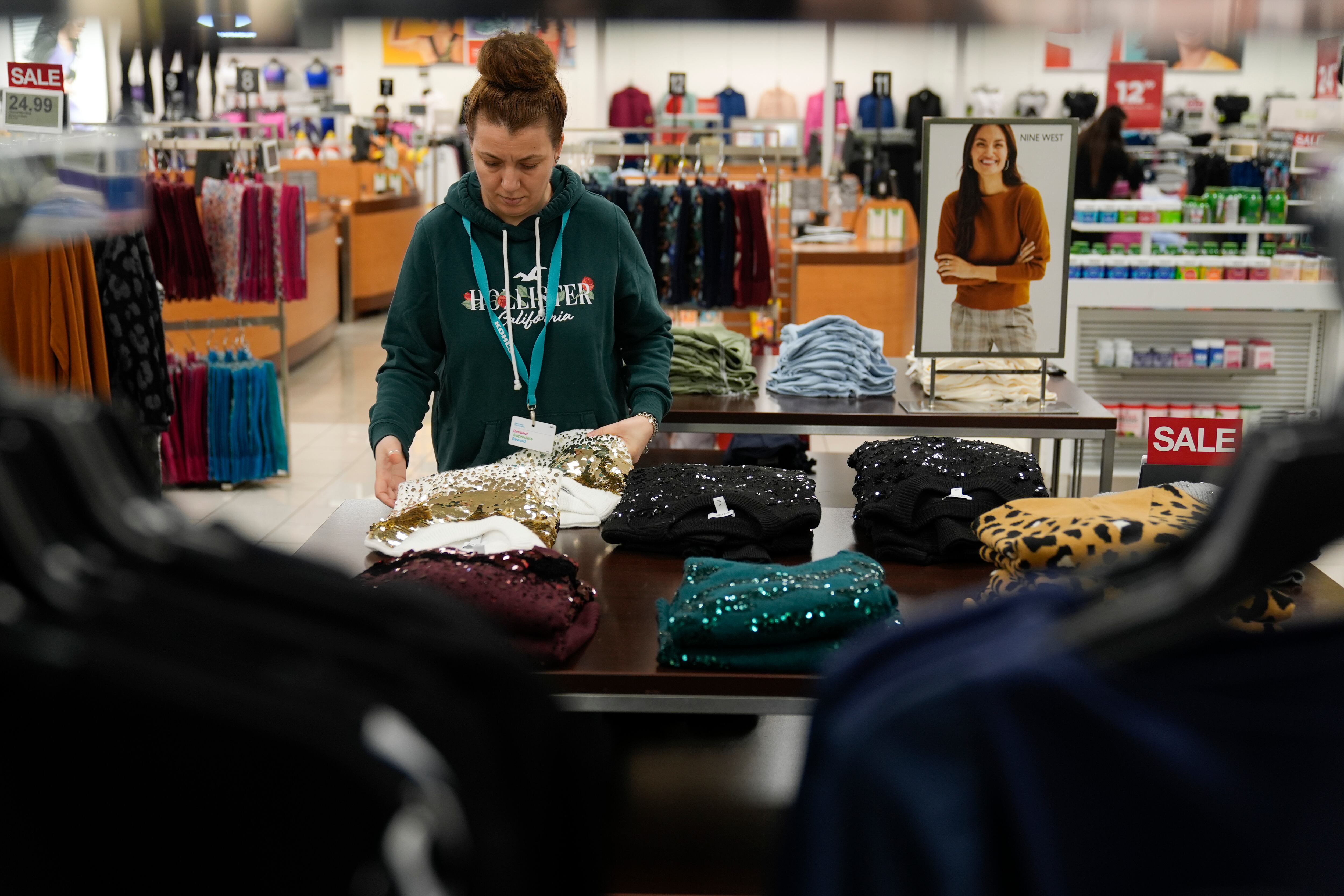
Plenty of retailers and suppliers are reducing the variety of their offerings to focus instead on what they think will sell best. Many businesses have decided less is better, justifying their limited selection by asserting shoppers don’t want so much choice.
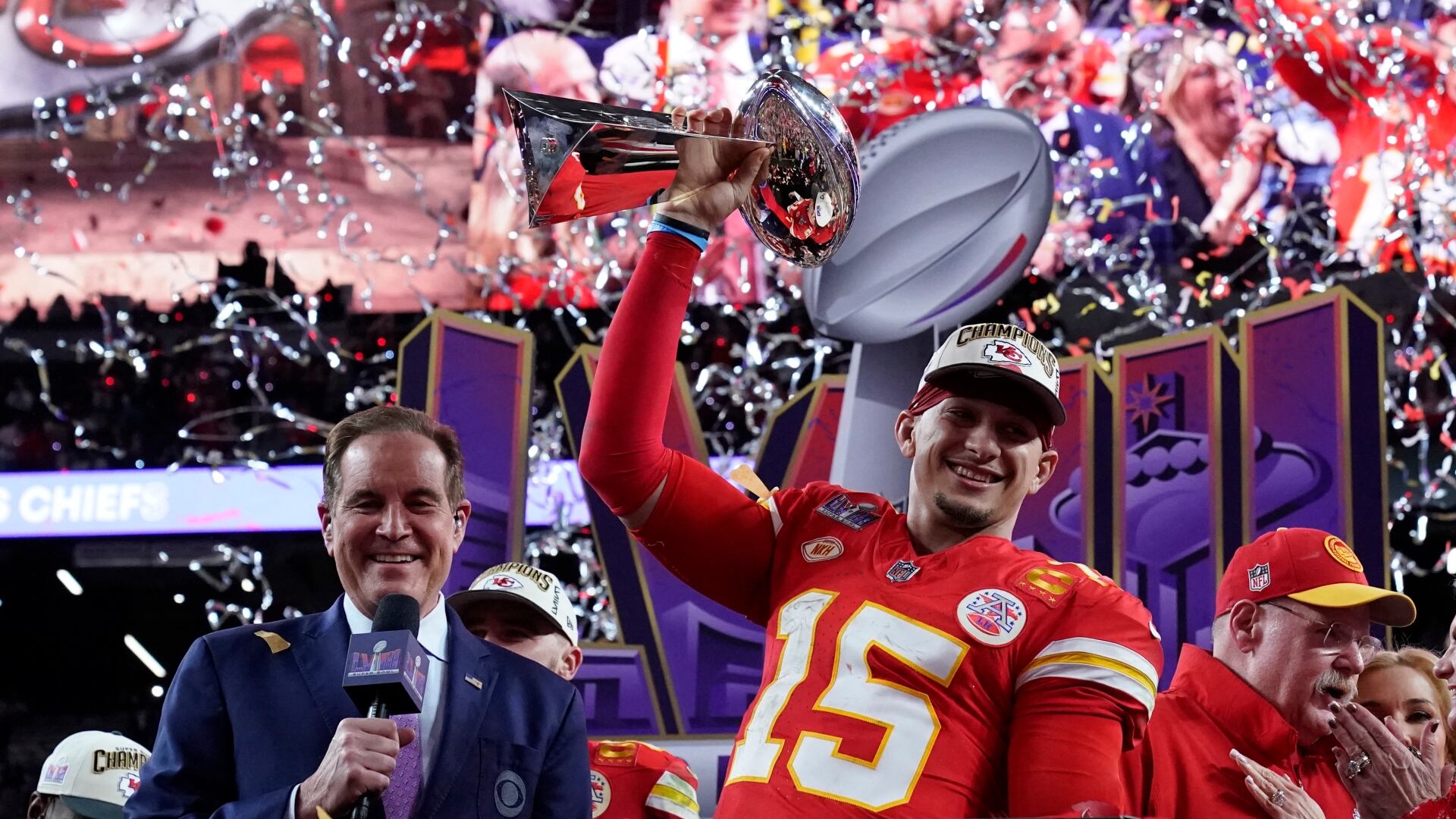
Joe Pompliano, author of the Huddle Up newsletter, breaks down the biggest moments from Super Bowl LVIII, from potentially record-breaking viewership to Taylor Swift’s highly anticipated appearance.
David Wright, President and owner of Wright Financial Group, shares his thoughts on why the Federal Reserve seems hesitant to cut rates, and why regional bank stocks could help move the needle.
Disney and Fortnite-maker Epic Games will collab on making new video games with Disney characters. Hopefully it will be more than Mickey Mouse hitting the Griddy.