Starbucks is no longer requiring its U.S. workers to be vaccinated against COVID-19, reversing a policy it announced earlier this month.
In a memo sent Tuesday to employees, the Seattle coffee giant said it was responding to last week’s ruling by the U.S. Supreme Court. In a 6-3 vote, the court rejected the Biden administration’s plan to require vaccines or regular COVID testing at companies with more than 100 workers.
“We respect the court’s ruling and will comply,” Starbucks Chief Operating Officer John Culver wrote in the memo.
Starbucks' reversal is among the most high-profile corporate actions in response to the Supreme Court ruling. Many other big companies, including Target, have been mum on their plans.
On Jan. 3, Starbucks said it would require all employees to be vaccinated by Feb. 9 or face a weekly COVID test requirement. At the time, Culver said it was the responsibility of Starbucks' leadership “to do whatever we can to help keep you safe and create the safest work environment possible.”
In Tuesday's memo, Culver said the company continues to strongly encourage vaccinations and booster shots. The company also told workers on Tuesday that they shouldn't wear cloth masks to work, and should instead use medical-grade surgical masks.
Starbucks required workers to reveal their vaccination status by Jan. 10. The company said Wednesday that 90% have reported and the “vast majority” are fully vaccinated. Starbucks wouldn’t say what percent of workers are not fully vaccinated.
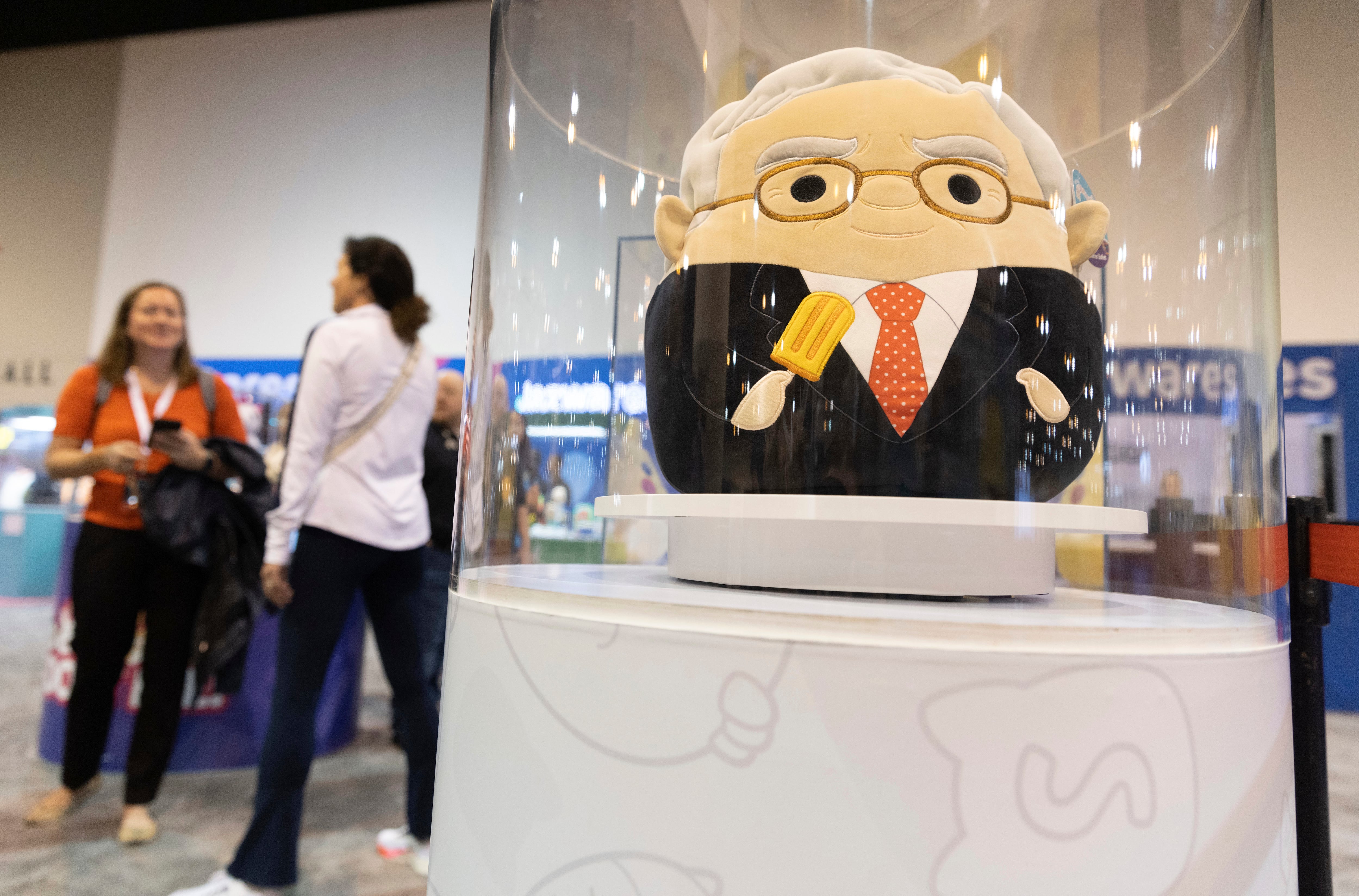
The company behind Squishmallows says Build-A-Bear's new Skoosherz toys are a copy of their own plushies. Build-A-Bear filed their own suit basically responding, "No they're not!"
While tech employees worry about artificial intelligence taking over their jobs, Microsoft says Iran, North Korea, and more U.S. adversaries are beginning to use AI in cyber spying.
The self-proclaimed "only Post who worked at Kellogg" was a military veteran who fought in World War II before inventing everyone’s favorite fruit-filled breakfast ravioli.
Kevin Gordon, Senior Investment Research Manager at Charles Schwab, shares his thoughts on how investors can take advantage of the current bull market while keeping in mind the impacts of Fed policy and inflation.
Lab-created diamonds come with sparkling claims: that they are ethically made by machines running on renewable energy. But many don't live up to these claims or don't respond to questions about their electricity sources, and lab diamonds require a lot of electricity.
Geoff Freeman, president and CEO of the U.S. Travel association, explains why other nations are outcompeting the U.S., and the innovations that would put American back on top.
Tony Drake, founder of Drake & Associates, breaks down the latest CPI report, why ‘inflation is still trending down,’ and why the Fed doesn’t want to cut rates too soon.