Sprint just launched a new partnership with Hulu, offering the streaming service to its Unlimited subscribers. Doug Garland, Sprint's VP of Innovation and Partnerships, joins Cheddar to reveal why the relationship makes sense for both parties. He says he thinks the telecom company can play a meaningful role in helping consumers find premium content.
As for why Sprint chose Hulu as its content partner, Garland singles out the streamer's ability to let viewers watch "last-night's TV, tonight." The VP notes the major increase in how often smartphone users watch content on their mobile devices. Garland adds that the introduction of 5G technology will drastically expand the capabilities of on-the-go streaming.
Finally, we consider whether Sprint would ever get into producing its own content. While he says he "never says never," Garland says the company excels as a network builder, and does not have the personnel to fully invest in original content at this stage. While the carrier might not be getting into original content production, Garland does credit Sprint's strength in content-based marketing.
Andrew Miller, Chief Operating Officer at Benchmark Mineral Intelligence, joined Closing Bell to discuss the warning from Rivian's CEO about a possible EV battery shortage due to lack of access to key metals like lithium.
Fathom Digital Manufacturing, one of the largest on-demand digital manufacturing platforms in North America, went public late last year and serves the product development and manufacturing needs of companies such as Google, Amazon, Tesla, Johnson & Johnson, and more. CEO Ryan Martin joined Cheddar's Opening Bell to discuss what the IPO means to the company and how he thinks digital manufacturing can help mitigate supply chain issues seen throughout the pandemic. "We can take parts that would take 4-6 weeks condense that down into just days using additive manufacturing in many cases. And so it's all about speed," he said.
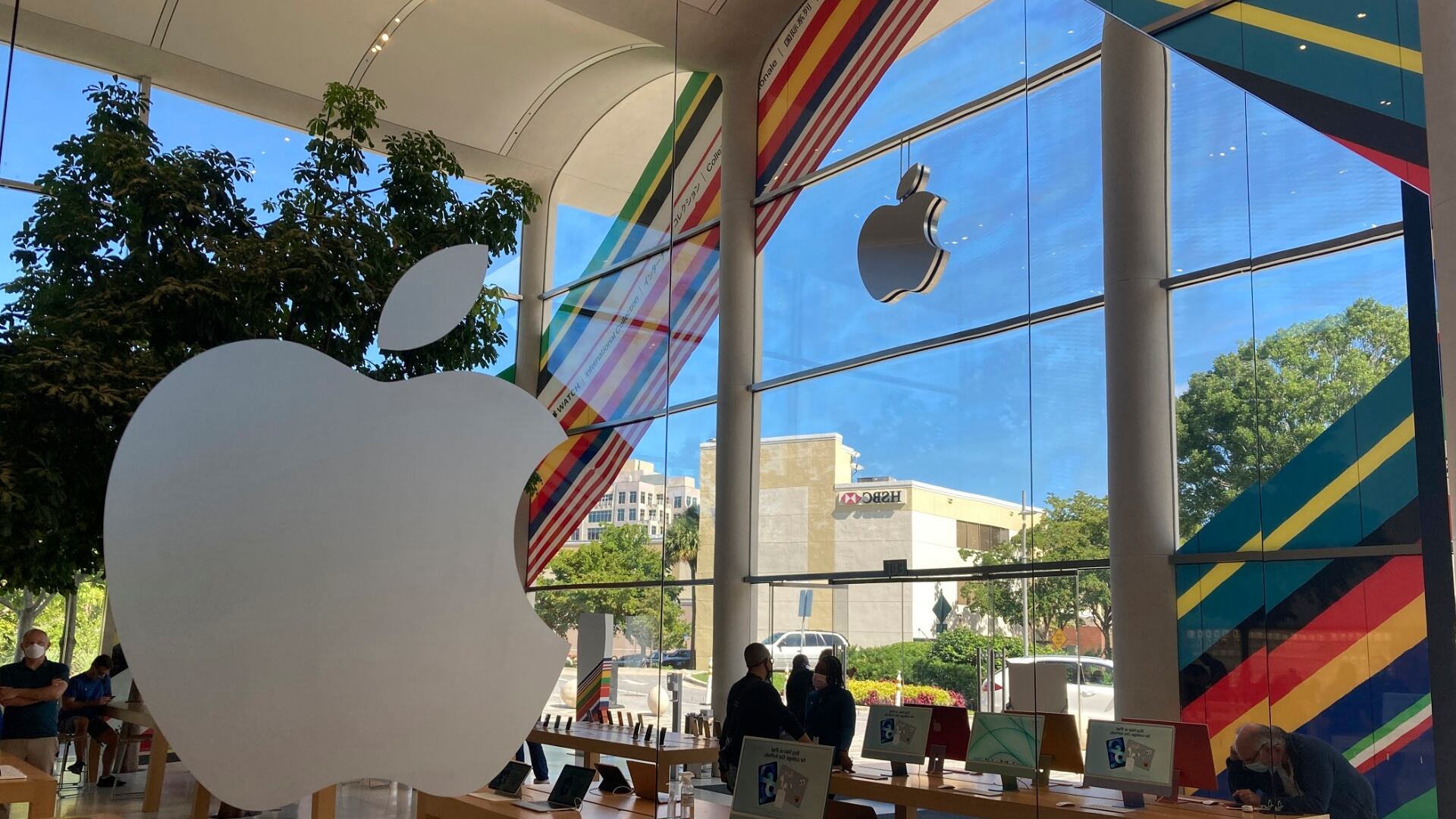
Apple has revealed that the tech giant is working more on going green, reporting the use of more recycled materials than ever before. It's setting sustainability goals, aiming to cut emissions by 75 percent in the next 10 years and eventually ending the use of plastic in packaging.