Sprint just launched a new partnership with Hulu, offering the streaming service to its Unlimited subscribers. Doug Garland, Sprint's VP of Innovation and Partnerships, joins Cheddar to reveal why the relationship makes sense for both parties. He says he thinks the telecom company can play a meaningful role in helping consumers find premium content.
As for why Sprint chose Hulu as its content partner, Garland singles out the streamer's ability to let viewers watch "last-night's TV, tonight." The VP notes the major increase in how often smartphone users watch content on their mobile devices. Garland adds that the introduction of 5G technology will drastically expand the capabilities of on-the-go streaming.
Finally, we consider whether Sprint would ever get into producing its own content. While he says he "never says never," Garland says the company excels as a network builder, and does not have the personnel to fully invest in original content at this stage. While the carrier might not be getting into original content production, Garland does credit Sprint's strength in content-based marketing.
Between Bells EP Conor White recaps some of the biggest stories of the week, and teaches Baker Machado and Azia Celestino a thing or two at the same time. It's This Week in Trivia!
Chad Anderson, Managing Partner at Space Capital, explains how satellites are helping provide new information on climate change, while also discussing the latest on the space investment front and SpaceX's delayed mission.
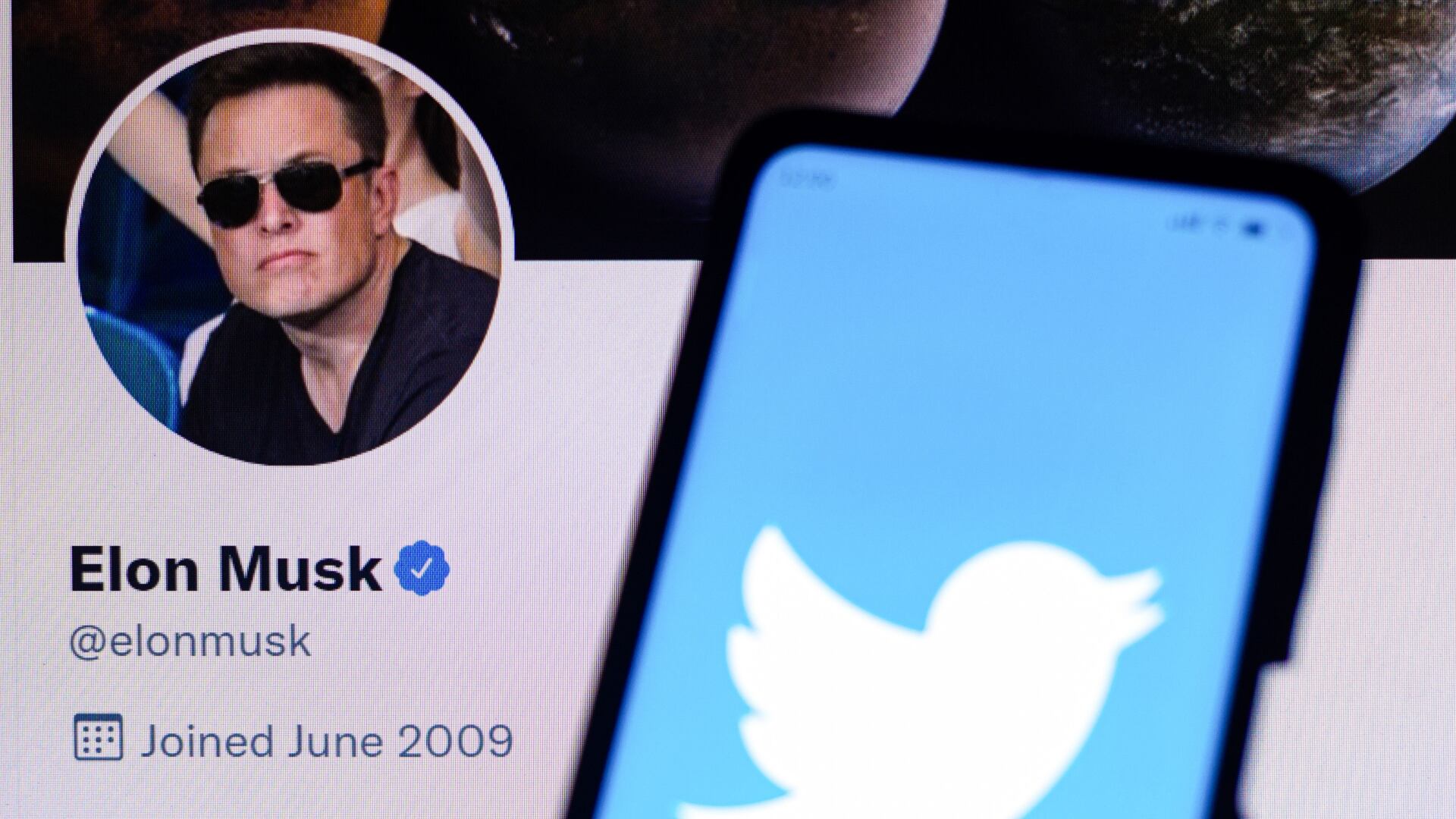
The saga surrounding Elon Musk's bid to buy Twitter has made its way to Washington, DC. A group of 18 House Republicans are calling on the social media platform's board to preserve all records and documents related to the company's response to the offer from the Tesla CEO. Caleb Silver, editor in chief of Investopedia, joined Closing Bell to discuss. "This is a long term play, but it's just a shot across the bow by congressional Republicans, who probably will end up taking the House, that they're going to be tough on Big Tech and they're going use Musk's bid for twitter to take it private, so that he can get the platform to be open source and remove its censorship."
Removing carbon from our atmosphere has become a goal for scientists and entrepreneurs around the world, and while many have begun to develop promising technology solutions, a few big names in tech, including Stripe, Alphabet, Shopify, Meta and McKinsey, are committing nearly $1 billion dollars to fund carbon removal technology through 2030 through a new initiative called Frontier, an advanced market commitment to incentive following through on development. Hannah Bebbington, the head of strategy for Frontier, joined Cheddar News to discuss. "What Frontier aims to do is help get this market on track by sending that strong demand signal such that we can scale up capacity really significantly in the next couple of years," she said.
Jonah Goldman, the managing director at Bill Gates-founded Breakthrough Energy, joined Cheddar News to talk about the promising growth in the climate change-conscious investments the organization has made over the years. ”I mean when we're looking at some of the hard to abate technologies and cement and steel and aviation fuel, all of those have promising pathways that weren't there again just a few years ago," he said. "We invest across all of the technology areas that are driving emissions, greenhouse gas emissions and there really are exciting products and technologies coming out in almost every one of those sectors.”
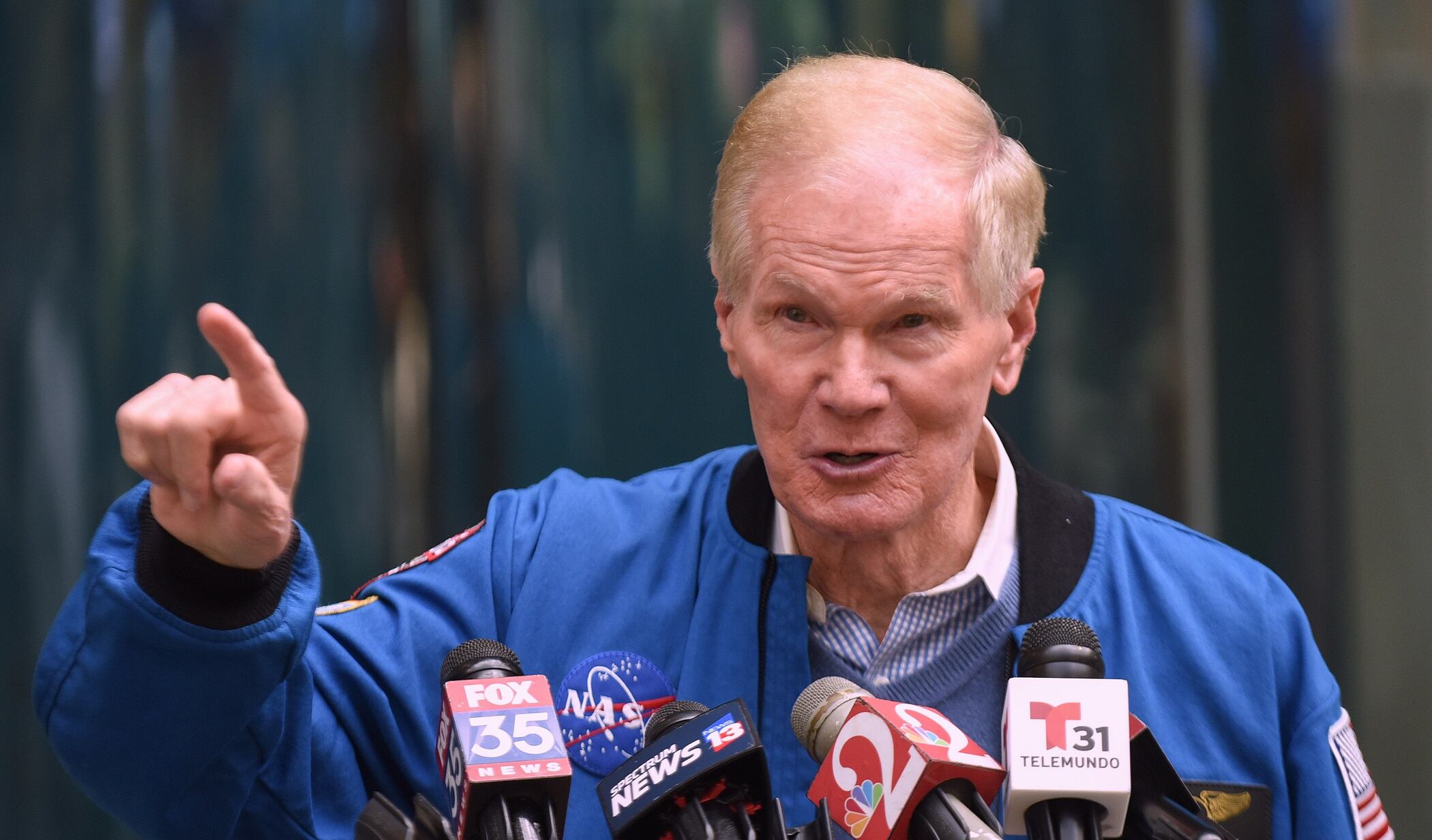
Cheddar's J.D. Durkin caught up with the head of NASA Bill Nelson, a former senator, who feels one thing that seems less rancorous on Capitol Hill these days is the work of the space agency.
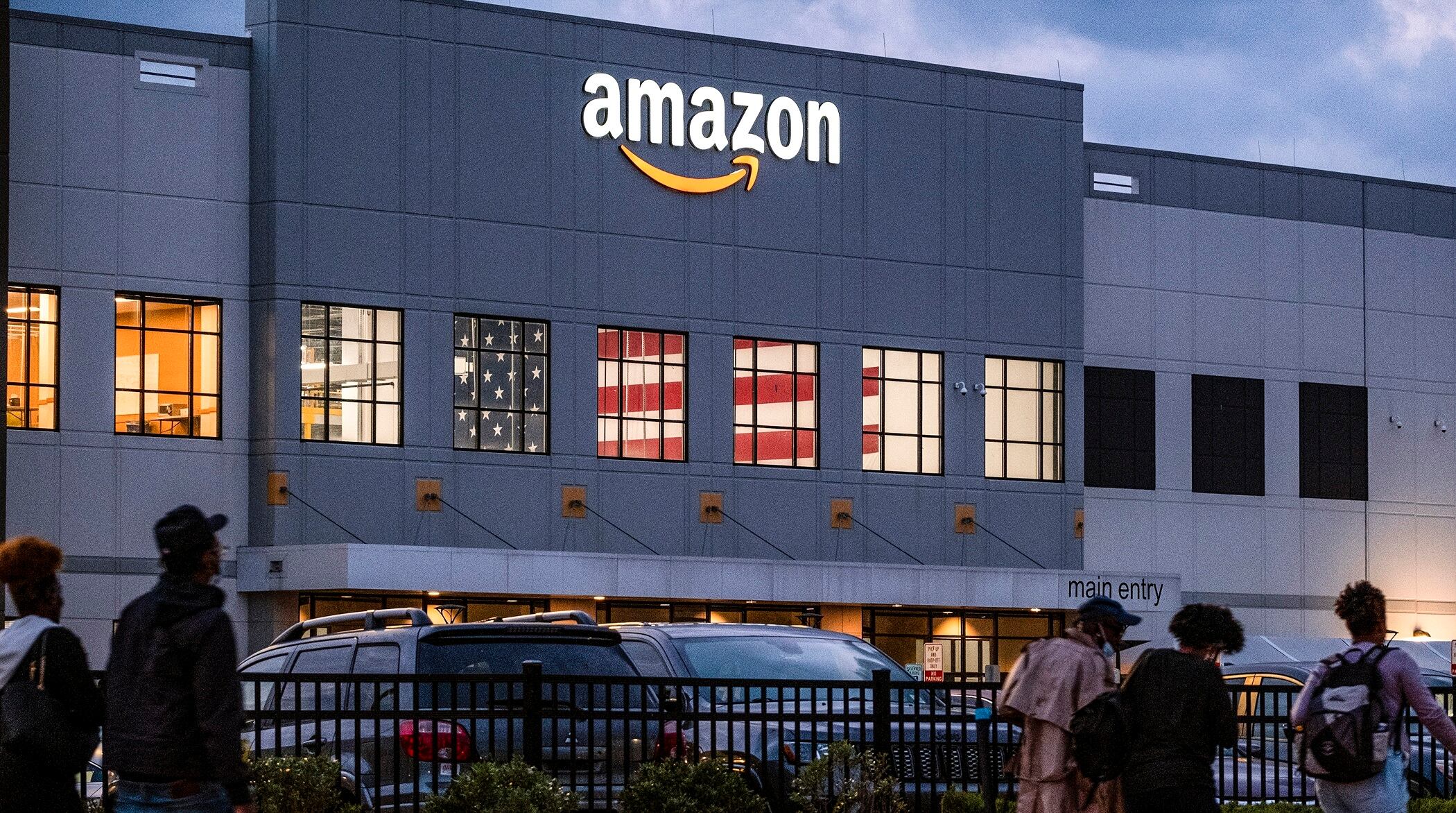
As the newly formed Amazon Labor Union gets ready to come to terms with the e-commerce giant, the issue of workplace safety and pace-of-work issues remains contentious and complex. Cheddar's Alex Vuocolo reports.